 Sandwiches Images are for illustrative purposes only, may be inaccurate, and do not guarantee the presence or absence of specific ingredients.
  Serving Images are for illustrative purposes only, may be inaccurate, and do not guarantee the presence or absence of specific ingredients.
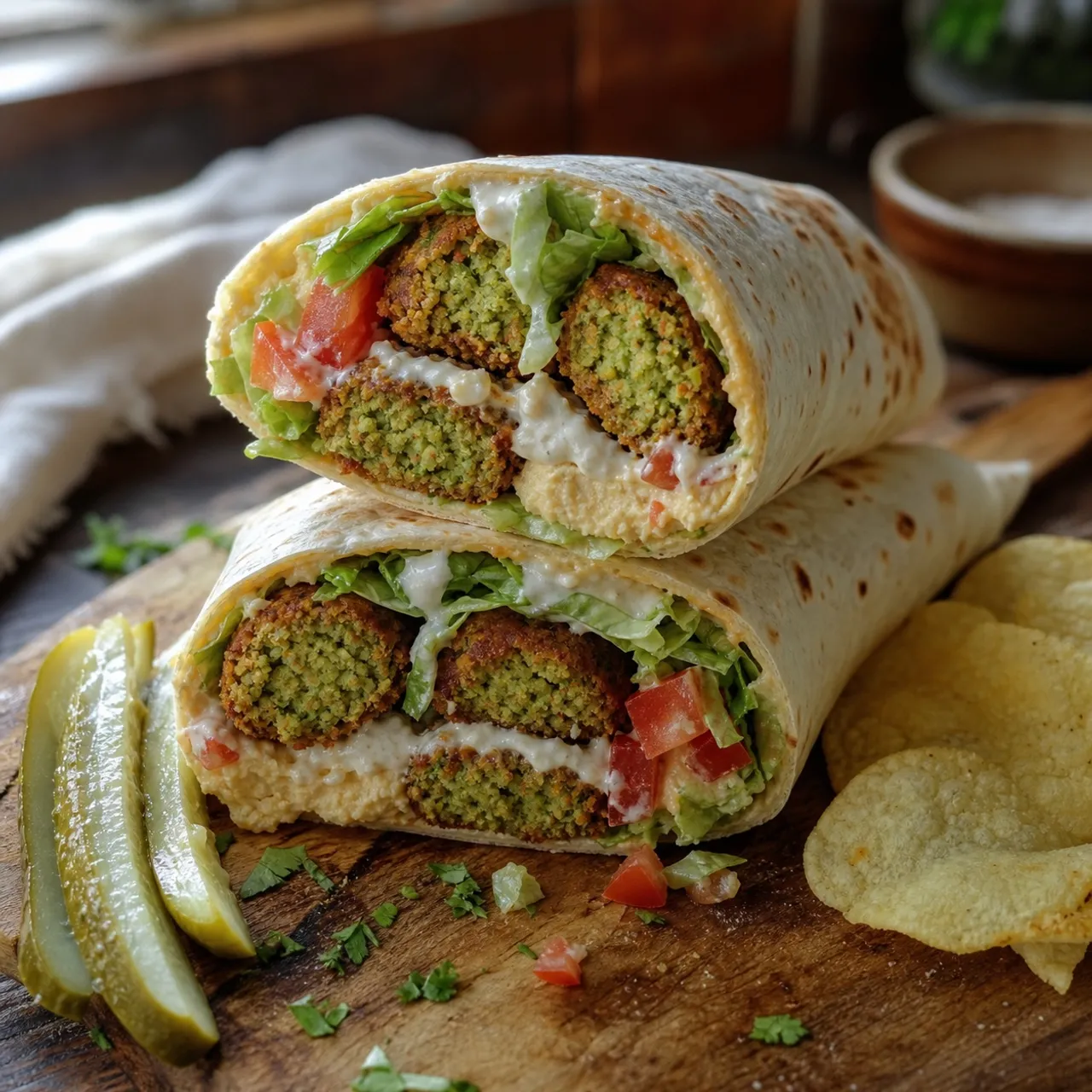
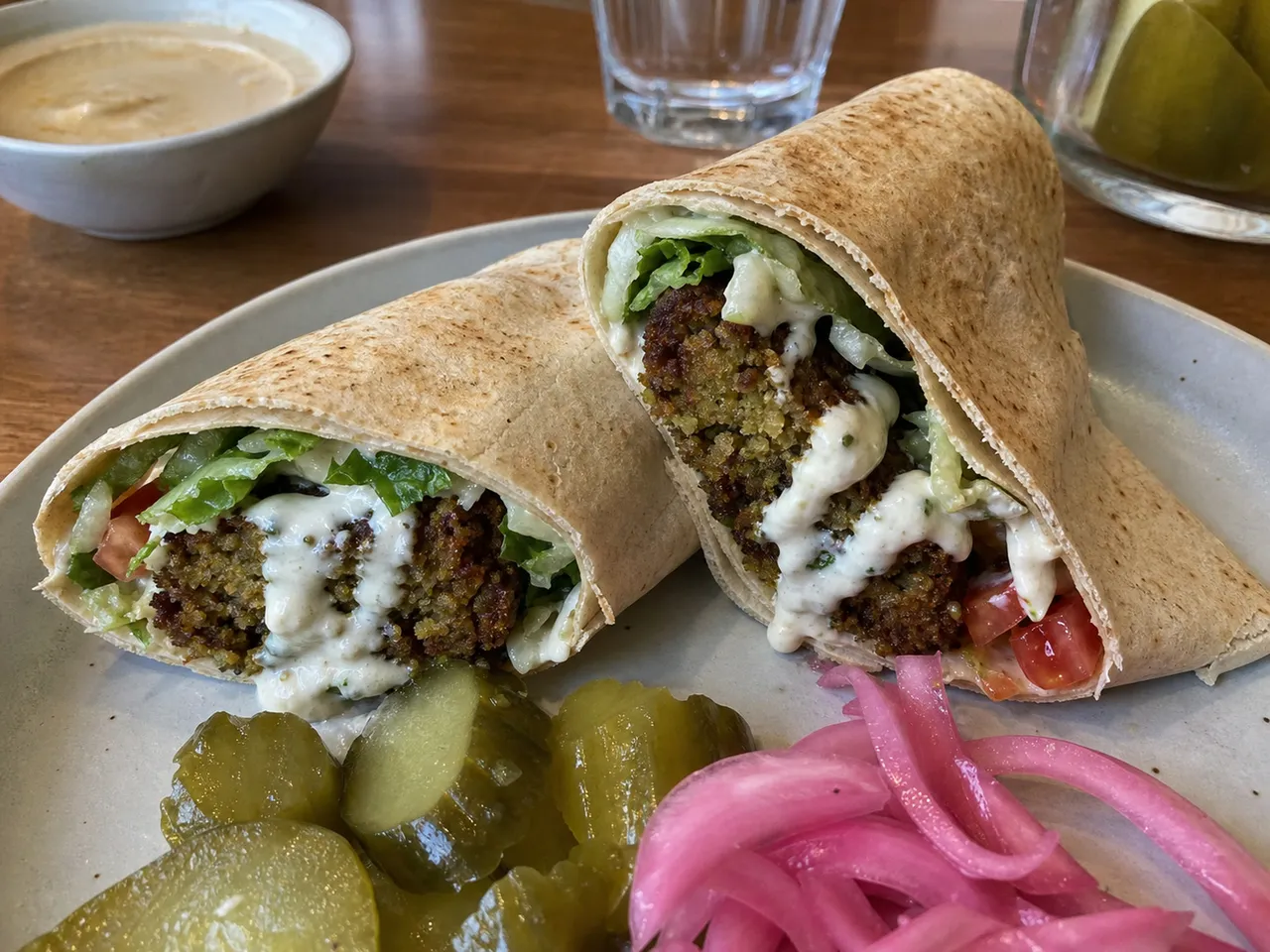
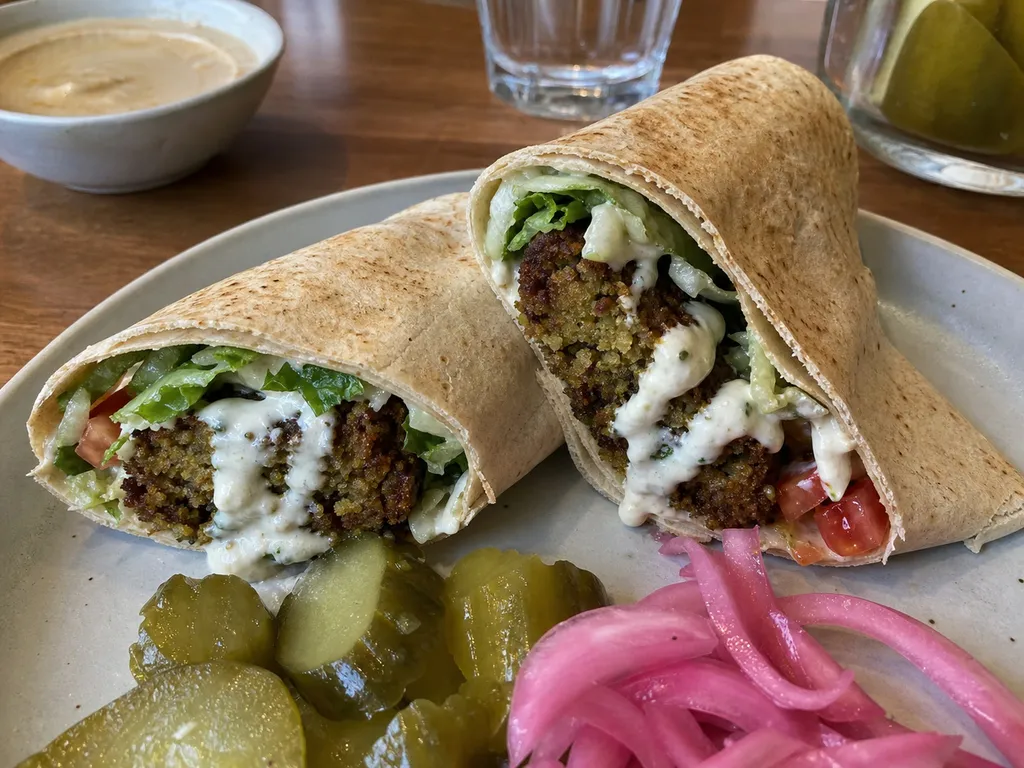
 Falafel Wrap
A vegetarian favorite with crispy falafel balls and tahini sauce in a wrap.
Contains common allergens
In the app, Listahan checks these against your household automatically.
Good to know
- Crispy
- Ready in under 30 minutes
Matched from this dish's own ingredients and timing. Browse more: crispy recipes30-minute meals
Instructions
6 steps- 1
If using pre-made falafel balls, bake them at 400°F (200°C) for 10-12 minutes, or shallow-fry them in hot oil for 3-4 minutes until they have a deeply dark, crispy exterior and a steaming hot center.
- 2
Lightly warm the tortilla or lavash in a dry skillet for 15 seconds per side to make it highly pliable and prevent tearing.
- 3
Lay the wrap flat. Spread the smooth hummus evenly over the lower third of the wrap, leaving a 1-inch border at the edges.
- 4
Place the hot falafel balls in a row over the hummus. To make eating easier, lightly smash each falafel ball with the back of a fork to flatten it slightly.
- 5
Top the smashed falafel with the shredded romaine lettuce and diced tomatoes. Drizzle the entire filling generously with the lemony tahini sauce.
- 6
Fold in the sides of the wrap, then roll it up tightly from the bottom like a burrito. Cut in half on a bias and serve immediately.
 Images are for illustrative purposes only, may be inaccurate, and do not guarantee the presence or absence of specific ingredients.
 Listahan Family Score™
76/100
Good fit for most families
Score reflects how well this recipe fits a typical busy household. In the app, your Family Score is personalized to your household's allergens, kids, and pantry.
Nutrition
per serving90
Calories
3 g
Protein
8 g
Carbs
6 g
Fat
Estimated per serving. Actual values depend on the brands and portions you use.
Listahan cooking guide
Chef notes & practical guide
Technique notes, ingredient swaps, serve-alongside ideas, storage guidance, and equipment for this recipe.
Cultural context
Falafel is a deep-fried fritter of ground chickpeas or fava beans seasoned with herbs and spices, eaten across the Middle East and a cornerstone of Levantine street food. Wrapping the crisp fritters in flatbread with hummus, tahini, and fresh vegetables turns this ancient meatless staple into a portable, fully vegetarian meal.
Listahan note
This version fries or bakes the falafel until the exterior is deeply dark and crisp, then smashes each ball slightly on the wrap so it spreads evenly and the rolled flatbread holds together without a lumpy center.
Technique cues
- Cooking the falafel until the outside is deeply dark and crisp gives the textural contrast against the soft hummus and tahini that the wrap depends on.
- Lightly warming the flatbread before filling makes it pliable so it rolls tightly like a burrito without cracking.
- Smashing each falafel ball flat on the wrap spreads the filling into an even layer so the rolled wrap is easy to bite through.
Kitchen flow
- Parallel prep
- Warm the flatbread and stir the tahini sauce while the falafel finishes crisping in the oven or oil.
- Make-ahead
- Shape and refrigerate the falafel or sauces ahead, but fry and assemble just before eating for the crisp.
- Leftover move
- Crumble leftover falafel over a chopped salad with the tahini as dressing the next day.
- Cleanup rhythm
- If baking rather than frying, you trade a pan of oil for a single sheet pan, so the cleanup is just one tray.
Ingredient brief
Role, handling, and swap guidance for each key ingredient.
freshly fried or baked falafel balls
Main protein
Purpose: The crisp, herby chickpea fritters are the heart of the wrap and supply its plant-based protein.
Handling: Cook them until very dark and crisp outside, then smash slightly so they layer evenly.
Adaptation: Baked falafel is a lighter route than fried; brush with oil so it still crisps in the oven.
smooth hummus
Creamy base spread
Purpose: It coats the wrap and glues the filling while adding its own chickpea richness.
Handling: Spread it over the lower third with a border so it does not squeeze out when rolled.
Adaptation: Mashed white beans with lemon and garlic stand in if hummus is unavailable, with a milder flavor.
tahini sauce thinned with lemon juice
Acid and sauce
Purpose: The lemony tahini drizzle adds nutty richness and bright acidity that ties the wrap together.
Handling: Thin it with lemon and a little water until it pours, then drizzle over the whole filling.
Adaptation: A sunflower-seed butter sauce with lemon mimics it for those avoiding sesame, though it tastes earthier.
shredded romaine lettuce
Fresh crunch
Purpose: Its crisp, watery crunch lightens the dense falafel and creamy spreads.
Handling: Shred it thin so it folds into the wrap without forcing it open.
Adaptation: Shredded cabbage holds up longer and adds more sturdy crunch if you are packing it ahead.
thin flour tortilla or lavash flatbread
Structure
Purpose: A large, thin, flexible flatbread is what lets everything roll into a tight, hand-held cylinder.
Handling: Warm it briefly so it becomes pliable and resists tearing as you roll.
Adaptation: A whole-wheat tortilla or gluten-free wrap works; warm any of them to avoid cracking.
Technique notes
- Smashing the falafel slightly is the trick that keeps the rolled wrap from having a lumpy, hard-to-bite core.
- Leave a border of bare bread around the spreads so they do not squeeze out when you roll and cut on the bias.
- Warm the bread just to pliable, not crisp; over-toasted flatbread cracks instead of rolling.
Ingredient swaps
- Sesame-free direction
- Swap the tahini sauce for a lemony sunflower-seed butter sauce so the wrap is safe without sesame; it reads nuttier and a bit thicker.
- Gluten-free direction
- Use a gluten-free wrap and confirm the falafel binder is GF, since some falafel mixes include flour.
- Lower-sodium direction
- Use a no-salt-added hummus and homemade falafel so you control the salt that fried versions pack in.
Serve alongside
- Fattoush salad
- Tabbouleh
- Pickled turnips
- Baba ganoush with pita
- Mint lemonade
- Ayran
- Sparkling water with lime
Serving suggestions only — check pairings for your household's allergens.
Storage & reheating
- Store cooked falafel and the sauces separately in the fridge for up to 3 days; do not pre-roll the wraps.
- Reheat falafel in a hot oven or skillet to recrisp the shell, then assemble fresh; microwaving leaves them soft.
- Freeze cooked falafel for up to 2 months and reheat from frozen in a hot oven to restore the crisp exterior.
Equipment
- Oven or skillet for the falafel
- Whisk for the tahini sauce
- Dry skillet for warming the bread
- Knife for the bias cut
Make this household-aware
Listahan Pro checks this recipe against your household's allergens, finds pantry-aware swaps, builds the shopping list, and helps you plan the week around it.
Plan it in Listahan
Add Falafel Wrap to your week, check it against your household's allergens, and build the shopping list automatically.
More Sandwiches recipes
 Sandwiches Lens Verified Images are for illustrative purposes only, may be inaccurate, and do not guarantee the presence or absence of specific ingredients.
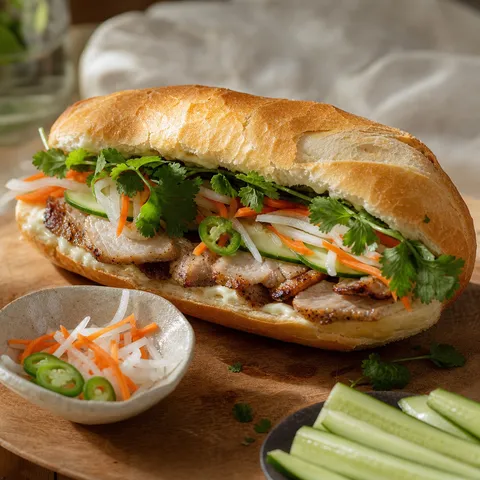
 Banh Mi
A Vietnamese classic with savory meat, pickled vegetables, and fresh herbs in a baguette.
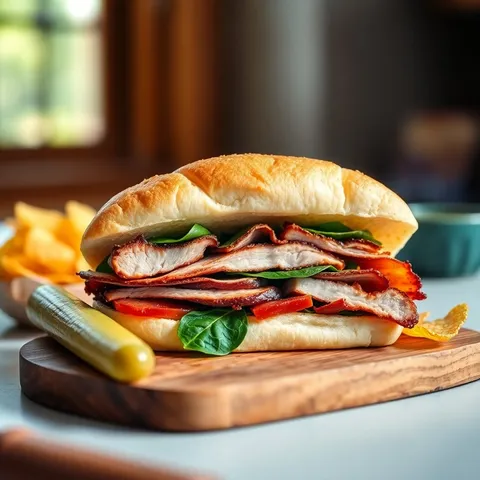 Sandwiches Lens Verified Images are for illustrative purposes only, may be inaccurate, and do not guarantee the presence or absence of specific ingredients.
 Roast Pork Italian Sandwich
Philadelphia's beloved roll piled with garlicky slow-roasted pork, sharp provolone, and garlicky sauteed broccoli rabe.
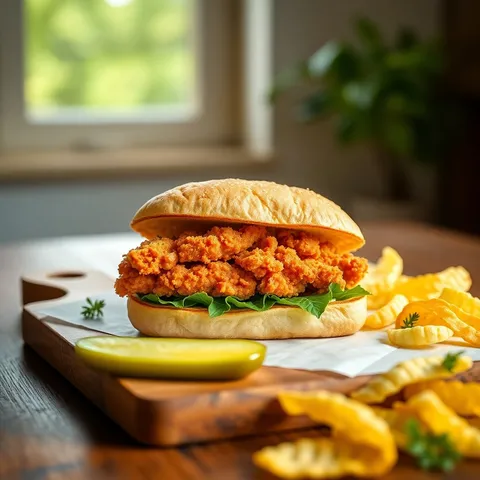 Sandwiches Lens Verified Images are for illustrative purposes only, may be inaccurate, and do not guarantee the presence or absence of specific ingredients.
 Crispy Chicken Sandwich
A buttermilk-fried chicken breast on a toasted brioche bun with pickles — the fast-food favourite made at home.