 Sauces & Dressings Images are for illustrative purposes only, may be inaccurate, and do not guarantee the presence or absence of specific ingredients.
  Serving Images are for illustrative purposes only, may be inaccurate, and do not guarantee the presence or absence of specific ingredients.
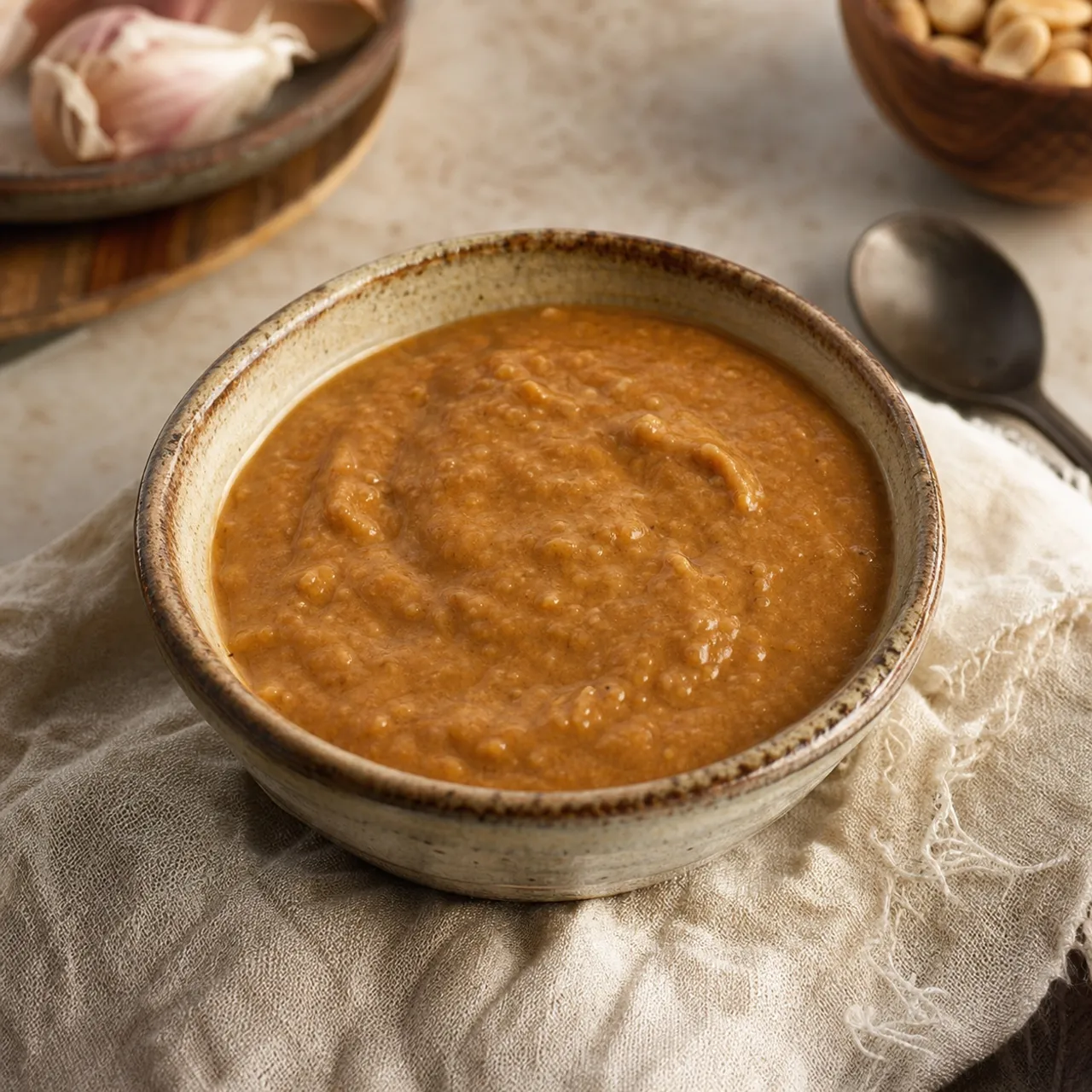
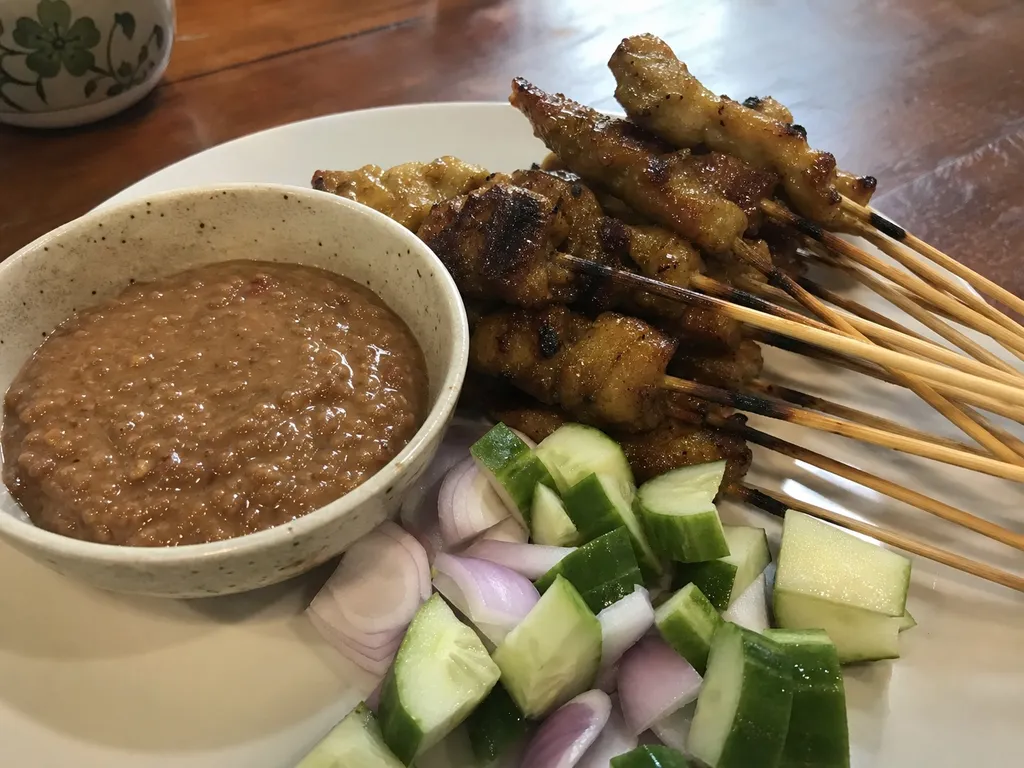
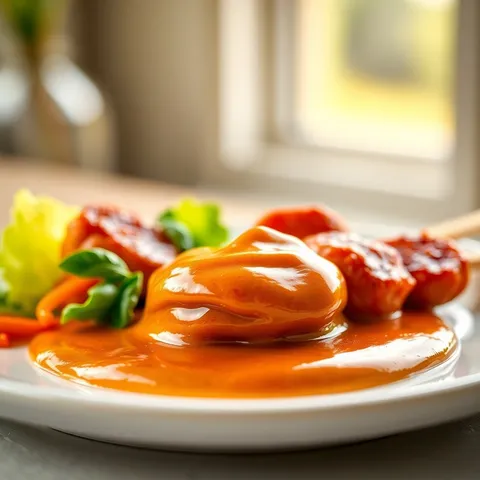
 Katjang Sauce: Peanut Sauce
A rich Indonesian-style peanut sauce with garlic, chili, and sweet soy, perfect for satay or grilled vegetables.
Contains common allergens
In the app, Listahan checks these against your household automatically.
Good to know
- One-pot
Matched from this dish's own ingredients and timing. Browse more: one-pot dinners
Instructions
5 steps- 1
Combine the chopped onion and minced garlic in a bowl, add the brown sugar, and mash with the back of a spoon to make a coarse paste.
- 2
Heat the oil in a small saucepan over very low heat and gently brown the onion paste, stirring, until fragrant.
- 3
Stir in the sambal oelek, paprika, and ginger powder, then add the peanut butter and continue cooking until the sauce turns a deeper brown.
- 4
Stir in the ketjap manis and milk and keep stirring over low heat until the sauce thickens.
- 5
Finally, stir in the lemon juice and season with salt and pepper. If the sauce is too thick, thin it with a little more milk until it reaches a smooth, pourable consistency.
 Images are for illustrative purposes only, may be inaccurate, and do not guarantee the presence or absence of specific ingredients.
 Listahan Family Score™
57/100
Works for many families
Score reflects how well this recipe fits a typical busy household. In the app, your Family Score is personalized to your household's allergens, kids, and pantry.
Nutrition
per serving290
Calories
8 g
Protein
26 g
Carbs
19 g
Fat
Estimated per serving. Actual values depend on the brands and portions you use.
Listahan cooking guide
Chef notes & practical guide
Technique notes, ingredient swaps, serve-alongside ideas, storage guidance, and equipment for this recipe.
Cultural context
Katjang, from the Indonesian and Dutch word for peanut, is the rich peanut sauce served with satay and gado-gado across Indonesia, carried into Dutch home cooking through the colonial-era Indo kitchen. It belongs to a wider Southeast Asian family of ground-peanut sauces balanced with chile, sweet, salt, and sour. The Dutch-Indonesian rijsttafel tradition is where many North Americans first met it, ladled over skewered meat or steamed vegetables.
Listahan note
This version builds the sauce from real peanuts or natural peanut butter rather than a sweetened spread, so it tastes nutty and savory with the sweetness kept in check.
Technique cues
- Toast and grind whole peanuts if you can, because freshly ground nuts give a deeper roasted flavor than any jarred butter.
- Bloom the aromatics and chile paste in oil before adding liquid, which builds a savory base and keeps the sauce from tasting like sweetened peanut butter.
- Thin the sauce with hot water or coconut milk to your target consistency at the very end, since it tightens dramatically as it cools.
Kitchen flow
- Parallel prep
- Mince the garlic and chile while the peanuts toast, so the aromatics hit the pan the moment it is hot.
- Make-ahead
- Make the base ahead and refrigerate it thick; loosen with hot water just before serving.
- Leftover move
- Toss leftover sauce with noodles and shredded vegetables, or use it as a dip for fresh spring rolls.
- Cleanup rhythm
- Soak the pan right away, since the reduced peanut sauce cements onto the bottom as it cools.
Ingredient brief
Role, handling, and swap guidance for each key ingredient.
peanuts or natural peanut butter
the body and flavor
Purpose: Ground roasted peanuts give the sauce its rich, nutty foundation and creamy body.
Handling: Use unsweetened natural peanut butter, or toast and grind whole peanuts for the best flavor.
Adaptation: Sunflower seed butter makes a peanut-free version for allergic tables.
coconut milk
richness and smoothness
Purpose: Coconut milk loosens the peanuts into a pourable sauce and adds a mellow tropical richness.
Handling: Add gradually to control the final thickness.
Adaptation: Hot water or stock makes a lighter, less rich version.
kecap manis
sweet-salty depth
Purpose: This thick Indonesian sweet soy sauce is the signature flavor that makes the sauce taste authentically katjang.
Handling: Stir in toward the end and adjust to taste.
Adaptation: Soy sauce plus a little brown sugar or molasses approximates it.
chile paste
heat and depth
Purpose: Sambal or a fresh chile paste gives the sauce its characteristic warmth and balances the richness.
Handling: Fry it briefly in oil to bloom the heat and aroma.
Adaptation: A spoon of sriracha or red pepper flakes works in a pinch.
lime juice
brightening acid
Purpose: A squeeze of lime cuts the richness and keeps the sauce from feeling heavy on the palate.
Handling: Add at the end off the heat to keep it fresh.
Adaptation: Rice vinegar or tamarind paste gives a different but authentic sourness.
Technique notes
- Keep a kettle of hot water at hand to adjust thickness, because the sauce changes consistency from skewer dip to noodle sauce with just a splash.
- A pinch of palm sugar and a little extra lime is the classic move to re-balance a sauce that tastes flat.
- Garnish with crushed toasted peanuts and a scatter of fried shallots for texture and an authentic finish.
Ingredient swaps
- Peanut-free direction
- Swap in sunflower seed butter or tahini for a nut-free sauce that keeps the savory-sweet balance; note this changes the core flavor.
- Gluten-free direction
- Use tamari and a gluten-free kecap manis or soy-plus-sugar substitute to keep it wheat-free.
- Lighter direction
- Replace coconut milk with stock or hot water for a thinner, lower-fat sauce.
Serve alongside
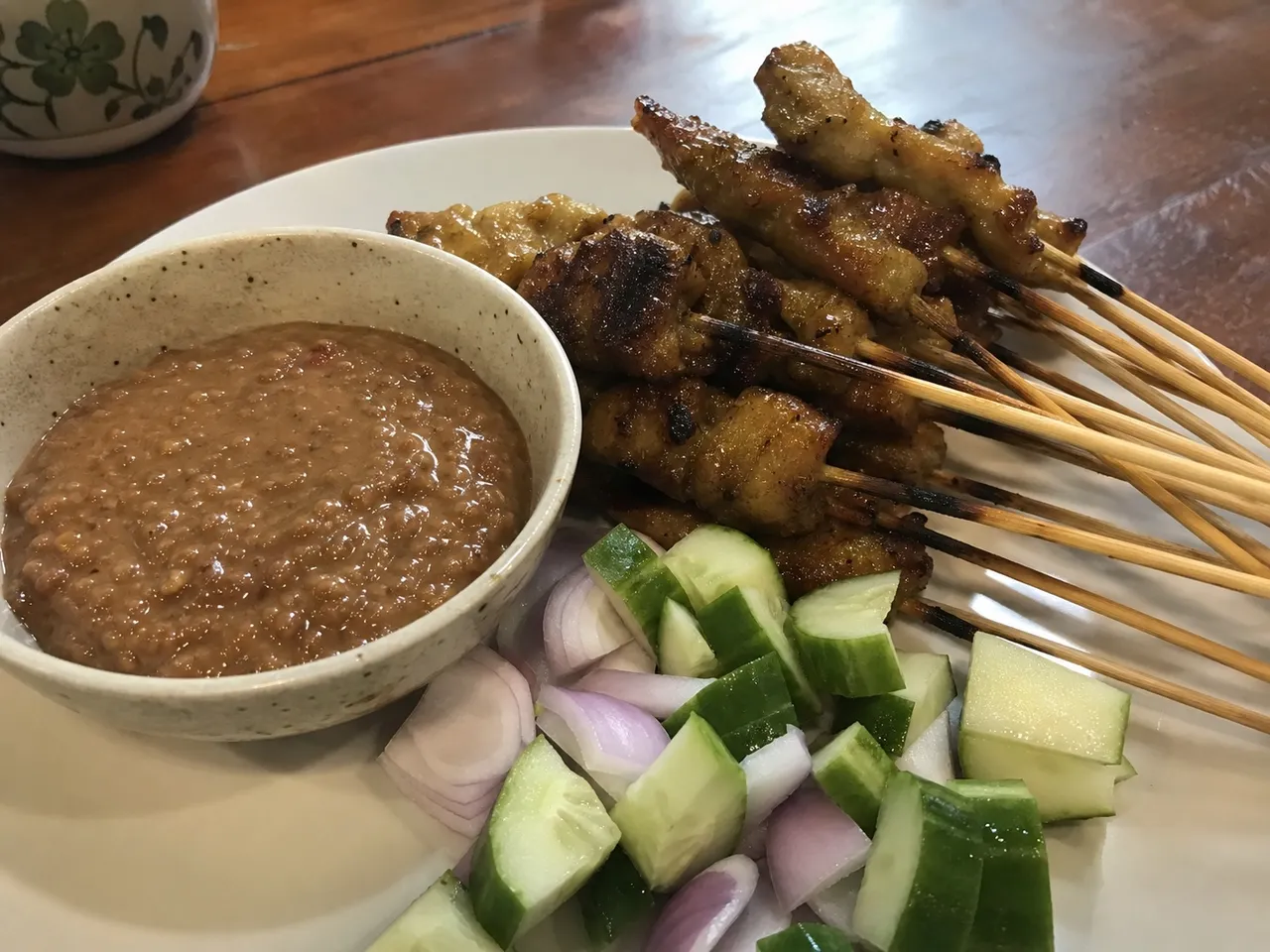
- Chicken satay skewers
- Gado-gado vegetable salad
- Steamed jasmine rice
- Fresh rice paper rolls
- Iced jasmine tea
- Cold lager
- Coconut water
Serving suggestions only — check pairings for your household's allergens.
Storage & reheating
- Refrigerate in a sealed container for up to five days; the sauce thickens to a paste when cold and loosens with hot water or coconut milk on reheating. Warm gently and whisk to bring it back to a smooth pour. It freezes well for up to two months.
Equipment
- Saucepan or small wok
- Food processor for grinding peanuts
- Whisk
- Microplane or mortar for aromatics
Make this household-aware
Listahan Pro checks this recipe against your household's allergens, finds pantry-aware swaps, builds the shopping list, and helps you plan the week around it.
Plan it in Listahan
Add Katjang Sauce: Peanut Sauce to your week, check it against your household's allergens, and build the shopping list automatically.
More Sauces & Dressings recipes
 Sauces & Dressings Lens Verified Images are for illustrative purposes only, may be inaccurate, and do not guarantee the presence or absence of specific ingredients.
 Espagnole Sauce
A deep brown mother sauce of dark roux, mirepoix, and beef stock that forms the foundation for demi-glace and rich meat sauces.
 Sauces & Dressings Lens Verified Images are for illustrative purposes only, may be inaccurate, and do not guarantee the presence or absence of specific ingredients.
 Hollandaise Sauce
A silky, buttery emulsion brightened with lemon that crowns eggs Benedict, asparagus, and poached fish in golden luxury.
 Sauces & Dressings Lens Verified Images are for illustrative purposes only, may be inaccurate, and do not guarantee the presence or absence of specific ingredients.
 Peanut Satay Sauce
A rich, creamy Southeast Asian dipping sauce of peanut butter, coconut milk, and soy with a sweet-spicy lime finish for grilled skewers.