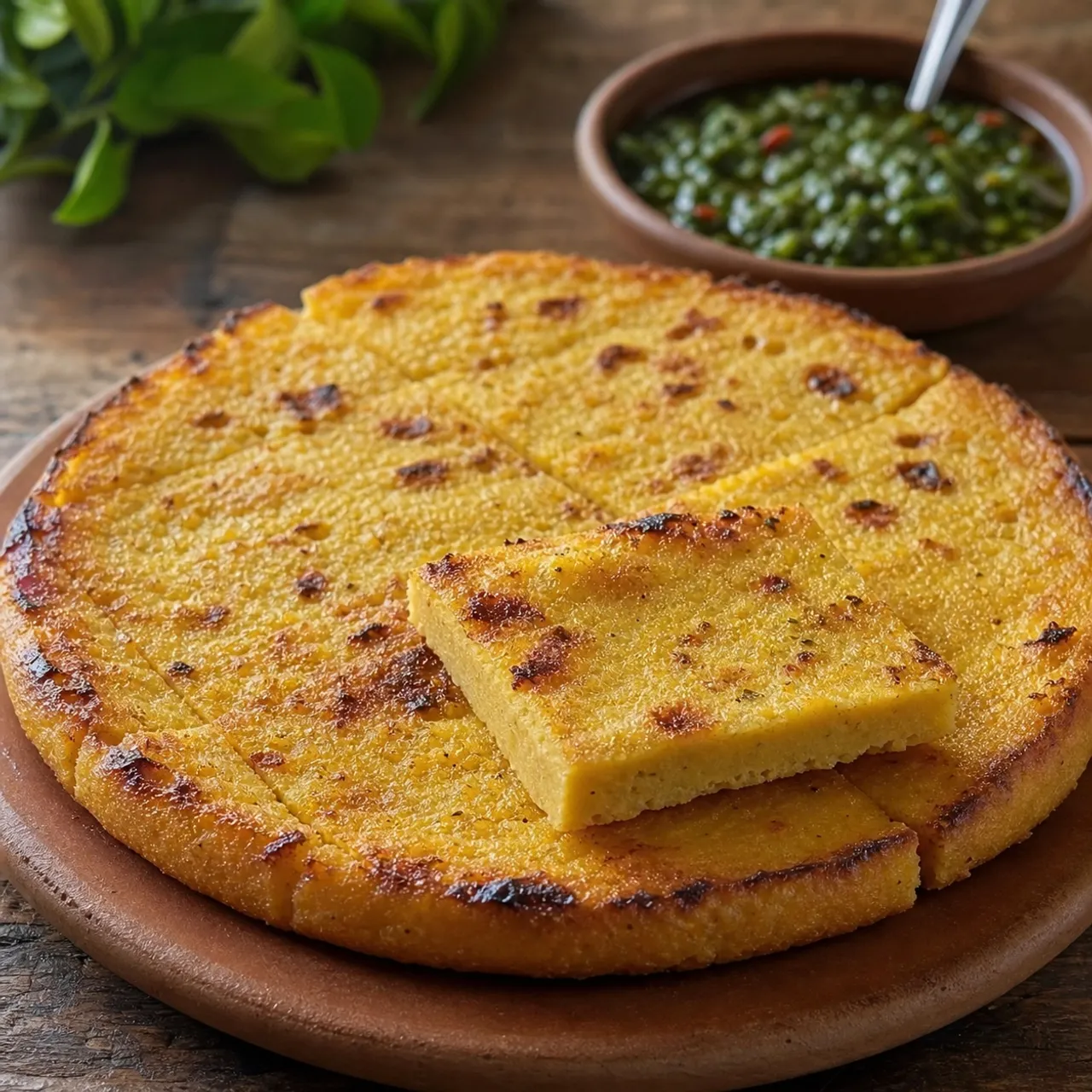
 South American Images are for illustrative purposes only, may be inaccurate, and do not guarantee the presence or absence of specific ingredients.
 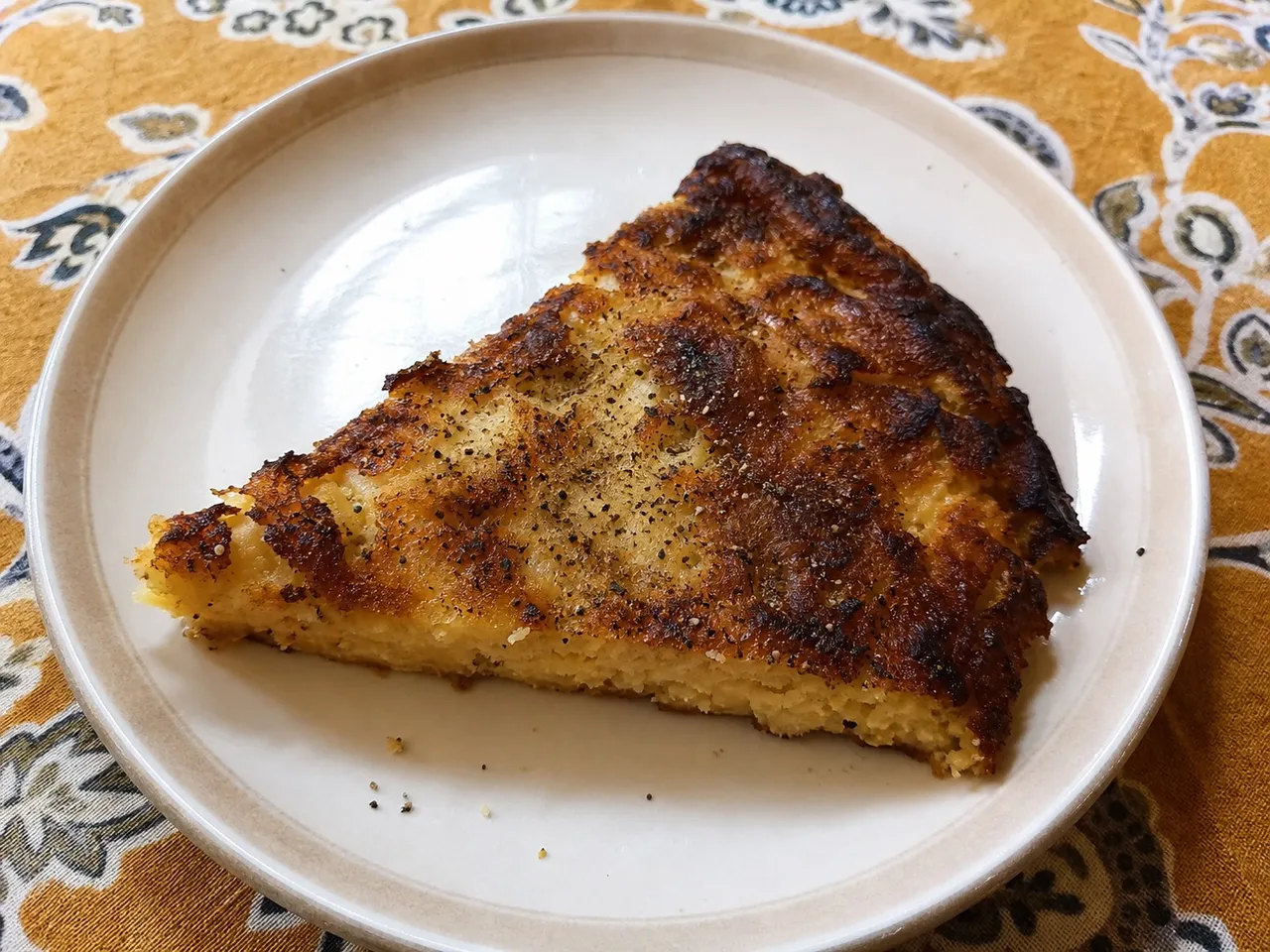 Serving Images are for illustrative purposes only, may be inaccurate, and do not guarantee the presence or absence of specific ingredients.
 Fainá
Buenos Aires's thin chickpea flatbread, baked until golden and fragrant — simple, crispy-edged, and traditionally eaten layered right on top of a pizza slice.
Contains common allergens
In the app, Listahan checks these against your household automatically.
Good to know
- Crispy
Matched from this dish's own ingredients and timing. Browse more: crispy recipes
Instructions
6 steps- 1
Whisk chickpea flour, water, 2 tablespoons olive oil, and salt in a bowl until smooth and lump-free.
- 2
Skim off any foam from the surface and let the batter rest at room temperature for at least 2 hours, or refrigerate overnight, so the flour fully hydrates.
- 3
Preheat oven to 450F and place a 12-inch cast iron or heavy metal pan inside to heat for 10 minutes.
- 4
Carefully remove the hot pan, coat it with the remaining 1 tablespoon olive oil, and pour in the batter, tilting to spread it thin and even.
- 5
Bake for 15 to 20 minutes, until the top is golden brown with dark, crisp edges and the center has set firm.
- 6
Sprinkle with black pepper, slice into wedges, and serve hot, traditionally layered on top of a slice of pizza.
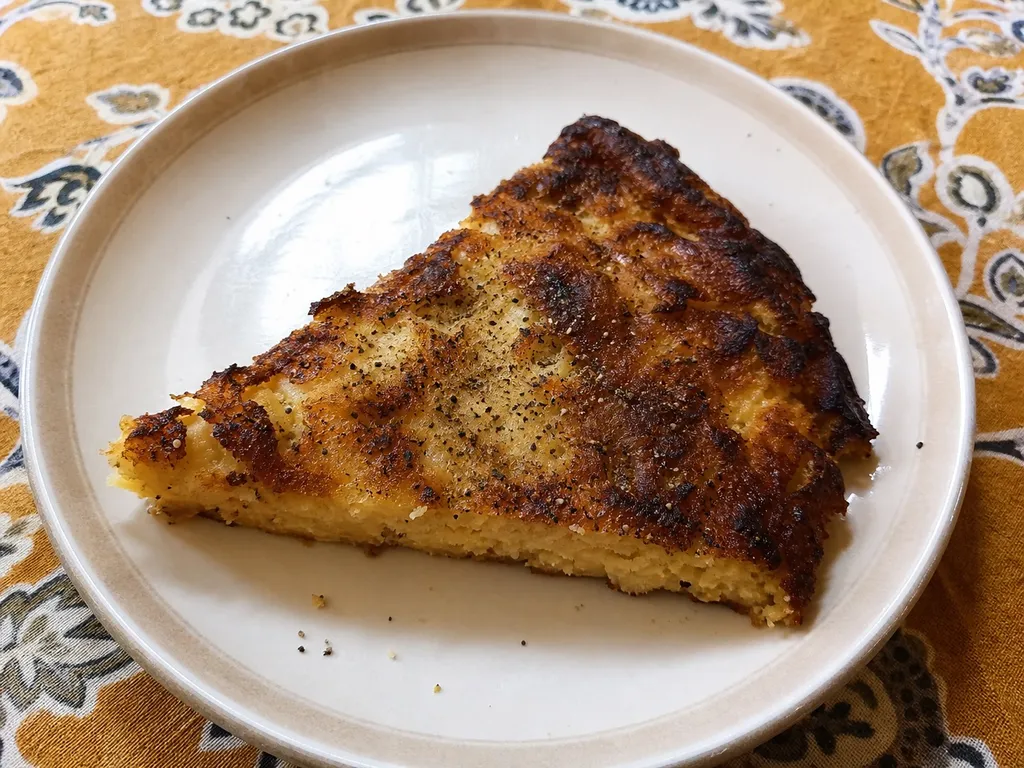 Images are for illustrative purposes only, may be inaccurate, and do not guarantee the presence or absence of specific ingredients.
 Listahan Family Score™
72/100
Good fit for most families
Score reflects how well this recipe fits a typical busy household. In the app, your Family Score is personalized to your household's allergens, kids, and pantry.
Nutrition
per serving290
Calories
5 g
Protein
36 g
Carbs
14 g
Fat
Estimated per serving. Actual values depend on the brands and portions you use.
Listahan cooking guide
Chef notes & practical guide
Technique notes, ingredient swaps, serve-alongside ideas, storage guidance, and equipment for this recipe.
Cultural context
Fainá traces back to farinata, the chickpea flatbread Genoese immigrants brought to the Rio de la Plata region in the late 1800s and early 1900s. In Buenos Aires and Montevideo it settled into pizzeria culture rather than becoming a standalone dish, baked in the same ovens as pizza and often served cut into wedges right alongside a slice.
Listahan note
This version keeps the batter thin and well-rested so it bakes into the classic blistered-top, custardy-inside disk instead of a dense pancake. The two-ingredient simplicity is the point; the technique carries the whole dish.
Technique cues
- Let the batter rest at least 30 minutes before baking, longer if you can. This hydrates the chickpea flour fully so the top does not taste gritty or raw once baked.
- Preheat the oiled pan in the hot oven before pouring in the batter so the bottom starts crisping the instant it goes in, the way a pizzeria's fainá gets its blistered edge.
- Bake hot and relatively fast rather than low and slow. Fainá wants a golden, faintly charred top while the center stays soft, not an evenly pale disk all the way through.
Kitchen flow
- Parallel prep
- Whisk the batter and let it rest while the oven preheats with the oiled pan already inside, so both are ready at the same time.
- Make-ahead
- Mix the batter up to a few hours ahead and keep it covered at room temperature; a longer rest only improves the texture.
- Leftover move
- Reheat wedges in a hot dry skillet or under the broiler until the edges crisp again, or layer them onto a fresh slice of pizza the way it is traditionally eaten.
- Cleanup rhythm
- Let the hot oiled pan cool slightly before washing; the thin baked-on layer lifts off much more easily once it is not scalding.
Ingredient brief
Role, handling, and swap guidance for each key ingredient.
Chickpea flour
Batter base
Purpose: Chickpea flour gives fainá its custardy interior, nutty flavor, and naturally gluten-free structure.
Handling: Whisk gradually with water until fully smooth, breaking up any lumps before the batter rests.
Adaptation: Besan (Indian chickpea flour) is the same flour by another name and works identically.
Olive oil
Pan fat and richness
Purpose: A generously oiled, preheated pan is what gives fainá its blistered, golden top and keeps the plain batter from tasting flat.
Handling: Heat the oil in the pan inside the oven before adding the batter so the edges start crisping immediately.
Adaptation: A neutral oil fries the bottom just as well but loses some of the traditional Ligurian-Argentine flavor.
Water
Batter hydration
Purpose: Water thins the dense chickpea flour into a pourable batter that bakes into a thin, even disk.
Handling: Whisk it into the flour gradually to avoid lumps, then let the mixture rest so the flour fully hydrates.
Adaptation: No real substitute here; this is what makes the batter pourable in the first place.
Salt and black pepper
Seasoning and garnish
Purpose: Salt seasons the mild batter, and a generous dusting of black pepper right out of the oven is the traditional finishing touch that gives fainá its recognizable flavor.
Handling: Whisk salt into the batter before baking, then grind pepper over the top immediately after it comes out of the oven.
Adaptation: None needed; this is standard across home and pizzeria versions alike.
Wide shallow baking pan
Baking vessel
Purpose: A wide, well-oiled pan lets the thin batter spread evenly and bake through quickly at high heat, so the top blisters while the center stays soft.
Handling: Oil it generously and let it heat in the oven before the batter goes in.
Adaptation: A well-seasoned cast iron skillet or a round pizza pan both work if a traditional wide baking pan is not available.
Technique notes
- Do not skip the resting step. Unrested chickpea batter can separate slightly and bakes with a raw, floury top.
- Use enough oil in the pan. A dry pan gives a duller, stickier bottom instead of the classic golden crust.
- Cut into wedges and serve hot. Fainá firms up and loses the contrast between its crisp top and custardy center as it cools.
Ingredient swaps
- Naturally flexible base
- Because the batter is only chickpea flour, oil, water, and seasoning, fainá on its own fits gluten-free, dairy-free, and vegan tables. It is traditionally served layered on top of pizza, though, so check what it is served alongside before assuming the whole plate matches those needs.
- Herb variation
- Add a pinch of dried rosemary or thyme to the batter for a herbed version closer to French-style socca.
- Thinner-crust route
- Use a wider pan with less batter depth for a thinner, crisper fainá; increase the oven heat slightly and watch the bake time shorten.
Serve alongside
- Argentine-style pizza (fainá a caballo)
- Provoleta
- Mixed olives
- Simple tomato salad
- Malbec
- Cold lager
- Sparkling water with lemon
Serving suggestions only — check pairings for your household's allergens.
Storage & reheating
- Refrigerate leftover wedges in a sealed container for up to 2 days.
- Reheat in a hot dry skillet or oven until the edges crisp again; microwaving leaves it soft and a little rubbery.
- Freezing is not recommended; the texture turns gummy once thawed.
Equipment
- Wide shallow baking pan or pizza pan
- Whisk
- Mixing bowl
- Oven
Make this household-aware
Listahan Pro checks this recipe against your household's allergens, finds pantry-aware swaps, builds the shopping list, and helps you plan the week around it.
Plan it in Listahan
Add Fainá to your week, check it against your household's allergens, and build the shopping list automatically.
More South American recipes
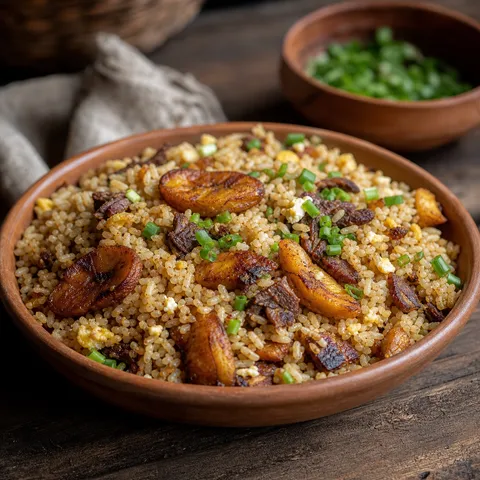 South American Lens Verified Images are for illustrative purposes only, may be inaccurate, and do not guarantee the presence or absence of specific ingredients.
 Majadito
Bolivia's rustic one-pot comfort — dried charque beef simmered down with rice, tomato, and spices into a savory, fragrant dish topped with a fried egg.
 South American Lens Verified Images are for illustrative purposes only, may be inaccurate, and do not guarantee the presence or absence of specific ingredients.
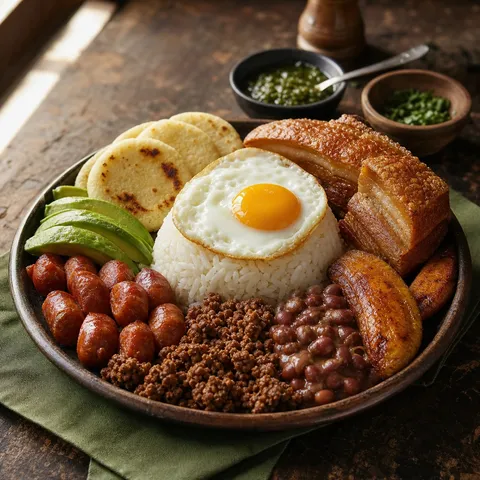
 Bandeja Paisa
Colombia's legendary tray of abundance — red beans, white rice, chicharrón, chorizo, fried egg, plantains, and avocado all piled high for a satisfying feast.
 South American Lens Verified Images are for illustrative purposes only, may be inaccurate, and do not guarantee the presence or absence of specific ingredients.
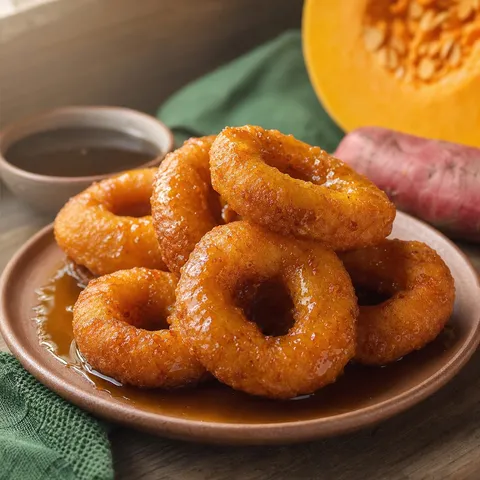
 Picarones
Peru's addictive street doughnuts — rings of sweet potato and butternut squash fried until puffy and golden, then drizzled with warm chancaca spiced syrup.