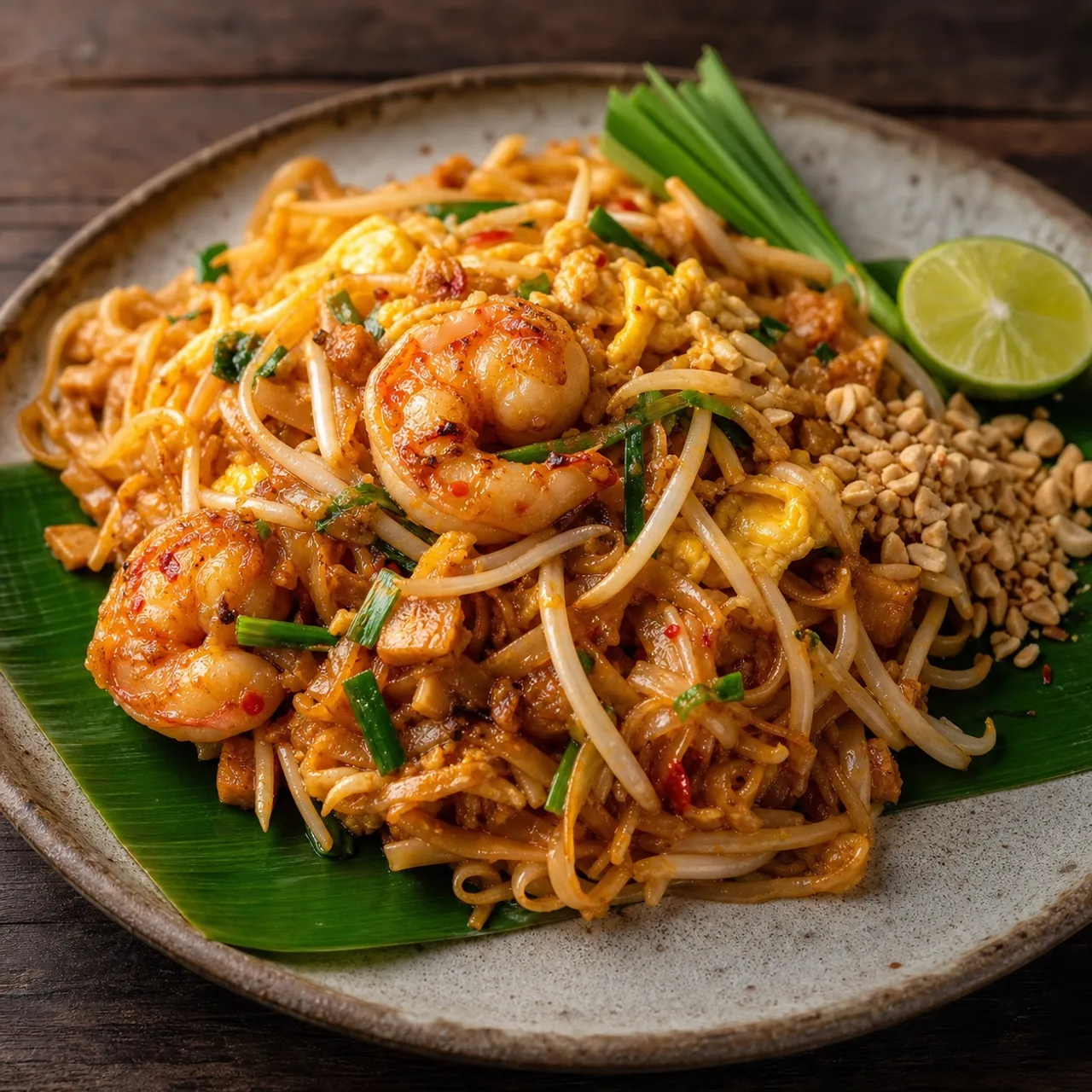
 Thai Images are for illustrative purposes only, may be inaccurate, and do not guarantee the presence or absence of specific ingredients.
 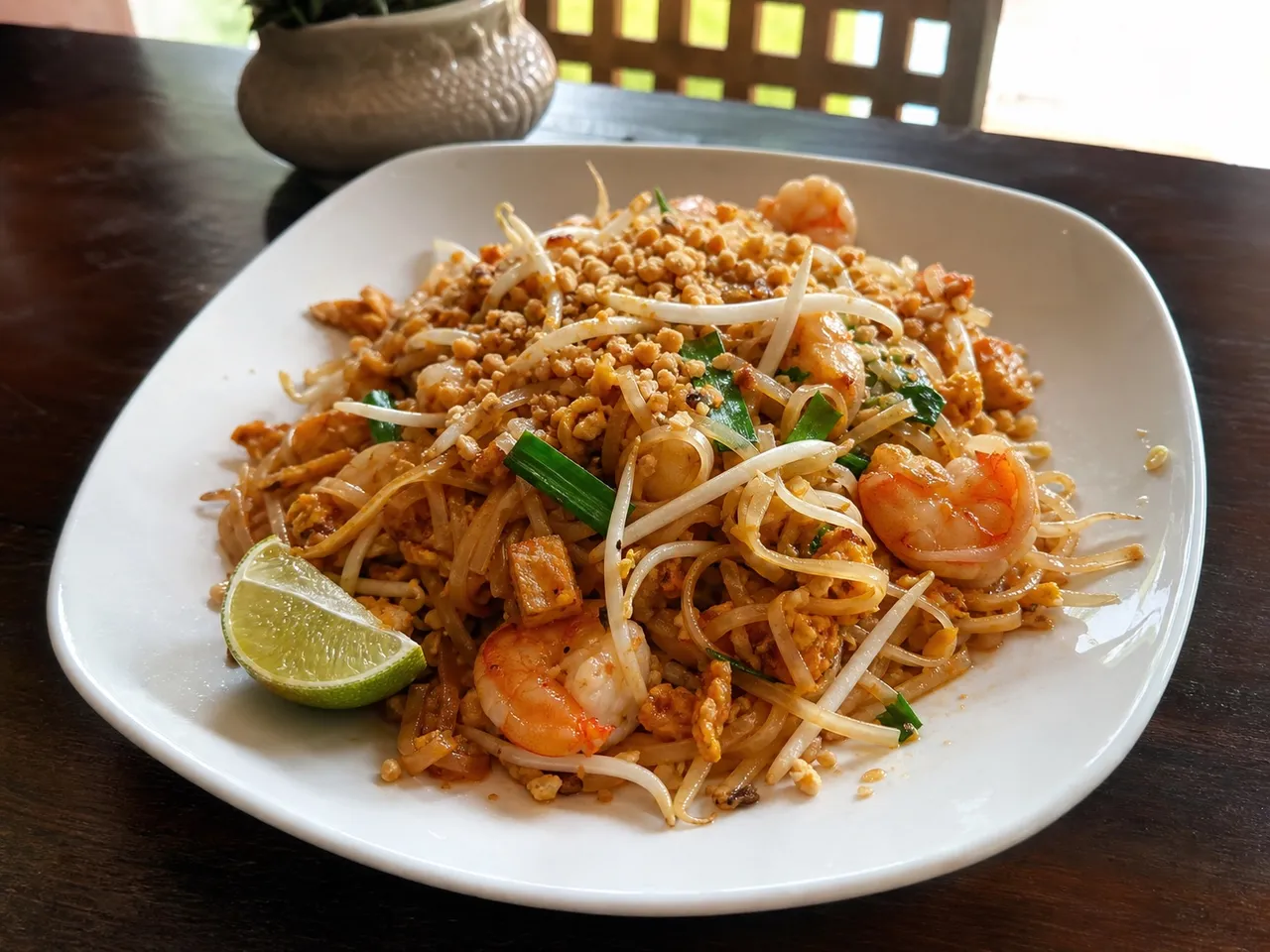 Serving Images are for illustrative purposes only, may be inaccurate, and do not guarantee the presence or absence of specific ingredients.
 Pad Thai
Classic stir-fried rice noodle dish balancing sweet, salty, and sour flavors.
Contains common allergens
In the app, Listahan checks these against your household automatically.
Good to know
- Ready in under 30 minutes
Matched from this dish's own ingredients and timing. Browse more: 30-minute meals
Instructions
5 steps- 1
Prep Noodles: Soak dried rice noodles in room-temperature water for 20-30 minutes until pliable but firm. Drain and set aside.
- 2
Make Sauce: Whisk tamarind paste, palm sugar, and fish sauce in a small bowl until the sugar is fully dissolved.
- 3
Sear Protein: Heat a wok over high heat with 1 tbsp oil. Sear shrimp for 1-2 minutes until just pink. Remove and set aside.
- 4
Scramble Egg: Add 1 tbsp oil, pour in eggs, and scramble until just set. Add noodles and sauce, tossing continuously until noodles are cooked and sauce is absorbed (about 3 mins).
- 5
Finish: Toss in shrimp, half the bean sprouts, and half the peanuts. Serve hot with remaining sprouts, peanuts, and a lime wedge.
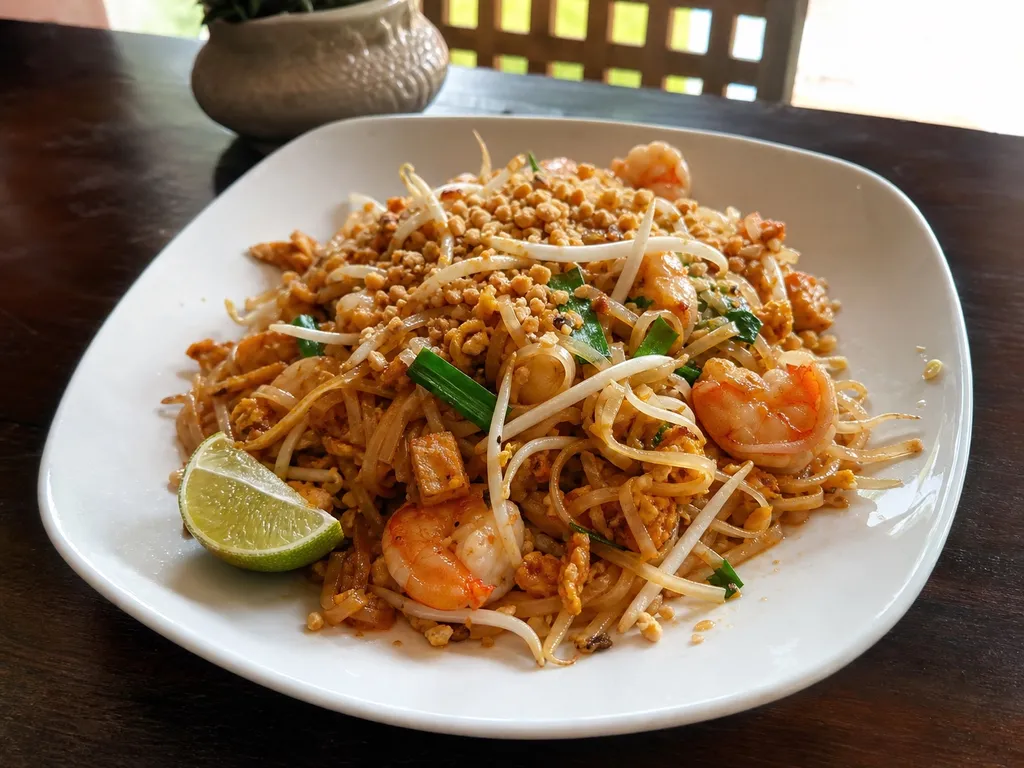 Images are for illustrative purposes only, may be inaccurate, and do not guarantee the presence or absence of specific ingredients.
 Listahan Family Score™
70/100
Good fit for most families
Score reflects how well this recipe fits a typical busy household. In the app, your Family Score is personalized to your household's allergens, kids, and pantry.
Nutrition
per serving640
Calories
39 g
Protein
104 g
Carbs
6 g
Fat
Estimated per serving. Actual values depend on the brands and portions you use.
Listahan cooking guide
Chef notes & practical guide
Technique notes, ingredient swaps, serve-alongside ideas, storage guidance, and equipment for this recipe.
Cultural context
Pad Thai became a national symbol in the 1930s and 40s when Thailand's government promoted rice-noodle dishes to reduce rice consumption and forge a modern Thai identity. Despite the nationalist branding, its stir-fried noodles, tamarind, and palm sugar reflect older Chinese-Thai street-food roots. The dish is built on the Thai flavor triad of sour, sweet, and salty rather than heavy chili heat.
Listahan note
This version keeps the sauce balanced around real tamarind and fish sauce so it tastes tangy and savory rather than ketchup-sweet, and it stays weeknight-fast by prepping everything before the wok gets hot.
Technique cues
- Soak the rice noodles in warm (not boiling) water until pliable but still firm, because they finish cooking in the pan and turn gummy if pre-softened all the way.
- Cook in small batches and keep the heat high so the noodles fry and pick up color instead of steaming into a sticky clump.
- Push the noodles aside and scramble the egg in the bare pan before tossing everything together, so the egg sets in soft curds instead of coating every strand.
Kitchen flow
- Parallel prep
- While the noodles soak, mix the tamarind sauce and line up your protein, egg, and aromatics so the stir-fry takes only minutes.
- Make-ahead
- The tamarind, fish sauce, and palm sugar sauce can be whisked and refrigerated up to a week ahead.
- Leftover move
- Refresh next-day noodles in a hot pan with a splash of water and a squeeze of lime to loosen and revive them.
- Cleanup rhythm
- Wipe the wok while it is still warm and soak the sauce bowl right away before the sugar sets.
Ingredient brief
Role, handling, and swap guidance for each key ingredient.
rice noodles
the body of the dish
Purpose: Flat dried rice noodles soak up the tamarind sauce while staying springy and slippery.
Handling: Soak in warm water 20 to 30 minutes until bendable but not soft, then drain well.
Adaptation: Wide rice noodles or even thin rice vermicelli work; reduce soak time for thinner cuts.
tamarind paste
the souring agent
Purpose: Tamarind gives the signature tangy backbone that ketchup or lime alone cannot match.
Handling: Loosen concentrated paste with a splash of warm water before mixing the sauce.
Adaptation: Mix lime juice with a little rice vinegar and a pinch of brown sugar if tamarind is unavailable.
fish sauce
the salt and umami
Purpose: Fish sauce delivers the savory depth that defines the sour-sweet-salty balance.
Handling: Whisk into the sauce off heat so it does not over-reduce and turn harsh.
Adaptation: Soy sauce plus a pinch of salt makes a vegetarian-leaning substitute, though milder.
palm sugar
the sweetener
Purpose: Palm sugar rounds out the tamarind and fish sauce with a mellow caramel note.
Handling: Chop or grate hard palm sugar so it dissolves quickly in the warm sauce.
Adaptation: Light brown sugar is the closest everyday stand-in.
bean sprouts
fresh crunch
Purpose: Sprouts add a cool, crisp contrast against the soft fried noodles.
Handling: Add at the very end so they wilt slightly but keep their snap.
Adaptation: Thinly shredded napa cabbage gives similar fresh crunch.
roasted peanuts
garnish and texture
Purpose: Crushed peanuts bring nutty richness and a toasty finish.
Handling: Coarsely crush just before serving so they stay crunchy.
Adaptation: Toasted sunflower or pumpkin seeds work for a peanut-free table.
Technique notes
- Have every component within arm's reach before you heat the wok; Pad Thai cooks faster than you can chop mid-stir-fry.
- Taste the sauce before it hits the pan and adjust so it reads equally sour, sweet, and salty on its own.
- Finish each plate with raw garnishes (peanuts, sprouts, lime) at the table so texture and aroma stay bright.
Ingredient swaps
- Vegetarian direction
- Use tofu and swap fish sauce for light soy plus a pinch of salt; add extra lime for brightness.
- Peanut-free direction
- Replace crushed peanuts with toasted sunflower seeds and check that your sauce brands are peanut-free.
- Weeknight shortcut
- Use a quality bottled Pad Thai sauce as a base and brighten it with fresh lime and extra tamarind.
Serve alongside
- Thai cucumber relish (ajad)
- Tom yum goong
- Spring rolls with sweet chili sauce
- Green papaya salad
- Thai iced tea
- Fresh young coconut water
- Singha or other light lager
Serving suggestions only — check pairings for your household's allergens.
Storage & reheating
- Refrigerate leftovers in an airtight container up to 3 days. Reheat in a hot pan with a splash of water rather than the microwave to keep the noodles from going gummy. Pad Thai does not freeze well because the noodles turn mushy on thaw.
Equipment
- Carbon-steel wok or wide skillet
- Spider strainer or tongs for tossing noodles
- Mortar and pestle for crushing peanuts
- Mixing bowl for the sauce
Make this household-aware
Listahan Pro checks this recipe against your household's allergens, finds pantry-aware swaps, builds the shopping list, and helps you plan the week around it.
Plan it in Listahan
Add Pad Thai to your week, check it against your household's allergens, and build the shopping list automatically.
More Thai recipes
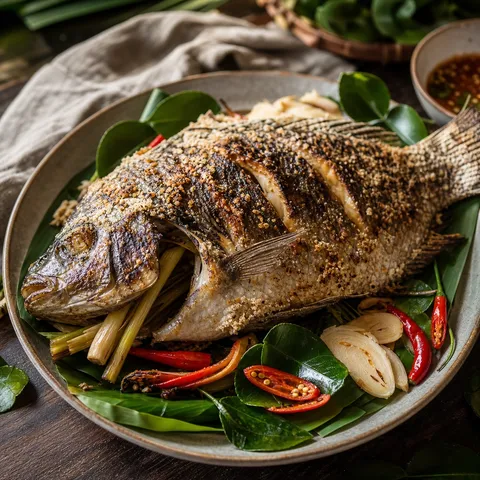 Thai Lens Verified Images are for illustrative purposes only, may be inaccurate, and do not guarantee the presence or absence of specific ingredients.
 Pla Pao
A whole salt-crusted fish stuffed with lemongrass and grilled until the skin is crackling and the flesh is silky.
 Thai Lens Verified Images are for illustrative purposes only, may be inaccurate, and do not guarantee the presence or absence of specific ingredients.
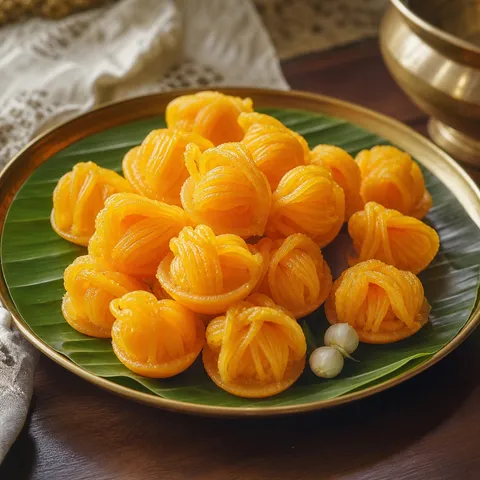
 Thong Yip
Petite golden flowers pressed from egg yolk and sugar, simmered in jasmine-scented syrup until set — a centuries-old Thai royal confection as beautiful as it is sweet.
 Thai Lens Verified Images are for illustrative purposes only, may be inaccurate, and do not guarantee the presence or absence of specific ingredients.
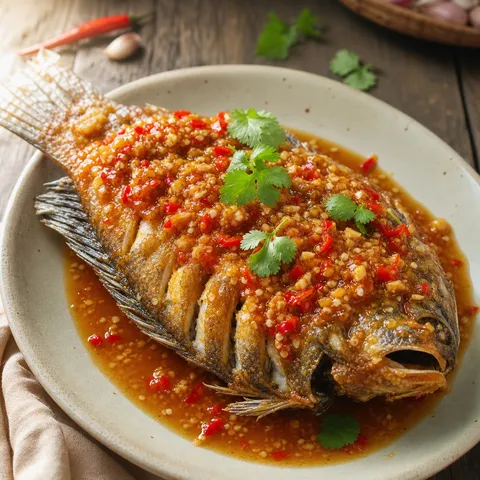
 Pla Rad Prik
Whole fish fried to a shatteringly crisp shell, then blanketed in a sticky, sweet-hot chili-tamarind sauce with garlic and basil — dramatic, punchy, and made for sharing.