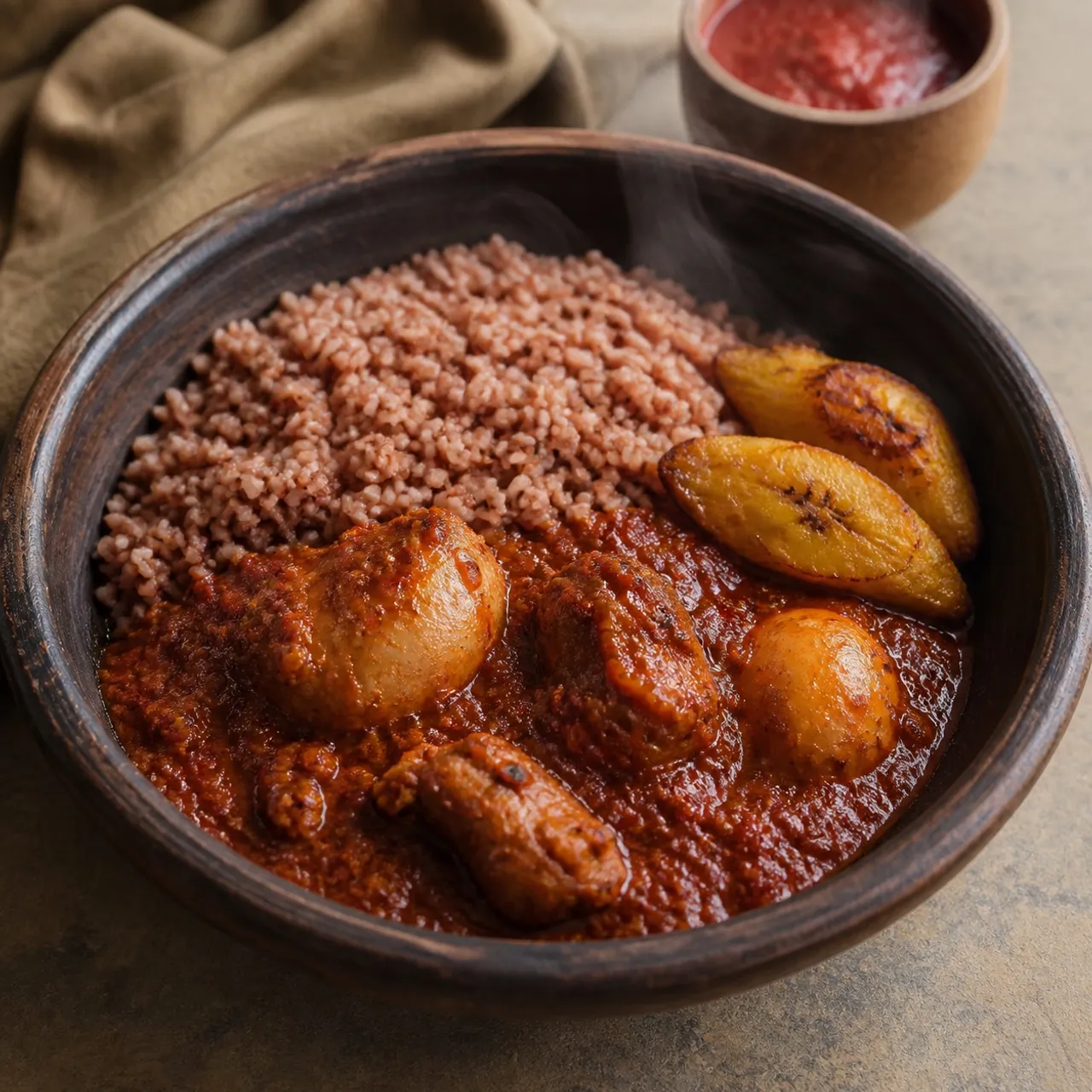
 West African Images are for illustrative purposes only, may be inaccurate, and do not guarantee the presence or absence of specific ingredients.
 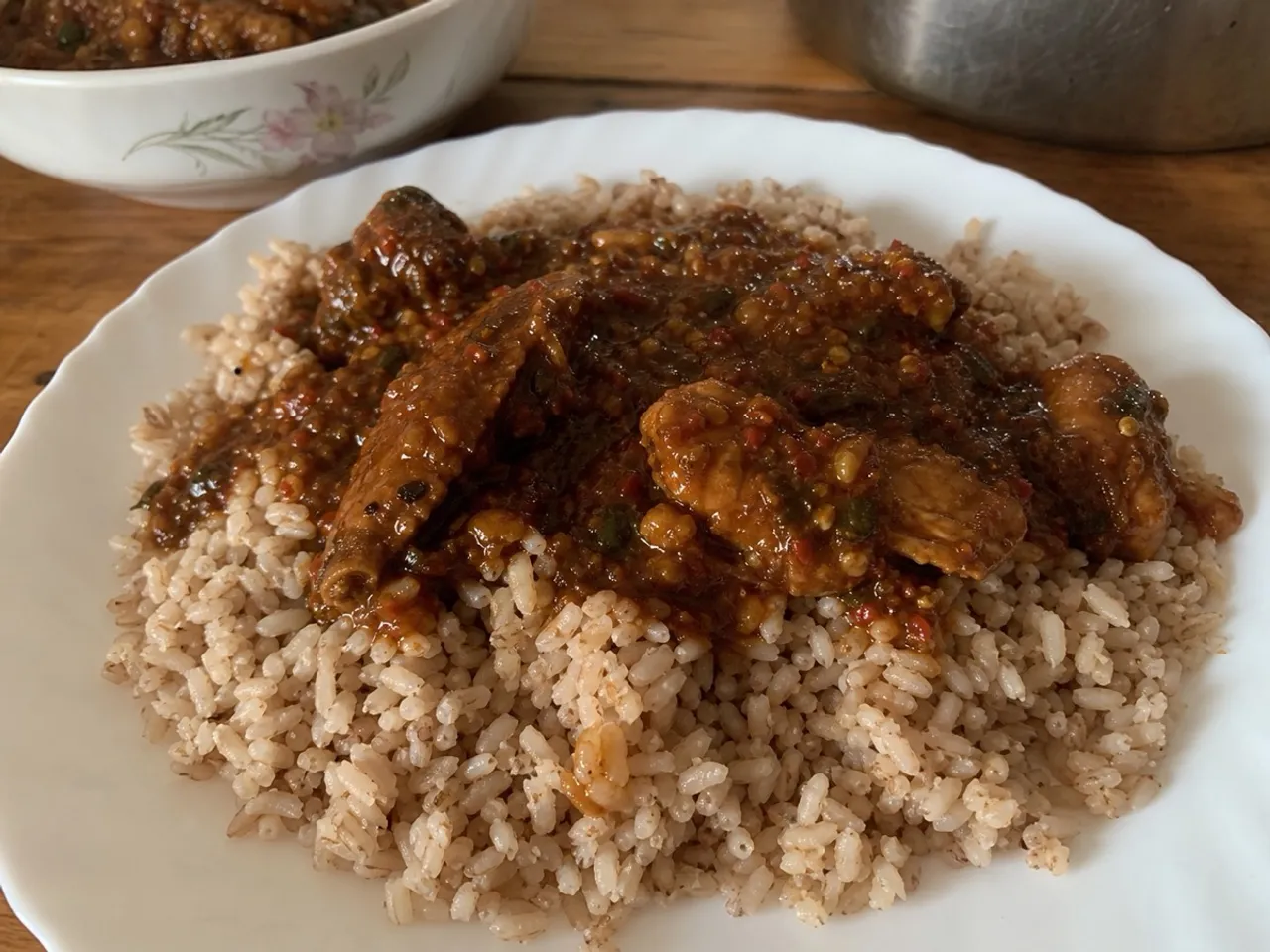 Serving Images are for illustrative purposes only, may be inaccurate, and do not guarantee the presence or absence of specific ingredients.
 Ofada Rice
Nigeria's short-grain, unpolished local rice with a distinctive nutty, slightly earthy aroma that makes it the ideal canvas for robust ayamase sauce.
No common allergens detected
Based on this recipe's ingredient list. Always verify with your own brands and labels.
Good to know
- One-pot
Matched from this dish's own ingredients and timing. Browse more: one-pot dinners
Instructions
8 steps- 1
Pick through the ofada rice carefully, removing any small stones or husks, since it is unpolished and often less cleaned than regular rice.
- 2
Rinse the rice in several changes of cold water, rubbing the grains between your fingers, until the water runs mostly clear.
- 3
Soak the rice in fresh water for 20 to 30 minutes to help it cook evenly and reduce its naturally strong aroma.
- 4
Drain the soaked rice and bring 2 cups of fresh water to a boil with the onion and bay leaf.
- 5
Add the rice, reduce the heat to low, cover, and simmer for 20 to 25 minutes, until the water is absorbed and the grains are tender but still slightly firm and nutty.
- 6
Check partway through and add the remaining water in small splashes if the pot looks dry before the rice is fully cooked.
- 7
Remove from the heat, discard the onion and bay leaf, season lightly with salt, and let the rice rest, covered, for 5 minutes before fluffing with a fork.
- 8
Serve warm, mounded alongside ayamase sauce.
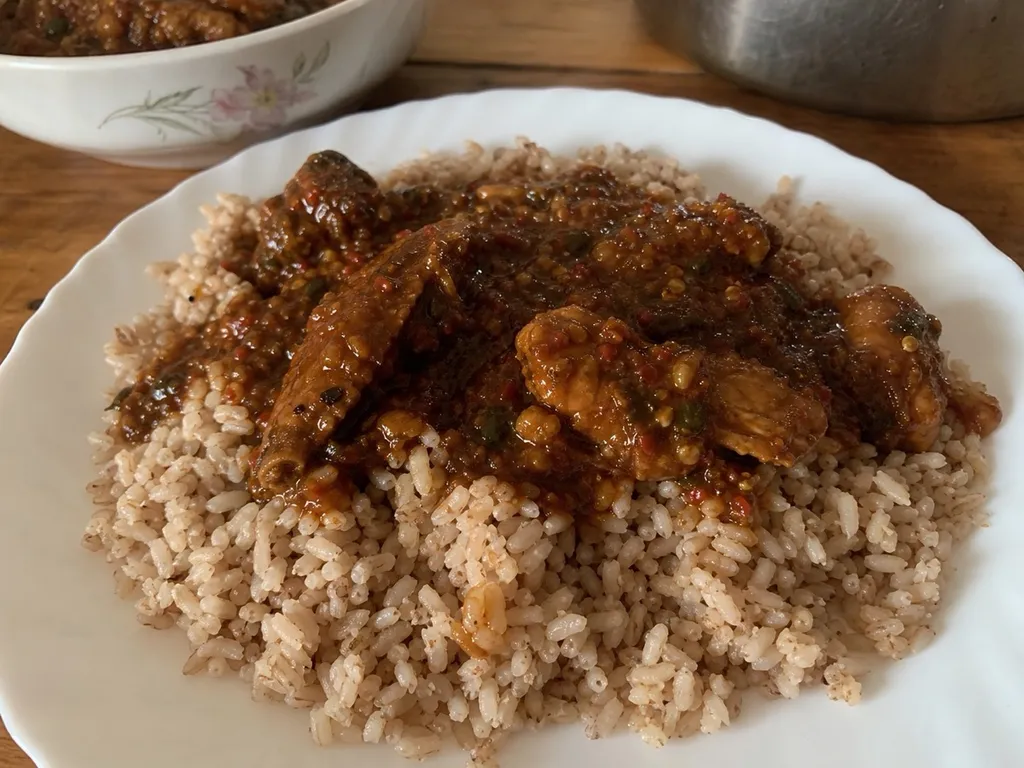 Images are for illustrative purposes only, may be inaccurate, and do not guarantee the presence or absence of specific ingredients.
 Listahan Family Score™
74/100
Good fit for most families
Score reflects how well this recipe fits a typical busy household. In the app, your Family Score is personalized to your household's allergens, kids, and pantry.
Nutrition
per serving340
Calories
6 g
Protein
74 g
Carbs
1 g
Fat
Estimated per serving. Actual values depend on the brands and portions you use.
Listahan cooking guide
Chef notes & practical guide
Technique notes, ingredient swaps, serve-alongside ideas, storage guidance, and equipment for this recipe.
Cultural context
Ofada rice is a short-grain, locally grown Nigerian rice named for the Ofada region in Ogun State, prized for its earthy aroma and slightly chewy bite that imported polished rice lacks. It is almost always served with ayamase, a fiery green pepper stew rich with palm oil and assorted meats, and traditionally wrapped and steamed in moimoi leaves that lend a grassy fragrance. The rice is a point of cultural pride, a heritage grain that carries the flavor of the land it grew in.
Listahan note
This version washes and steams the unpolished grains so they cook fluffy yet keep their signature chew. It is built to sit under a ladle of ayamase pepper sauce.
Technique cues
- Rinse the rice several times until the water runs clearer, since unpolished ofada carries chaff and starch that can make it gummy.
- Parboil and then steam the grains so they cook through evenly while keeping the distinct firm, earthy bite.
- Serve it slightly underseasoned, because ayamase is intensely flavored and the rice is meant to be the calm, nutty base.
Kitchen flow
- Parallel prep
- Start the ayamase pepper stew first since it takes longer, then cook the rice so both finish together.
- Make-ahead
- Cook the rice ahead and refrigerate; it reheats well with a splash of water and even fries up nicely the next day.
- Leftover move
- Turn leftover ofada rice into a quick fried rice, or simply reheat it under fresh ayamase.
- Cleanup rhythm
- Soak the rice pot right away to release any toasted grains stuck to the bottom, and rinse the steamer leaves out promptly.
Ingredient brief
Role, handling, and swap guidance for each key ingredient.
ofada rice
the dish itself
Purpose: This unpolished local short-grain rice provides the earthy aroma and chewy texture that define the meal.
Handling: Wash thoroughly multiple times, then parboil and steam.
Adaptation: Brown jasmine or any unpolished short-grain rice approximates the chew and aroma if ofada is unavailable.
water
cooking medium
Purpose: It hydrates and steams the grains to tenderness.
Handling: Use a generous amount to parboil, then a measured amount to finish steaming.
Adaptation: Light stock can add subtle savor, though plain water keeps the rice neutral for the stew.
salt
light seasoning
Purpose: A small amount seasons the base without competing with the heavily spiced ayamase.
Handling: Add a pinch to the cooking water, keeping it restrained.
Adaptation: Omit entirely if your pepper stew is very salty.
moimoi or banana leaves (optional)
aromatic wrapper
Purpose: Steaming the rice in leaves lends the traditional faint grassy fragrance.
Handling: Line the steamer or pot with washed leaves before adding the parboiled rice.
Adaptation: Skip the leaves entirely; the rice is still delicious, just without the leaf aroma.
Technique notes
- Do not over-rinse to the point of removing all character; a few rinses is enough to clear chaff while keeping the earthy aroma.
- Let the rice rest covered off the heat for a few minutes so the steam finishes the grains and they fluff cleanly.
- Fluff with a fork rather than a spoon to keep the grains separate rather than mashing them.
Ingredient swaps
- Substitute-grain direction
- Use brown short-grain or red rice if ofada is unavailable, adjusting cooking time for the firmer grain.
- Leaf-free direction
- Skip the moimoi leaves and steam in a plain pot; you lose the grassy aroma but gain simplicity.
- Lower-sodium direction
- Cook the rice in plain unsalted water and let the ayamase provide all the seasoning.
Serve alongside
- ayamase (designer pepper stew)
- fried sweet plantains
- boiled eggs and assorted meats
- chilled palm wine
- zobo hibiscus drink
- cold malt drink
Serving suggestions only — check pairings for your household's allergens.
Storage & reheating
- Refrigerate cooked ofada rice in an airtight container for up to four days. Reheat with a sprinkle of water to steam it back to fluffy, or fry it. Cooked rice freezes for up to two months; cool it quickly and store in portions to reheat from frozen.
Equipment
- heavy pot with a tight lid
- fine sieve for washing
- steamer basket or leaves
- fork for fluffing
Make this household-aware
Listahan Pro checks this recipe against your household's allergens, finds pantry-aware swaps, builds the shopping list, and helps you plan the week around it.
Plan it in Listahan
Add Ofada Rice to your week, check it against your household's allergens, and build the shopping list automatically.
More West African recipes
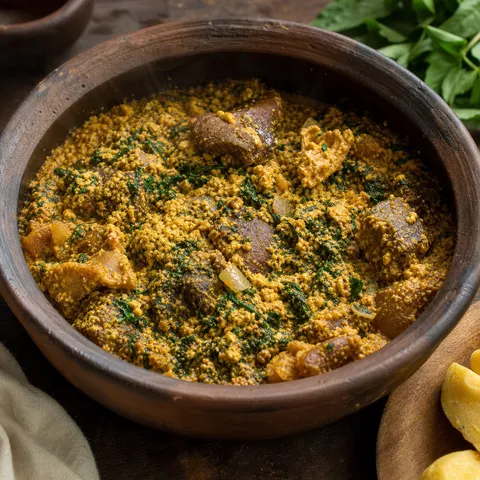 West African Lens Verified Images are for illustrative purposes only, may be inaccurate, and do not guarantee the presence or absence of specific ingredients.
 Egusi Soup
Ground melon seeds simmered with palm oil, leafy greens, and bold spices into a rich, nutty stew that's a cornerstone of Nigerian home cooking.
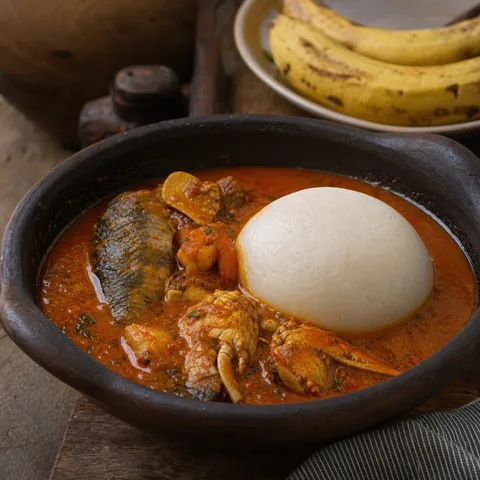 West African Lens Verified Images are for illustrative purposes only, may be inaccurate, and do not guarantee the presence or absence of specific ingredients.
 Banku
A smooth, slightly tangy Ghanaian dough of fermented corn and cassava, cooked to a stretchy consistency — the perfect partner for okra stew or grilled tilapia.
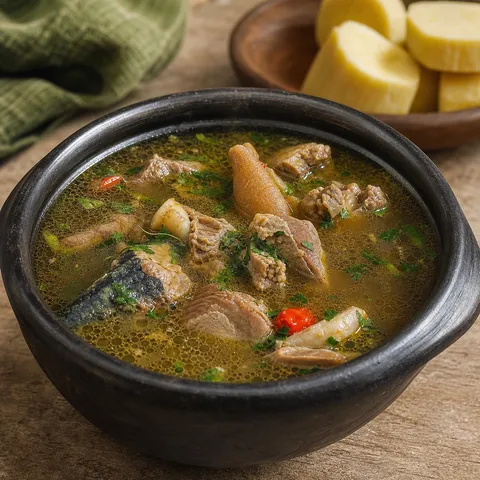 West African Lens Verified Images are for illustrative purposes only, may be inaccurate, and do not guarantee the presence or absence of specific ingredients.
 Pepper Soup
A piercingly spiced, crystal-clear broth simmered with goat meat or catfish and a blend of earthy Nigerian spices — warming, restorative, and intensely aromatic.