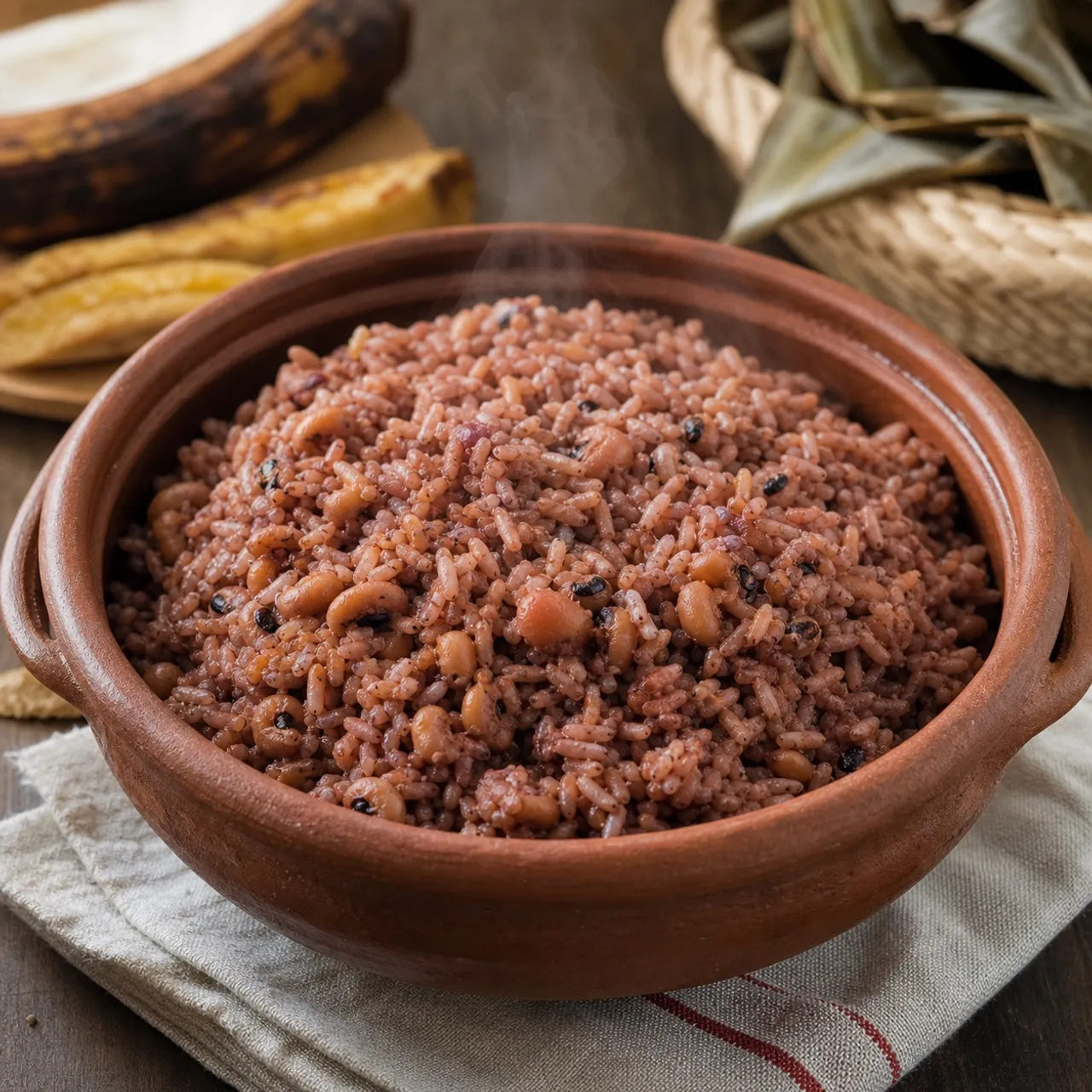
 West African Images are for illustrative purposes only, may be inaccurate, and do not guarantee the presence or absence of specific ingredients.
 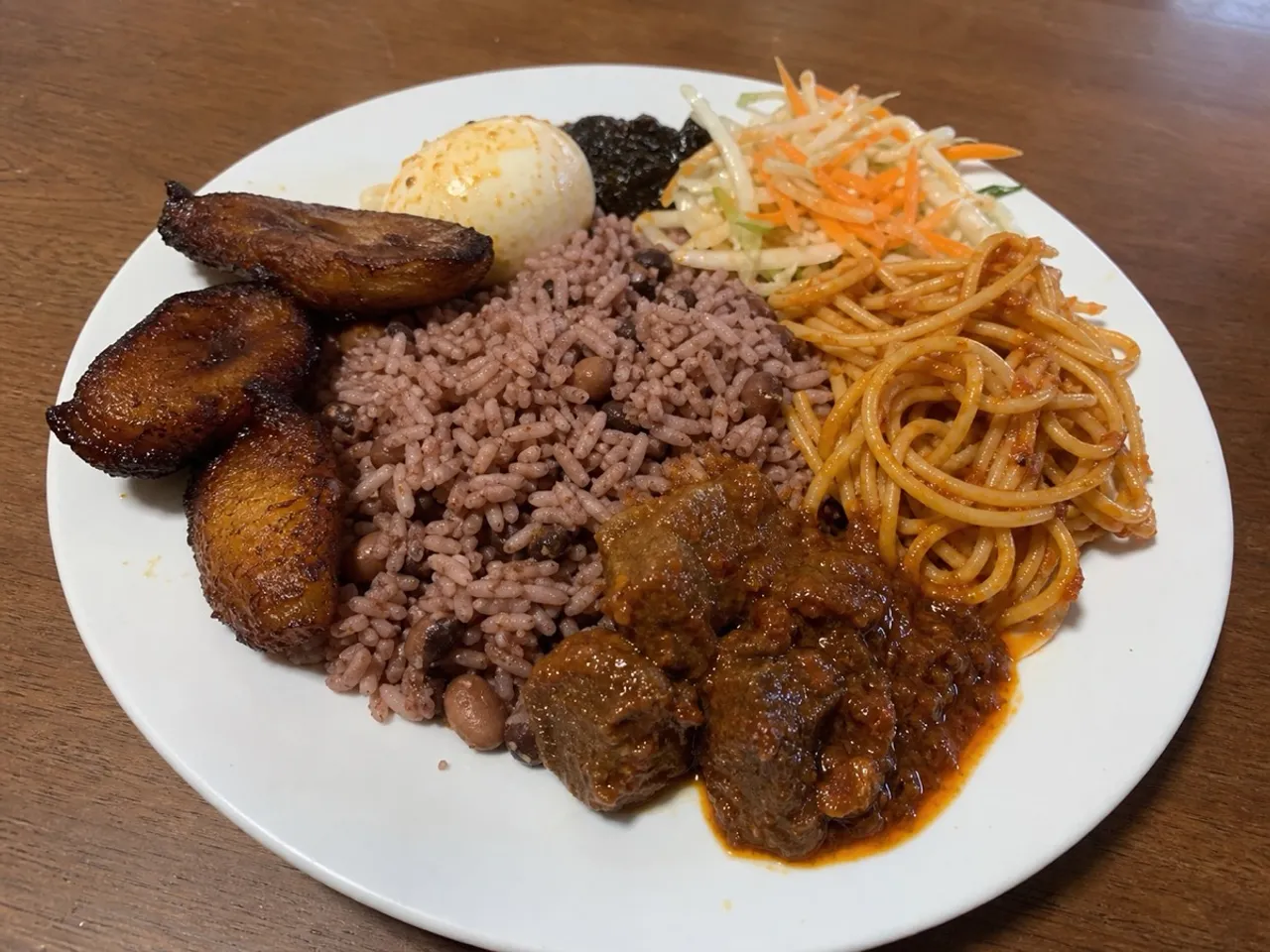 Serving Images are for illustrative purposes only, may be inaccurate, and do not guarantee the presence or absence of specific ingredients.
 Waakye
Rice and beans cooked together with dried millet stalks until tender and faintly earthy, served with a rainbow of Ghanaian toppings and a fiery pepper sauce.
No common allergens detected
Based on this recipe's ingredient list. Always verify with your own brands and labels.
Good to know
- One-pot
Matched from this dish's own ingredients and timing. Browse more: one-pot dinners
Instructions
5 steps- 1
Extract the Color: Rinse the dried millet leaves. Boil them in a large pot of water with the baking soda until the water turns a deep, rich burgundy color.
- 2
Cook the Beans: Remove and discard the leaves. Add the washed beans to the colored boiling water. Cook for 30-40 minutes until the beans are tender but not mushy.
- 3
Add the Rice: Rinse the rice thoroughly and stir it into the pot with the cooked beans. Ensure the water level is about an inch above the rice/bean mixture; add hot water if necessary.
- 4
Season and Simmer: Add salt to taste. Bring to a rapid boil, then reduce the heat to the lowest setting.
- 5
Steam: Cover tightly and steam for 20 minutes until all the liquid is absorbed and the rice is fluffy. Serve with Shito (black pepper sauce) and fried plantains.
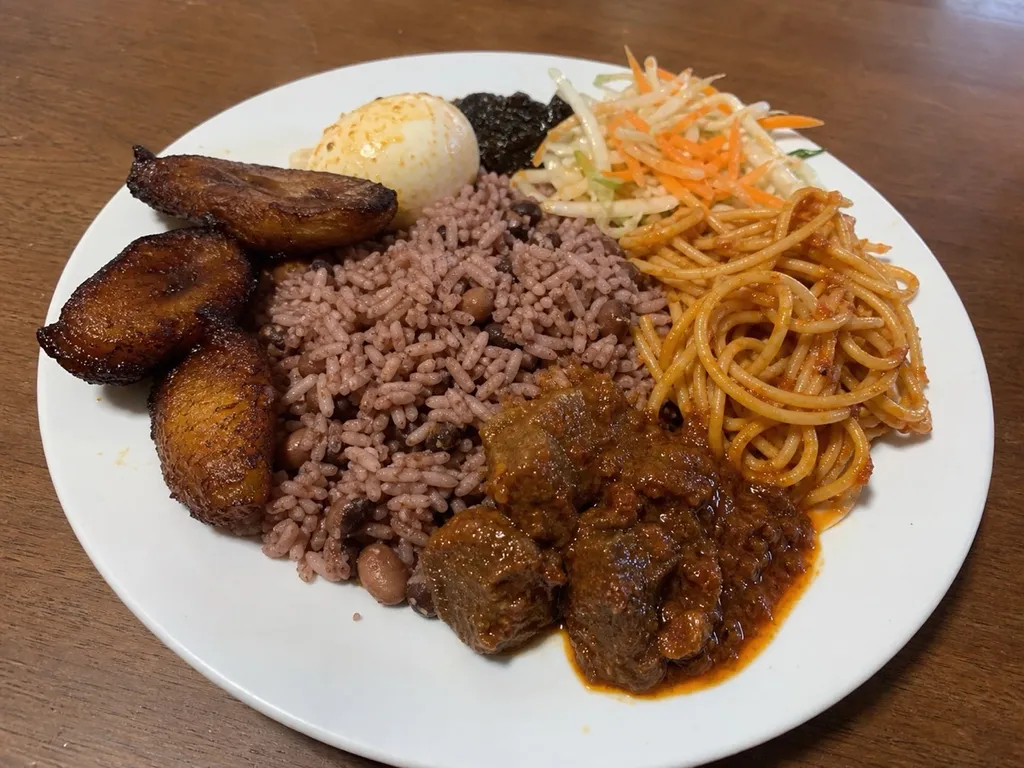 Images are for illustrative purposes only, may be inaccurate, and do not guarantee the presence or absence of specific ingredients.
 Listahan Family Score™
74/100
Good fit for most families
Score reflects how well this recipe fits a typical busy household. In the app, your Family Score is personalized to your household's allergens, kids, and pantry.
Nutrition
per serving435
Calories
13 g
Protein
92 g
Carbs
1 g
Fat
Estimated per serving. Actual values depend on the brands and portions you use.
Listahan cooking guide
Chef notes & practical guide
Technique notes, ingredient swaps, serve-alongside ideas, storage guidance, and equipment for this recipe.
Cultural context
Waakye is a Ghanaian dish of rice and beans cooked together with dried sorghum or millet leaves, which dye the pot a distinctive reddish-brown. It originated in northern Ghana and became a beloved street breakfast and lunch sold from large basins, layered with sides like spaghetti, fried fish, boiled egg, and the spicy black pepper sauce called shito. The leaves are the signature trick, lending both color and a subtle earthy note that plain rice and beans lack.
Listahan note
This version cooks the rice and beans together with the traditional waakye leaves (or a baking-soda substitute) for the right color, and treats the spread of sides as part of the dish rather than afterthoughts.
Technique cues
- Cook the beans until nearly tender before adding the rice so both finish soft at the same time without the rice turning to paste.
- Use the waakye leaves or a small pinch of baking soda to draw out the signature red color, but keep the soda minimal or it turns the beans mushy.
- Let the pot steam undisturbed at the end so the rice and beans set and the colors deepen evenly.
Kitchen flow
- Parallel prep
- Boil the eggs, fry the fish or plantain, and cook the spaghetti while the rice and beans simmer, so the full spread lands together.
- Make-ahead
- Cook the beans ahead and refrigerate; on serving day add rice and leaves to finish the pot quickly.
- Leftover move
- Reheat leftover waakye and top with a fresh fried egg and shito for a fast, complete next-day plate.
- Cleanup rhythm
- Rinse the pot promptly, since the colored starch from rice and beans sets onto the base as it cools.
Ingredient brief
Role, handling, and swap guidance for each key ingredient.
rice
the base grain
Purpose: Rice gives waakye its bulk and absorbs the color and earthy flavor from the leaves.
Handling: Rinse and add to the beans once they are nearly cooked.
Adaptation: Long-grain or parboiled rice both work; parboiled holds its shape best.
black-eyed peas or cowpeas
the protein half
Purpose: Beans are cooked right in with the rice and provide the protein and creamy contrast.
Handling: Soak and boil until nearly tender before the rice goes in.
Adaptation: Red cowpeas or pinto beans if black-eyed peas are unavailable.
dried waakye (sorghum) leaves
color and earthy aroma
Purpose: The leaves are the defining element, dyeing the pot reddish-brown and adding a faint earthy note.
Handling: Rinse and add to the cooking water, removing them once the color develops.
Adaptation: A small pinch of baking soda mimics the color, or red sorghum leaf powder where sold.
shito (black pepper sauce)
spicy condiment
Purpose: The dark, spicy shito is the traditional partner that brings heat and deep umami to the mild rice and beans.
Handling: Serve a spoonful on the side; it is made from dried fish, shrimp, peppers, and oil.
Adaptation: Any spicy chili-garlic oil sauce, or a shellfish-free chili paste for allergen safety.
garri or gari (optional topping)
textural topping
Purpose: A sprinkle of toasted cassava granules adds the traditional crunch and slight tang on top of waakye.
Handling: Sprinkle over just before eating so it stays crisp.
Adaptation: Toasted breadcrumbs or skip for a smoother plate.
Technique notes
- Add salt to the beans only once they are tender, since salting early can keep them from softening.
- Keep the heat low once the rice is in so it steams rather than boils dry and scorches.
- Build each plate in the Ghanaian street style with a scoop of waakye and a small selection of sides for the full experience.
Ingredient swaps
- Shellfish-free direction
- Skip shito made with dried shrimp and serve a plain chili-garlic oil so shellfish-sensitive eaters can enjoy the plate.
- Vegetarian direction
- Round out the sides with fried plantain, boiled egg, and a vegetable stew instead of fish for a meat-free meal.
- Weeknight shortcut
- Use canned beans and a pinch of baking soda for color to put waakye together in well under an hour.
Serve alongside
- fried tilapia or fish
- boiled eggs
- spaghetti or talia
- fried sweet plantains
- hibiscus tea (sobolo)
- ginger beer
- cold malt drink
Serving suggestions only — check pairings for your household's allergens.
Storage & reheating
- Refrigerate waakye in a sealed container for up to four days. Reheat in the microwave or a covered pan with a splash of water to loosen the grains. It freezes for up to two months; thaw overnight before reheating, keeping the fresh sides separate.
Equipment
- heavy pot with a lid
- fine-mesh strainer for rinsing rice
- small pan for sides
- fork for fluffing
Make this household-aware
Listahan Pro checks this recipe against your household's allergens, finds pantry-aware swaps, builds the shopping list, and helps you plan the week around it.
Plan it in Listahan
Add Waakye to your week, check it against your household's allergens, and build the shopping list automatically.
More West African recipes
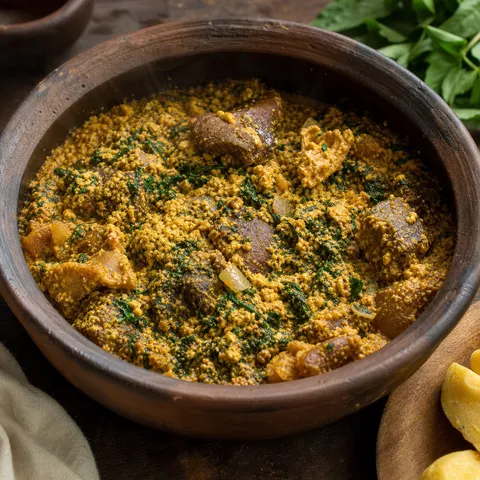 West African Lens Verified Images are for illustrative purposes only, may be inaccurate, and do not guarantee the presence or absence of specific ingredients.
 Egusi Soup
Ground melon seeds simmered with palm oil, leafy greens, and bold spices into a rich, nutty stew that's a cornerstone of Nigerian home cooking.
 West African Lens Verified Images are for illustrative purposes only, may be inaccurate, and do not guarantee the presence or absence of specific ingredients.
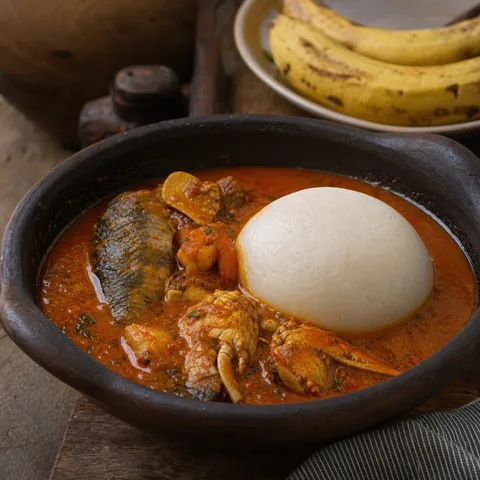
 Banku
A smooth, slightly tangy Ghanaian dough of fermented corn and cassava, cooked to a stretchy consistency — the perfect partner for okra stew or grilled tilapia.
 West African Lens Verified Images are for illustrative purposes only, may be inaccurate, and do not guarantee the presence or absence of specific ingredients.
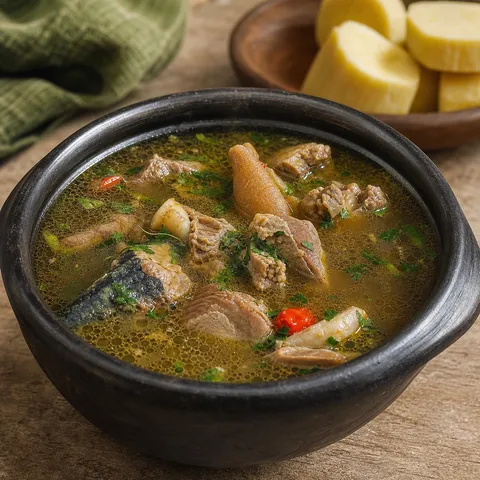
 Pepper Soup
A piercingly spiced, crystal-clear broth simmered with goat meat or catfish and a blend of earthy Nigerian spices — warming, restorative, and intensely aromatic.