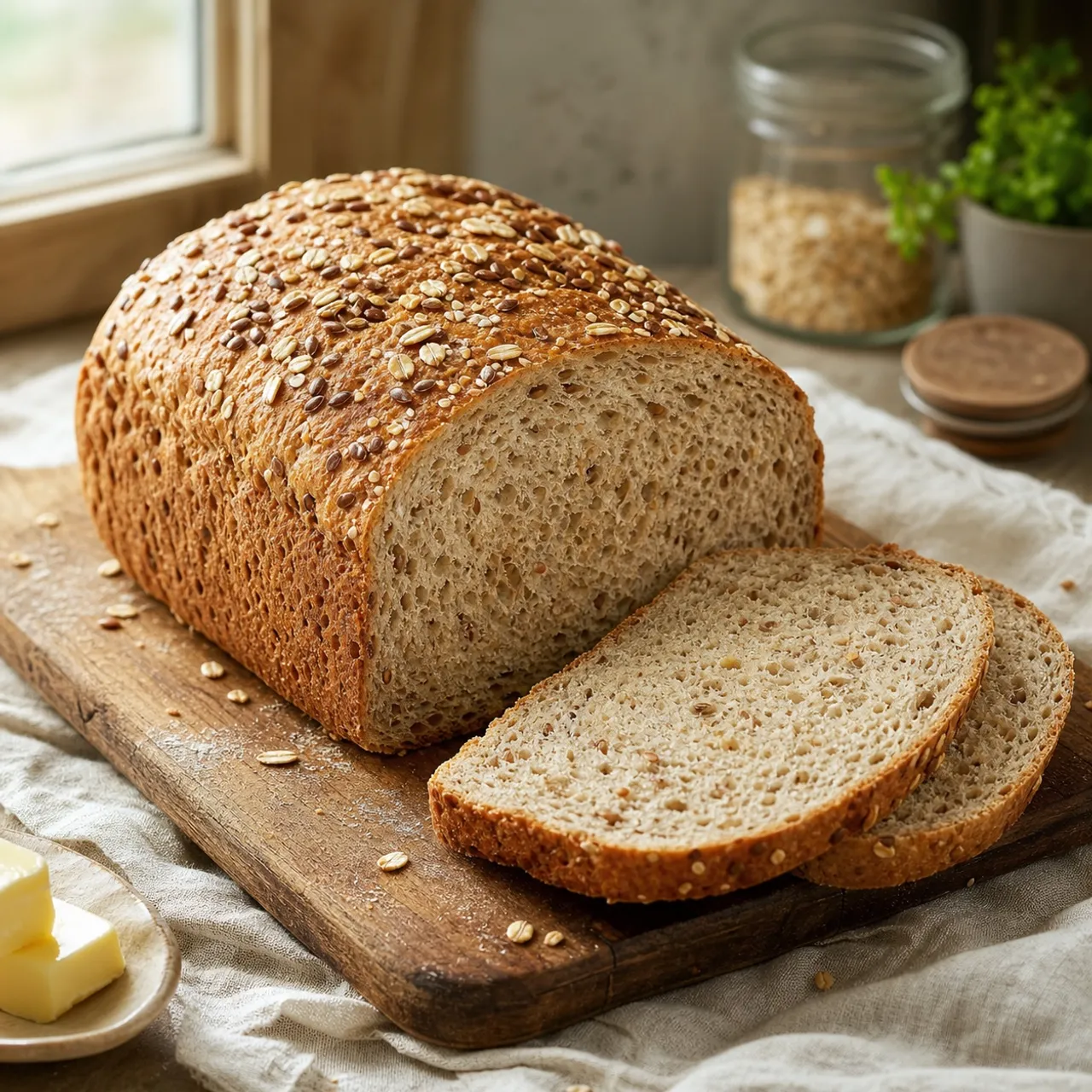
 Breads Images are for illustrative purposes only, may be inaccurate, and do not guarantee the presence or absence of specific ingredients.
 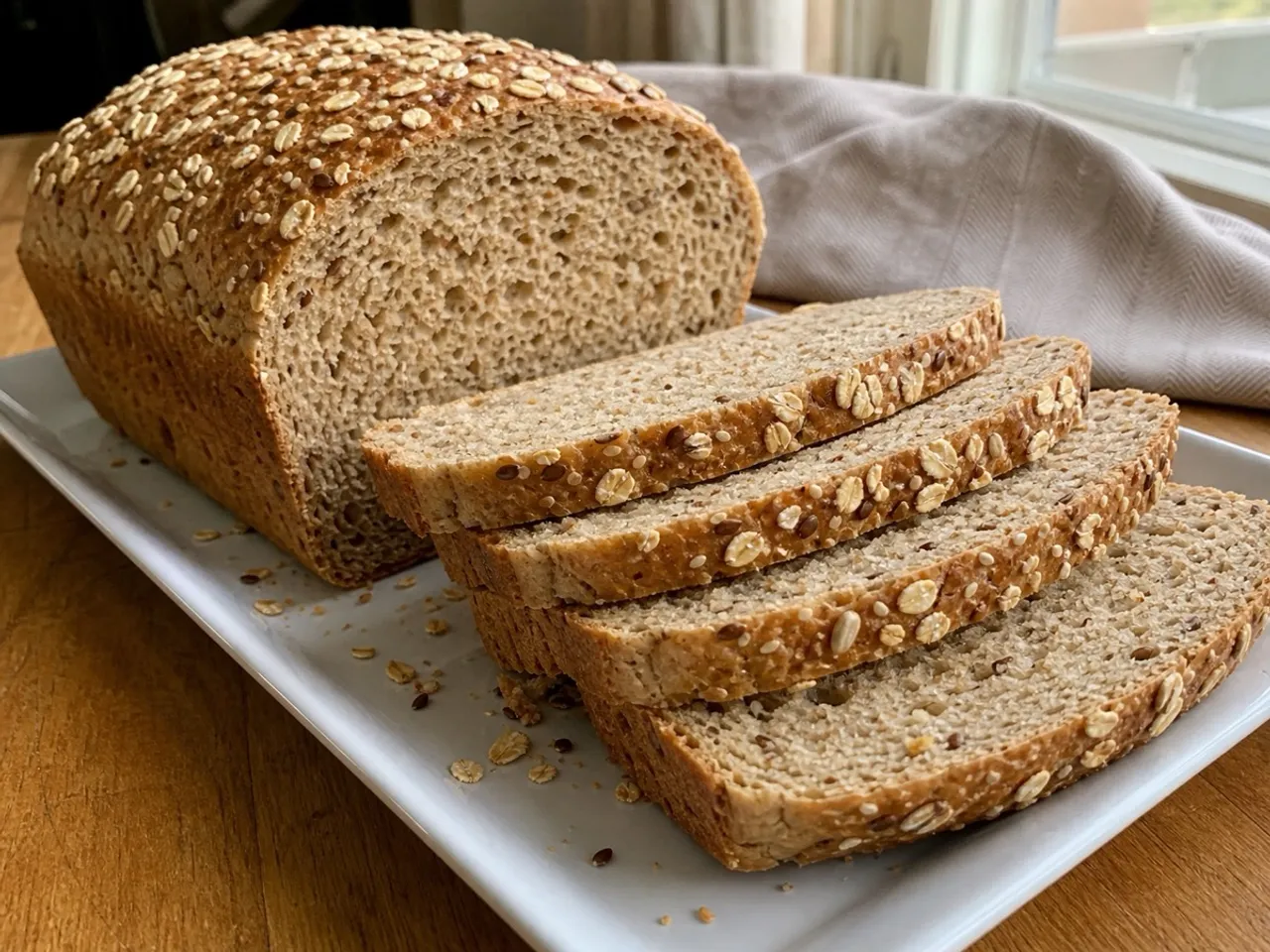 Serving Images are for illustrative purposes only, may be inaccurate, and do not guarantee the presence or absence of specific ingredients.
 Multigrain Sandwich Bread
A hearty, wholesome sandwich loaf packed with oats, seeds, and whole wheat flour for a soft, nutty crumb.
Contains common allergens
In the app, Listahan checks these against your household automatically.
Instructions
8 steps- 1
Whisk warm water, yeast, and honey; let stand 5 minutes until foamy.
- 2
Add bread flour, whole wheat flour, oats, salt, butter, and seeds; knead 10 minutes until smooth and elastic.
- 3
Cover and rise 1-1.5 hours until doubled.
- 4
Shape dough into a loaf and place in a greased 9x5-inch loaf pan.
- 5
Mist top with water and sprinkle with extra oats; cover and proof 45-60 minutes until it crests the pan.
- 6
Preheat oven to 375°F (190°C).
- 7
Bake 35-40 minutes until golden brown and internal temperature reaches 195°F (90°C).
- 8
Cool in the pan 10 minutes, then turn out onto a rack to cool completely before slicing.
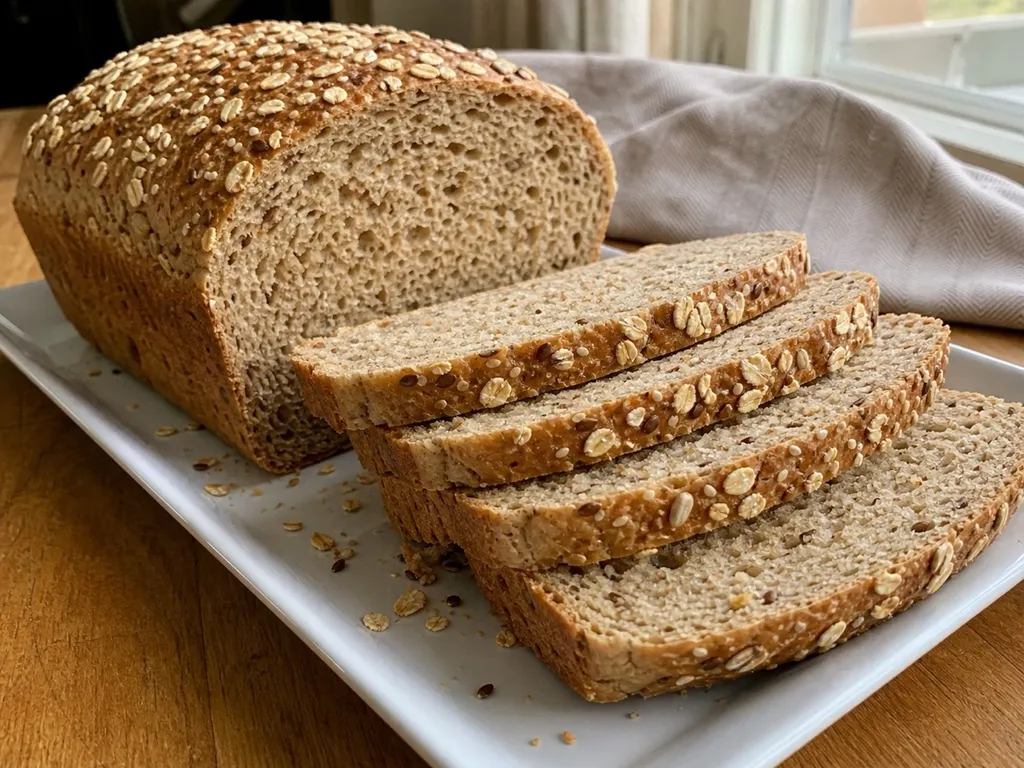 Images are for illustrative purposes only, may be inaccurate, and do not guarantee the presence or absence of specific ingredients.
 Listahan Family Score™
74/100
Good fit for most families
Score reflects how well this recipe fits a typical busy household. In the app, your Family Score is personalized to your household's allergens, kids, and pantry.
Nutrition
per serving155
Calories
4 g
Protein
29 g
Carbs
2 g
Fat
Estimated per serving. Actual values depend on the brands and portions you use.
Listahan cooking guide
Chef notes & practical guide
Technique notes, ingredient swaps, serve-alongside ideas, storage guidance, and equipment for this recipe.
Cultural context
Multigrain sandwich bread sits in the North American home-baking line between soft pan bread and the heartier whole-grain loaves that became common in grocery bakeries in the late 20th century. It keeps the square, sliceable shape people want for toast and sandwiches, but adds oats, seeds, and whole wheat for a nuttier crumb and a more substantial bite.
Listahan note
This version aims for a loaf that still behaves like sandwich bread: soft enough to slice cleanly, sturdy enough for fillings, and flavorful without turning dense. The mix of bread flour and whole wheat flour gives structure first, then the oats and seeds add texture.
Technique cues
- Knead until the dough feels elastic, not just mixed. Whole wheat flour, oats, and seeds interrupt gluten development, so the full kneading time matters here.
- Let the shaped loaf proof until it crests the pan before baking. If it goes in too early, the crumb will be tight and the top may split hard in the oven.
- Cool the loaf completely before slicing. Warm multigrain bread smells ready before it is ready, and cutting too soon can make the crumb gummy.
Kitchen flow
- Parallel prep
- Soften the butter, grease the loaf pan, and clear a cooling rack while the dough has its first rise.
- Make-ahead
- Bake the loaf earlier in the day and let it cool fully before slicing; the crumb firms up as it rests.
- Leftover move
- Use thick slices for grilled cheese, breakfast toast, or sturdy crumbs for topping a baked pasta.
- Cleanup rhythm
- Scrape dough from the bowl and counter before it dries, then wash the pan after the loaf is turned out.
Ingredient brief
Role, handling, and swap guidance for each key ingredient.
Bread flour
Structure builder
Purpose: Its higher protein helps the loaf rise well even with oats, seeds, and whole wheat in the dough.
Handling: Measure by weight and add it with the whole wheat flour so the dough hydrates evenly.
Adaptation: All-purpose flour can work, but the loaf will usually be softer and a little less tall.
Whole wheat flour
Nutty grain base
Purpose: It brings the deeper wheat flavor that makes this taste like multigrain bread rather than plain white bread with toppings.
Handling: Give the dough enough kneading and rising time because whole wheat absorbs water more slowly than bread flour.
Adaptation: White whole wheat flour gives a milder flavor and lighter color while keeping the same basic method.
Rolled oats
Tender texture and topping
Purpose: Oats soften into the crumb and make the loaf feel hearty without making it coarse.
Handling: Use rolled oats in the dough and press the topping oats onto a lightly misted surface so they stick.
Adaptation: Quick oats blend in more and make a smoother crumb; steel-cut oats are too hard for this timing.
Instant yeast
Leavening
Purpose: It gives the dough steady lift through two rises and fits the longer schedule of a pan loaf.
Handling: Whisk it with warm water and honey as written, then look for light foam before adding the dry ingredients.
Adaptation: Active dry yeast can be used in the same amount, but give it a full 10 minutes to dissolve and foam.
Honey
Gentle sweetness
Purpose: It rounds out the wheat flavor and helps the crust brown without making the bread taste sugary.
Handling: Dissolve it in the warm water so it spreads evenly through the dough.
Adaptation: Maple syrup gives a darker, woodsy note; sugar is simpler and less aromatic.
Mixed seeds (sunflower, flax, sesame)
Crunch and flavor accents
Purpose: The seeds add small bursts of nuttiness and make each slice feel more substantial.
Handling: Add them after the flours so they distribute through the dough instead of clumping.
Adaptation: Use only sunflower seeds for a milder loaf, or toast the seeds lightly first for a stronger nutty flavor.
Technique notes
- The dough should be tacky but not soupy after kneading. Add flour only a spoonful at a time, because extra flour is the fastest way to make this loaf heavy.
- Mist the top lightly before adding oats; a wet surface holds the topping better than pressing oats onto dry dough.
- Use the internal temperature as a doneness check, then still trust the cooling time. A fully baked loaf can still compress if sliced hot.
Ingredient swaps
- Butter swap
- Use a neutral oil or olive oil in place of softened butter; the crumb will be a little less creamy and slightly more open.
- Seed adjustment
- Replace the mixed seeds with pumpkin seeds or extra sunflower seeds for a larger crunch and a simpler flavor.
- Sweeter toast loaf
- Increase the honey slightly and use maple syrup for a breakfast-leaning loaf that browns a bit deeper.
- Softer sandwich path
- Use white whole wheat flour and quick oats for a milder loaf with a finer crumb.
Serve alongside
- Tomato bisque
- Chicken noodle soup
- White bean and kale soup
- Tuna salad with celery and dill
- Hot coffee
- English breakfast tea
- Cold apple cider
Serving suggestions only — check pairings for your household's allergens.
Storage & reheating
- Refrigerate sliced bread in a sealed bag or container if your kitchen is warm or humid, knowing the crumb may firm up.
- Reheat slices in a toaster or warm skillet until the edges are lightly crisp and the center softens.
- Freeze sliced bread with parchment between groups of slices, then toast straight from frozen or thaw at room temperature.
Equipment
- 9x5-inch loaf pan
- Large mixing bowl
- Bench scraper
- Instant-read thermometer
Make this household-aware
Listahan Pro checks this recipe against your household's allergens, finds pantry-aware swaps, builds the shopping list, and helps you plan the week around it.
Plan it in Listahan
Add Multigrain Sandwich Bread to your week, check it against your household's allergens, and build the shopping list automatically.
More Breads recipes
Rice Crust for Quiches or Pies
A simple pressed crust made from cooked rice that holds savory quiche and pie fillings beautifully.
 Breads Lens Verified Images are for illustrative purposes only, may be inaccurate, and do not guarantee the presence or absence of specific ingredients.
 Kentucky Biscuits
Tall, flaky Southern-style biscuits with a tender crumb, perfect with butter and jam.
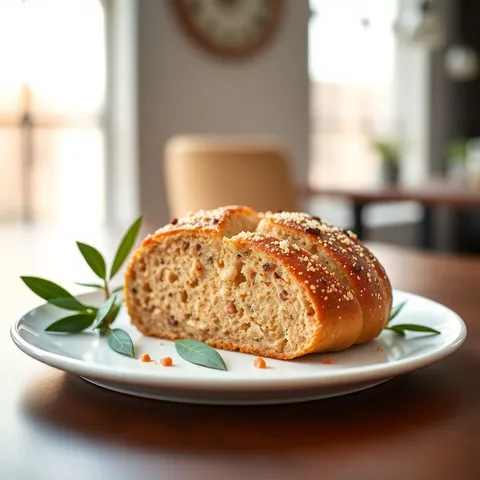 Breads Lens Verified Images are for illustrative purposes only, may be inaccurate, and do not guarantee the presence or absence of specific ingredients.
 Bread Machine Sage-Wheat Bread
A fragrant whole-wheat loaf scented with sage and a hint of cornmeal, made effortlessly in a bread machine.