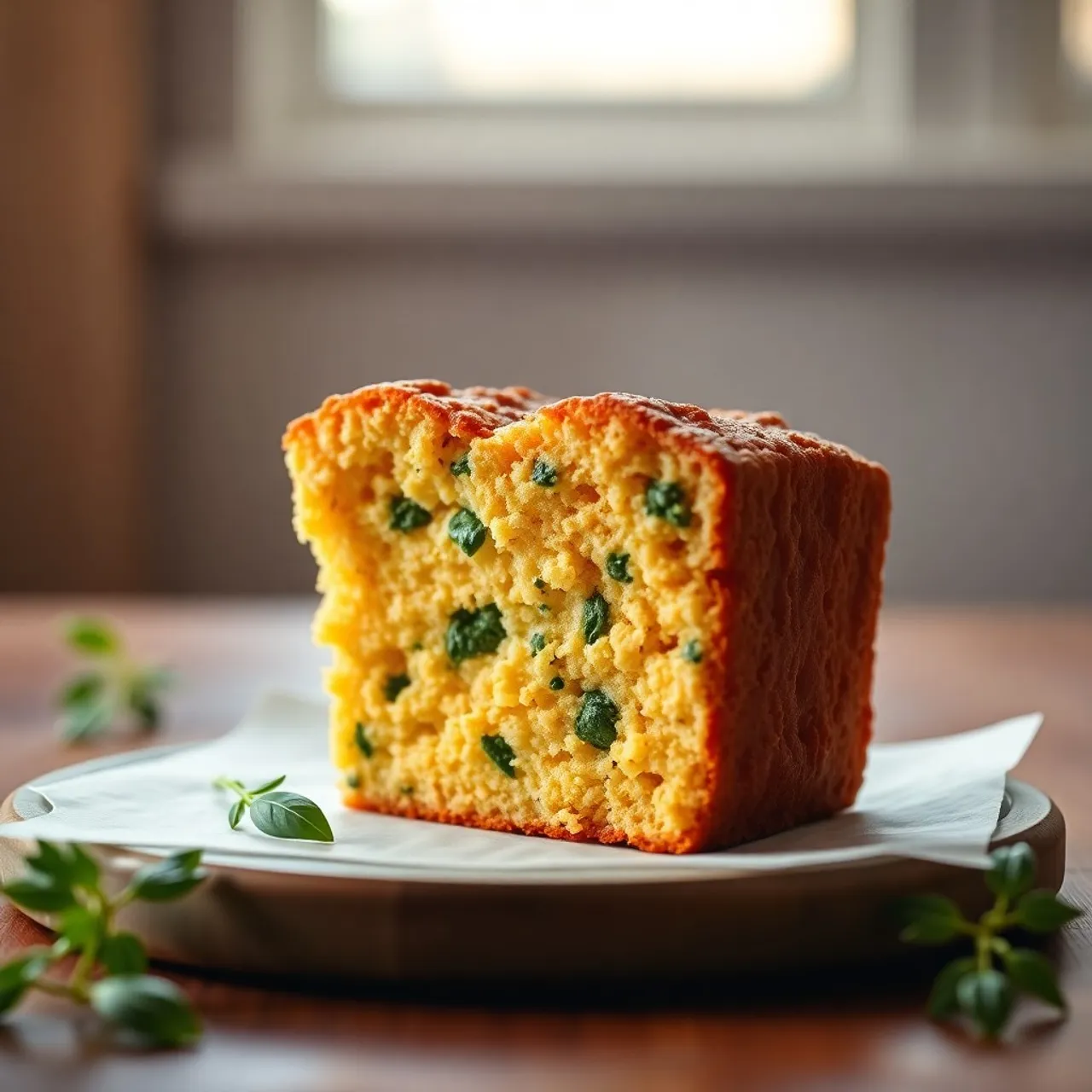
 Cajun & Creole Images are for illustrative purposes only, may be inaccurate, and do not guarantee the presence or absence of specific ingredients.
 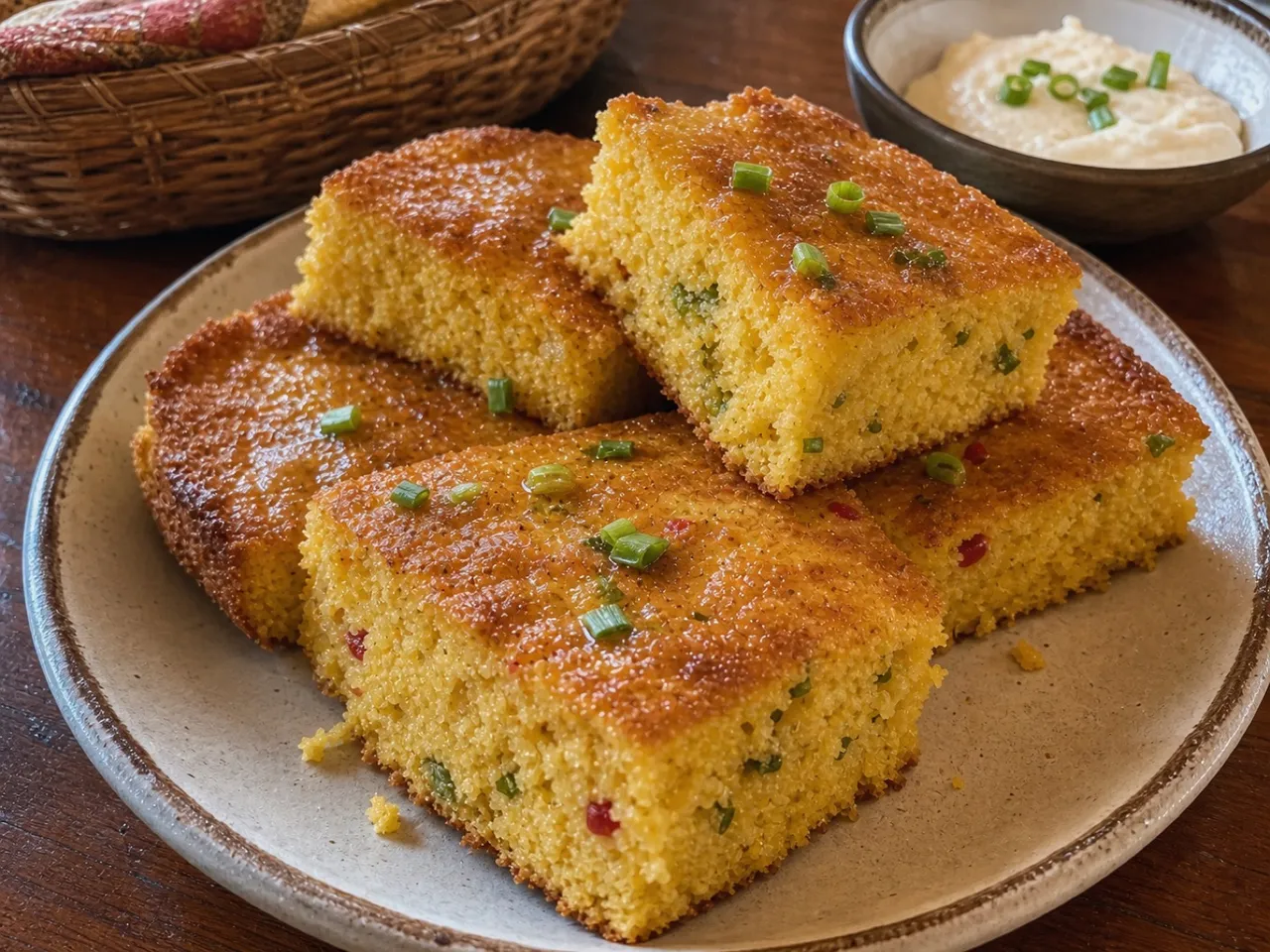 Serving Images are for illustrative purposes only, may be inaccurate, and do not guarantee the presence or absence of specific ingredients.
 Cajun Cornbread
Dense, golden cornbread studded with jalapeños, cheddar, and Cajun seasoning — crispy-edged from the cast iron and just spicy enough to keep you reaching back.
Contains common allergens
In the app, Listahan checks these against your household automatically.
Good to know
- Crispy
Matched from this dish's own ingredients and timing. Browse more: crispy recipes
Instructions
6 steps- 1
Heat the oven to 400 F (200 C) and grease a cast-iron skillet or baking pan.
- 2
Whisk together the cornmeal, flour, baking powder, salt, and Cajun seasoning in a large bowl.
- 3
In a separate bowl, whisk the eggs, buttermilk, and melted butter together.
- 4
Pour the wet ingredients into the dry and stir just until combined; fold in the jalapeno if using.
- 5
Pour the batter into the prepared skillet and bake until golden and a toothpick comes out clean, 20 to 25 minutes.
- 6
Let cool slightly before slicing and serving.
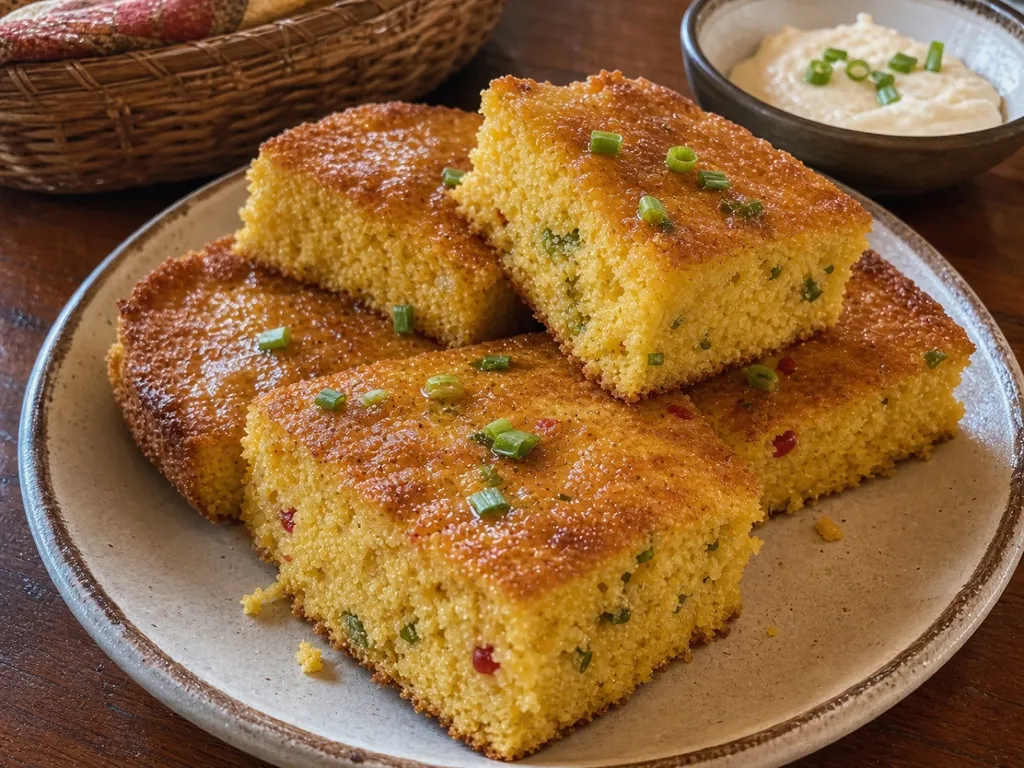 Images are for illustrative purposes only, may be inaccurate, and do not guarantee the presence or absence of specific ingredients.
 Listahan Family Score™
68/100
Works for many families
Score reflects how well this recipe fits a typical busy household. In the app, your Family Score is personalized to your household's allergens, kids, and pantry.
Nutrition
per serving255
Calories
12 g
Protein
28 g
Carbs
11 g
Fat
Estimated per serving. Actual values depend on the brands and portions you use.
Listahan cooking guide
Chef notes & practical guide
Technique notes, ingredient swaps, serve-alongside ideas, storage guidance, and equipment for this recipe.
Cultural context
Cornbread has been a staple of Southern cooking since Indigenous peoples introduced corn cultivation to European settlers, and Louisiana cooks quickly made it their own by weaving in the heat and aromatics central to Cajun cooking. Unlike the sweeter, cake-like versions common elsewhere in the South, Cajun cornbread tends to be savory, bold, and often cooked in a cast-iron skillet that gives it a crackling crust on the outside. Jalapeños, andouille, cheddar, and the holy trinity of onion, celery, and bell pepper all find their way into regional variations, making it as much a flavor statement as a side dish.
Listahan note
This version leans into savory depth — jalapeños for heat, a full measure of Cajun seasoning, and a skillet bake for that signature crispy bottom.
Technique cues
- Preheat the cast-iron skillet in the oven while you mix the batter — pouring cold batter into a hot, greased skillet creates an immediate sizzle that sets a crispy crust before the interior cooks through.
- Don't overmix once the wet and dry ingredients meet: a few lumps in cornbread batter are normal and preferable, because overworking develops gluten and makes the crumb tight and chewy rather than tender.
- Let the jalapeños and aromatics cool slightly before folding them into the batter so they don't begin cooking the eggs prematurely, which can create an uneven texture.
Kitchen flow
- Parallel prep
- While the skillet preheats in the oven, sauté the jalapeños and any aromatics on the stovetop and mix the dry ingredients in one bowl and wet in another, so everything is ready to combine the moment the skillet is hot.
- Make-ahead
- Bake the cornbread up to a day ahead, cool completely, wrap tightly, and reheat individual slices in a 350°F oven for 8-10 minutes or briefly in a dry skillet over medium heat to revive the crust.
- Leftover move
- Day-old Cajun cornbread cubes make excellent croutons for a gumbo-style soup or a stuffing base for roast chicken — toast them in a skillet with butter and a pinch of Cajun seasoning.
- Cleanup rhythm
- Season and wipe the cast-iron skillet while it is still warm; avoid soaking it, and dry thoroughly on the burner over low heat before storing to protect the seasoning.
Ingredient brief
Role, handling, and swap guidance for each key ingredient.
yellow cornmeal
primary structure
Purpose: Medium-grind yellow cornmeal gives the bread its characteristic crumbly bite and toasty corn flavor that holds up to bold Cajun seasonings.
Handling: Measure and whisk with the dry ingredients before adding wet components.
Adaptation: White cornmeal works but produces a milder flavor; avoid fine grind, which makes the bread too dense.
buttermilk
tenderizer and leavening activator
Purpose: Buttermilk's acidity reacts with baking soda to produce lift, while its fat and tang give the crumb a moist, slightly sour richness that balances the spice.
Handling: Use at room temperature so the batter combines evenly and rises properly.
Adaptation: Stir 1 tablespoon of white vinegar into 1 cup of whole milk and let it sit 5 minutes to approximate buttermilk.
jalapeños
heat and freshness
Purpose: Fresh jalapeños deliver a bright, grassy heat that runs through every bite and signals this as Cajun rather than plain Southern cornbread.
Handling: Seed and finely dice for even distribution; sauté briefly in butter before adding to the batter to mellow raw sharpness.
Adaptation: Pickled jalapeños add a vinegary brightness; for no heat, use roasted red bell pepper.
Cajun seasoning
signature spice blend
Purpose: A good Cajun blend — paprika, cayenne, garlic, onion, and herbs — carries the dish's identity and ensures the seasoning is distributed throughout rather than sitting on the surface.
Handling: Whisk directly into the dry ingredients for even distribution throughout the crumb.
Adaptation: Make a quick blend of equal parts paprika, garlic powder, and onion powder with a pinch of cayenne and dried thyme.
sharp cheddar
richness and binding
Purpose: Melted pockets of cheddar add creamy richness and help the crumb hold together, while the sharpness cuts through the fat in the batter.
Handling: Grate fresh from a block — pre-shredded cheese contains anti-caking agents that inhibit melting.
Adaptation: Pepper Jack adds extra heat; Monterey Jack stays milder and melts beautifully.
bacon fat or butter
skillet coating and flavor base
Purpose: Coating the preheated cast-iron skillet with fat is what creates the cornbread's crispy, almost fried outer crust — one of the defining features of Southern-style cornbread.
Handling: Add to the hot skillet just before pouring in the batter and swirl to coat the bottom and sides.
Adaptation: Butter works and adds a richer flavor; neutral oil like avocado oil keeps it dairy-free.
Technique notes
- The difference between dry and moist Cajun cornbread often comes down to fat ratio: use whole buttermilk, don't skimp on cheese, and pull the bread from the oven the moment a toothpick comes out with a few moist crumbs — residual heat will finish it.
- For a deeper crust, use a 10-inch cast-iron skillet rather than a 9x9 pan; the larger surface area means a higher ratio of crust to interior, and the iron retains heat far better than ceramic or glass.
- To build a proper Cajun profile, bloom the dry spices briefly in the hot fat in the skillet before swirling it to coat — it takes only 30 seconds and deepens the aroma noticeably compared to simply mixing spices into the batter.
Ingredient swaps
- Gluten-free direction
- Replace the all-purpose flour portion with a 1:1 gluten-free baking flour blend; cornmeal is naturally gluten-free, so only the flour component needs substituting.
- Dairy-free option
- Use full-fat oat milk soured with apple cider vinegar in place of buttermilk, and substitute a dairy-free cheddar-style shred; the texture will be slightly more crumbly but still satisfying.
- Lower-sodium direction
- Make a salt-free Cajun seasoning at home using smoked paprika, garlic powder, onion powder, cayenne, thyme, and black pepper, and omit any added salt in the batter.
- Weeknight shortcut
- A box of cornbread mix upgraded with canned jalapeños, a handful of shredded cheddar, and 1 teaspoon of Cajun seasoning gets remarkably close in about half the active time.
Serve alongside
- Smothered pork chops with onion gravy
- Red beans and rice
- Collard greens braised with smoked turkey
- Sweet tea with lemon
- Abita Amber lager
- Cold buttermilk
Serving suggestions only — check pairings for your household's allergens.
Storage & reheating
- Store cooled cornbread tightly wrapped at room temperature for up to 2 days, or refrigerate for up to 5 days.
- To freeze, wrap individual wedges in plastic wrap and place in a zip bag for up to 2 months; thaw at room temperature and reheat in a 350°F oven for 10 minutes to restore the crust.
Equipment
- 10-inch cast-iron skillet — essential for the signature crispy crust
- Two mixing bowls — keep wet and dry ingredients separate until the last moment
- Box grater — for freshly grating the cheese
- Instant-read thermometer or toothpick — pull the bread at 200°F internal or when a toothpick shows moist crumbs
Make this household-aware
Listahan Pro checks this recipe against your household's allergens, finds pantry-aware swaps, builds the shopping list, and helps you plan the week around it.
Plan it in Listahan
Add Cajun Cornbread to your week, check it against your household's allergens, and build the shopping list automatically.
More Cajun & Creole recipes
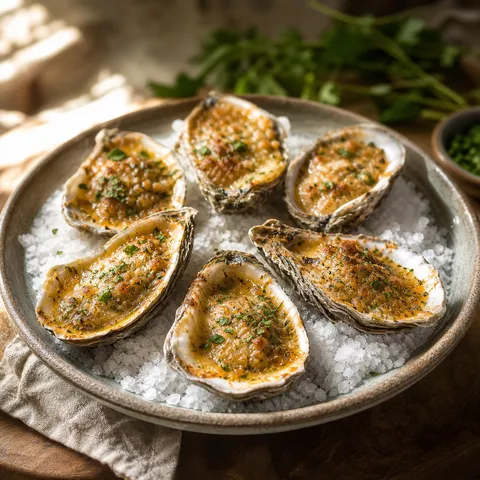 Cajun & Creole Lens Verified Images are for illustrative purposes only, may be inaccurate, and do not guarantee the presence or absence of specific ingredients.
 Oysters Bienville
A classic New Orleans baked oyster dish crowned with a rich shrimp-and-mushroom cream sauce, browned to perfection on the half shell.
 Cajun & Creole Lens Verified Images are for illustrative purposes only, may be inaccurate, and do not guarantee the presence or absence of specific ingredients.
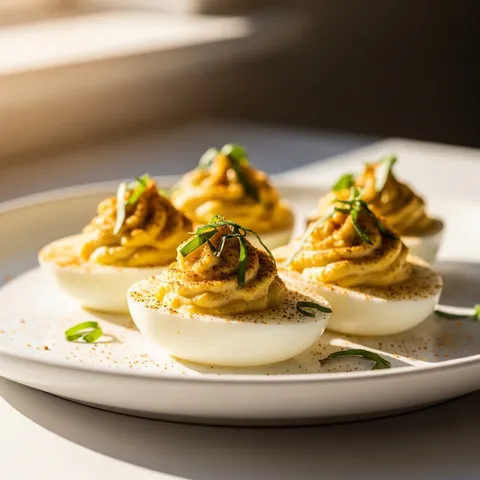
 Cajun Deviled Eggs
Classic deviled eggs with a Louisiana twist — creamy yolk filling spiked with hot sauce, Creole mustard, and cayenne, topped with a sprinkle of smoked paprika.
 Cajun & Creole Lens Verified Images are for illustrative purposes only, may be inaccurate, and do not guarantee the presence or absence of specific ingredients.
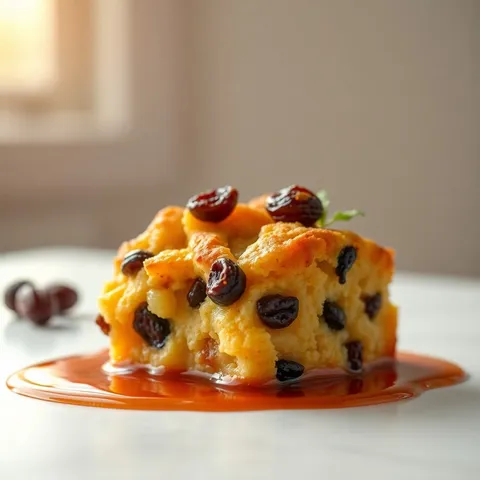
 Creole Bread Pudding
Day-old French bread soaked in a rich custard of cream, eggs, and vanilla, baked golden, then drowned in a warm bourbon-laced whiskey sauce.