 Cajun & Creole Images are for illustrative purposes only, may be inaccurate, and do not guarantee the presence or absence of specific ingredients.
  Serving Images are for illustrative purposes only, may be inaccurate, and do not guarantee the presence or absence of specific ingredients.
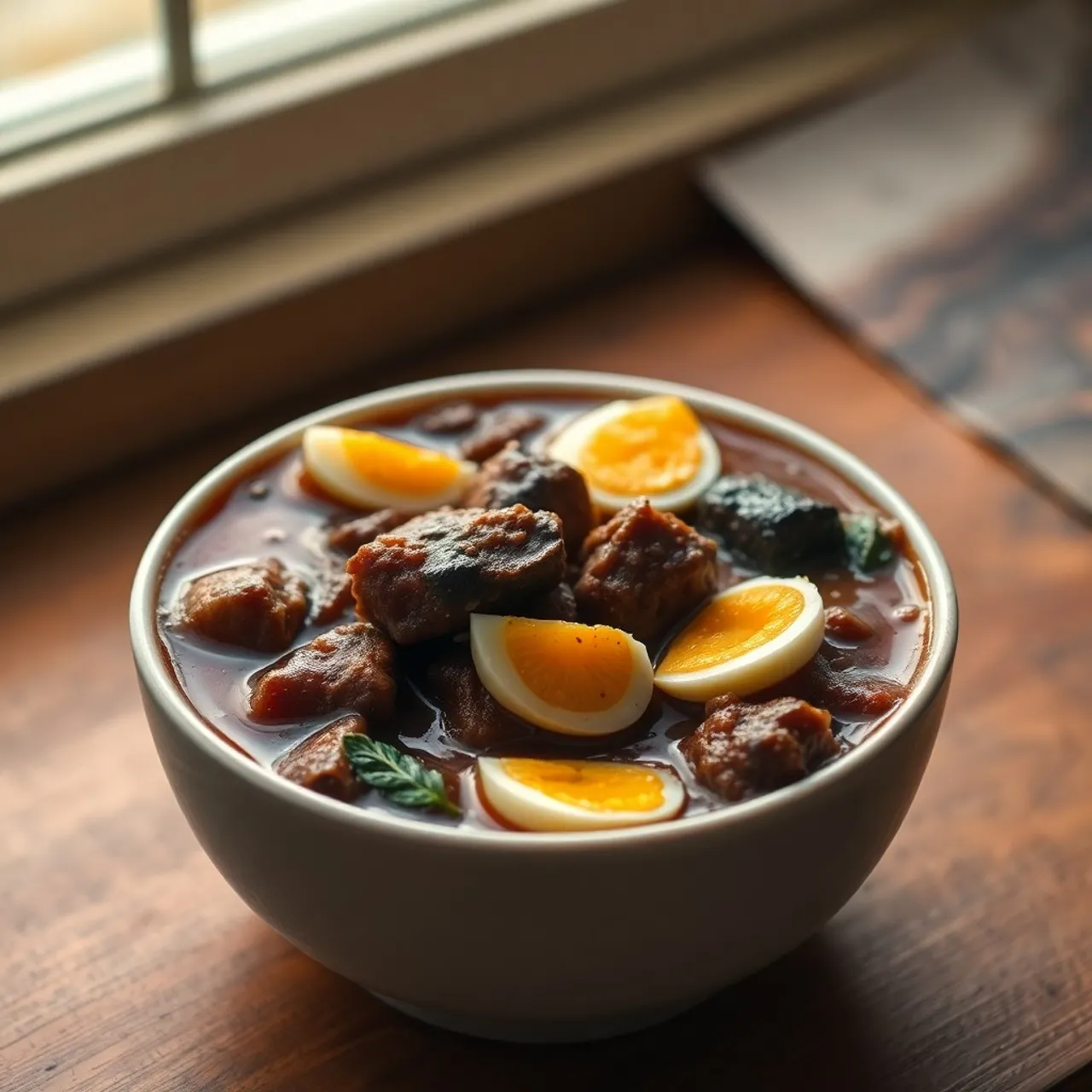
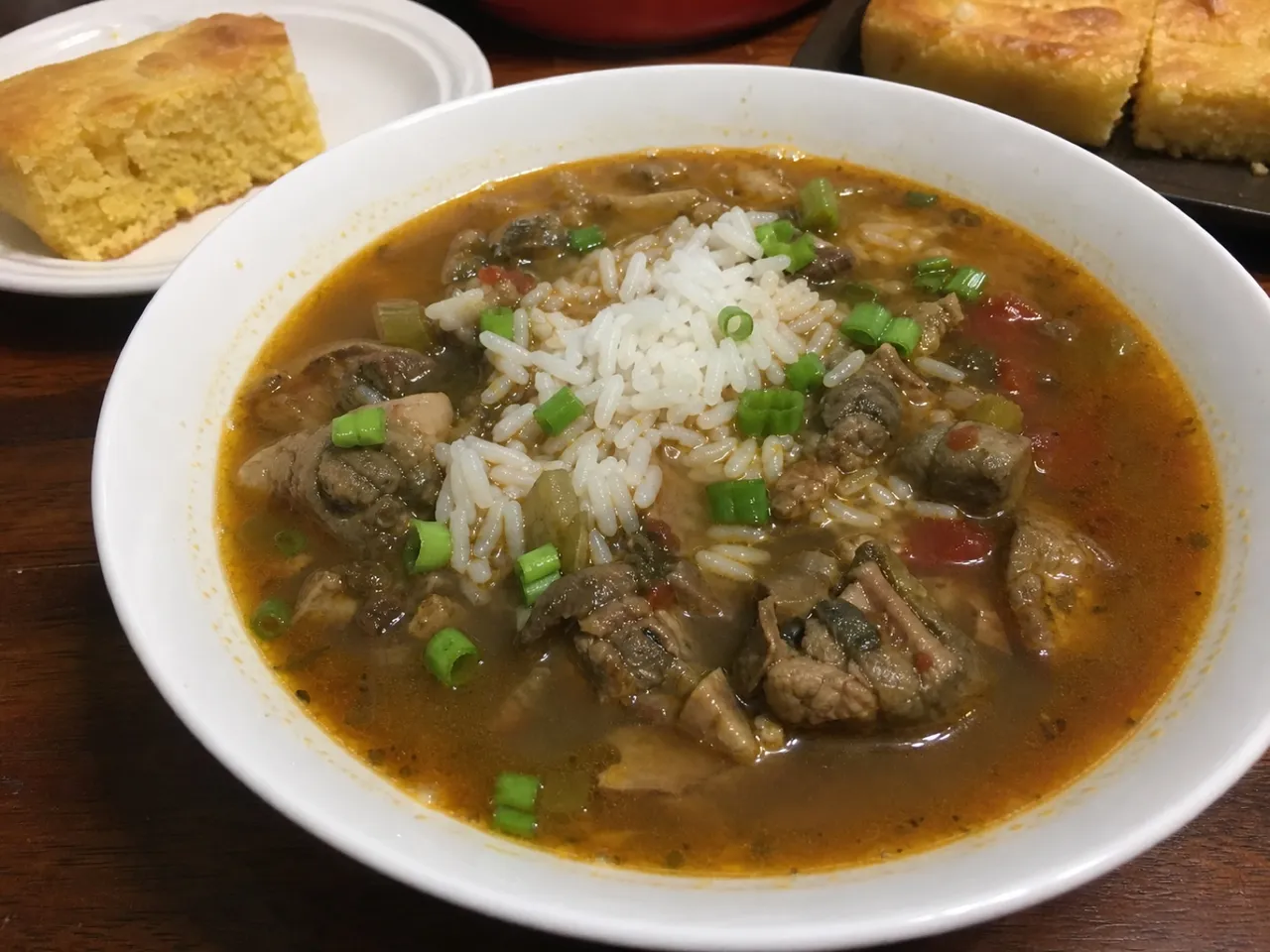
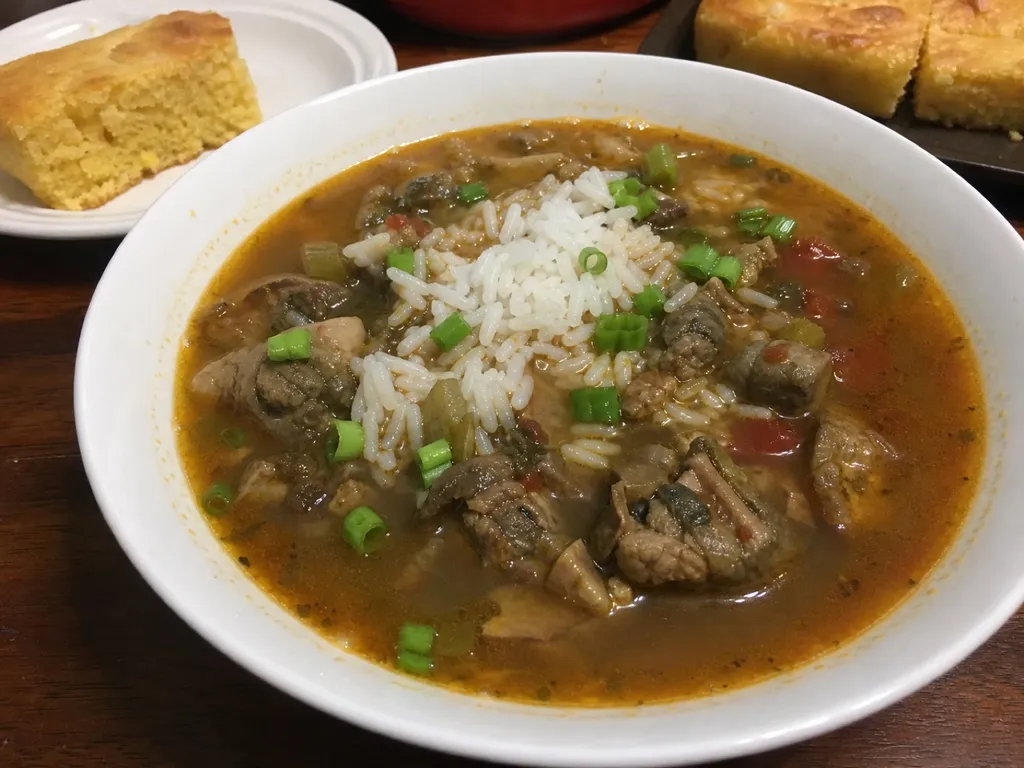
 Turtle Soup
New Orleans' decadent heritage dish — slow-cooked turtle meat in a deep, herb-spiced broth thickened with roux and finished tableside with a splash of dry sherry.
Contains common allergens
In the app, Listahan checks these against your household automatically.
Good to know
- One-pot
Matched from this dish's own ingredients and timing. Browse more: one-pot dinners
Instructions
6 steps- 1
Make a dark roux by whisking the flour into the hot oil in a heavy pot over medium heat, stirring constantly until deep brown, 12 to 15 minutes; watch closely to avoid burning.
- 2
Add the onion, bell pepper, and celery to the roux and cook until softened, about 5 minutes.
- 3
Stir in the turtle meat, beef broth, diced tomatoes, Worcestershire sauce, and Cajun seasoning.
- 4
Bring to a simmer, then reduce heat and cook covered until the meat is very tender, about 1.5 to 2 hours, stirring occasionally.
- 5
Skim any excess fat from the surface.
- 6
Ladle into bowls and pass a small pitcher of sherry at the table for guests to add to taste.
 Images are for illustrative purposes only, may be inaccurate, and do not guarantee the presence or absence of specific ingredients.
 Listahan Family Score™
55/100
Works for many families
Score reflects how well this recipe fits a typical busy household. In the app, your Family Score is personalized to your household's allergens, kids, and pantry.
Nutrition
per serving550
Calories
52 g
Protein
6 g
Carbs
32 g
Fat
Estimated per serving. Actual values depend on the brands and portions you use.
Listahan cooking guide
Chef notes & practical guide
Technique notes, ingredient swaps, serve-alongside ideas, storage guidance, and equipment for this recipe.
Cultural context
Turtle soup is a New Orleans Creole classic built on a dark roux, tomatoes, and a generous pour of dry sherry stirred in right at the table. Turtle meat, once the standard, has grown harder to source under conservation rules, so many kitchens today substitute beef or veal while keeping the roux-driven character intact.
Listahan note
This version cooks the roux dark and slow for color and depth, and holds the sherry back until the very end since simmering it away cooks off the aromatics that make the finish distinct.
Technique cues
- A roux taken to a deep, chocolate-brown color builds the soup's dark hue and toasted depth; a lighter roux leaves the finished soup thin and pale by comparison.
- The meat needs a long, low simmer to tenderize fully, whether it's turtle or a modern beef substitute, since either one turns tough if the broth is rushed.
- Chopped hard-boiled egg is stirred in near the end for texture and richness rather than simmered into the broth from the start, where it would just break apart.
- Sherry goes in off the heat, right before serving, because simmering it boils away the aromatics that give the soup its signature finish.
Kitchen flow
- Parallel prep
- While Turtle Soup simmers, chop any garnish or side bread — the pot doesn't need active attention during the long simmer. This one leans on the turtle meat.
- Make-ahead
- Turtle Soup is a genuine make-ahead dish — it actually tastes better the next day once turtle meat have had time to meld; make it a day early and reheat gently. Everything else is quick — the simmer is the one step that takes real time.
- Leftover move
- Leftover Turtle Soup is often better the next day — refrigerate and reheat gently on the stove, thinning with a splash of water or broth if it's thickened. This one leans on the turtle meat. The simmer step is what sets the pace here.
- Cleanup rhythm
- Let the pot for Turtle Soup soak while you eat — a long simmer tends to leave a stuck layer on the bottom that's easier to lift once soaked. This one leans on the turtle meat.
Ingredient brief
Role, handling, and swap guidance for each key ingredient.
Turtle meat
Flavor support
Purpose: Turtle meat supports the balance of Turtle Soup and should taste integrated.
Handling: Prep before heat is high so the cooking step can move without rushing.
Adaptation: Use the closest fresh equivalent and expect a modest shift in flavor or texture.
tomatoes
Acid and brightness
Purpose: tomatoes balances richness and keeps the finished dish lively.
Handling: Wash, trim, and cut evenly so the pieces cook at the same pace.
Adaptation: Use the closest fresh equivalent and expect a modest shift in flavor or texture.
eggs
Main protein or body
Purpose: eggs gives Turtle Soup its main substance and carries the seasoning.
Handling: Prep before heat is high so the cooking step can move without rushing.
Adaptation: Use an egg-free substitute only when binding or glazing is not the main structure.
sherry
Flavor support
Purpose: sherry supports the balance of Turtle Soup and should taste integrated.
Handling: Prep before heat is high so the cooking step can move without rushing.
Adaptation: Use the closest fresh equivalent and expect a modest shift in flavor or texture.
Technique notes
- Offer extra sherry in a small pitcher at the table so each diner can adjust the finish to their own taste.
- Let the roux cool slightly before whisking in cold stock, adding cold liquid to a hot roux too fast can leave the soup broken and oily.
- Skim the surface a few times during the simmer, since a roux-based soup throws more foam and oil than a clear broth does.
Ingredient swaps
- Egg-aware direction
- Replace the hard-boiled eggs with a flax or chia egg (1 tbsp ground seed + 3 tbsp water, rested 5 minutes) for binding, best when eggs are there for binding rather than structure or rise. This one leans on the turtle meat.
- Lower-sodium direction
- Use a low-sodium or no-salt-added version of the beef broth, then season to taste with fresh herbs, citrus, or vinegar at the end instead of more salt. This one leans on the turtle meat.
- Weeknight shortcut
- For a faster version, prep the longest-cooking component a day ahead so the night-of cook is mostly assembly and finishing. This one leans on the turtle meat.
Serve alongside
- Steamed rice
- Cucumber salad
- Roasted vegetables
- Pickled vegetables
- Iced tea
- Sparkling water with citrus
Serving suggestions only — check pairings for your household's allergens.
Storage & reheating
- Refrigerate in a sealed container for up to 4 days.
- Reheat gently with a splash of water, broth, milk, or sauce as appropriate.
- Freeze up to 2 months when the texture is braised, baked, or stew-like.
Equipment
- Dutch oven or soup pot
- Wooden spoon
- Ladle
Make this household-aware
Listahan Pro checks this recipe against your household's allergens, finds pantry-aware swaps, builds the shopping list, and helps you plan the week around it.
Plan it in Listahan
Add Turtle Soup to your week, check it against your household's allergens, and build the shopping list automatically.
More Cajun & Creole recipes
 Cajun & Creole Lens Verified Images are for illustrative purposes only, may be inaccurate, and do not guarantee the presence or absence of specific ingredients.
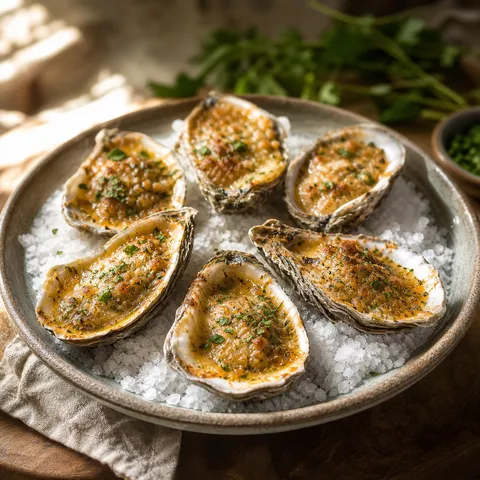
 Oysters Bienville
A classic New Orleans baked oyster dish crowned with a rich shrimp-and-mushroom cream sauce, browned to perfection on the half shell.
 Cajun & Creole Lens Verified Images are for illustrative purposes only, may be inaccurate, and do not guarantee the presence or absence of specific ingredients.
 Cajun Deviled Eggs
Classic deviled eggs with a Louisiana twist — creamy yolk filling spiked with hot sauce, Creole mustard, and cayenne, topped with a sprinkle of smoked paprika.
 Cajun & Creole Lens Verified Images are for illustrative purposes only, may be inaccurate, and do not guarantee the presence or absence of specific ingredients.
 Creole Bread Pudding
Day-old French bread soaked in a rich custard of cream, eggs, and vanilla, baked golden, then drowned in a warm bourbon-laced whiskey sauce.