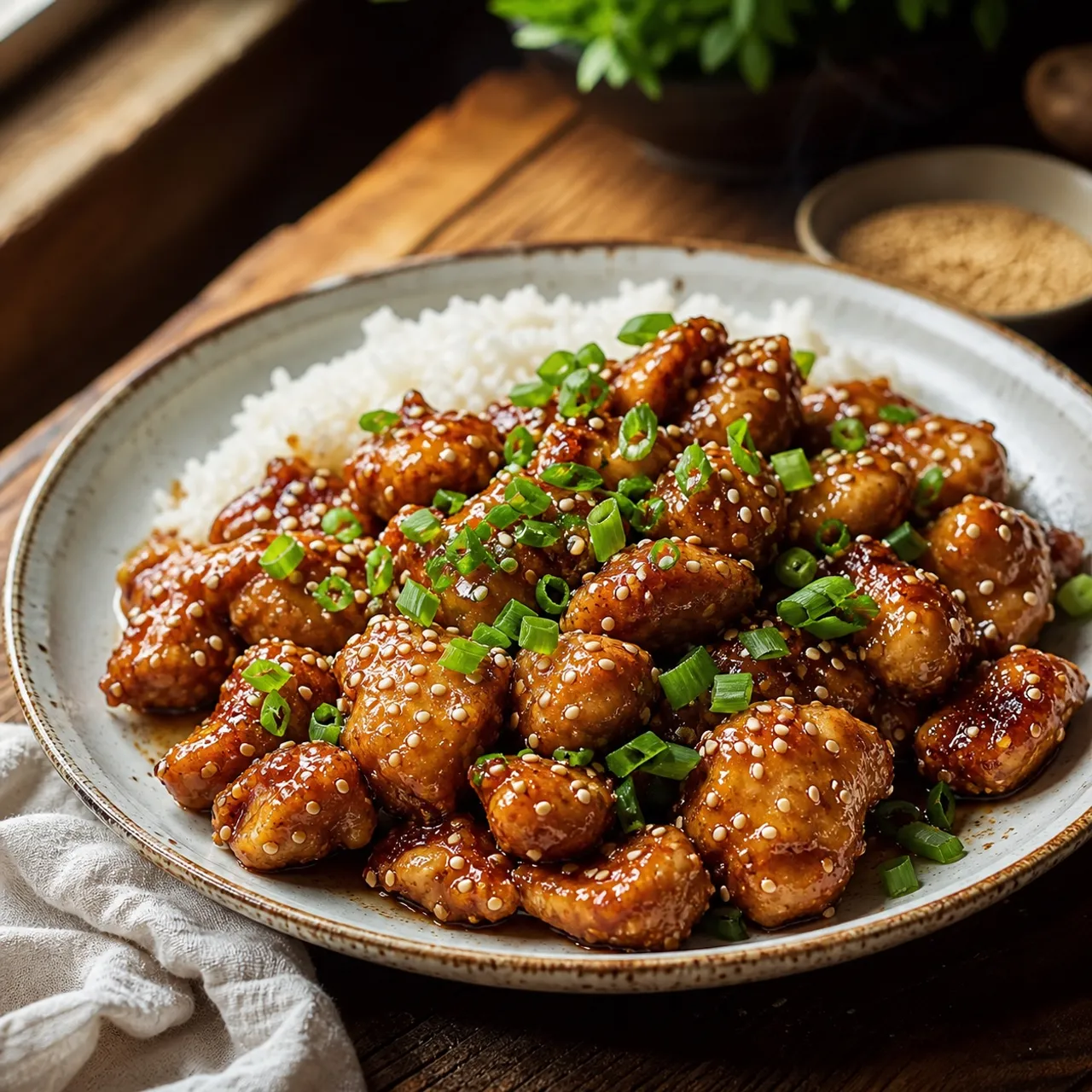
 Chinese Images are for illustrative purposes only, may be inaccurate, and do not guarantee the presence or absence of specific ingredients.
 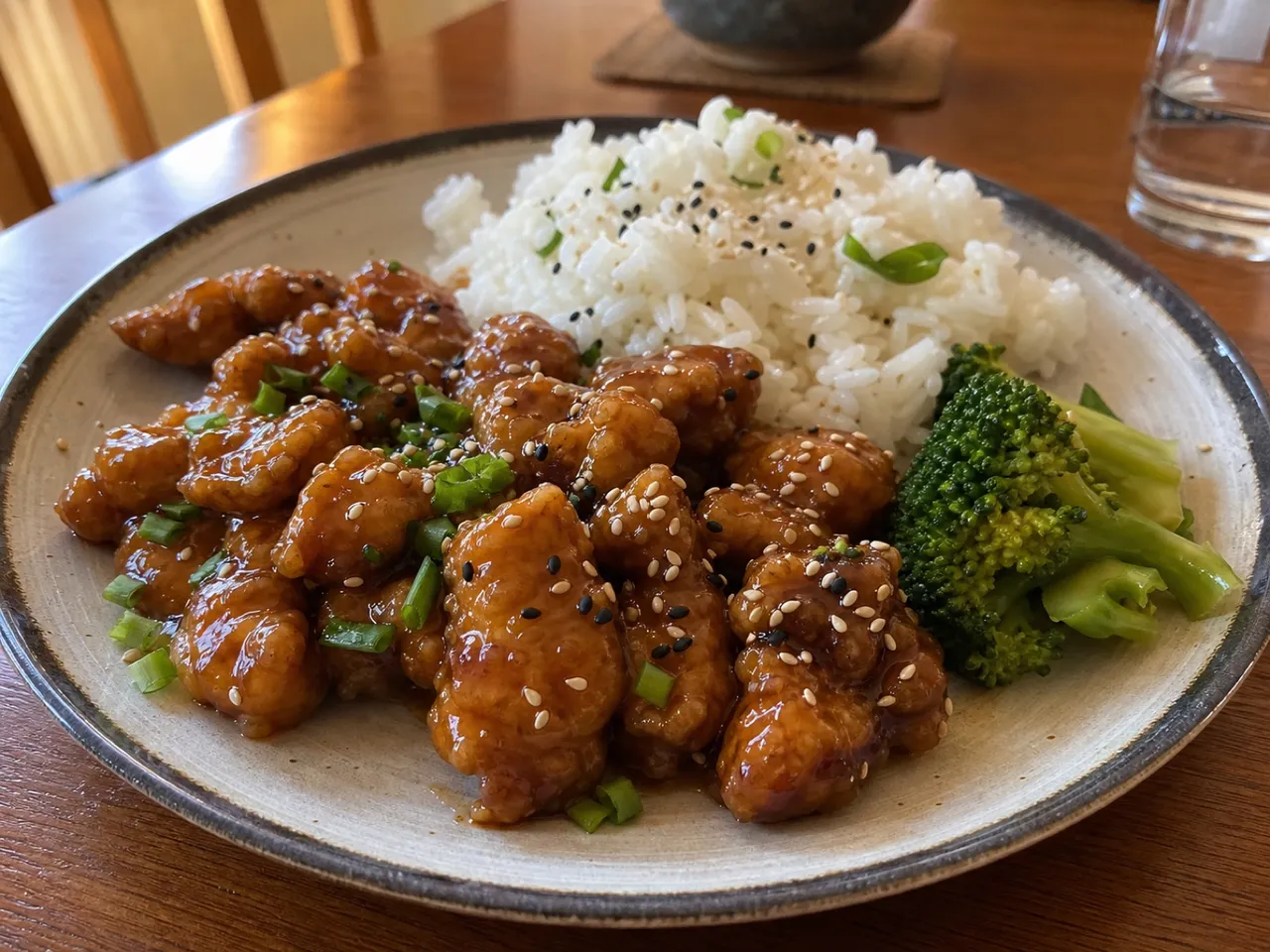 Serving Images are for illustrative purposes only, may be inaccurate, and do not guarantee the presence or absence of specific ingredients.
 Sesame Chicken
Similar to General Tso's, but sweeter and coated heavily in toasted sesame seeds.
Contains common allergens
In the app, Listahan checks these against your household automatically.
Good to know
- Crispy
Matched from this dish's own ingredients and timing. Browse more: crispy recipes
Instructions
6 steps- 1
Dredge the Chicken: Toss the chicken chunks in 1/2 cup cornstarch with a pinch of salt until heavily coated. Shake off the excess.
- 2
Fry the Chicken: Heat oil in a wok to 375°F (190°C). Deep-fry the chicken in batches for 5-6 minutes until ultra-crispy and golden brown. Drain on a wire rack.
- 3
Make the Sauce Base: In a small bowl, whisk together the soy sauce, brown sugar, white vinegar, and sesame oil.
- 4
Thicken the Sauce: Drain the oil from the wok. Pour in the sauce mixture and bring to a simmer. Stir in the cornstarch slurry and cook for 1 minute until the sauce is thick, dark, and syrupy.
- 5
Glaze the Chicken: Toss the crispy chicken back into the wok. Stir rapidly for 30 seconds to ensure every piece is perfectly coated in the sticky glaze.
- 6
Add Sesame Seeds: Turn off the heat. Sprinkle the toasted sesame seeds generously over the chicken and give it one final toss to distribute evenly before serving.
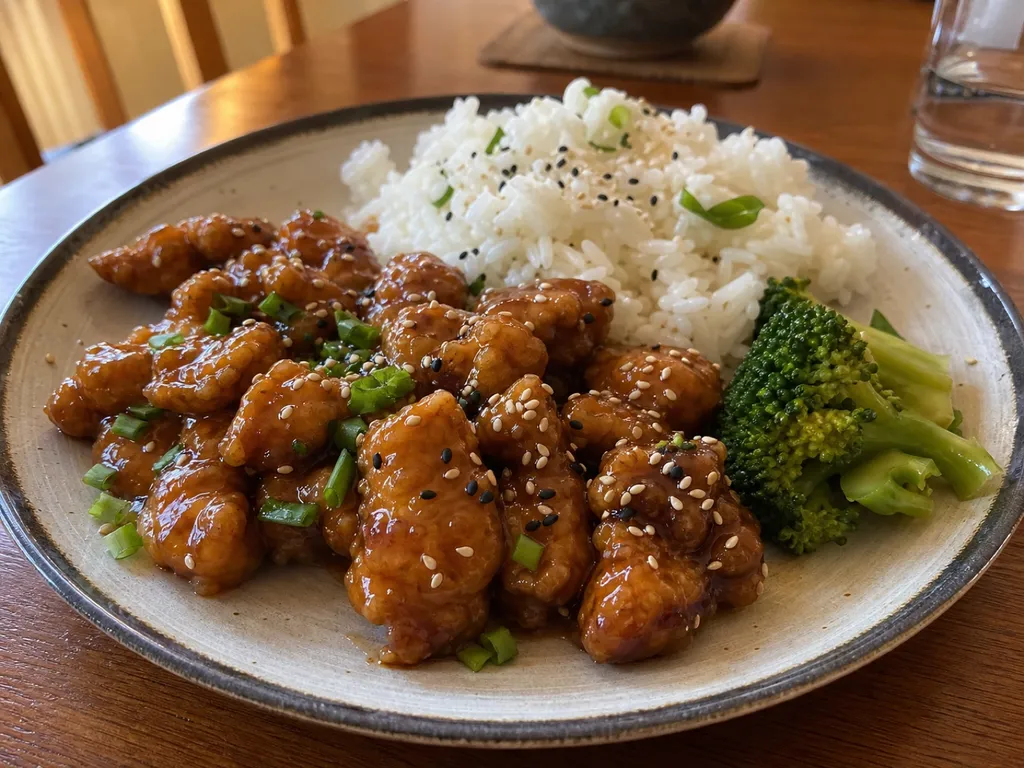 Images are for illustrative purposes only, may be inaccurate, and do not guarantee the presence or absence of specific ingredients.
 Listahan Family Score™
65/100
Works for many families
Score reflects how well this recipe fits a typical busy household. In the app, your Family Score is personalized to your household's allergens, kids, and pantry.
Nutrition
per serving220
Calories
2 g
Protein
36 g
Carbs
8 g
Fat
Estimated per serving. Actual values depend on the brands and portions you use.
Listahan cooking guide
Chef notes & practical guide
Technique notes, ingredient swaps, serve-alongside ideas, storage guidance, and equipment for this recipe.
Cultural context
Sesame Chicken is an American Chinese restaurant creation that emerged in the 1970s and 1980s, adapted from Hunanese sweet-and-spicy chicken dishes by chefs who found that toning down the heat and amplifying the sweetness suited broader American palates. The sauce is built around toasted sesame oil and seeds, which give the dish a nutty warmth that distinguishes it from its close cousin General Tso's Chicken. While it has no direct classical Chinese ancestor, it has become a genuinely beloved dish in its own right.
Listahan note
This version focuses on getting a shatteringly crisp coating that holds for at least 10 minutes after saucing, so the dish arrives at the dinner table with real texture rather than a soggy crust.
Technique cues
- Use a combination of flour and cornstarch in the batter at roughly a 1:2 ratio; the cornstarch is what creates a crisp shell while the flour gives it enough body to cling to the chicken.
- Toast the sesame seeds in a dry pan until they are just fragrant and golden before adding them to the sauce; raw seeds taste flat and grassy in comparison.
- Add the fried chicken to the sauce off the heat and toss quickly; leaving the pan on high heat continues to cook and soften the coating.
Kitchen flow
- Parallel prep
- Mix and measure all sauce ingredients into one bowl before the oil heats; once frying begins there is no downtime to measure.
- Make-ahead
- The sauce can be made up to four days ahead and refrigerated; fry the chicken fresh and toss it with the warmed sauce right before serving.
- Leftover move
- Break leftover sesame chicken over cold soba noodles with shredded cucumber and extra sesame dressing for a satisfying next-day lunch.
- Cleanup rhythm
- After plating, fill the sauce pan with warm water and let it soak while you eat; the sugar-based glaze dissolves easily once cool rather than requiring scrubbing.
Ingredient brief
Role, handling, and swap guidance for each key ingredient.
boneless skinless chicken thighs
main protein
Purpose: Thighs stay juicy through the frying and saucing process where breast meat would dry out.
Handling: Cut into 1.5-inch chunks of consistent size so they fry evenly without any pieces being raw or overdone.
Adaptation: Chicken breast works if you prefer leaner meat; fry at slightly lower heat and for a shorter time to prevent dryness.
sesame oil
flavor anchor
Purpose: Toasted sesame oil is the defining aroma of this dish and cannot be replaced without losing what makes it distinctly sesame chicken.
Handling: Add it at the end of cooking the sauce rather than at the start; high heat destroys its delicate flavor.
Adaptation: There is no true substitute; if sesame allergy is a concern, see the smart swaps section.
rice vinegar
balance
Purpose: It provides the slight tartness that keeps the sweet sauce from feeling one-dimensional.
Handling: Measure with the other sauce ingredients before cooking begins.
Adaptation: Apple cider vinegar works in the same proportion with a slightly more fruity character.
soy sauce
savory base
Purpose: It provides saltiness and umami that counterbalance the sweetness of honey or sugar in the glaze.
Handling: Use light or all-purpose soy; dark soy can overwhelm the pale, glossy appearance of the sauce.
Adaptation: Tamari is a seamless swap for a gluten-free version.
sesame seeds
garnish and texture
Purpose: Toasted seeds add a nutty crunch that reinforces the sesame flavor layered into the sauce.
Handling: Toast in a dry skillet over medium heat, shaking constantly, for about 2 minutes until pale gold.
Adaptation: Hemp seeds give a similar texture for those with sesame allergies, though the flavor is milder.
Technique notes
- Fry in small batches of no more than six or seven pieces at a time; overcrowding drops the oil temperature and produces steamed, soggy chicken instead of a crisp crust.
- Let the sauce come to a full simmer before adding cornstarch slurry; adding it to a cold sauce creates lumpy starch pockets that never fully hydrate.
- A light drizzle of additional toasted sesame oil over the finished dish, just before serving, restores any aroma lost during the sauce reduction step.
Ingredient swaps
- Sesame allergy direction
- Replace sesame oil with a neutral oil and the sesame seeds with finely chopped toasted sunflower seeds; the dish becomes a honey-soy chicken with a similar profile.
- Gluten-free direction
- Substitute tamari for soy sauce and use a 100% cornstarch coating instead of the flour-cornstarch blend.
- Lower-sugar direction
- Replace half the honey or sugar with unsweetened applesauce, which adds body and mild sweetness without the same glycemic impact.
- Weeknight shortcut
- Air-fry the coated chicken at 400 F for 12 minutes instead of deep-frying; the crust is slightly less dramatic but cleanup is dramatically faster.
Serve alongside
- steamed white rice
- stir-fried snap peas with ginger
- egg drop soup
- cold jasmine iced tea
- sparkling apple cider
Serving suggestions only — check pairings for your household's allergens.
Storage & reheating
- Store in an airtight container in the refrigerator for up to 3 days; the coating will soften overnight as it absorbs the sauce.
- Reheat in a 400 F oven for 8 minutes on a rack to restore some crispness; avoid microwaving if texture matters to you.
Equipment
- wok or deep heavy-bottomed pot for frying
- spider strainer or slotted spoon for pulling chicken from oil
- wire rack for draining fried pieces
Make this household-aware
Listahan Pro checks this recipe against your household's allergens, finds pantry-aware swaps, builds the shopping list, and helps you plan the week around it.
Plan it in Listahan
Add Sesame Chicken to your week, check it against your household's allergens, and build the shopping list automatically.
More Chinese recipes
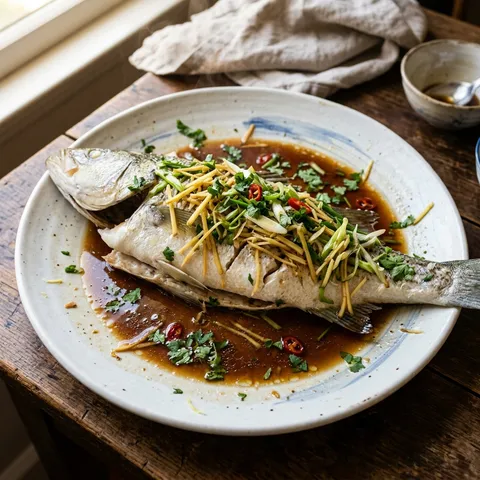 Chinese Lens Verified Images are for illustrative purposes only, may be inaccurate, and do not guarantee the presence or absence of specific ingredients.
 Steamed Fish with Soy and Ginger
A traditional banquet dish featuring delicately steamed whole fish with hot oil poured over aromatics.
 Chinese Lens Verified Images are for illustrative purposes only, may be inaccurate, and do not guarantee the presence or absence of specific ingredients.
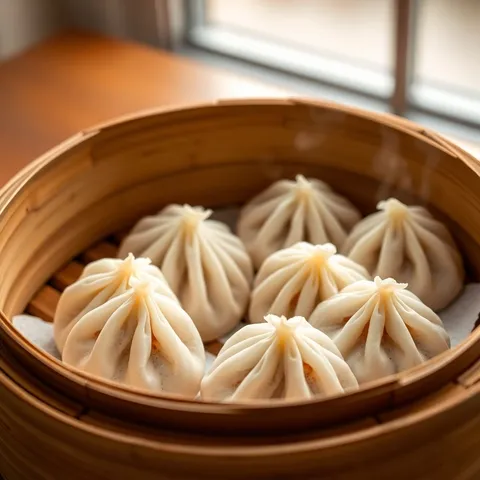
 Xiao Long Bao (Soup Dumplings)
Delicate steamed buns filled with pork and a rich, savory soup.
 Chinese Lens Verified Images are for illustrative purposes only, may be inaccurate, and do not guarantee the presence or absence of specific ingredients.
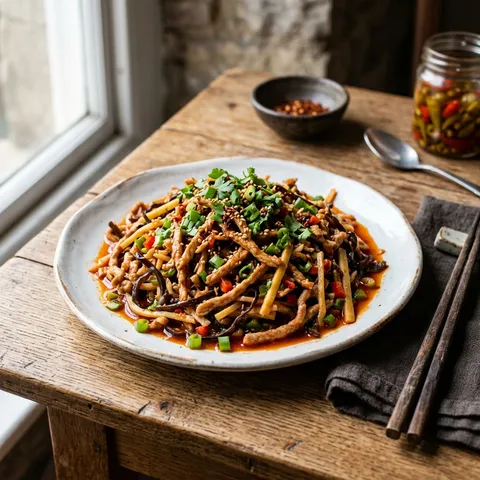
 Yuxiang Rou Si (Fish-Fragrant Pork Shreds)
A classic Sichuan dish that uses "fish-fragrant" seasoning (sweet, sour, and spicy) on pork shreds, containing no actual fish.