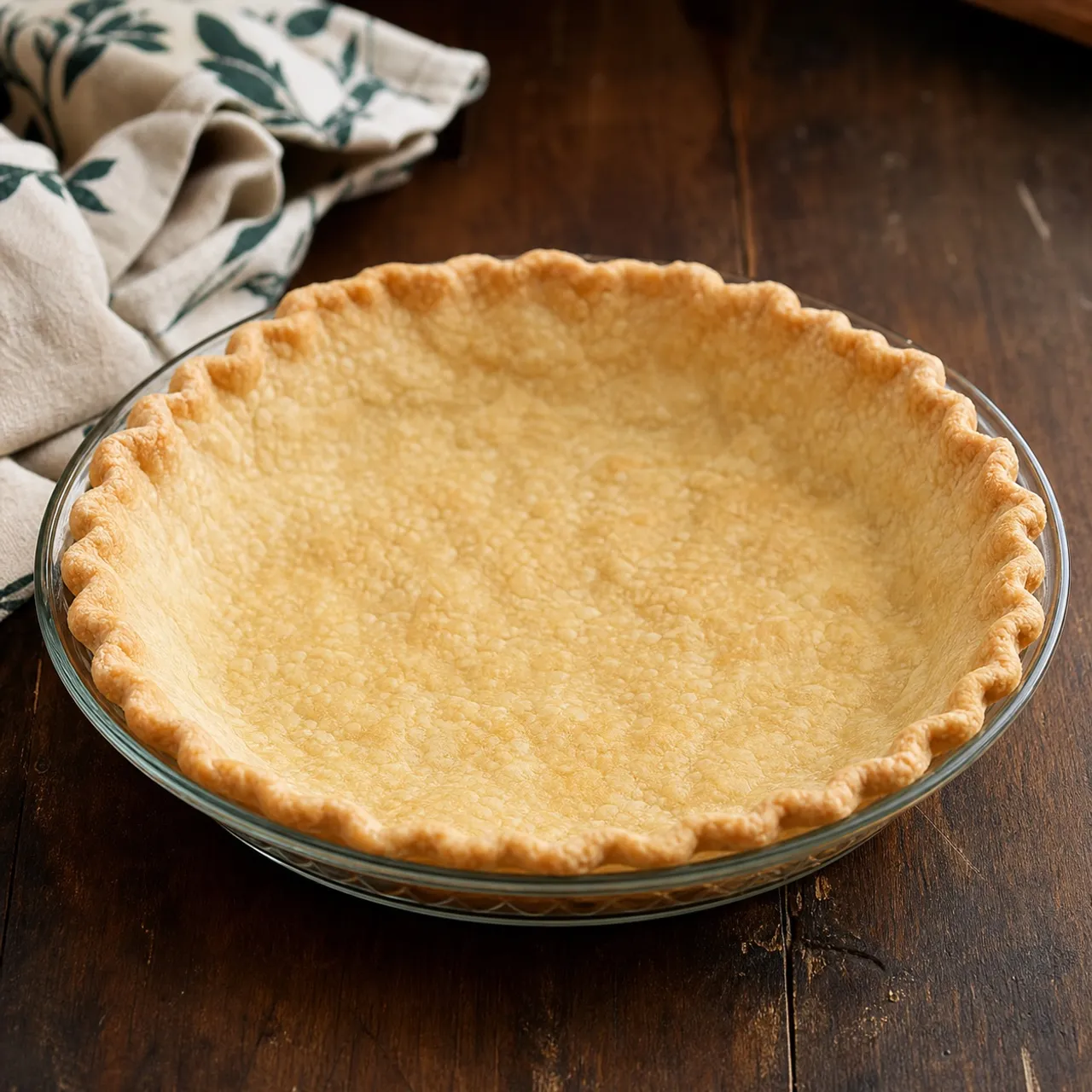
 Desserts Images are for illustrative purposes only, may be inaccurate, and do not guarantee the presence or absence of specific ingredients.
 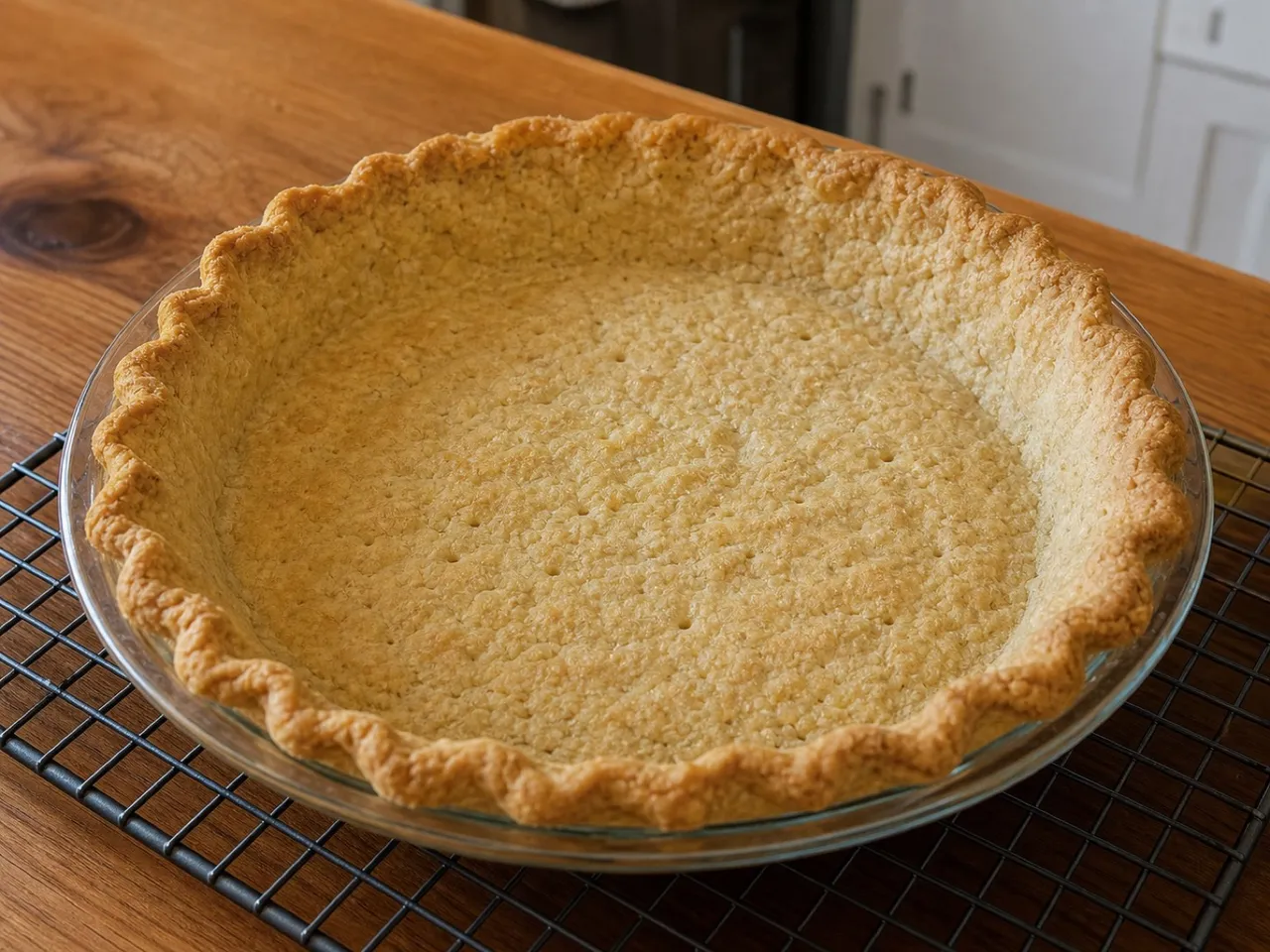 Serving Images are for illustrative purposes only, may be inaccurate, and do not guarantee the presence or absence of specific ingredients.
 Healthy Pie Crust
A quick, flaky oil-based pie crust that skips the butter, makes enough for a double crust.
Contains common allergens
In the app, Listahan checks these against your household automatically.
Good to know
- Ready in under 30 minutes
Matched from this dish's own ingredients and timing. Browse more: 30-minute meals
Instructions
4 steps- 1
In a large bowl, whisk together the flour and salt.
- 2
Pour in the canola oil and stir with a fork until the mixture looks evenly crumbly and coated.
- 3
Drizzle in the skim milk and stir gently just until the dough comes together; do not overwork it.
- 4
Divide the dough in half. This makes enough for two single crusts, or one top and one bottom. For easiest handling, chill the dough briefly, then roll out each half between sheets of waxed paper and fit into a 9-inch pie plate.
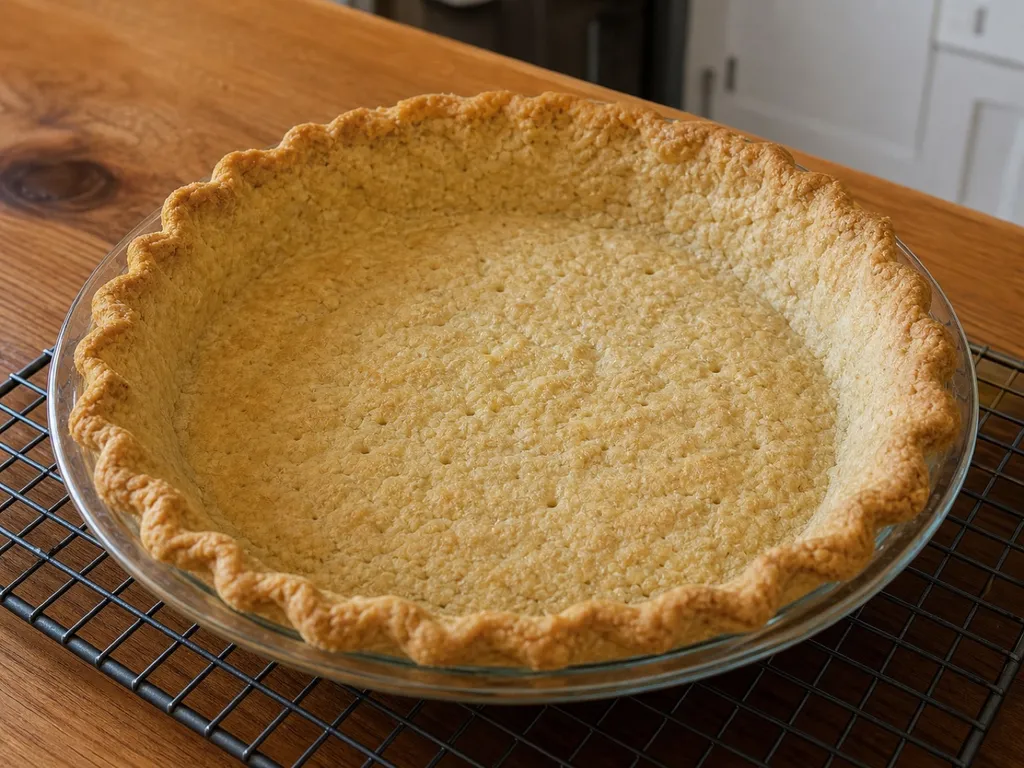 Images are for illustrative purposes only, may be inaccurate, and do not guarantee the presence or absence of specific ingredients.
 Listahan Family Score™
82/100
Good fit for most families
Score reflects how well this recipe fits a typical busy household. In the app, your Family Score is personalized to your household's allergens, kids, and pantry.
Nutrition
per serving305
Calories
4 g
Protein
30 g
Carbs
19 g
Fat
Estimated per serving. Actual values depend on the brands and portions you use.
Listahan cooking guide
Chef notes & practical guide
Technique notes, ingredient swaps, serve-alongside ideas, storage guidance, and equipment for this recipe.
Cultural context
The American double-crust pie tradition descends from English and early colonial pastry-making, where lard was the fat of choice. The shift to vegetable shortening in the early 20th century made pie crust more reliably flaky, but also introduced trans fats. Oil-based pie crusts became popular in mid-century American home economics as a shortcut method requiring no cutting-in of cold fat and no special technique, making pie accessible to cooks who found butter or lard crusts intimidating.
Listahan note
This version uses canola oil and skim milk instead of butter or shortening, producing a more tender than flaky crust that comes together in minutes with no pastry cutter or cold ingredients required.
Technique cues
- Oil-based crusts do not flake the way butter crusts do because there is no solid fat to create steam pockets; instead they are tender and slightly mealy, which works well under wet fillings like custard or fruit that might make a butter crust soggy.
- The oil must be emulsified with the milk before adding the flour — whisk them together vigorously in the pie plate itself (the classic no-roll method) so the fat is evenly distributed and the crust bakes uniformly.
- Do not over-handle the dough: oil coats gluten strands more thoroughly than cold butter, so excess mixing makes the crust tough faster. Stir just until the flour is moistened, then press directly into the pan.
Kitchen flow
- Parallel prep
- Prepare the pie filling while the shaped crust pre-bakes (blind bakes) for recipes requiring a fully cooked shell, saving significant total time.
- Make-ahead
- Pressed crust in the pie plate can be wrapped in plastic and refrigerated for up to 2 days or frozen for up to 1 month before filling and baking.
- Leftover move
- Any extra dough scraps can be pressed thin, sprinkled with cinnamon sugar, and baked at 375F for 10 minutes as a simple cookie.
- Cleanup rhythm
- The no-roll, mix-in-the-pan method means minimal cleanup — just the measuring cups and a fork, leaving the counter flour-free.
Ingredient brief
Role, handling, and swap guidance for each key ingredient.
2 1/2 cups all-purpose flour
structure
Purpose: Flour provides the gluten network that holds the crust together when pressed and baked.
Handling: Spoon and level rather than scooping to prevent a dense crust; a 2 1/2-cup overpacked measure makes the crust dry and hard.
Adaptation: Whole wheat pastry flour can replace up to half the all-purpose flour for a nuttier flavor with slightly more texture.
2/3 cup canola oil
fat for tenderness
Purpose: Canola oil has a neutral flavor and high unsaturated fat content, making it a heart-healthier substitute for butter or lard while still providing a tender crumb.
Handling: Measure and whisk with the milk immediately before adding to flour; do not let the mixture sit.
Adaptation: Avocado oil or light olive oil work as neutral substitutes; melted coconut oil adds a faint coconut flavor.
1/3 cup skim milk
liquid binder
Purpose: Milk's proteins help bind the dough and its fat (even in skim) contributes slight richness compared to water-only recipes.
Handling: Use cold milk directly from the fridge to keep the dough from becoming sticky.
Adaptation: Any plant-based milk (oat, soy, almond) works as a 1:1 dairy-free substitute.
Technique notes
- For a golden, crisp bottom on custard pies, pre-bake the crust blind (line with parchment and fill with dried beans or pie weights) at 375F for 12-15 minutes before adding the wet filling.
- Press the dough evenly across the bottom and up the sides with the heel of your hand, then use a fork to create a decorative edge by pressing the tines around the rim before baking.
- If the crust cracks when pressing, simply pat the crack closed with wet fingertips — because there is no cold butter to protect, moisture repairs the dough easily without compromising texture.
Ingredient swaps
- Vegan direction
- Use any unsweetened plant milk in place of skim milk; the rest of the recipe is already plant-based.
- Gluten-free direction
- A 1:1 gluten-free flour blend works well here because the oil-based mixing method does not rely on gluten development for flakiness; the crust may be slightly more fragile.
- Whole grain option
- Replace half the flour with white whole wheat flour for a nuttier, slightly denser crust that pairs particularly well with apple or pumpkin fillings.
Serve alongside
- classic pumpkin custard filling
- apple cinnamon filling with a streusel top
- blueberry filling with a squeeze of lemon
- hot apple cider
- decaf coffee with cream
- cold milk
Serving suggestions only — check pairings for your household's allergens.
Storage & reheating
- Unbaked crust in the pie pan keeps refrigerated, wrapped tightly, for up to 2 days.
- Fully baked empty shells keep at room temperature, loosely covered, for up to 1 day before filling.
- Freeze unbaked pressed crust for up to 1 month; bake from frozen, adding 5 extra minutes.
Equipment
- 9-inch pie plate
- measuring cups and a fork for mixing
- parchment paper and dried beans or pie weights for blind baking
- pastry brush for egg or milk wash on double-crust applications
Make this household-aware
Listahan Pro checks this recipe against your household's allergens, finds pantry-aware swaps, builds the shopping list, and helps you plan the week around it.
Plan it in Listahan
Add Healthy Pie Crust to your week, check it against your household's allergens, and build the shopping list automatically.
More Desserts recipes
 Desserts Lens Verified Images are for illustrative purposes only, may be inaccurate, and do not guarantee the presence or absence of specific ingredients.
 Buttertart Squares
Chewy butter tart squares with a shortbread base and a gooey brown sugar, raisin, and walnut topping.
 Desserts Lens Verified Images are for illustrative purposes only, may be inaccurate, and do not guarantee the presence or absence of specific ingredients.
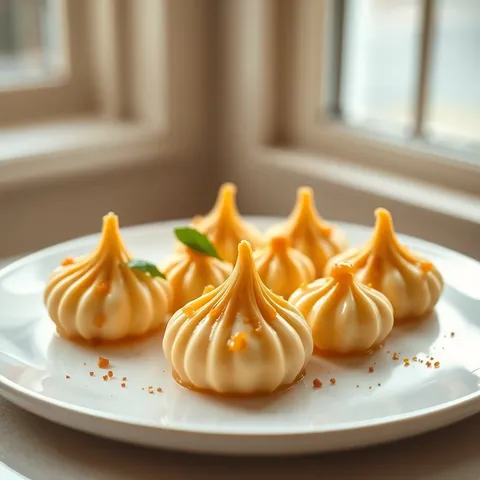
 Amber and Zach's Kisses
Light, crisp meringue kisses that melt in your mouth and make a pretty edible decoration.
 Desserts Lens Verified Images are for illustrative purposes only, may be inaccurate, and do not guarantee the presence or absence of specific ingredients.
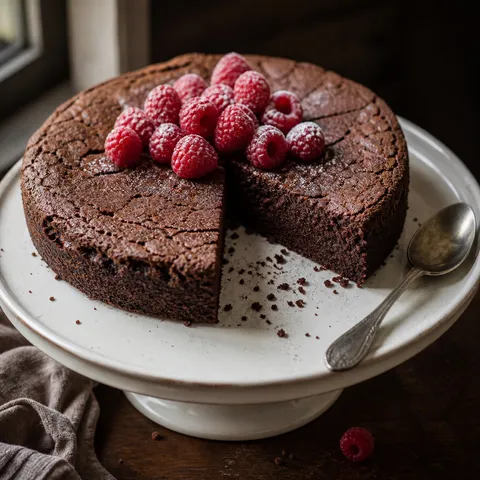
 Passover Flourless Chocolate Cake
A rich, dense flourless chocolate cake with no flour, matzo meal, or leavening — a naturally kosher-for-Passover dessert perfect for the seder table.