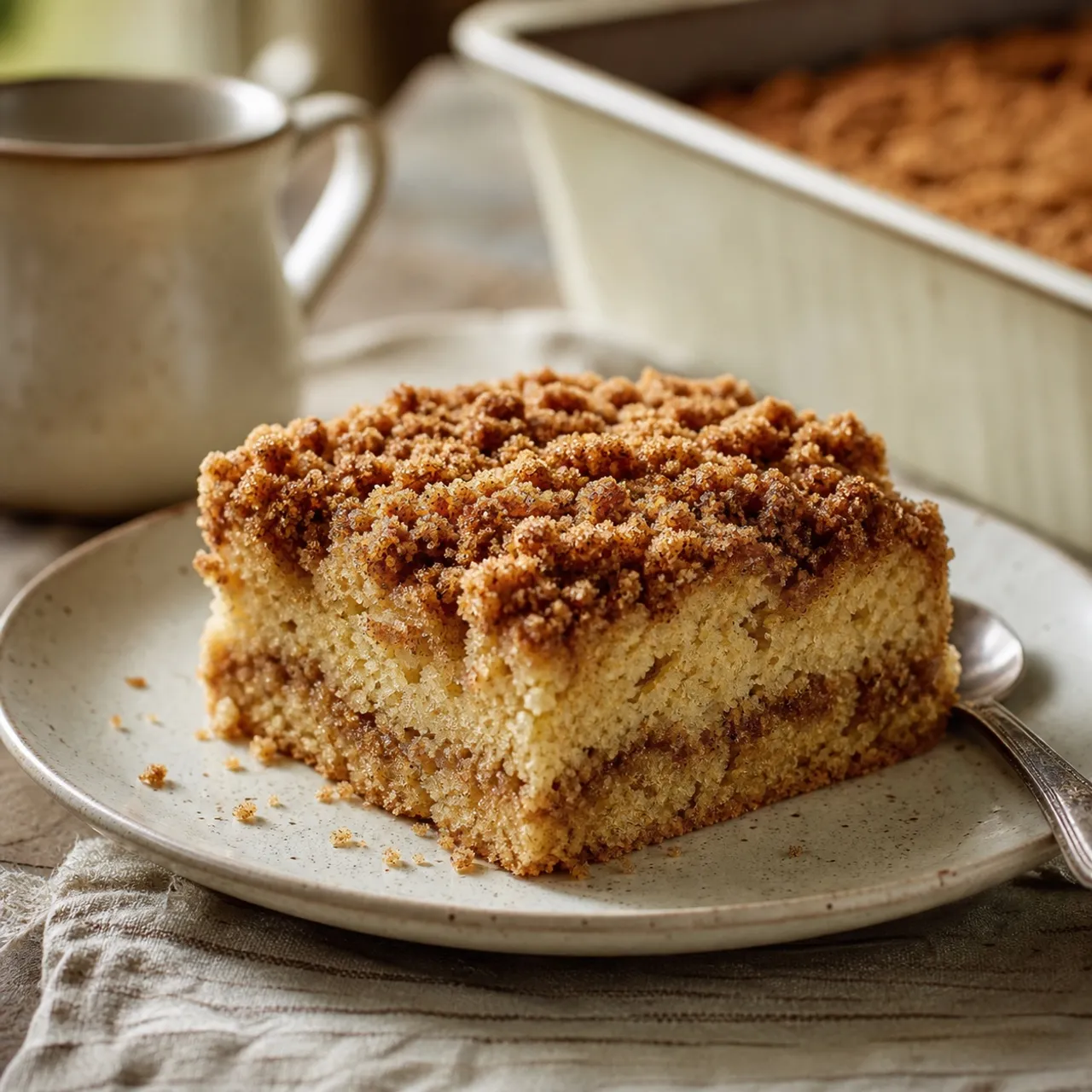
 Desserts Images are for illustrative purposes only, may be inaccurate, and do not guarantee the presence or absence of specific ingredients.
 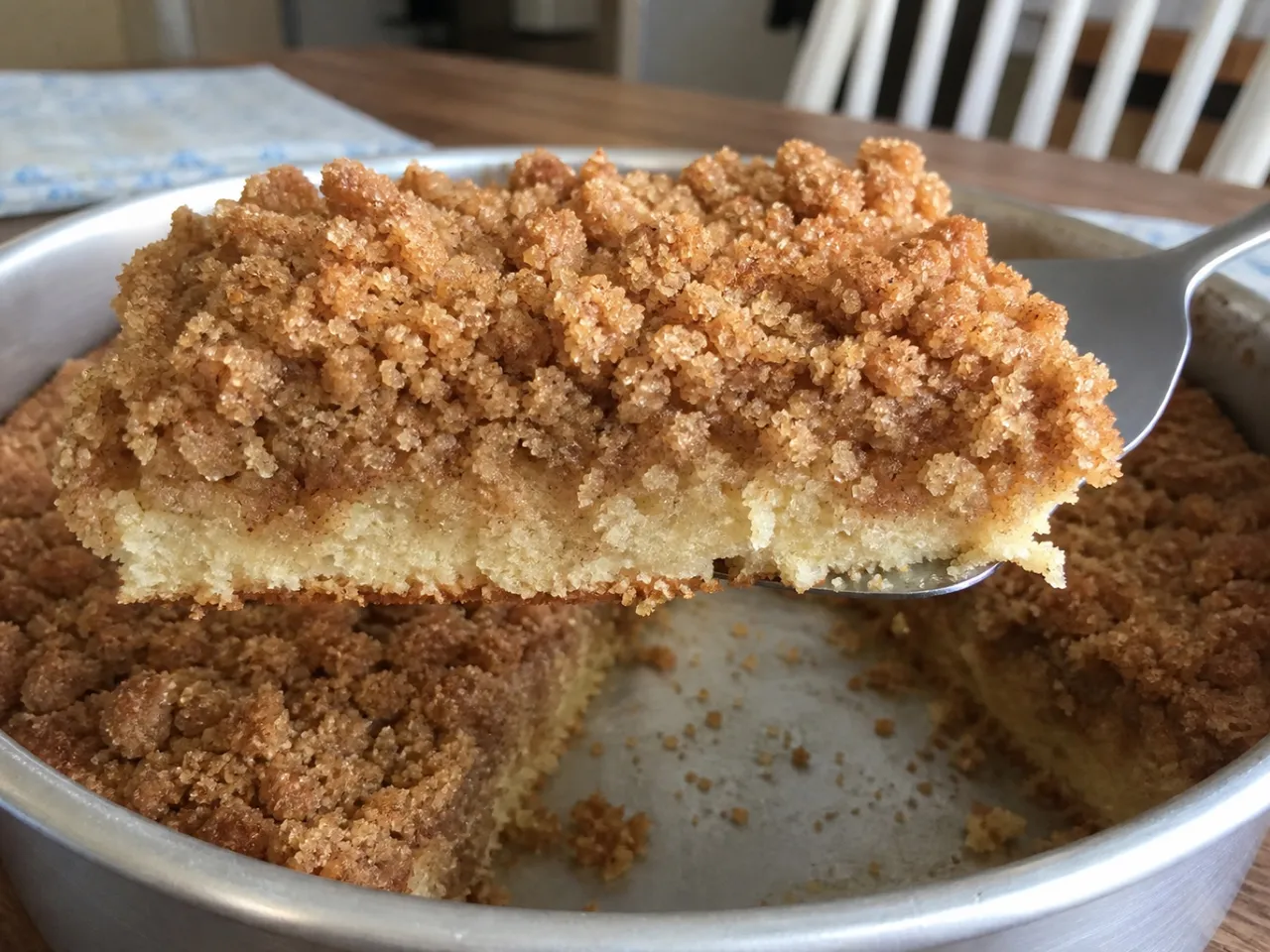 Serving Images are for illustrative purposes only, may be inaccurate, and do not guarantee the presence or absence of specific ingredients.
 Old Fashioned Crumb Cake
A tender, lightly spiced single-layer cake with a buttery brown-sugar crumb topping.
Contains common allergens
In the app, Listahan checks these against your household automatically.
Instructions
5 steps- 1
Preheat the oven to 375°F (190°C) and grease an 8-inch square baking pan.
- 2
In a large bowl, cut the shortening into the brown sugar, flour, baking powder, cinnamon, and salt with a pastry cutter or two forks until the mixture forms coarse, even crumbs. Set aside 3/4 cup of the crumb mixture to use as topping.
- 3
Add the egg and milk to the remaining crumb mixture and stir just until a smooth batter forms; do not overmix.
- 4
Spread the batter evenly into the prepared pan and sprinkle the reserved crumbs over the top.
- 5
Bake for 30 to 35 minutes, until the top is golden and a toothpick inserted in the center comes out clean. Cool in the pan for at least 10 minutes before cutting into squares and serving.
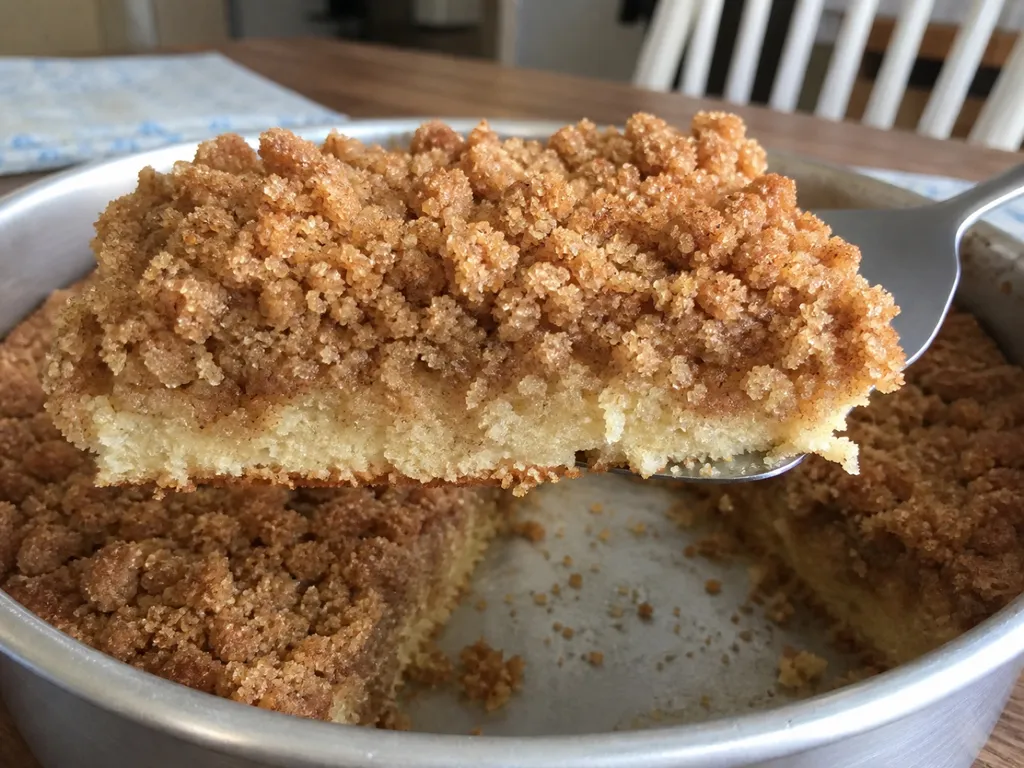 Images are for illustrative purposes only, may be inaccurate, and do not guarantee the presence or absence of specific ingredients.
 Listahan Family Score™
75/100
Good fit for most families
Score reflects how well this recipe fits a typical busy household. In the app, your Family Score is personalized to your household's allergens, kids, and pantry.
Nutrition
per serving390
Calories
5 g
Protein
64 g
Carbs
13 g
Fat
Estimated per serving. Actual values depend on the brands and portions you use.
Listahan cooking guide
Chef notes & practical guide
Technique notes, ingredient swaps, serve-alongside ideas, storage guidance, and equipment for this recipe.
Cultural context
Crumb cake has deep roots in German Streuselkuchen, the yeasted coffee cake topped with a thick butter-and-sugar crumble that German immigrants brought to the northeastern United States in the 19th century. The New Jersey version became so iconic that the state earned an informal claim to the style. This old-fashioned rendition uses shortening in the base rather than yeast, producing a simpler, quicker cake that home bakers could make without a long rise.
Listahan note
This version builds the crumb topping and the cake batter from the same base mixture, then stirs liquid into only half of it; the technique is economical and produces a rustic, deeply crumbled top that buries the soft cake beneath.
Technique cues
- Cutting shortening into the brown sugar and flour with your fingers until the mixture resembles coarse sand is the foundation; this step creates the fat-coated flour clusters that become distinct crumbs rather than a wet paste when baked.
- Reserve at least half of the crumb mixture before adding any liquid; the ratio of crumb to cake should feel almost excessive, which is exactly what defines old-fashioned crumb cake.
- Bake at a moderate temperature (350 F) and check doneness at 25 minutes by pressing the center; it should spring back and a toothpick should come out with moist crumbs, not wet batter, since the thick crumb layer insulates the cake and slows the heat.
Kitchen flow
- Parallel prep
- Grease and flour the pan while the oven preheats; the entire crumb mixture can be made by hand in the pan itself to save a bowl.
- Make-ahead
- Crumb cake is best the day it is baked, but you can prepare the dry crumb mixture up to 3 days ahead, refrigerate it in an airtight container, and stir in the wet ingredients when ready to bake.
- Leftover move
- Day-old crumb cake is excellent warmed in a 300 F oven for 8 minutes and served with a pat of butter; the crumbs re-crisp and the cake layer softens beautifully.
- Cleanup rhythm
- Use a single large bowl for the crumb base, then scoop out the reserved crumb portion into the pan before adding wet ingredients to the bowl; this keeps the bowl count to one.
Ingredient brief
Role, handling, and swap guidance for each key ingredient.
1/2 cup vegetable shortening
fat base for both cake and crumbs
Purpose: Shortening creates a tender crumb and produces a flakier, more distinct crumble than butter because it is 100% fat with no water to activate gluten.
Handling: Keep shortening at room temperature so it cuts into the flour mixture evenly without leaving hard chunks.
Adaptation: Unsalted butter, cut cold, is a direct substitute and adds a richer flavor; the crumbs will be slightly less distinct but still excellent.
1 1/2 cups packed brown sugar
sweetener and crumb character
Purpose: Packed brown sugar provides molasses depth that plain granulated sugar cannot, and its slight moisture helps the crumbs clump into satisfying chunks during baking.
Handling: Pack the sugar firmly into the measuring cup so the ratio of sweetness to flour in the crumb is accurate.
Adaptation: Dark brown sugar deepens the molasses flavor; a mix of granulated sugar plus a teaspoon of molasses is a pantry-substitute if only light brown is available.
2 1/2 cups all-purpose flour
structure for both layers
Purpose: A higher flour ratio relative to liquid produces a sturdy cake that supports the dense crumb topping without sinking.
Handling: Spoon flour into the measuring cup and level with a knife rather than scooping; scooping compacts the flour and can make the cake dry.
Adaptation: Pastry flour produces a more tender cake crumb; do not use bread flour as the higher protein content makes the texture tough.
1 tsp ground cinnamon
warmth and aroma
Purpose: Cinnamon woven throughout both the base mixture and the crumb top creates a consistent spiced flavor in every bite rather than just on the surface.
Handling: Add cinnamon when mixing the dry ingredients so it distributes evenly across both the crumb and the batter portions.
Adaptation: Add a pinch of cardamom alongside the cinnamon for a slightly more complex, fragrant profile.
3/4 cup milk
hydration for the batter layer
Purpose: Milk activates the baking powder and brings the batter to a pourable consistency while adding a subtle richness that balances the brown sugar sweetness.
Handling: Add the egg to the milk and whisk briefly before stirring into the dry mixture to ensure even hydration.
Adaptation: Buttermilk adds a gentle tang and a slightly more tender crumb; reduce baking powder by half a teaspoon and add 1/4 teaspoon baking soda to compensate for the acid.
Technique notes
- Scatter the reserved crumbs over the batter in large, uneven chunks rather than pressing them down; irregular crumbs create the height variation and visual appeal that defines a classic crumb cake.
- A 9x13-inch pan produces a thin, evenly crumbed result closer to the diner-style cake; an 8x8 pan gives a taller cake with a thicker crumb layer for those who want more crumb per bite.
- Dust the finished cake with a light snowfall of powdered sugar through a fine-mesh strainer just before serving; it covers any imperfections and signals the sweetness level without adding much actual sugar.
Ingredient swaps
- Dairy-free option
- Replace milk with oat milk or unsweetened almond milk in equal measure; the baking powder does all the leavening work, so the swap is straightforward.
- Gluten-free direction
- A 1:1 gluten-free baking flour blend works well in this recipe; the crumbs will be slightly more fragile, so handle the cake in the pan rather than slicing and lifting immediately.
- Richer variation
- Swap the shortening for cold unsalted butter cut into cubes for a more buttery, golden crumb top with better flavor depth.
Serve alongside
- fresh-brewed coffee or a strong cup of tea for the classic coffee-cake pairing
- vanilla yogurt alongside for breakfast
- a small bowl of fresh blueberries or sliced peaches
- drip coffee or a flat white
- cold glass of whole milk
- hot chai with steamed milk
Serving suggestions only — check pairings for your household's allergens.
Storage & reheating
- Cover loosely with plastic wrap at room temperature and eat within 2 days; the crumbs soften over time from ambient moisture.
- Refrigerate for up to 5 days in an airtight container; warm individual slices at 300 F for 8 minutes to restore the crumb texture.
- Freeze slices individually wrapped in plastic and then foil for up to 1 month; thaw at room temperature for 1 hour.
Equipment
- 9x13-inch or 8x8-inch baking pan
- large mixing bowl
- pastry cutter or fingers for cutting in the fat
- fine-mesh strainer for dusting powdered sugar
Make this household-aware
Listahan Pro checks this recipe against your household's allergens, finds pantry-aware swaps, builds the shopping list, and helps you plan the week around it.
Plan it in Listahan
Add Old Fashioned Crumb Cake to your week, check it against your household's allergens, and build the shopping list automatically.
More Desserts recipes
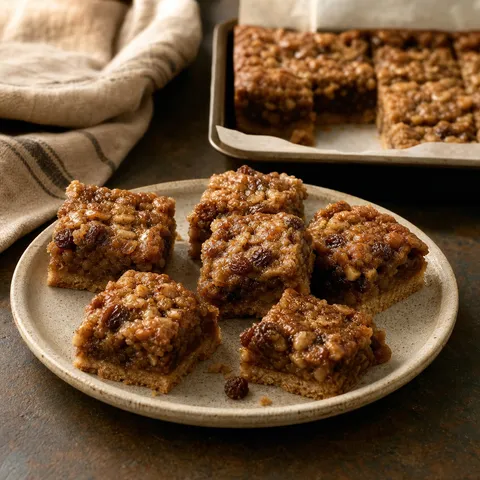 Desserts Lens Verified Images are for illustrative purposes only, may be inaccurate, and do not guarantee the presence or absence of specific ingredients.
 Buttertart Squares
Chewy butter tart squares with a shortbread base and a gooey brown sugar, raisin, and walnut topping.
 Desserts Lens Verified Images are for illustrative purposes only, may be inaccurate, and do not guarantee the presence or absence of specific ingredients.
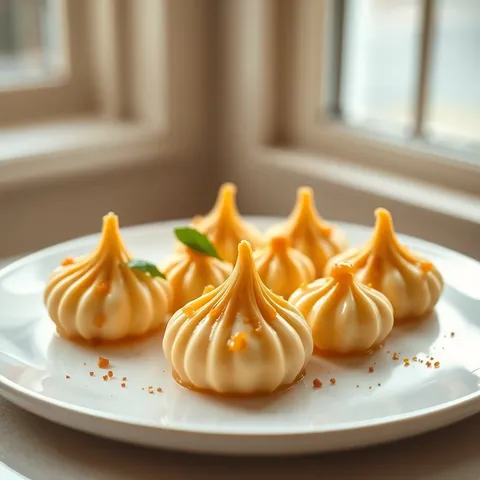
 Amber and Zach's Kisses
Light, crisp meringue kisses that melt in your mouth and make a pretty edible decoration.
 Desserts Lens Verified Images are for illustrative purposes only, may be inaccurate, and do not guarantee the presence or absence of specific ingredients.
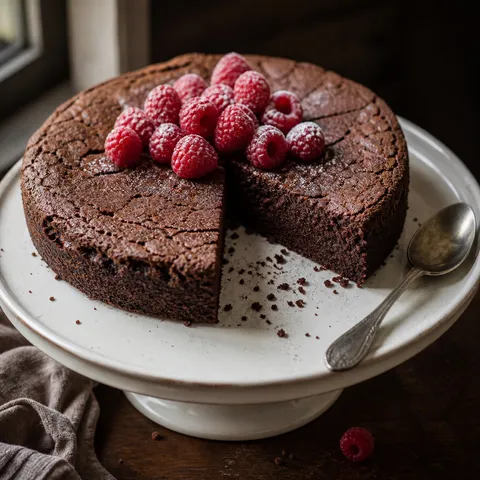
 Passover Flourless Chocolate Cake
A rich, dense flourless chocolate cake with no flour, matzo meal, or leavening — a naturally kosher-for-Passover dessert perfect for the seder table.