 Desserts Images are for illustrative purposes only, may be inaccurate, and do not guarantee the presence or absence of specific ingredients.
  Serving Images are for illustrative purposes only, may be inaccurate, and do not guarantee the presence or absence of specific ingredients.
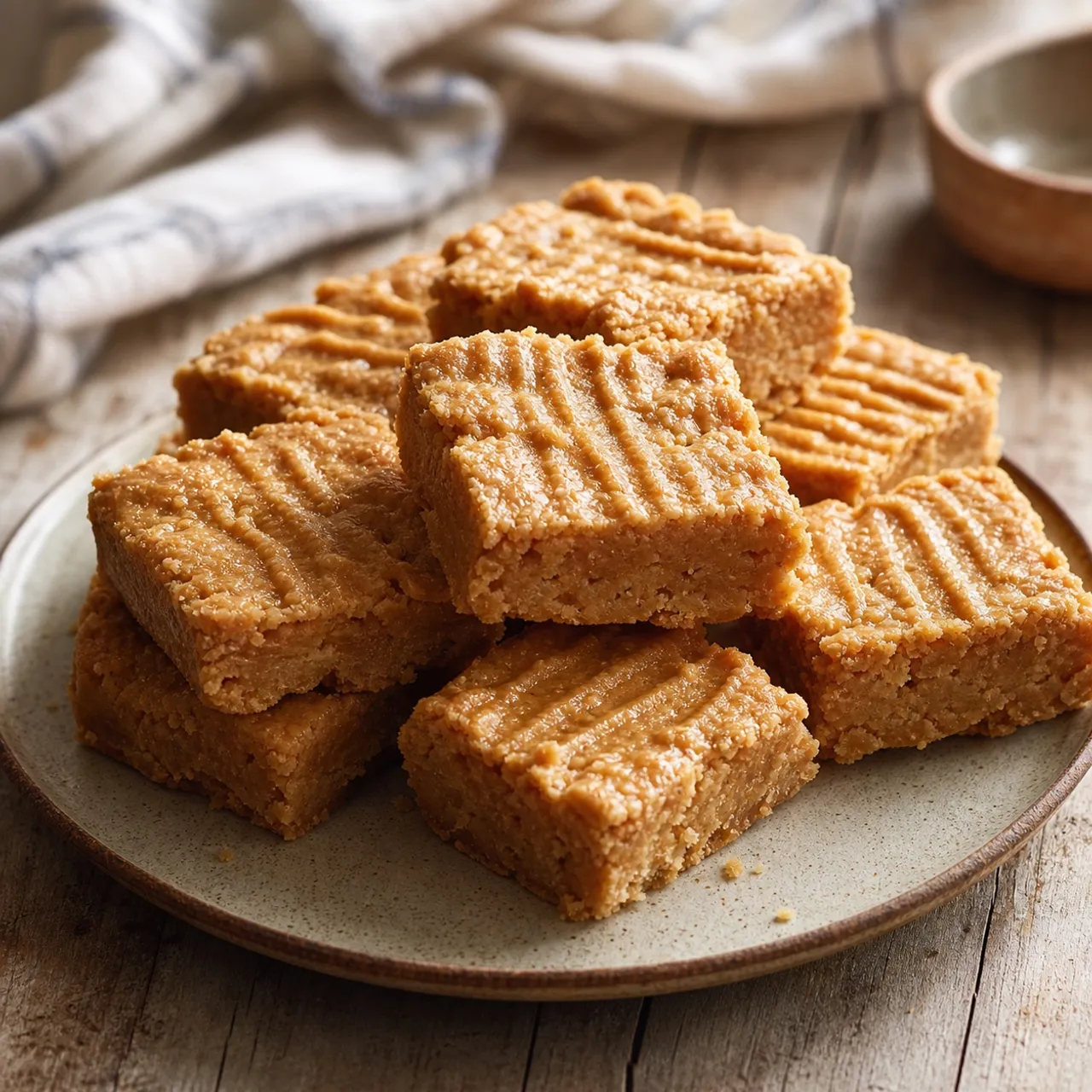
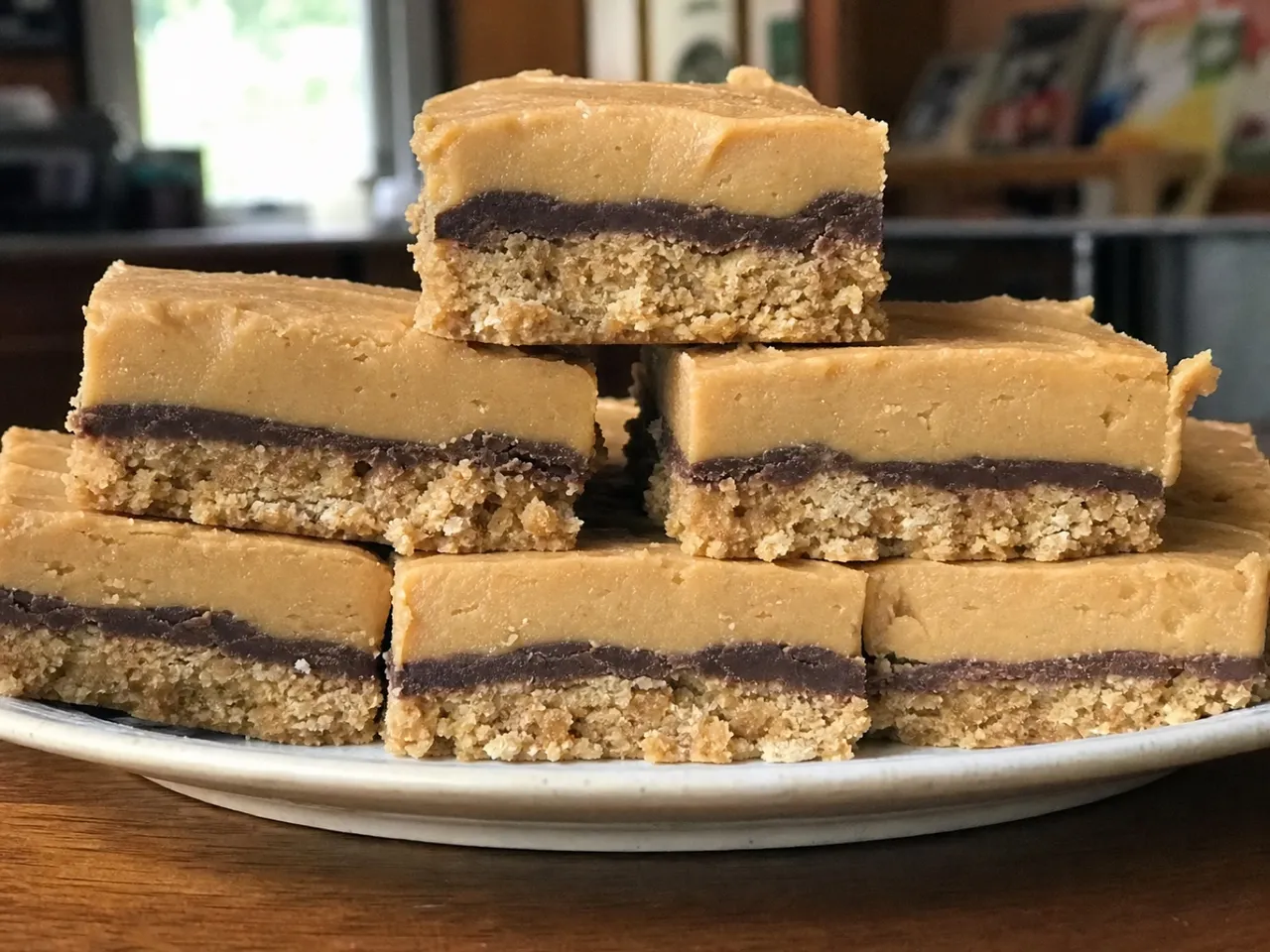
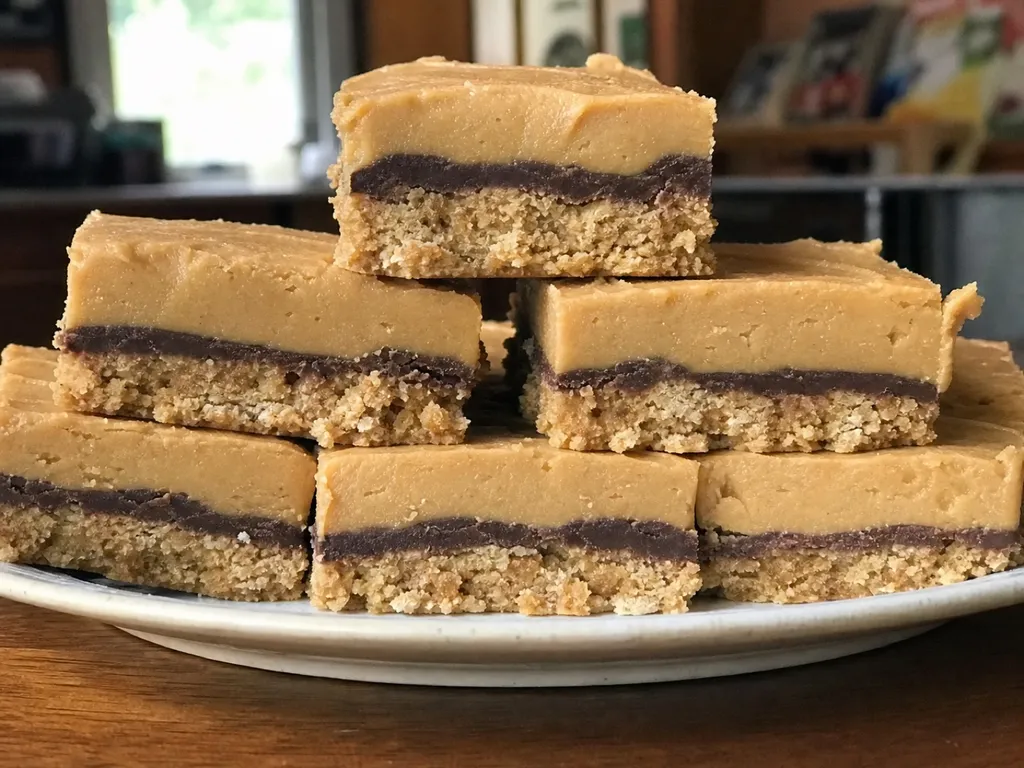
 Peanut Butter Bars
Chewy peanut butter and oat bars topped with melting chocolate chips and a sweet peanut butter glaze.
Contains common allergens
In the app, Listahan checks these against your household automatically.
Instructions
5 steps- 1
Preheat the oven to 350°F (175°C) and grease a 13x9x2-inch baking pan. In a large bowl, cream the butter, margarine, brown sugar, and granulated sugar with an electric mixer on medium speed until light and fluffy.
- 2
Beat in the egg and vanilla, then blend in 1 cup peanut butter. Sift together the flour, baking soda, and salt, then stir the dry ingredients into the creamed mixture until well blended. Stir in the oats.
- 3
Spread the mixture evenly in the prepared pan and sprinkle the chocolate chips over the top.
- 4
Bake for about 25 minutes, until set and golden. Cool in the pan on a rack until just warm.
- 5
Make the glaze: beat the confectioners' sugar, 2 tablespoons peanut butter, melted butter, milk, and vanilla together until smooth. Drizzle over the warm bars, then let cool completely and cut into about 48 small bars.
 Images are for illustrative purposes only, may be inaccurate, and do not guarantee the presence or absence of specific ingredients.
 Listahan Family Score™
69/100
Works for many families
Score reflects how well this recipe fits a typical busy household. In the app, your Family Score is personalized to your household's allergens, kids, and pantry.
Nutrition
per serving165
Calories
3 g
Protein
19 g
Carbs
9 g
Fat
Estimated per serving. Actual values depend on the brands and portions you use.
Listahan cooking guide
Chef notes & practical guide
Technique notes, ingredient swaps, serve-alongside ideas, storage guidance, and equipment for this recipe.
Cultural context
Peanut butter bars occupy the same American tradition as peanut butter cookies -- a simple, satisfying bake that emerged in the 1930s alongside the mass-market rise of commercial peanut butter, which had been invented at the turn of the century as a protein supplement for people who could not chew meat. The combination of peanut butter, rolled oats, chocolate chips, and a peanut butter glaze on a bar format draws from three overlapping American baking traditions: the oatmeal bar, the no-bake peanut butter ball, and the frosted sheet-cake square found in school cafeterias and church potlucks across the Midwest.
Listahan note
This version uses both butter and margarine for the base (producing a softer, more pliable bar than all-butter) and adds a separate peanut butter glaze that sets firm enough to stack, making these ideal for potlucks and bake sales.
Technique cues
- Cream the fats, sugars, and peanut butter together before adding eggs to build a stable emulsion; adding eggs too early to un-creamed fat can cause the batter to appear curdled, which results in a greasy bar rather than a cohesive one.
- Press the batter into the pan in a thin, even layer -- about three-quarters of an inch deep -- so the bars bake through without the exterior drying out before the interior sets; a pan that is too small produces a thick bar that is raw in the center.
- Spread the chocolate chips over the hot bars the moment they come out of the oven and allow them to sit for 2-3 minutes before spreading; the residual heat melts the chips into a smooth, even layer that serves as a natural adhesive for the peanut butter glaze applied on top.
Kitchen flow
- Parallel prep
- Mix the glaze ingredients together while the bars bake so it is ready to spread the moment the chocolate chips have been melted and smoothed.
- Make-ahead
- Bars can be baked and glazed up to 2 days ahead; store covered at room temperature and they will actually firm up into cleaner-cutting squares overnight.
- Leftover move
- Crumble leftover bars over a bowl of vanilla ice cream, or chop into rough chunks and stir into a batch of no-churn ice cream before freezing.
- Cleanup rhythm
- Line the pan with foil before pressing in the batter; the bars lift out as a slab after cooling and the pan stays virtually clean.
Ingredient brief
Role, handling, and swap guidance for each key ingredient.
1 cup peanut butter
primary flavor and binder (base + glaze)
Purpose: Peanut butter appears in both the bar base and the glaze, unifying the flavor throughout and acting as a fat-based binder that gives the bars their characteristic dense, slightly sticky texture.
Handling: Use conventional creamy peanut butter (not natural/drippy style) for both; natural peanut butter has separated oil that can make the batter greasy and the glaze oily.
Adaptation: Almond butter or sunflower seed butter can replace peanut butter in both components for a tree-nut or peanut-free version.
1 1/2 cups rolled oats
texture and bulk
Purpose: Rolled oats add chewiness and a slightly nutty flavor that pairs naturally with peanut butter, and they extend the batter without adding flour, which would make the bars tougher.
Handling: Use old-fashioned rolled oats, not quick oats; quick oats absorb more moisture and produce a denser, gummier bar.
Adaptation: Certified gluten-free rolled oats make the recipe gluten-free in combination with a gluten-free flour swap.
1 cup chocolate chips
chocolate layer and flavor contrast
Purpose: The chocolate layer between bar and glaze creates the flavor contrast that makes peanut butter bars instantly recognizable as a peanut-butter-cup-inspired treat.
Handling: Spread directly from the bag onto the hot bars without stirring; they melt from the residual heat of the pan.
Adaptation: Dark chocolate chips (70% or higher) reduce the sweetness and pair well with the peanut butter glaze.
1 cup confectioners' sugar
glaze structure
Purpose: Powdered sugar dissolves easily into the peanut butter and butter glaze, creating a spreadable topping that sets firm at room temperature.
Handling: Sift to remove lumps before mixing into the glaze; lumpy glaze will not spread smoothly over the chocolate layer.
Adaptation: No direct substitute; granulated sugar will not dissolve into the glaze and will leave a gritty texture.
1 1/2 cups unbleached all-purpose flour
structural flour
Purpose: Flour provides the gluten network that holds the bar together and allows it to be cut into clean squares.
Handling: Spoon into the measuring cup and level off the top -- do not scoop directly from the bag, which compacts the flour and produces up to 20% more than intended.
Adaptation: A 1-to-1 gluten-free baking blend can replace all-purpose flour; the bars will be slightly crumblier but still cohesive.
Technique notes
- Do not overbake; the bars should look just barely set in the center when you pull them from the oven -- they firm up significantly as they cool, and an overbaked bar is dry and crumbly rather than chewy.
- Let the chocolate layer set for at least 5 minutes before spreading the peanut butter glaze; spreading glaze onto still-liquid chocolate causes the two layers to blend together rather than forming distinct strata.
- Cut with a sharp, warm knife (dip in hot water and wipe dry between cuts) for clean edges through the firm chocolate and glaze layers.
Ingredient swaps
- Peanut-free direction
- Replace all peanut butter (base and glaze) with sunflower seed butter at the same quantity; the flavor is slightly earthier but the texture is identical.
- Dairy-free direction
- Use dairy-free margarine throughout and dairy-free chocolate chips; vegan butter sticks also work in the same quantity as the butter component.
- Gluten-free direction
- Replace the flour with a 1-to-1 gluten-free baking blend and use certified gluten-free oats; no other changes are needed.
Serve alongside
- cold whole milk
- sliced bananas for a peanut-butter-banana combination
- a simple fruit salad to balance the richness
- cold whole milk
- hot coffee with cream
- chocolate milk
Serving suggestions only — check pairings for your household's allergens.
Storage & reheating
- Store in an airtight container at room temperature for up to 5 days; separate layers with parchment paper.
- Refrigerate for up to 2 weeks; the bars firm up when cold -- allow 15-20 minutes at room temperature before serving for the best texture.
- Freeze individually wrapped bars for up to 3 months; thaw at room temperature for 1-2 hours.
Equipment
- 9x13-inch baking pan
- aluminum foil or parchment paper for lining
- stand mixer or hand mixer
- offset spatula for spreading the glaze
Make this household-aware
Listahan Pro checks this recipe against your household's allergens, finds pantry-aware swaps, builds the shopping list, and helps you plan the week around it.
Plan it in Listahan
Add Peanut Butter Bars to your week, check it against your household's allergens, and build the shopping list automatically.
More Desserts recipes
 Desserts Lens Verified Images are for illustrative purposes only, may be inaccurate, and do not guarantee the presence or absence of specific ingredients.
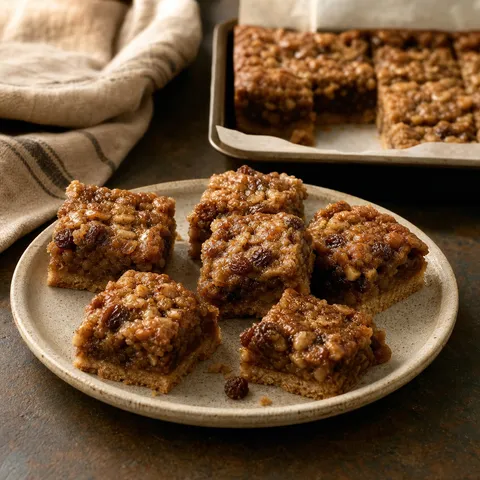
 Buttertart Squares
Chewy butter tart squares with a shortbread base and a gooey brown sugar, raisin, and walnut topping.
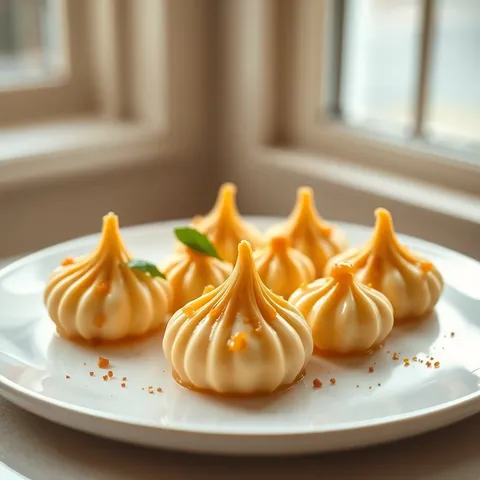 Desserts Lens Verified Images are for illustrative purposes only, may be inaccurate, and do not guarantee the presence or absence of specific ingredients.
 Amber and Zach's Kisses
Light, crisp meringue kisses that melt in your mouth and make a pretty edible decoration.
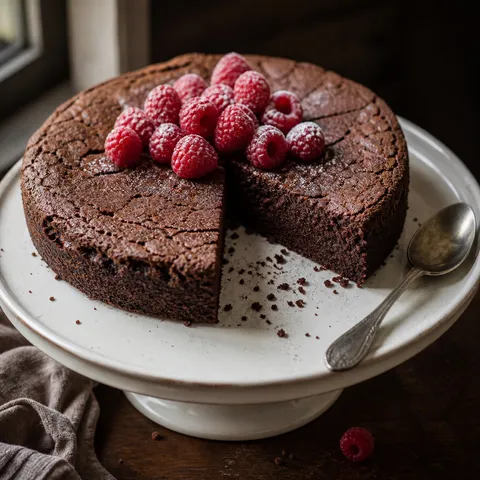 Desserts Lens Verified Images are for illustrative purposes only, may be inaccurate, and do not guarantee the presence or absence of specific ingredients.
 Passover Flourless Chocolate Cake
A rich, dense flourless chocolate cake with no flour, matzo meal, or leavening — a naturally kosher-for-Passover dessert perfect for the seder table.