 Desserts Images are for illustrative purposes only, may be inaccurate, and do not guarantee the presence or absence of specific ingredients.
 Serving Images are for illustrative purposes only, may be inaccurate, and do not guarantee the presence or absence of specific ingredients.
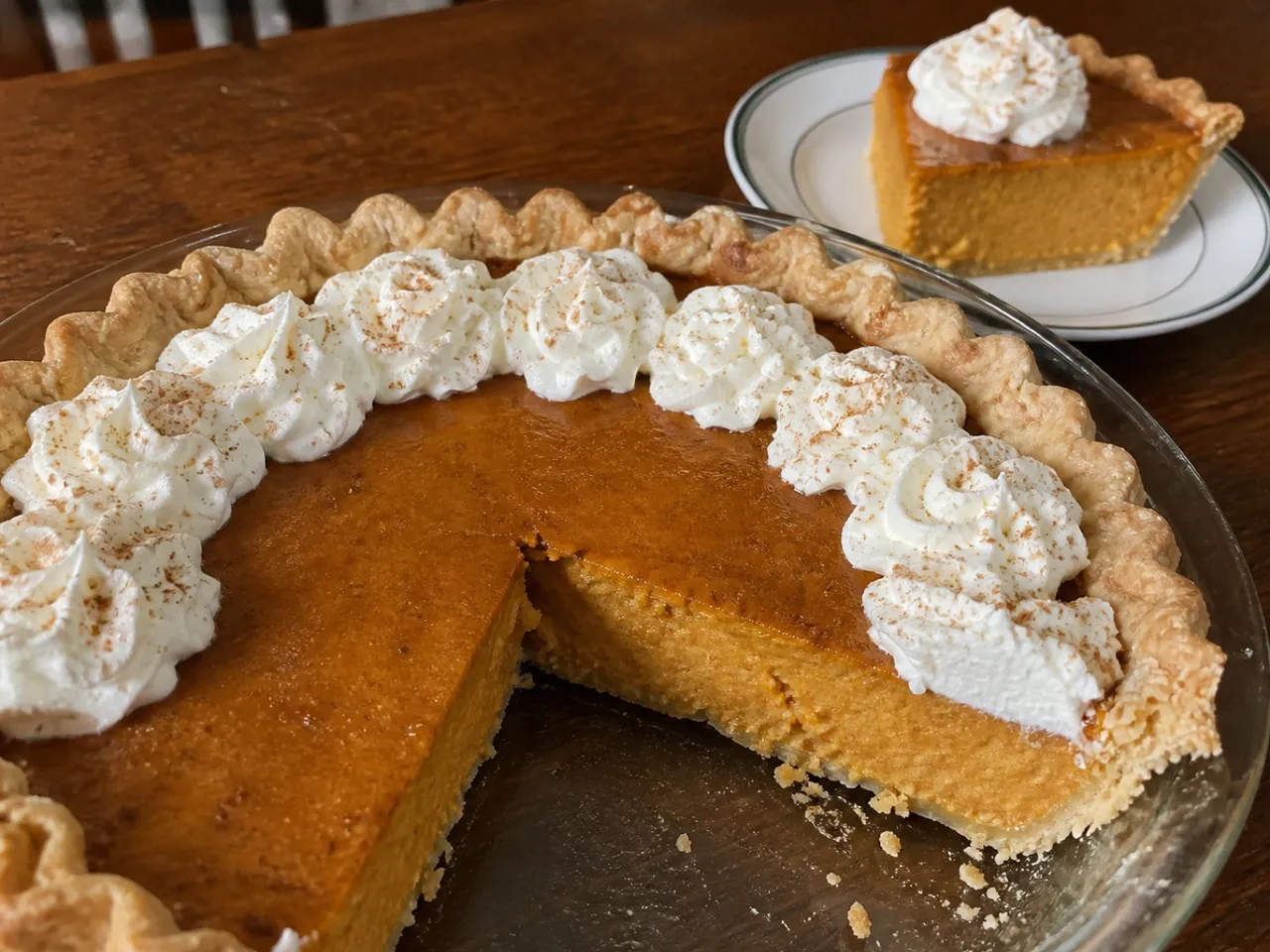
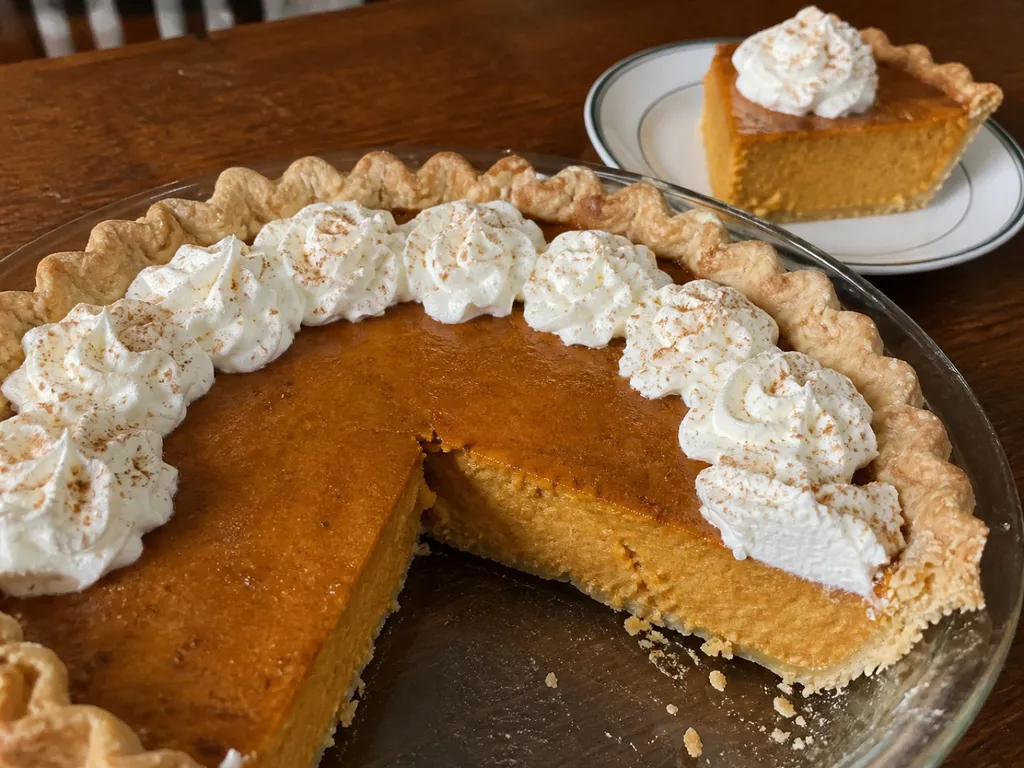
Sweet Potato Custard Pie
A silky, lightly spiced sweet potato custard pie with warm notes of nutmeg, cinnamon, and orange.
Contains common allergens
In the app, Listahan checks these against your household automatically.
Instructions
5 steps- 1
Preheat the oven to 400°F (205°C). In a large bowl, whisk together the eggs, sugar, salt, nutmeg, cinnamon, orange rind, and milk until smooth.
- 2
Peel and grate the raw sweet potato just before adding it, then stir it into the milk mixture so it does not discolor.
- 3
Stir in the melted butter until fully incorporated.
- 4
Pour the filling into the unbaked pie shell, spreading it evenly.
- 5
Bake for 45 to 50 minutes, until a knife inserted 1 inch from the edge comes out clean and the custard is just set. Serve slightly warm or chilled.
 Images are for illustrative purposes only, may be inaccurate, and do not guarantee the presence or absence of specific ingredients.
Listahan Family Score™
74/100
Good fit for most families
Score reflects how well this recipe fits a typical busy household. In the app, your Family Score is personalized to your household's allergens, kids, and pantry.
Nutrition
per serving195
Calories
3 g
Protein
31 g
Carbs
7 g
Fat
Estimated per serving. Actual values depend on the brands and portions you use.
Listahan cooking guide
Chef notes & practical guide
Technique notes, ingredient swaps, serve-alongside ideas, storage guidance, and equipment for this recipe.
Cultural context
Sweet potato pie is a cornerstone of African American Southern cooking, developed during the antebellum period when sweet potatoes were a primary crop available to enslaved people who created a custard-style pie using the sweet potato as the base. It predates and runs parallel to pumpkin pie in American dessert history — both are spiced custard pies using a starchy vegetable — but sweet potato pie has a distinct earthy sweetness and a slightly denser, more flavorful filling. This grated-sweet-potato version is notable for maintaining visible texture in the custard.
Listahan note
This version uses raw grated sweet potato (rather than cooked mashed) stirred into the custard, creating a filling that sets with a slightly rustic texture and orange fleck throughout rather than a completely smooth puree.
Technique cues
- Grating raw sweet potato rather than using mashed cooked potato means the starch releases gradually into the custard as it bakes, producing a slightly more textured, cohesive filling rather than a perfectly smooth one — this is a distinct stylistic choice, not a shortcut.
- Orange rind brightens the filling considerably; sweet potato's earthiness benefits from citrus zest in the same way pumpkin pie benefits from ginger — do not skip it or substitute bottled orange extract, which reads as artificial.
- Blind-bake the pie shell for 10-12 minutes before adding the filling if you want a crisp bottom crust — skipping this step with a wet custard filling risks a soggy, underbaked bottom.
Kitchen flow
- Parallel prep
- Grate the sweet potato and prepare the pie shell while the oven preheats; the filling comes together quickly once the ingredients are ready.
- Make-ahead
- The pie is best made a day ahead and refrigerated overnight — the custard firms further and the flavors develop; bring to room temperature for 30 minutes before serving.
- Leftover move
- Leftover slices are excellent chilled from the refrigerator, served with a dollop of whipped cream — no reheating necessary.
- Cleanup rhythm
- The grater and mixing bowl are the main items; soak the grater immediately in warm water to prevent sweet potato starch from hardening in the holes.
Ingredient brief
Role, handling, and swap guidance for each key ingredient.
1 large raw sweet potato (about 1 1/2 cups grated)
filling base and flavor
Purpose: Raw grated sweet potato integrates into the custard as it bakes, providing the signature orange color, sweetness, and earthy flavor of the pie.
Handling: Grate on the large holes of a box grater; no need to squeeze out liquid as the custard needs that moisture to set properly.
Adaptation: Cooked mashed sweet potato (1 1/2 cups) produces a smoother, more uniform filling that bakes slightly faster.
2 large eggs
custard binder
Purpose: Eggs set the liquid custard into a sliceable filling during baking; without them the filling stays liquid.
Handling: Whisk well before combining with the other wet ingredients to prevent streaks in the finished filling.
Adaptation: No reliable egg substitute for a custard pie application.
1 1/2 cups whole milk
custard liquid and richness
Purpose: Whole milk provides the body of the custard; the fat content contributes to a smooth, creamy set.
Handling: Add at room temperature to help the filling mix evenly.
Adaptation: Evaporated milk (one 12-oz can) produces a richer, more concentrated custard with a creamier texture.
3 Tbsp butter, melted
richness and flavor depth
Purpose: Melted butter adds a subtle richness to the filling and helps the spices bloom.
Handling: Cool slightly before adding to the egg mixture so it does not begin to cook the eggs.
Adaptation: Coconut oil (same quantity, melted) works as a dairy-free alternative with a subtle tropical undertone.
1 tsp grated orange rind
citrus brightness
Purpose: Orange zest cuts through the earthiness and sweetness of the sweet potato, lifting the whole flavor profile of the custard.
Handling: Grate on a microplane directly into the filling; avoid the white pith which is bitter.
Adaptation: Lemon zest (1/2 tsp) is a lighter alternative; omit entirely if citrus is not desired but the pie will taste flatter.
Technique notes
- The pie is done when the edges are set and the center still has a slight wobble — it will firm fully as it cools; overbaking causes the custard to crack and weep liquid.
- Cover the pie crust edges with foil or a pie shield after the first 20 minutes of baking to prevent overbrowning before the filling sets.
- Cool the pie completely on a wire rack before refrigerating — trapping steam under plastic wrap while warm causes condensation that makes the crust soggy.
Ingredient swaps
- Dairy-free option
- Replace whole milk with full-fat oat milk or coconut milk and use melted coconut oil in place of butter; the custard will still set correctly.
- Gluten-free direction
- Use a gluten-free pre-made pie shell or a press-in almond flour crust (1 1/2 cups almond flour, 3 Tbsp butter, 1 Tbsp sugar, pressed in and pre-baked 10 minutes).
- Spice amplification
- Add 1/4 tsp ground cloves and 1/4 tsp allspice to the filling for a deeper, more warming spice profile.
Serve alongside
- freshly whipped cream with a pinch of cinnamon
- a small scoop of vanilla ice cream
- candied pecans sprinkled over each slice
- chai latte or spiced black tea
- cold sweet tea
- spiced hot apple cider
Serving suggestions only — check pairings for your household's allergens.
Storage & reheating
- Refrigerate loosely covered for up to 4 days; the crust will soften slightly by day 2 but the filling remains excellent.
- Serve cold or at room temperature; warming in the oven at 300 F for 10 minutes restores some crust crispness.
- Do not freeze — custard pies do not freeze well and thaw watery.
Equipment
- 9-inch pie dish
- box grater with large holes
- large mixing bowl
- pie shield or foil strips for protecting the crust edges
Make this household-aware
Listahan Pro checks this recipe against your household's allergens, finds pantry-aware swaps, builds the shopping list, and helps you plan the week around it.
Plan it in Listahan
Add Sweet Potato Custard Pie to your week, check it against your household's allergens, and build the shopping list automatically.
More Desserts recipes
 Desserts Lens Verified Images are for illustrative purposes only, may be inaccurate, and do not guarantee the presence or absence of specific ingredients.
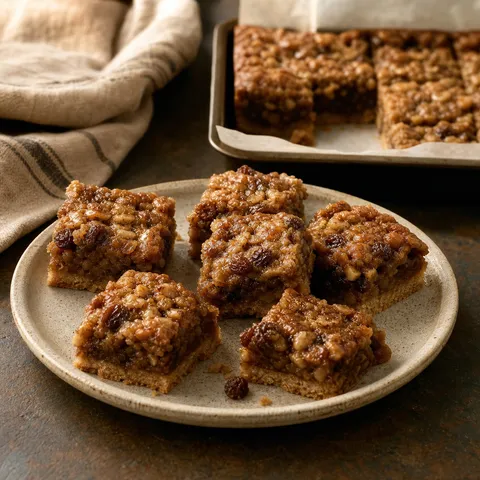
Buttertart Squares
Chewy butter tart squares with a shortbread base and a gooey brown sugar, raisin, and walnut topping.
 Desserts Lens Verified Images are for illustrative purposes only, may be inaccurate, and do not guarantee the presence or absence of specific ingredients.
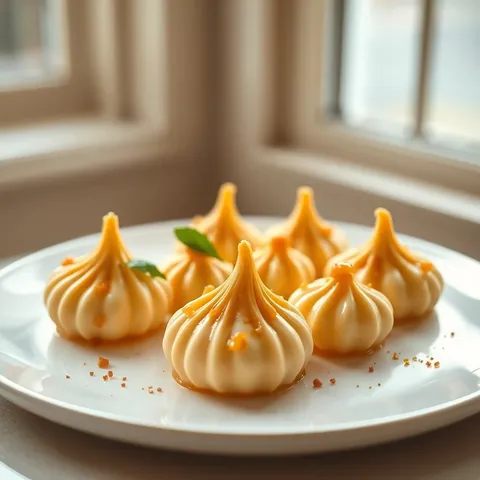
Amber and Zach's Kisses
Light, crisp meringue kisses that melt in your mouth and make a pretty edible decoration.
 Desserts Lens Verified Images are for illustrative purposes only, may be inaccurate, and do not guarantee the presence or absence of specific ingredients.
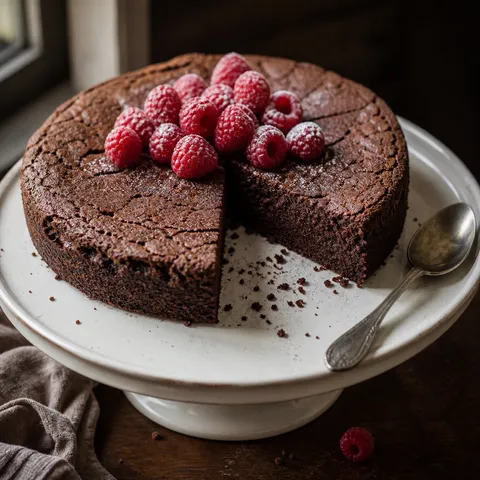
Passover Flourless Chocolate Cake
A rich, dense flourless chocolate cake with no flour, matzo meal, or leavening — a naturally kosher-for-Passover dessert perfect for the seder table.