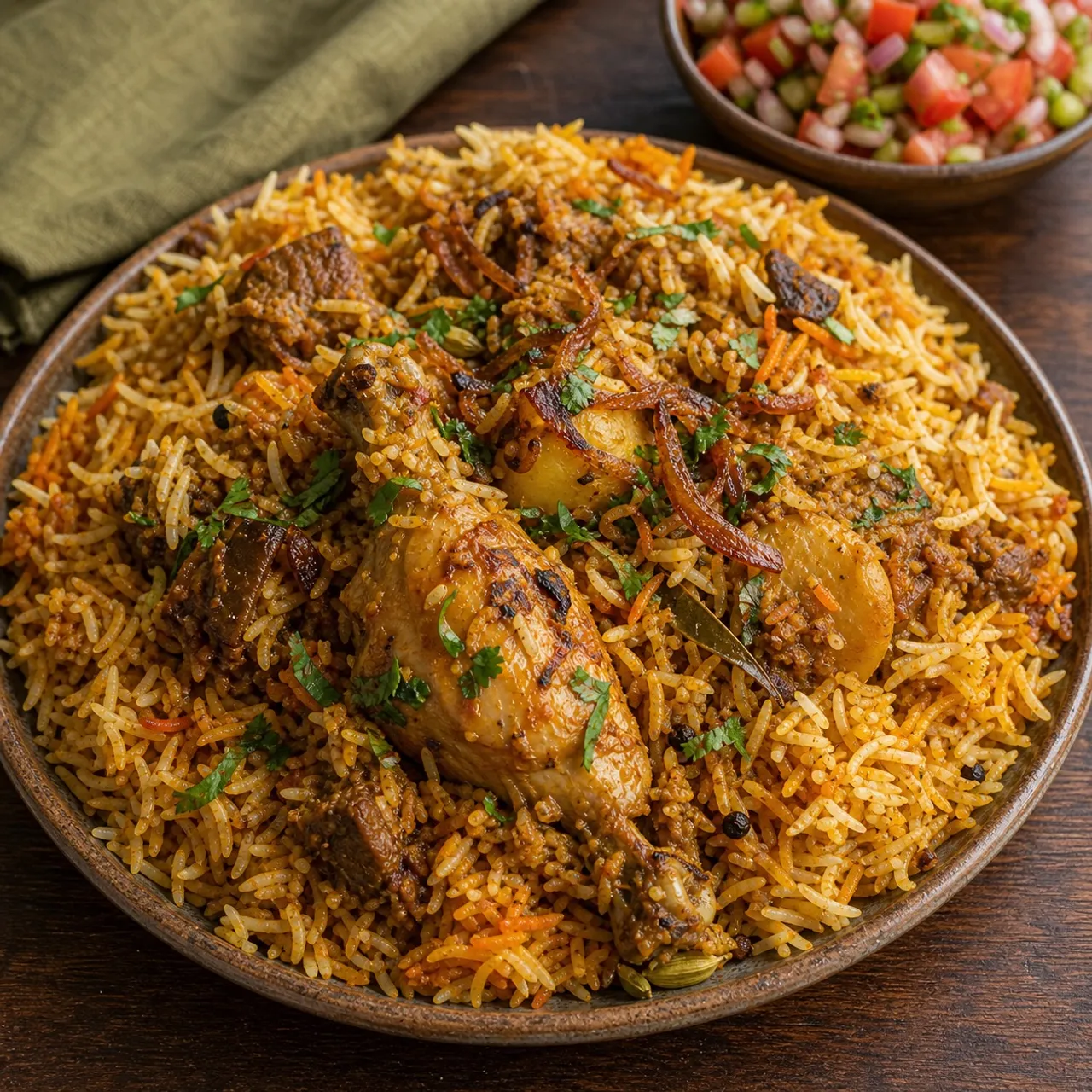
 East African Images are for illustrative purposes only, may be inaccurate, and do not guarantee the presence or absence of specific ingredients.
 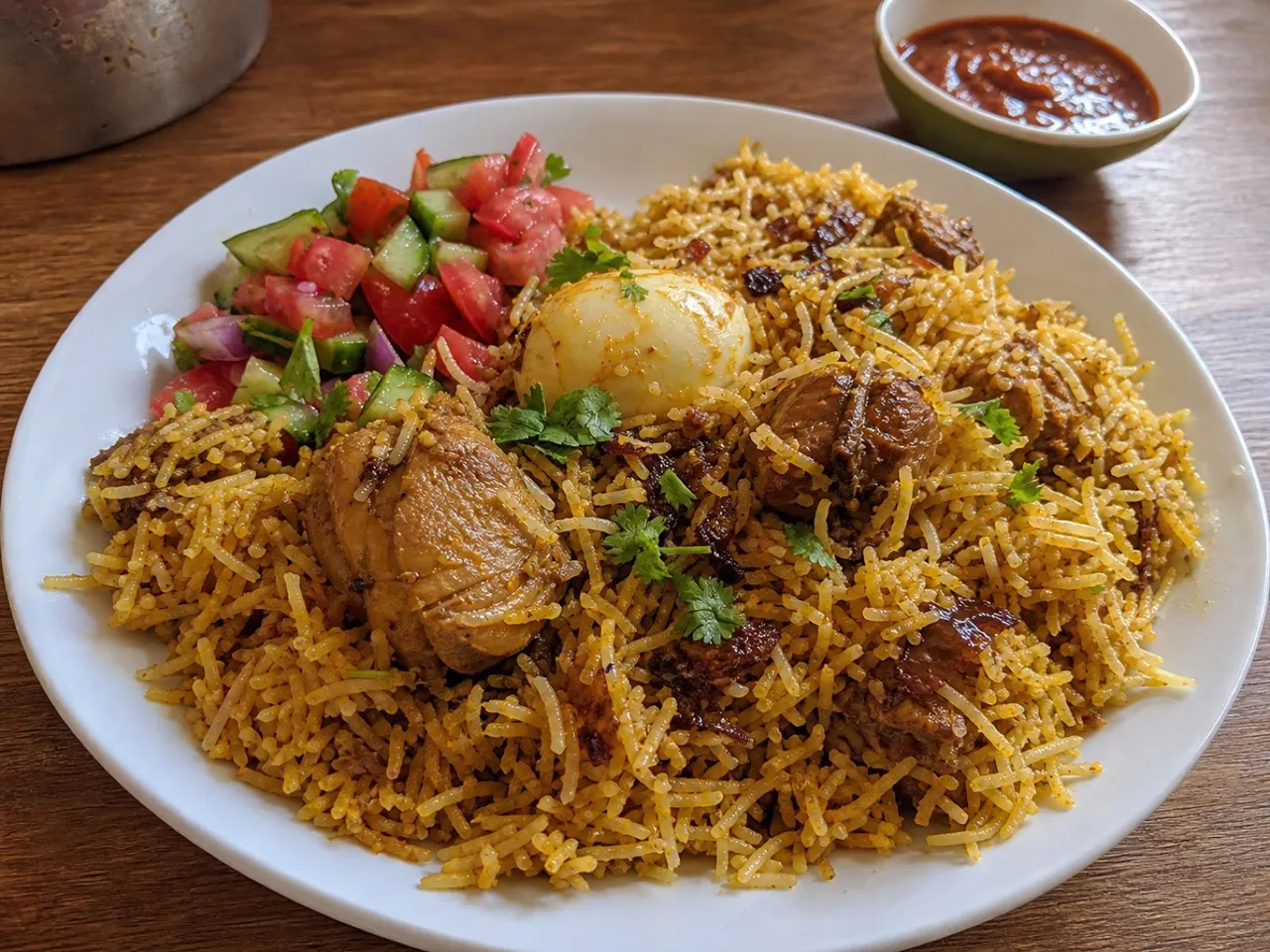 Serving Images are for illustrative purposes only, may be inaccurate, and do not guarantee the presence or absence of specific ingredients.
 Biryani
East African layered rice perfumed with saffron, cardamom, and rose water, slow-cooked with tender spiced meat until fragrant steam fills the whole kitchen.
Contains common allergens
In the app, Listahan checks these against your household automatically.
Instructions
6 steps- 1
Heat ghee in a large heavy pot and fry the sliced onions until dark golden brown and crispy. Remove half for garnish.
- 2
In the same pot, add the meat, tomatoes, yogurt, and biryani masala. Cook over medium heat until the meat is tender and covered in a thick, rich gravy (about 40 mins for beef, 20 mins for chicken).
- 3
In a separate large pot, boil the soaked basmati rice in heavily salted water for exactly 5 minutes until it is 70% cooked. Drain immediately.
- 4
Layer the partially cooked rice evenly over the thick meat curry in the heavy pot.
- 5
Drizzle the saffron-infused milk and the reserved crispy onions over the top layer of rice.
- 6
Cover the pot with a tight-fitting lid (seal with dough or foil if needed). Cook on the lowest possible heat for 20 minutes to allow the steam to finish cooking the rice and meld the flavors.
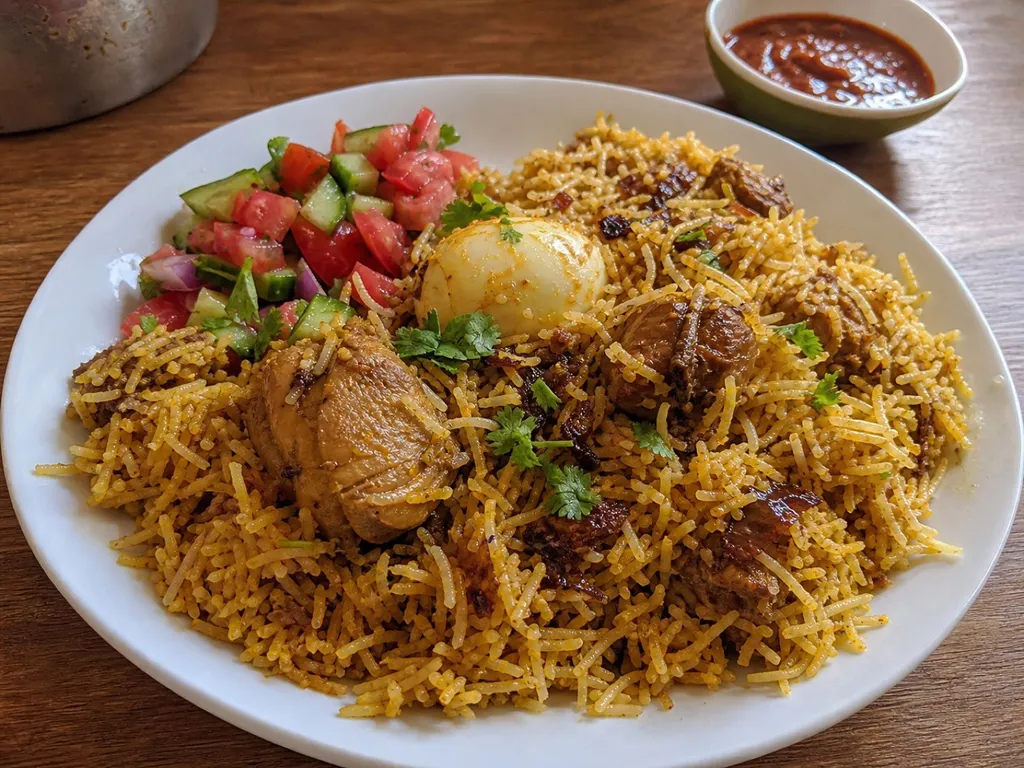 Images are for illustrative purposes only, may be inaccurate, and do not guarantee the presence or absence of specific ingredients.
 Listahan Family Score™
68/100
Works for many families
Score reflects how well this recipe fits a typical busy household. In the app, your Family Score is personalized to your household's allergens, kids, and pantry.
Nutrition
per serving895
Calories
57 g
Protein
86 g
Carbs
36 g
Fat
Estimated per serving. Actual values depend on the brands and portions you use.
Listahan cooking guide
Chef notes & practical guide
Technique notes, ingredient swaps, serve-alongside ideas, storage guidance, and equipment for this recipe.
Cultural context
East African Biryani — especially the Zanzibari and coastal Kenyan versions — is distinct from South Asian biryanis in its heavier use of whole spices, the inclusion of fried caramelized onions as both flavoring and garnish, and the influence of Omani Arab traders who shaped Swahili Coast cuisine for over 500 years. The dish traveled along the Indian Ocean trade routes and was transformed along the way, incorporating the local preference for coconut, rosewater, and an abundance of saffron, making Zanzibari biryani one of the most aromatic versions anywhere. It is the prestige dish of Swahili celebrations — weddings, Eid, and naming ceremonies — and is expected to be the most labor-intensive offering at any feast.
Listahan note
This version uses the par-cook and layer (dum) method — the rice is parboiled, layered over the spiced meat, and sealed to steam finish — which is the technique that produces the characteristic fluffy, separate, saffron-tinged grains of a proper biryani rather than a rice-and-meat pilaf.
Technique cues
- The dum method (sealing the pot and cooking over very low heat for the final steam) is not optional — it is what differentiates biryani from pilau: the rice finishes cooking in the aromatic steam trapped above the meat, absorbing spice without direct contact with the braising liquid.
- Frying the sliced onions until deep golden-brown (almost mahogany) requires patience and a hot, wide pan — these caramelized onion crisps are folded into the dish and scattered on top, and their bitter-sweet concentrated flavor is a major component of the finished biryani, not just a garnish.
- Saffron must bloom properly: soak the threads in 3-4 tablespoons of warm (not boiling) milk for at least 15 minutes to extract both the golden color and the floral-honey aroma before drizzling over the rice layers — dry saffron added directly will color unevenly and the flavor will not fully release.
Kitchen flow
- Parallel prep
- Marinate the meat the night before; on cooking day, fry the onions first (they stay crisp for hours), then braise the meat while parboiling the rice so both are ready to layer at the same time.
- Make-ahead
- The meat braise can be fully prepared up to a day ahead and refrigerated; parboil the rice and assemble for the dum stage up to 2 hours before serving, holding in the covered pot at room temperature.
- Leftover move
- Reheat leftover biryani with 2-3 tablespoons of water in a heavy covered pot over very low heat for 15 minutes — this recreates the original dum steam and revives the texture better than any other reheating method.
- Cleanup rhythm
- The biggest cleanup is the onion-frying pan, which needs soaking in hot soapy water immediately after draining the onions; the biryani pot cleans easily after serving if you soak it while the meal is enjoyed.
Ingredient brief
Role, handling, and swap guidance for each key ingredient.
2 cups basmati rice (soaked)
grain base and structural component
Purpose: Soaking basmati for 30 minutes before parboiling allows the grains to expand without breaking during the two-stage cook.
Handling: Soak in cold water for 30 minutes, drain, then parboil in salted boiling water until 70% cooked (grains are still white in the center) — about 5-6 minutes; drain immediately.
Adaptation: No substitute for aged long-grain basmati in a proper biryani — younger or medium-grain rice breaks down and produces a mushy result.
1.5 lbs chicken or beef
primary protein
Purpose: The meat braises in the spiced yogurt-tomato mixture and becomes the bottom layer of the biryani, providing both flavor and the steam-generating liquid for the dum.
Handling: Cut into large (2-3 inch) pieces and marinate in the yogurt and spices for at least 2 hours, or overnight, to tenderize and absorb flavor.
Adaptation: Lamb shoulder is the most traditional East African biryani meat; vegetables (cauliflower, potato, carrot) can replace the meat entirely for a vegetarian version.
1 cup plain yogurt
marinade and tenderizer
Purpose: Yogurt's lactic acid tenderizes the meat and provides moisture that prevents burning during the initial braise and later dum stage.
Handling: Use full-fat yogurt for the richest result; mix with the spices and coat the meat completely before refrigerating.
Adaptation: Coconut yogurt works for a dairy-free version and adds a complementary flavor to the Swahili Coast spice profile.
2 tbsp biryani masala
primary spice blend
Purpose: Biryani masala is a complex pre-blended mix of whole-ground spices (cloves, cardamom, cinnamon, star anise, bay leaf, mace) that provides the multi-layered warmth of a proper biryani without requiring the cook to source and grind a dozen individual spices.
Handling: Add to the yogurt marinade and to the caramelized onion base for two distinct spice introductions — marinade and bloom.
Adaptation: Garam masala plus a small amount of ground cardamom and a pinch of star anise is a workable substitute with a slightly less complex result.
1 tsp saffron threads (soaked in warm milk)
color, aroma, and visual drama
Purpose: Saffron is what makes the top layer of a biryani luminously golden and gives it the unique floral-honey aroma that no other spice can replicate.
Handling: Soak in 3-4 tablespoons of warm whole milk for 15-20 minutes until the liquid turns deep orange; drizzle over the top rice layer just before sealing for the dum.
Adaptation: A pinch of turmeric dissolved in warm milk produces the yellow color but not the floral aroma of saffron — acceptable visually but a significant flavor loss.
2 large onions (thinly sliced)
flavor base and garnish
Purpose: The deeply caramelized fried onions are both the aromatic base of the meat braise and the characteristic sweet-bitter garnish scattered over the top — they are one of the most distinctive elements of East African biryani.
Handling: Slice as thin and uniformly as possible; fry in shallow oil over medium-high heat, stirring frequently, until deep mahogany brown — about 15-20 minutes. Drain on paper towels, where they will crisp as they cool.
Adaptation: No substitute — fried shallots from an Asian grocery store are an acceptable shortcut if time is very short.
Technique notes
- To seal the dum pot, use a layer of aluminum foil pressed tightly around the rim before placing the lid on top — this ensures no steam escapes and the rice finishes perfectly in the trapped moisture rather than drying out.
- The layering order matters: meat (with its braising liquid) on the bottom, two-thirds of the fried onions mixed into the meat, parboiled rice on top, saffron milk drizzled over, remaining fried onions and a few dots of ghee scattered on the surface, then seal and steam.
- Rest the biryani for 10 minutes after removing from heat and before opening the seal — this lets the steam redistribute evenly and the rice grains firm up so they do not break when you fold the layers together for serving.
Ingredient swaps
- Dairy-free direction
- Substitute coconut yogurt for plain yogurt in the marinade and use coconut milk warmed with a pinch of saffron instead of dairy milk for the saffron bloom — the coconut note is complementary in the Swahili Coast context.
- Gluten-free direction
- Already gluten-free; verify your biryani masala blend contains no additives with gluten.
- Vegetarian direction
- Replace the meat with a combination of large cauliflower florets, cubed potato, and whole mushrooms; reduce the initial braise time to 15 minutes and proceed with the layering and dum as written.
Serve alongside
- kachumbari (Kenyan fresh tomato, onion, and chili salad with lime)
- raita (yogurt with cucumber, mint, and cumin) for cooling
- Zanzibar-style pickled mango (achaar) for acidity
- papadum for crunch
- rose sherbet (rosewater, sugar, water, and milk) — traditional East African biryani accompaniment
- cold mango lassi with cardamom
Serving suggestions only — check pairings for your household's allergens.
Storage & reheating
- Refrigerate leftovers in an airtight container for up to 3 days; the rice grains firm and the flavors continue to meld.
- Reheat covered with 2-3 tablespoons of water in a heavy pot over very low heat for 12-15 minutes, or in a microwave-safe dish covered with a damp paper towel.
- Freeze in portioned containers for up to 1 month; thaw overnight in the refrigerator and reheat using the covered pot method for best texture.
Equipment
- Large heavy Dutch oven or biryani handi pot (at least 6-quart) with a tight-fitting lid
- Large pot for parboiling the rice
- Wide skillet or deep saute pan for frying the onions
- Aluminum foil for sealing the dum
Make this household-aware
Listahan Pro checks this recipe against your household's allergens, finds pantry-aware swaps, builds the shopping list, and helps you plan the week around it.
Plan it in Listahan
Add Biryani to your week, check it against your household's allergens, and build the shopping list automatically.
More East African recipes
 East African Lens Verified Images are for illustrative purposes only, may be inaccurate, and do not guarantee the presence or absence of specific ingredients.
 Viazi Karai
A Zanzibari street favorite of soft boiled potatoes coated in a turmeric-yellow batter and deep-fried until crackling, served with fiery tamarind sauce.
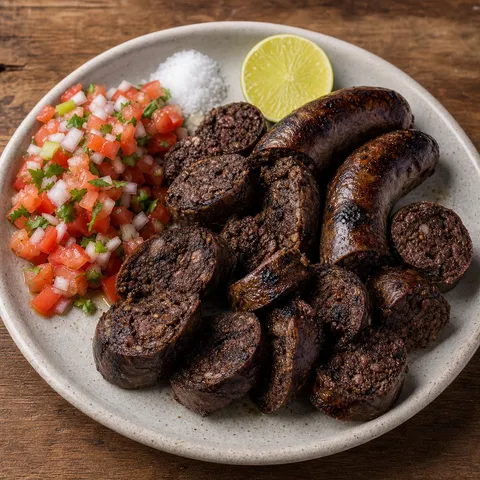 East African Lens Verified Images are for illustrative purposes only, may be inaccurate, and do not guarantee the presence or absence of specific ingredients.
 Mutura
Kenyan spiced blood sausage stuffed with meat, onion, and herbs, then grilled until the casing crisps and snaps — a bold, smoky roadside delicacy.
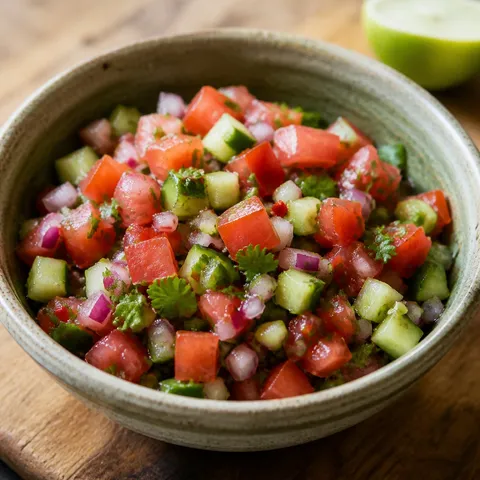 East African Lens Verified Images are for illustrative purposes only, may be inaccurate, and do not guarantee the presence or absence of specific ingredients.
 Kachumbari
Bright, refreshing salad of ripe tomatoes and sharp raw onion, spiked with chili and lime — the cool, crisp counterpoint to rich East African grills.