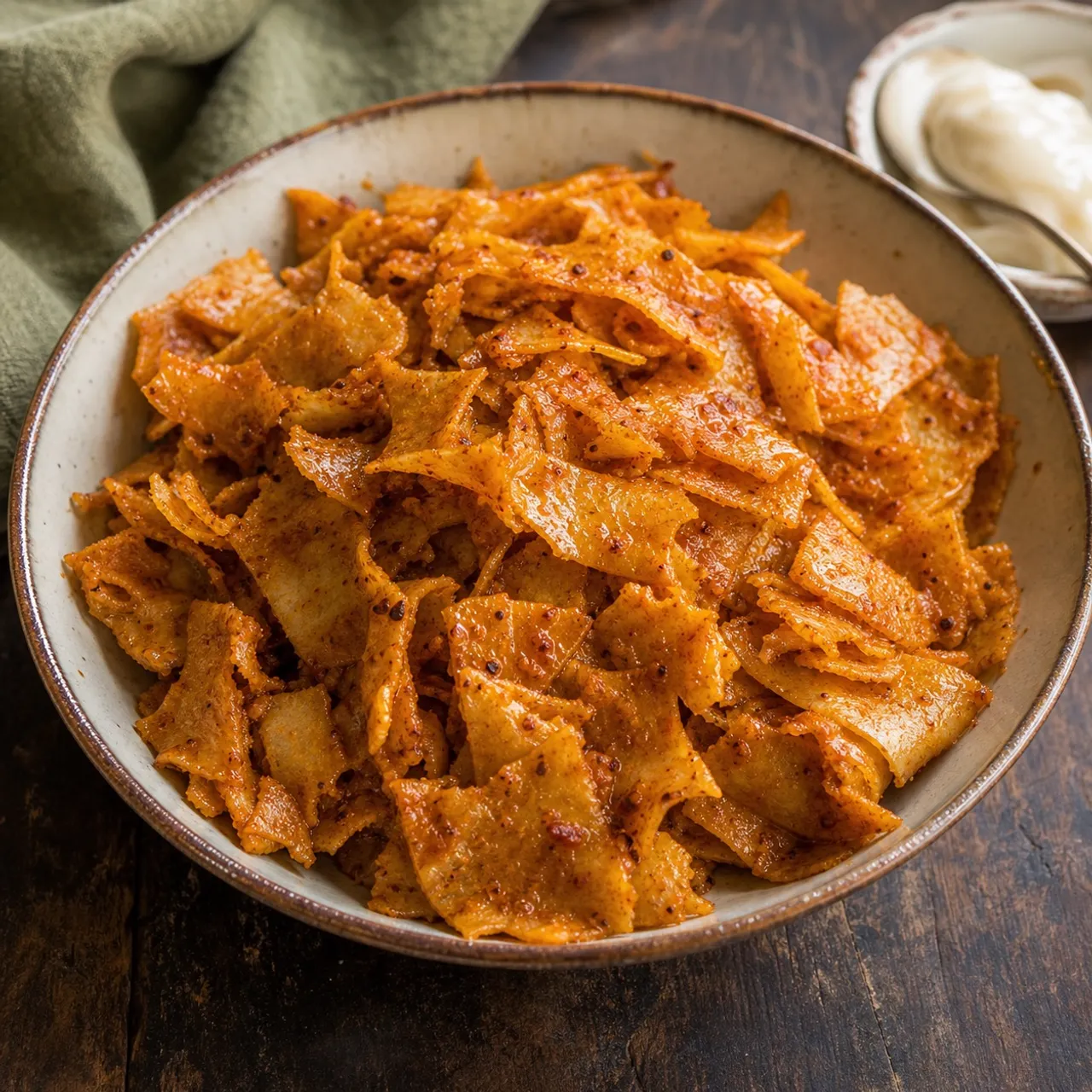
 East African Images are for illustrative purposes only, may be inaccurate, and do not guarantee the presence or absence of specific ingredients.
 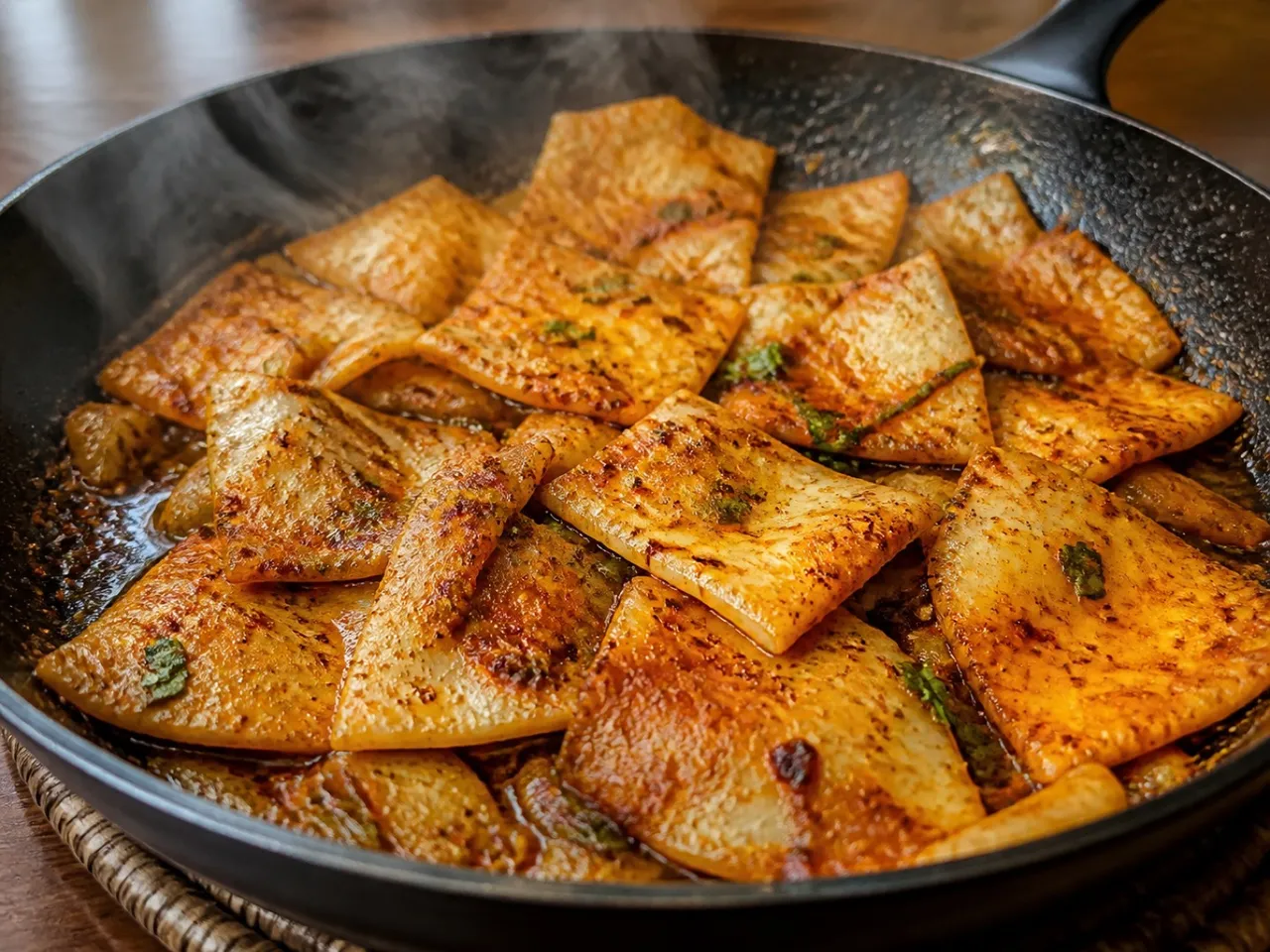 Serving Images are for illustrative purposes only, may be inaccurate, and do not guarantee the presence or absence of specific ingredients.
 Chechebsa
Torn flatbread tossed in fragrant niter kibbeh and berbere until every piece is coated in spiced butter — Ethiopia's rich, warming morning classic.
Contains common allergens
In the app, Listahan checks these against your household automatically.
Good to know
- Ready in under 30 minutes
Matched from this dish's own ingredients and timing. Browse more: 30-minute meals
Instructions
8 steps- 1
In a bowl, combine the flour, salt, and yeast if using, then gradually stir in the warm water to form a soft, slightly sticky dough; knead for 5 minutes until smooth.
- 2
Cover the dough and let it rest for 15 to 20 minutes.
- 3
Divide the dough into 4 balls and roll each out into a thin round, about 1/8 inch thick.
- 4
Heat a lightly oiled skillet or griddle over medium heat and cook each flatbread for 2 to 3 minutes per side until lightly browned with dark spots and cooked through.
- 5
While the bread is still hot, tear each round into bite-sized pieces directly in the pan or a large bowl.
- 6
In a small saucepan, warm the niter kibbeh over low heat, stir in the berbere, and cook for 1 minute until fragrant.
- 7
Pour the spiced butter over the torn bread and toss thoroughly until every piece is coated in the rich red-orange sauce.
- 8
Serve warm on its own or alongside a dollop of plain yogurt.
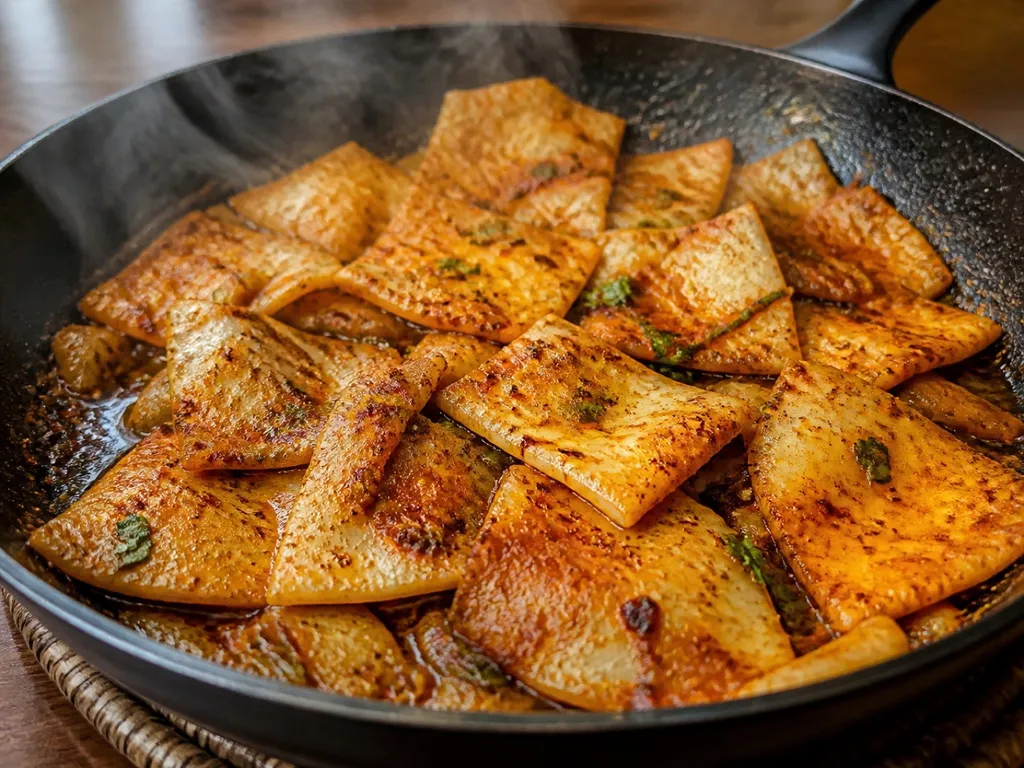 Images are for illustrative purposes only, may be inaccurate, and do not guarantee the presence or absence of specific ingredients.
 Listahan Family Score™
70/100
Good fit for most families
Score reflects how well this recipe fits a typical busy household. In the app, your Family Score is personalized to your household's allergens, kids, and pantry.
Listahan cooking guide
Chef notes & practical guide
Technique notes, ingredient swaps, serve-alongside ideas, storage guidance, and equipment for this recipe.
Cultural context
Chechebsa is an Ethiopian breakfast dish from the Oromo tradition, made by baking a thin flatbread called kita and then shredding it while hot into a pan of niter kibbeh and berbere. It is sometimes called 'shredded kita' and is closely related to firfir, but because it starts with freshly made flatbread rather than day-old injera, it has a softer, more doughy character. In Oromia, chechebsa is a celebratory morning dish often prepared for guests, the butter and spice soaking into the warm bread pieces to create something between a savory bread pudding and a spiced hash.
Listahan note
This version makes the kita flatbread from scratch in a dry skillet and shreds it immediately into the spiced butter while both are still hot, so the bread absorbs maximum flavor before it can cool and firm up.
Technique cues
- The kita should be cooked until just done through with no raw doughy center but still pliable — overcooked kita will be too stiff to absorb the butter sauce well when shredded.
- Shred the kita while it is still hot directly into the buttered pan; the heat from the bread helps it soak up the niter kibbeh and berbere far more effectively than if it is allowed to cool first.
- Stir and fold rather than stirring aggressively once the kita is in the pan — you want defined pieces that are coated and infused, not a homogeneous paste.
Kitchen flow
- Parallel prep
- Mix the kita dough and let it rest while you measure and prepare the berbere and niter kibbeh; the dough needs only 10 minutes of rest before rolling.
- Make-ahead
- The kita flatbread can be baked a few hours ahead and stored covered at room temperature; shred and finish in the buttered pan just before serving.
- Leftover move
- Leftover chechebsa reheats well in a covered skillet with a tablespoon of water; top with a fried egg for a complete next-morning meal.
- Cleanup rhythm
- Wipe the flatbread pan dry between batches since residual flour can burn in subsequent passes; the butter pan cleans easily with hot water right after serving.
Ingredient brief
Role, handling, and swap guidance for each key ingredient.
2 cups all-purpose flour (for kita flatbread)
base of the flatbread
Purpose: All-purpose flour creates a tender, slightly chewy flatbread that shreds into irregular pieces with enough body to hold up in the spiced butter without disintegrating.
Handling: Mix with water and a pinch of salt into a smooth dough; rest for 10 minutes before rolling out to let the gluten relax.
Adaptation: Whole wheat flour can replace up to half the all-purpose flour for a nuttier, more substantial flatbread.
4 tbsp niter kibbeh (spiced butter)
primary flavor fat and sauce
Purpose: Niter kibbeh's infused spices — fenugreek, cardamom, turmeric, black cumin — penetrate the shredded bread and provide the backbone of the dish's flavor.
Handling: Melt in the pan over medium-low heat until fragrant but not browned; the butter should shimmer, not sizzle aggressively.
Adaptation: Ghee with turmeric, cardamom, and a pinch of fenugreek is the closest substitute; unsalted butter will work but the dish will taste flat.
2 tbsp berbere spice blend
heat, color, and complexity
Purpose: Berbere's combination of dried chiles, warm spices, and fenugreek gives chechebsa its characteristic orange-red color and layered heat that sets it apart from plain buttered flatbread.
Handling: Stir into the melted niter kibbeh and cook for 30-45 seconds before adding the bread, letting the fat bloom the spices.
Adaptation: Use half the amount for a milder dish; add a pinch of smoked paprika to maintain color without as much heat.
Technique notes
- Roll the kita dough thin — about 3-4mm — so it cooks through in 3-4 minutes per side in a dry skillet without burning the outside.
- Let the berbere cook in the niter kibbeh until it turns the butter a deep brick red and the raw chile smell mellows before adding the bread.
- Serve chechebsa immediately and directly from the pan if possible; like most bread-based dishes, it loses appeal quickly once it cools and the butter solidifies.
Ingredient swaps
- Vegan direction
- Use coconut oil or vegan ghee seasoned with turmeric, cardamom, and fenugreek in place of niter kibbeh; the texture of the dish is identical.
- Gluten-free direction
- Use a 1:1 gluten-free flour blend for the kita; the flatbread will be slightly more fragile when shredding but the flavor holds.
- Egg addition
- Crack 2 eggs over the shredded kita in the pan and scramble them in during the final 2 minutes of cooking for added protein.
Serve alongside
- plain yogurt on the side to temper the spice
- sliced banana or honey for a sweet contrast
- ayib (Ethiopian fresh cheese) crumbled over the top
- Ethiopian spiced tea
- strong black coffee
Serving suggestions only — check pairings for your household's allergens.
Storage & reheating
- Best eaten fresh; the flatbread softens and the texture degrades after about an hour.
- Leftovers can be stored in an airtight container in the refrigerator for up to 1 day; reheat covered in a skillet over low heat with a splash of water.
- Do not freeze assembled chechebsa; freeze the unbaked dough discs instead and cook them fresh as needed.
Equipment
- large cast-iron or nonstick skillet (for the kita)
- separate wide skillet or saute pan (for the butter and spices)
- rolling pin
- wooden spoon or silicone spatula
Make this household-aware
Listahan Pro checks this recipe against your household's allergens, finds pantry-aware swaps, builds the shopping list, and helps you plan the week around it.
Plan it in Listahan
Add Chechebsa to your week, check it against your household's allergens, and build the shopping list automatically.
More East African recipes
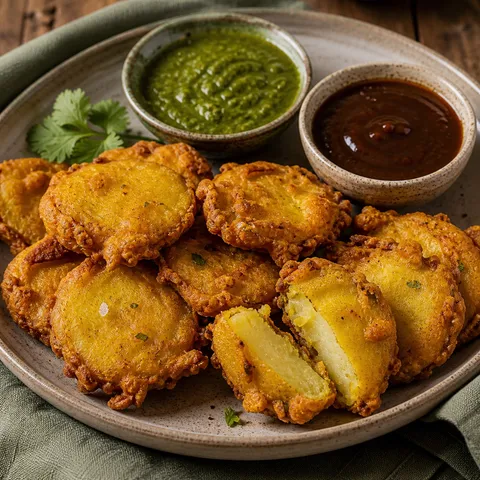 East African Lens Verified Images are for illustrative purposes only, may be inaccurate, and do not guarantee the presence or absence of specific ingredients.
 Viazi Karai
A Zanzibari street favorite of soft boiled potatoes coated in a turmeric-yellow batter and deep-fried until crackling, served with fiery tamarind sauce.
 East African Lens Verified Images are for illustrative purposes only, may be inaccurate, and do not guarantee the presence or absence of specific ingredients.
 Mutura
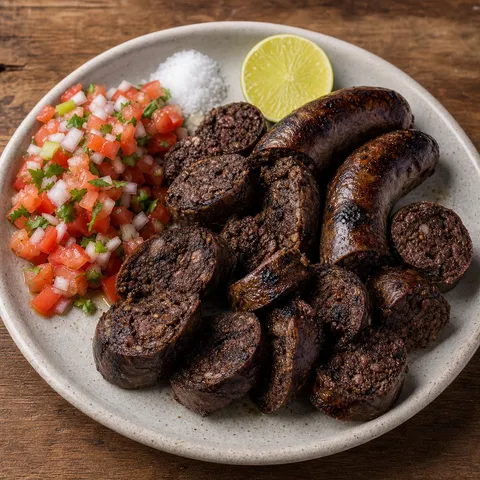
Kenyan spiced blood sausage stuffed with meat, onion, and herbs, then grilled until the casing crisps and snaps — a bold, smoky roadside delicacy.
 East African Lens Verified Images are for illustrative purposes only, may be inaccurate, and do not guarantee the presence or absence of specific ingredients.
 Kachumbari
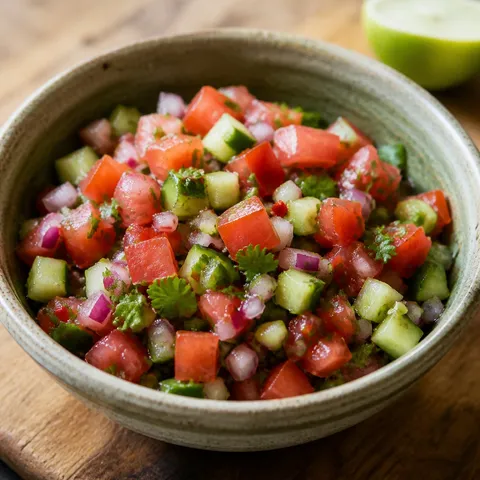
Bright, refreshing salad of ripe tomatoes and sharp raw onion, spiked with chili and lime — the cool, crisp counterpoint to rich East African grills.