 East African Images are for illustrative purposes only, may be inaccurate, and do not guarantee the presence or absence of specific ingredients.
  Serving Images are for illustrative purposes only, may be inaccurate, and do not guarantee the presence or absence of specific ingredients.
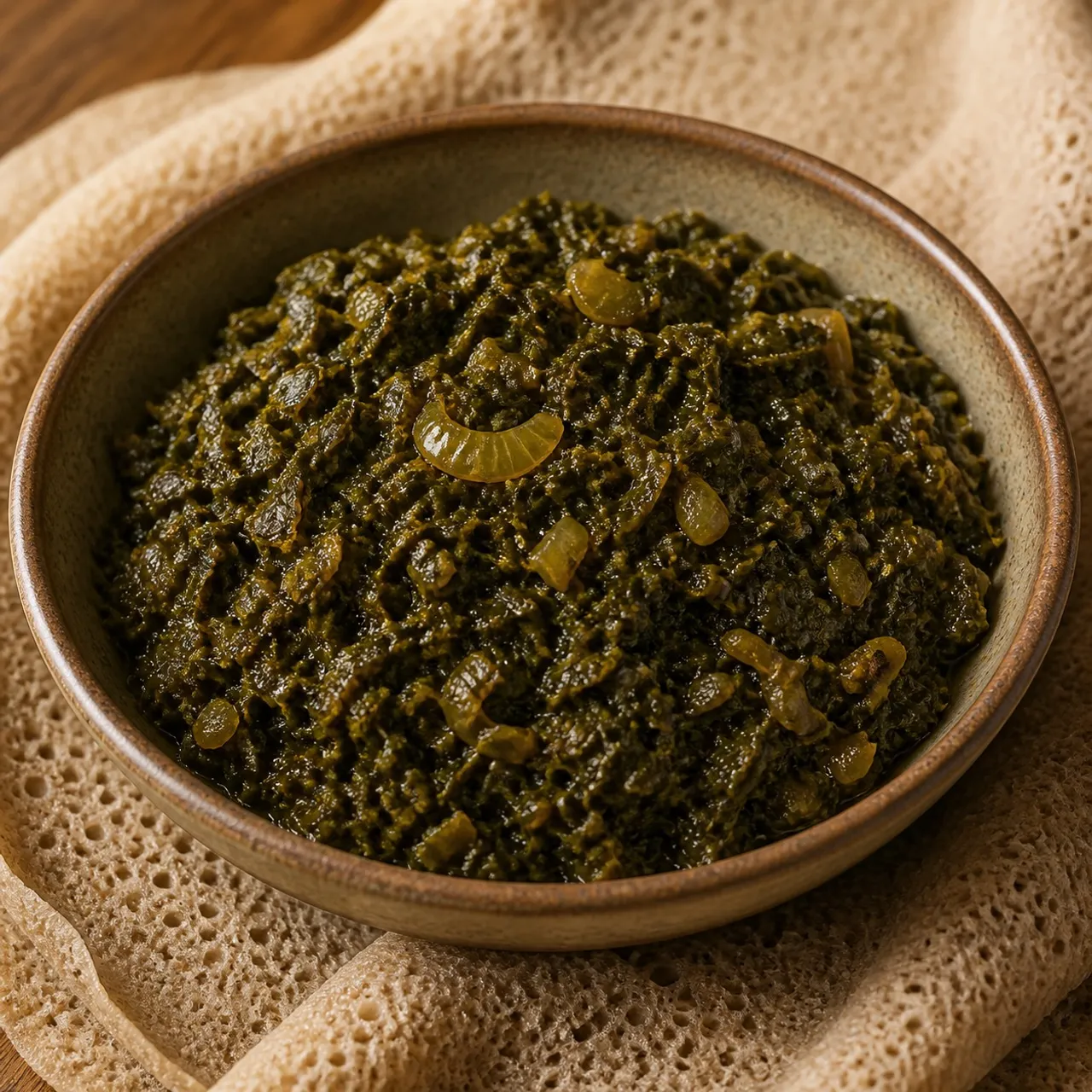
 Gomen
Ethiopian collard greens slow-cooked with niter kibbeh, ginger, and garlic until silky and richly flavored — a fasting staple that tastes anything but austere.
Contains common allergens
In the app, Listahan checks these against your household automatically.
Good to know
- One-pot
Matched from this dish's own ingredients and timing. Browse more: one-pot dinners
Instructions
7 steps- 1
Wash the collard greens thoroughly and slice into thin ribbons, discarding the tough stems.
- 2
Melt the niter kibbeh in a large pot over medium heat and saute the onion for 6 to 8 minutes until soft and translucent.
- 3
Add the garlic, ginger, and jalapenos and cook for 1 to 2 minutes until fragrant.
- 4
Add the collard greens in batches, stirring to wilt each addition before adding more.
- 5
Pour in the water, season with salt, cover, and reduce heat to low.
- 6
Simmer for 25 to 30 minutes, stirring occasionally, until the greens are very tender and silky and most of the liquid has cooked away.
- 7
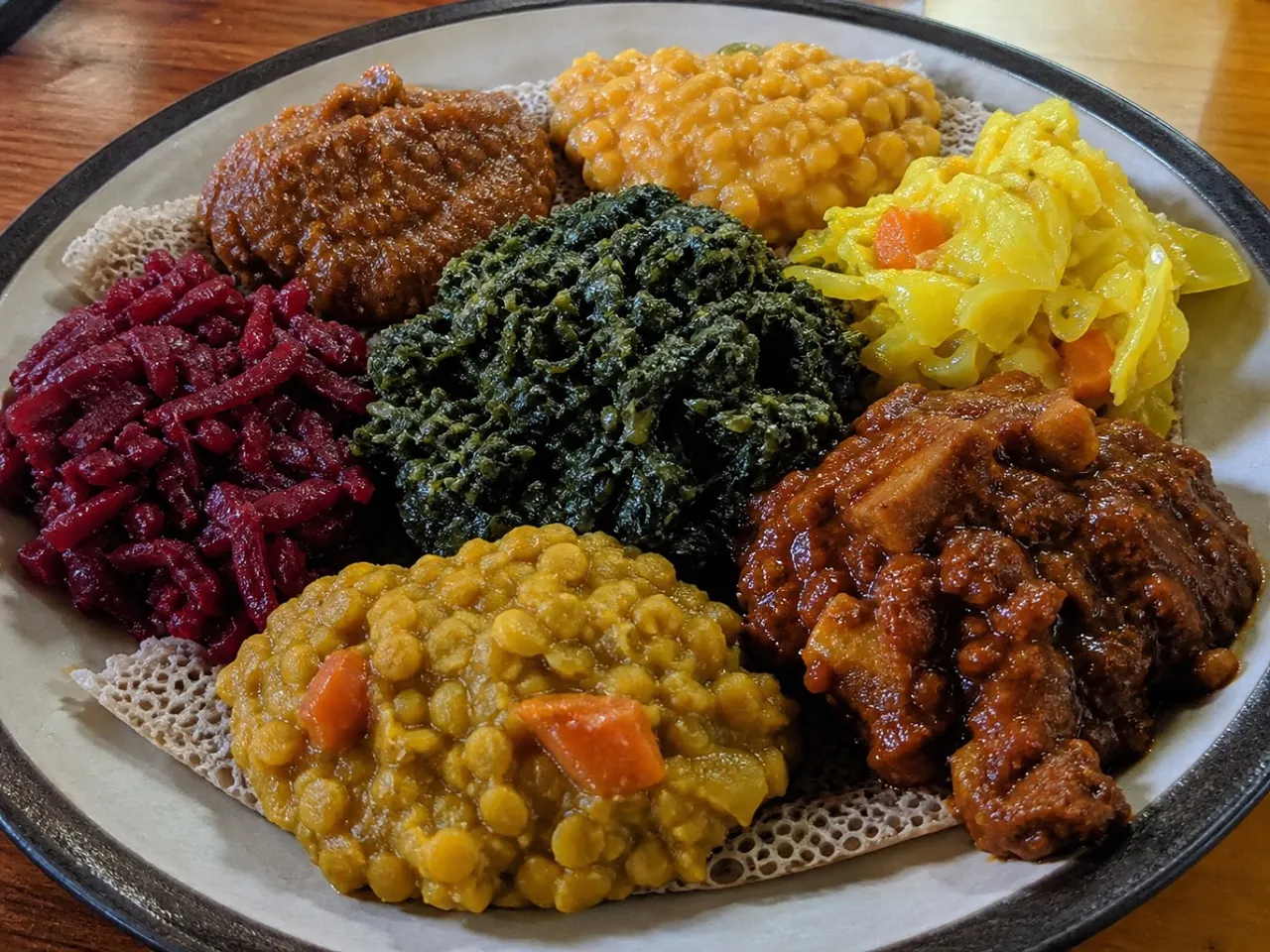
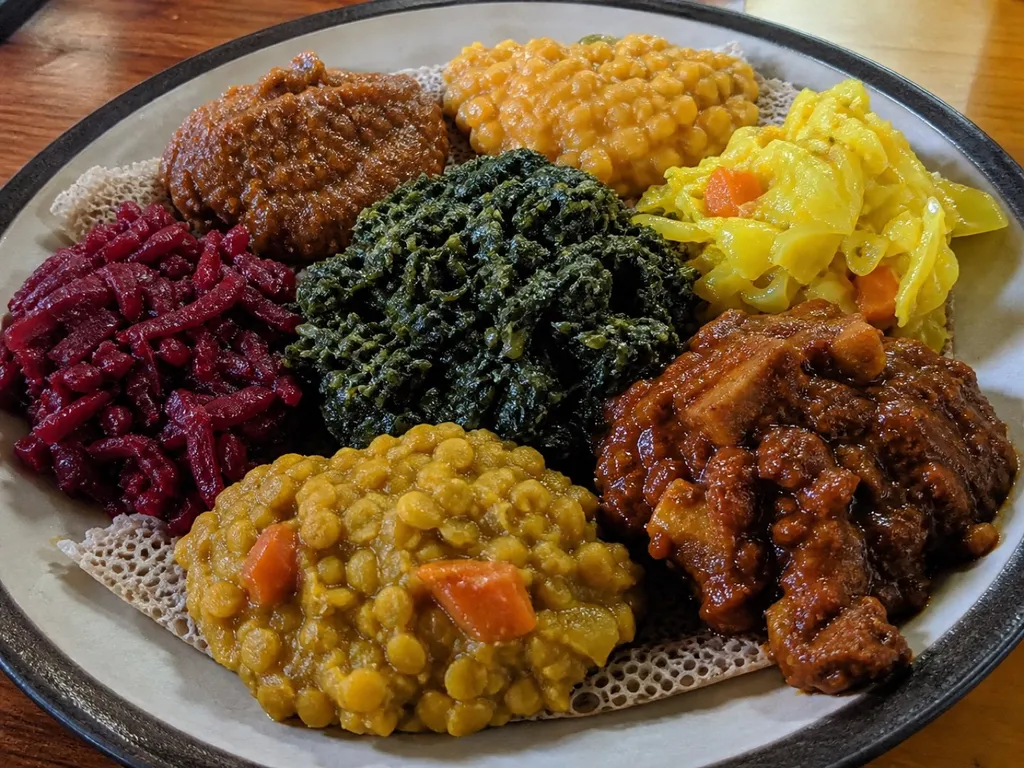
Taste and adjust salt, and serve warm as part of a beyaynetu platter or alongside injera.
 Images are for illustrative purposes only, may be inaccurate, and do not guarantee the presence or absence of specific ingredients.
 Listahan Family Score™
68/100
Works for many families
Score reflects how well this recipe fits a typical busy household. In the app, your Family Score is personalized to your household's allergens, kids, and pantry.
Nutrition
per serving60
Calories
5 g
Protein
10 g
Carbs
1 g
Fat
Estimated per serving. Actual values depend on the brands and portions you use.
Listahan cooking guide
Chef notes & practical guide
Technique notes, ingredient swaps, serve-alongside ideas, storage guidance, and equipment for this recipe.
Cultural context
Gomen is an Ethiopian collard green stew that appears on almost every traditional meal platter, providing the bitter, dark leafy green counterpoint to the richly spiced legume wats and meat dishes. Collard greens were adopted into Ethiopian cooking centuries ago and thrive in the Ethiopian highlands' climate; the dish is one of the core fasting foods during Orthodox Christian observance. It is seasoned simply — garlic, ginger, onion, and sometimes a little turmeric — with the collards doing the primary flavor work in a way that is almost European in its restraint compared to the spiced intensity of misir wat beside it.
Listahan note
This version cooks the collards long enough to fully tenderize without turning gray, using a covered pot to retain steam and finish the greens evenly without adding excess liquid.
Technique cues
- Strip the collard leaves from the thick central stem before cooking — the stems can go in first for a few minutes extra cooking, or be saved for another use; including them with the leaves means the leaves will be overcooked by the time the stems tenderize.
- Blanching the sliced collards in boiling water for 2 minutes before sauteing reduces their bitterness significantly and locks in a brighter green color that holds through the second cooking in the pan.
- The dish should have enough moisture to steam the greens tender but not enough to create a watery broth; if liquid pools at the bottom of the pan halfway through, remove the lid and cook on slightly higher heat until it evaporates.
Kitchen flow
- Parallel prep
- Wash and slice the collard greens in advance; they can sit in cold water for up to an hour while you prepare other dishes without any quality loss.
- Make-ahead
- Gomen keeps well and can be made up to 3 days ahead; the flavor mellows and the bitterness softens further on the second and third day.
- Leftover move
- Leftover gomen can be stirred into scrambled eggs, mixed into a grain bowl with injera croutons, or thinned with broth into a simple leafy soup.
- Cleanup rhythm
- Gomen leaves virtually no residue in the pan; rinse while still warm and the pan is ready for the next use.
Ingredient brief
Role, handling, and swap guidance for each key ingredient.
Collard greens
primary vegetable and flavor
Purpose: Collards provide the dense, slightly bitter green element that balances the rich, spiced wats on an Ethiopian platter and supplies a contrasting texture and nutrient profile.
Handling: Wash thoroughly, strip leaves from stems, stack and slice into thin ribbons (chiffonade); blanch briefly if a milder bitter flavor is preferred.
Adaptation: Kale (especially lacinato/Tuscan kale) is the closest substitute; Swiss chard cooks faster and is less bitter; spinach is too delicate and will turn to mush.
onions
aromatic base
Purpose: Onion cooked until soft provides the sweet foundation that tempers the bitterness of the collards and carries the garlic and ginger into the dish.
Handling: Dice finely and cook until fully translucent and beginning to soften before adding the greens.
Adaptation: Leeks can substitute for a slightly sweeter, more delicate base.
garlic
aromatic depth
Purpose: Garlic adds pungent warmth to what would otherwise be a very simple dish; it is one of the primary seasonings alongside ginger in this mildly spiced preparation.
Handling: Slice or mince finely; add to the softened onion and cook for 1-2 minutes before the greens are added.
Adaptation: Garlic powder (half a teaspoon) can substitute if fresh garlic is unavailable.
Technique notes
- Do not cover the pan for the first few minutes after the greens are added; allowing steam to escape first keeps the greens a brighter color before the lid goes on for the final steaming.
- Season with salt at the end of cooking — collards release water as they cook, and early salting can make the finished dish saltier than intended as that liquid concentrates.
- For a richer version, finish the gomen with a tablespoon of niter kibbeh stirred in off the heat; the spiced butter rounds out the bitterness without overwhelming the vegetable's natural flavor.
Ingredient swaps
- Vegan direction
- The dish is naturally vegan when cooked in oil; use a neutral oil such as sunflower or coconut oil for a clean base.
- Spiced version
- Add a teaspoon of berbere or a pinch of red pepper flakes with the garlic for a gomen that bridges mild and spiced, popular as a middle-ground dish on a platter with guests of varying heat tolerance.
- Quick-cooking substitute
- Baby spinach or pre-washed kale can replace collards for a 5-minute version; adjust cooking time downward significantly as both wilt much faster than collards.
Serve alongside
- misir wat (spiced red lentils) for a complementary spiced element
- injera for scooping
- ayib (Ethiopian fresh cheese) for a creamy contrast to the bitter greens
- Ethiopian spiced tea
- cold water with a lemon wedge
Serving suggestions only — check pairings for your household's allergens.
Storage & reheating
- Refrigerate in an airtight container for up to 4 days; the bitterness mellows further over time.
- Reheat in a covered skillet over medium-low heat with a splash of water; the greens may lose a little color but flavor is unchanged.
- Do not freeze — collard greens become waterlogged and lose their texture after freezing and thawing.
Equipment
- large wide pot or deep skillet with a lid
- sharp knife and cutting board for slicing the greens
- colander for washing and draining
Make this household-aware
Listahan Pro checks this recipe against your household's allergens, finds pantry-aware swaps, builds the shopping list, and helps you plan the week around it.
Plan it in Listahan
Add Gomen to your week, check it against your household's allergens, and build the shopping list automatically.
More East African recipes
 East African Lens Verified Images are for illustrative purposes only, may be inaccurate, and do not guarantee the presence or absence of specific ingredients.
 Viazi Karai
A Zanzibari street favorite of soft boiled potatoes coated in a turmeric-yellow batter and deep-fried until crackling, served with fiery tamarind sauce.
 East African Lens Verified Images are for illustrative purposes only, may be inaccurate, and do not guarantee the presence or absence of specific ingredients.
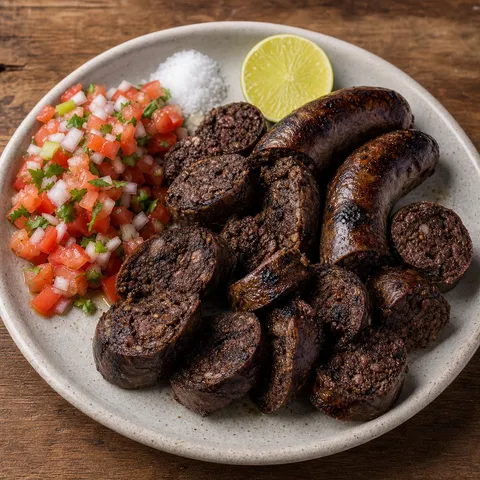
 Mutura
Kenyan spiced blood sausage stuffed with meat, onion, and herbs, then grilled until the casing crisps and snaps — a bold, smoky roadside delicacy.
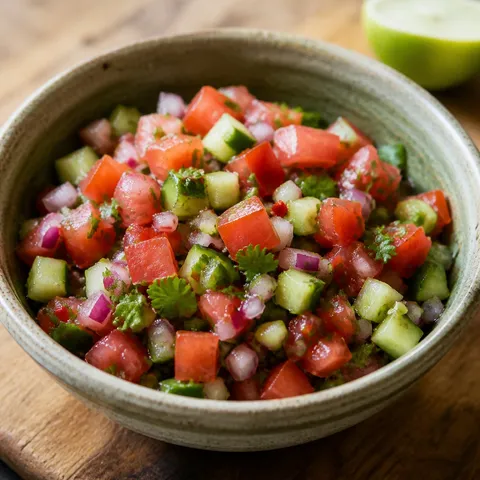 East African Lens Verified Images are for illustrative purposes only, may be inaccurate, and do not guarantee the presence or absence of specific ingredients.
 Kachumbari
Bright, refreshing salad of ripe tomatoes and sharp raw onion, spiked with chili and lime — the cool, crisp counterpoint to rich East African grills.