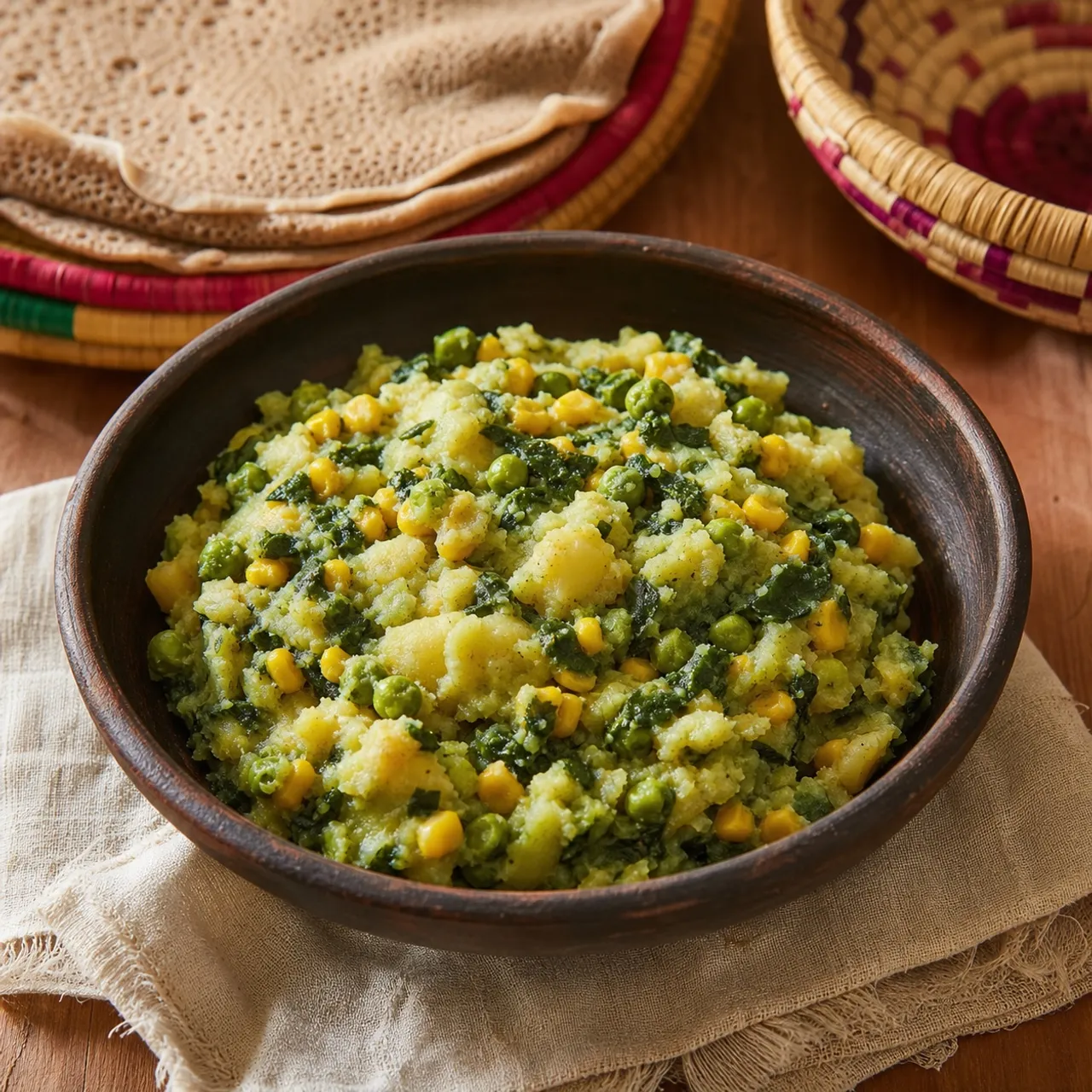
 East African Images are for illustrative purposes only, may be inaccurate, and do not guarantee the presence or absence of specific ingredients.
 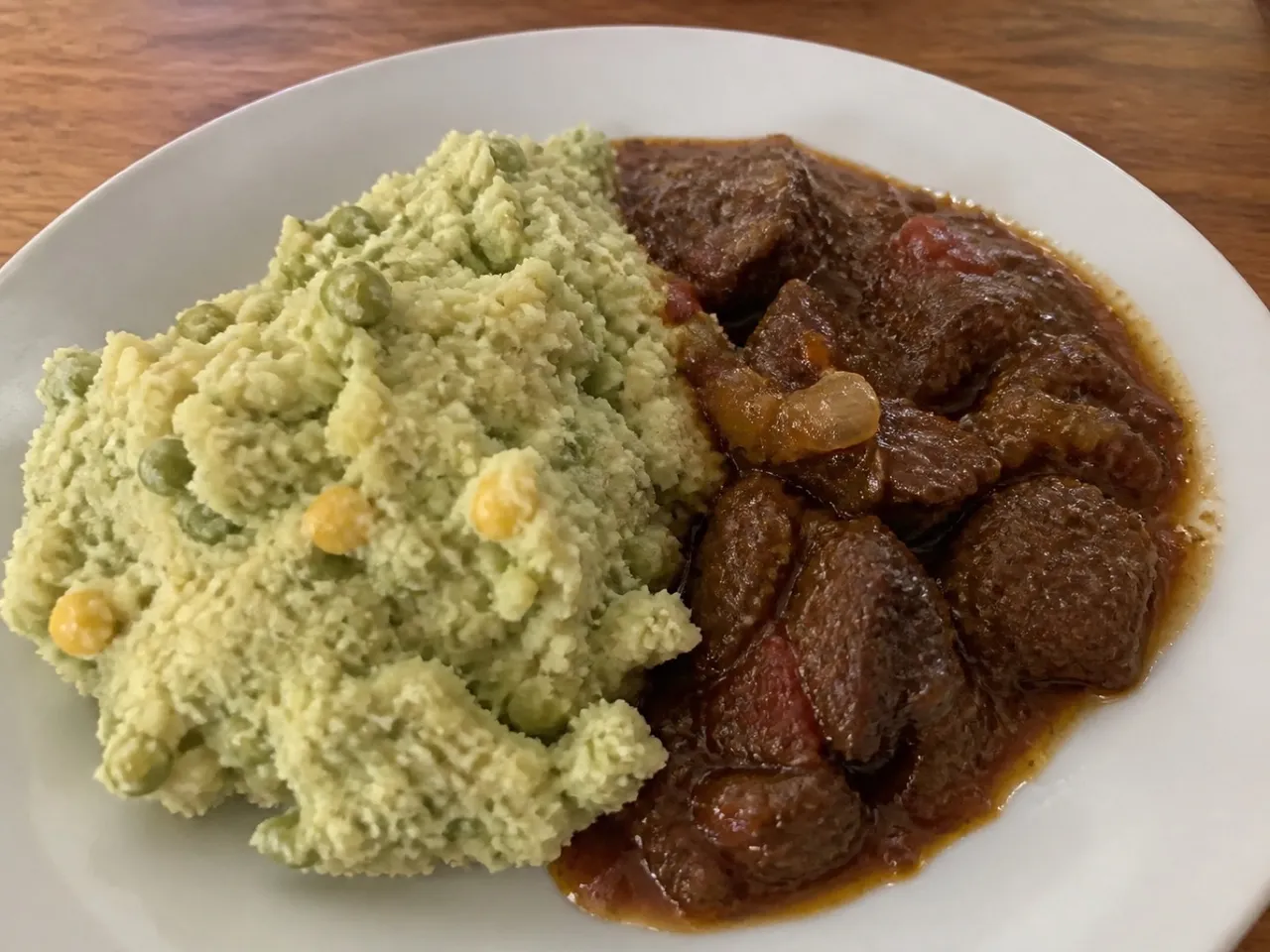 Serving Images are for illustrative purposes only, may be inaccurate, and do not guarantee the presence or absence of specific ingredients.
 Irio
Smoky, vibrant Kikuyu mash of green peas, corn, and potatoes pounded together with fresh pumpkin leaves — earthy, filling, and quietly extraordinary.
Contains common allergens
In the app, Listahan checks these against your household automatically.
Instructions
7 steps- 1
Place the potatoes, peas, and corn in a large pot, cover with salted water, and bring to a boil.
- 2
Cook for 20 to 25 minutes until the potatoes are fork-tender and the peas and corn are soft.
- 3
Add the pumpkin leaves or spinach during the last 5 minutes of cooking so they wilt down.
- 4
Drain the vegetables, reserving a splash of the cooking liquid, and return everything to the pot.
- 5
Using a wooden spoon or potato masher, pound and mash the vegetables together directly in the pot until you get a coarse, slightly chunky green mash, adding a little reserved liquid if it seems too dry.
- 6
In a small pan, melt the butter and saute the onion for 5 minutes until soft and golden.
- 7
Fold the sauteed onion into the mash, season generously with salt and pepper, and serve hot, traditionally alongside grilled meat or a simple stew.
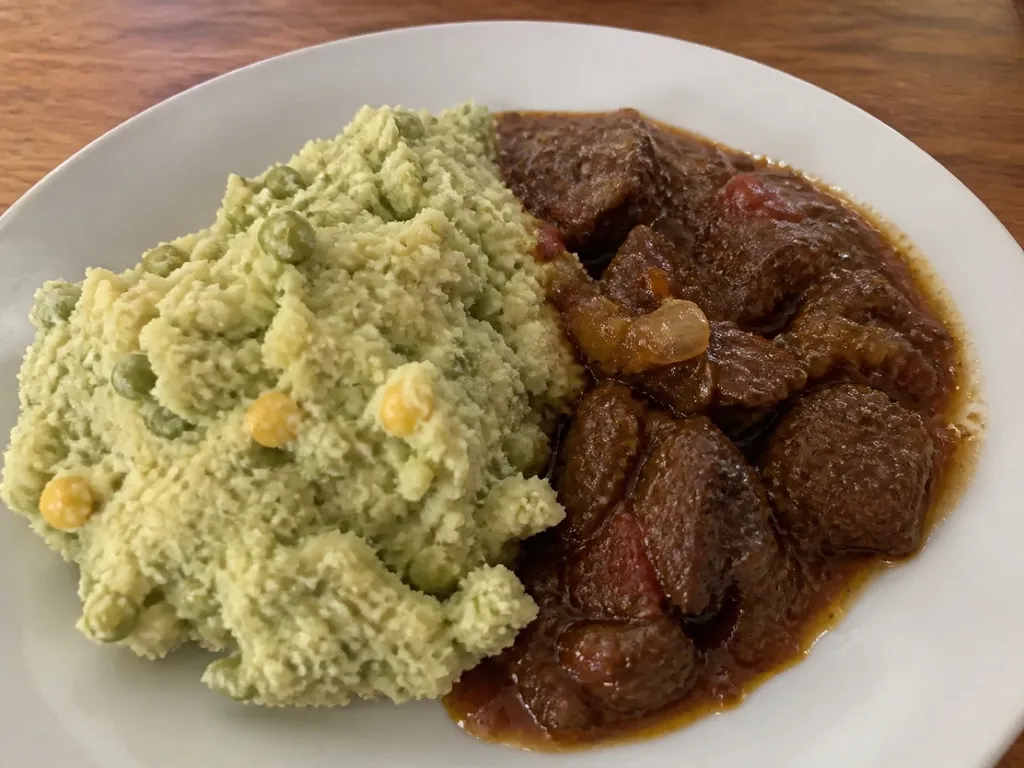 Images are for illustrative purposes only, may be inaccurate, and do not guarantee the presence or absence of specific ingredients.
 Listahan Family Score™
69/100
Works for many families
Score reflects how well this recipe fits a typical busy household. In the app, your Family Score is personalized to your household's allergens, kids, and pantry.
Nutrition
per serving225
Calories
8 g
Protein
47 g
Carbs
1 g
Fat
Estimated per serving. Actual values depend on the brands and portions you use.
Listahan cooking guide
Chef notes & practical guide
Technique notes, ingredient swaps, serve-alongside ideas, storage guidance, and equipment for this recipe.
Cultural context
Irio is a Kikuyu dish from central Kenya, traditionally prepared for celebrations and harvest feasts among the Agikuyu people. It combines maize, peas, and greens mashed together with potato, reflecting the agricultural staples of the fertile highlands around Mount Kenya. The dish became nationally recognized when it appeared alongside nyama choma at roadside restaurants and family gatherings across Nairobi.
Listahan note
This version uses pumpkin leaves or spinach for the greens and mashes everything together for a cohesive, slightly chunky texture that holds its shape when scooped alongside stewed meats.
Technique cues
- Drain the potatoes and corn thoroughly before mashing to prevent a waterlogged result; excess moisture makes the mash loose and prevents it from holding a scooped shape on the plate.
- Add the greens to the pot only in the last two minutes of simmering so they retain their bright color; overcooking turns them army-green and releases a sulfurous bitterness into the mash.
- Mash while everything is still steaming hot, folding the peas in last so some stay partially whole for textural contrast rather than blending into a uniform paste.
Kitchen flow
- Parallel prep
- Chop the greens and measure the peas and corn while the potatoes come to a boil; everything is ready to add as the potatoes finish.
- Make-ahead
- Irio keeps well refrigerated for up to 3 days; make the full batch and reheat individual portions as needed.
- Leftover move
- Shape cold leftover irio into patties and pan-fry in a little oil until a crust forms on each side for a quick breakfast or side.
- Cleanup rhythm
- Use one large pot for boiling and mashing, which is the only major item to wash; a colander and potato masher complete the set.
Ingredient brief
Role, handling, and swap guidance for each key ingredient.
4 medium potatoes (peeled and cubed)
starchy base and binder
Purpose: Potato provides the bulk of the mash and acts as the structural binder that holds the corn, peas, and greens together.
Handling: Cut into even 1-inch cubes so all pieces cook through at the same rate without some going mushy while others stay firm.
Adaptation: Sweet potato works as a richer, slightly sweeter substitute that pairs especially well with the greens.
2 cups shelled green peas
sweetness and color
Purpose: Peas add a pop of sweetness that offsets the earthiness of potato and corn and provide flecks of green throughout the mash.
Handling: Fresh peas can be used straight from the pod; frozen peas should be thawed but not pre-cooked since they will finish in the residual heat of the mash.
Adaptation: Edamame (shelled) is a protein-forward substitute with a similar color and a firmer bite.
2 cups corn kernels (fresh or frozen)
texture and body
Purpose: Corn adds chewiness and a mild sweetness that distinguishes irio from a plain potato mash, giving the dish its characteristic uneven texture.
Handling: If using frozen corn, no thawing is needed before adding to the pot; the heat of the water will cook it through alongside the potatoes.
Adaptation: Hominy (drained canned) gives a chewier, more substantial bite and a slightly deeper corn flavor.
2 cups pumpkin leaves or spinach (chopped)
color, bitterness balance, and nutrition
Purpose: The greens bring a slight vegetal bitterness that keeps the mash from tasting flat, and their chlorophyll gives the dish its signature green-flecked appearance.
Handling: Roughly chop into half-inch ribbons so they distribute evenly through the mash rather than clumping in one spot.
Adaptation: Kale (finely chopped, stems removed) holds up well to mashing and adds a more assertive, slightly bitter note.
1 tbsp butter (optional)
richness and finish
Purpose: A small amount of butter stirred in at the end gives the mash a glossy sheen and rounds out the earthy, starchy flavors.
Handling: Add cold butter off the heat and fold it in gently rather than beating it in, to keep the texture slightly coarse.
Adaptation: Coconut oil (refined, for neutral flavor) keeps the dish dairy-free while adding a subtle richness.
Technique notes
- Season the boiling water generously with salt; since irio is a mash, it absorbs seasoning during cooking rather than after, and under-salted mash is hard to fix at the table.
- Resist the urge to use a blender or food processor; a hand masher or fork produces the slightly coarse, rustic texture that is characteristic of the dish.
- If the mash feels too stiff, stir in a splash of the starchy cooking water rather than plain water or milk, which keeps the flavor cohesive.
Ingredient swaps
- Dairy-free option
- Skip the butter entirely or use refined coconut oil; the starchy cooking water provides enough moisture to bring the mash together.
- Vegan direction
- The dish is naturally vegan without the butter; all other ingredients are plant-based.
- Higher protein
- Stir in a half cup of cooked lentils before mashing to add protein without changing the overall flavor profile significantly.
Serve alongside
- braised beef stew (nyama stew) spooned directly over the mash
- roasted bone-in chicken with tomato and onion sauce
- simple kachumbari (tomato, onion, and cilantro salad with lime)
- chai ya tangawizi (ginger spiced tea)
- fresh tamarind juice over ice
Serving suggestions only — check pairings for your household's allergens.
Storage & reheating
- Refrigerate in an airtight container for up to 3 days; the mash firms up when cold.
- Reheat in a saucepan over low heat with a splash of water, stirring frequently to restore a creamy texture without scorching.
- Freezing is not recommended as the potato texture becomes grainy after thawing.
Equipment
- large pot (4-quart or bigger)
- colander for draining
- potato masher or large fork
- wooden spoon for folding
Make this household-aware
Listahan Pro checks this recipe against your household's allergens, finds pantry-aware swaps, builds the shopping list, and helps you plan the week around it.
Plan it in Listahan
Add Irio to your week, check it against your household's allergens, and build the shopping list automatically.
More East African recipes
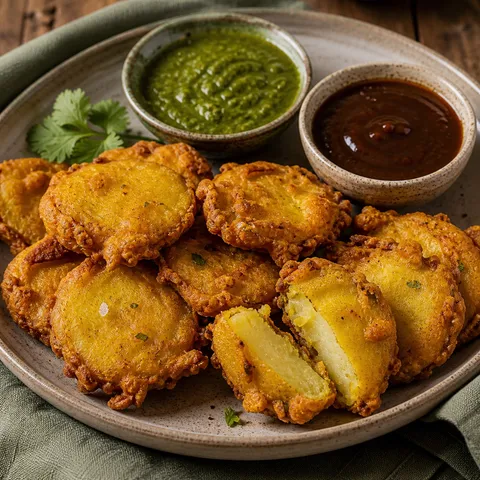 East African Lens Verified Images are for illustrative purposes only, may be inaccurate, and do not guarantee the presence or absence of specific ingredients.
 Viazi Karai
A Zanzibari street favorite of soft boiled potatoes coated in a turmeric-yellow batter and deep-fried until crackling, served with fiery tamarind sauce.
 East African Lens Verified Images are for illustrative purposes only, may be inaccurate, and do not guarantee the presence or absence of specific ingredients.
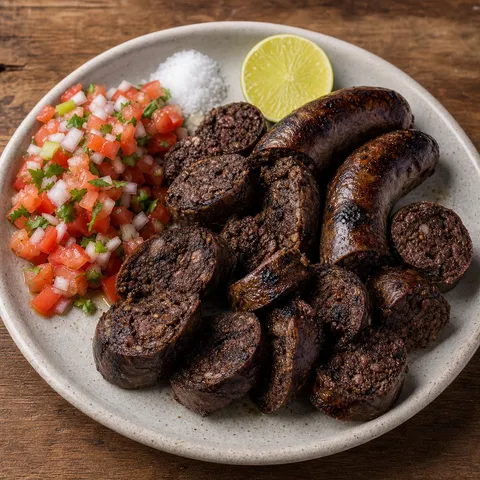
 Mutura
Kenyan spiced blood sausage stuffed with meat, onion, and herbs, then grilled until the casing crisps and snaps — a bold, smoky roadside delicacy.
 East African Lens Verified Images are for illustrative purposes only, may be inaccurate, and do not guarantee the presence or absence of specific ingredients.
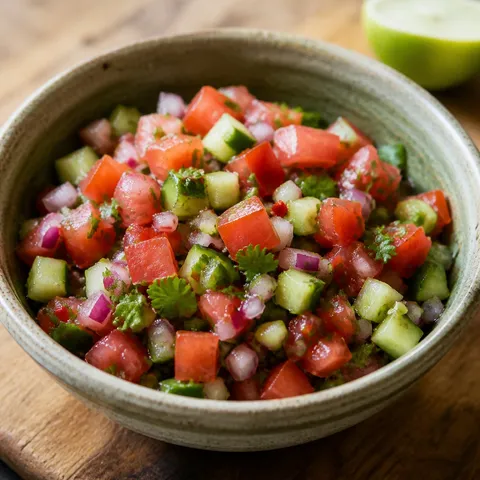
 Kachumbari
Bright, refreshing salad of ripe tomatoes and sharp raw onion, spiked with chili and lime — the cool, crisp counterpoint to rich East African grills.