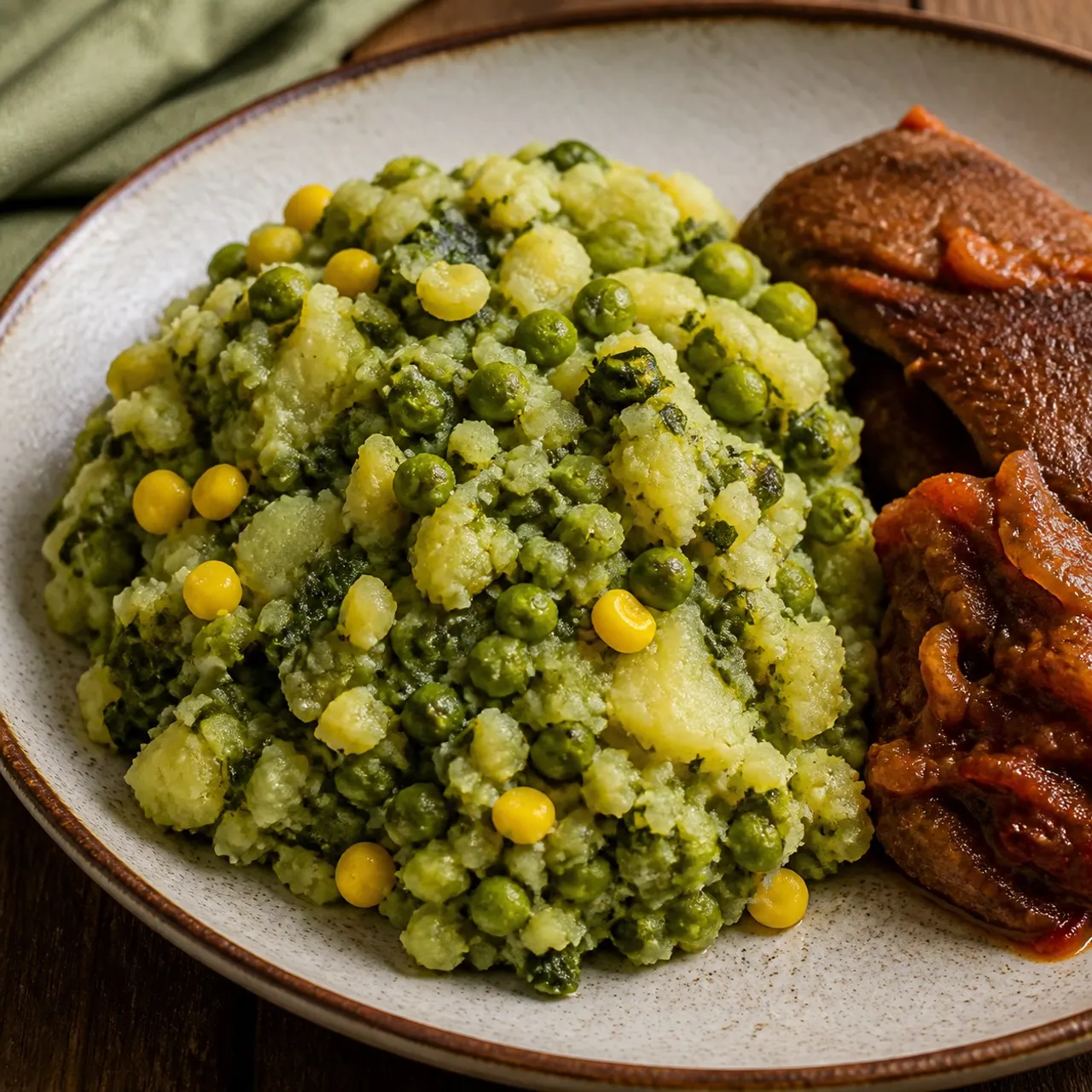
 East African Images are for illustrative purposes only, may be inaccurate, and do not guarantee the presence or absence of specific ingredients.
 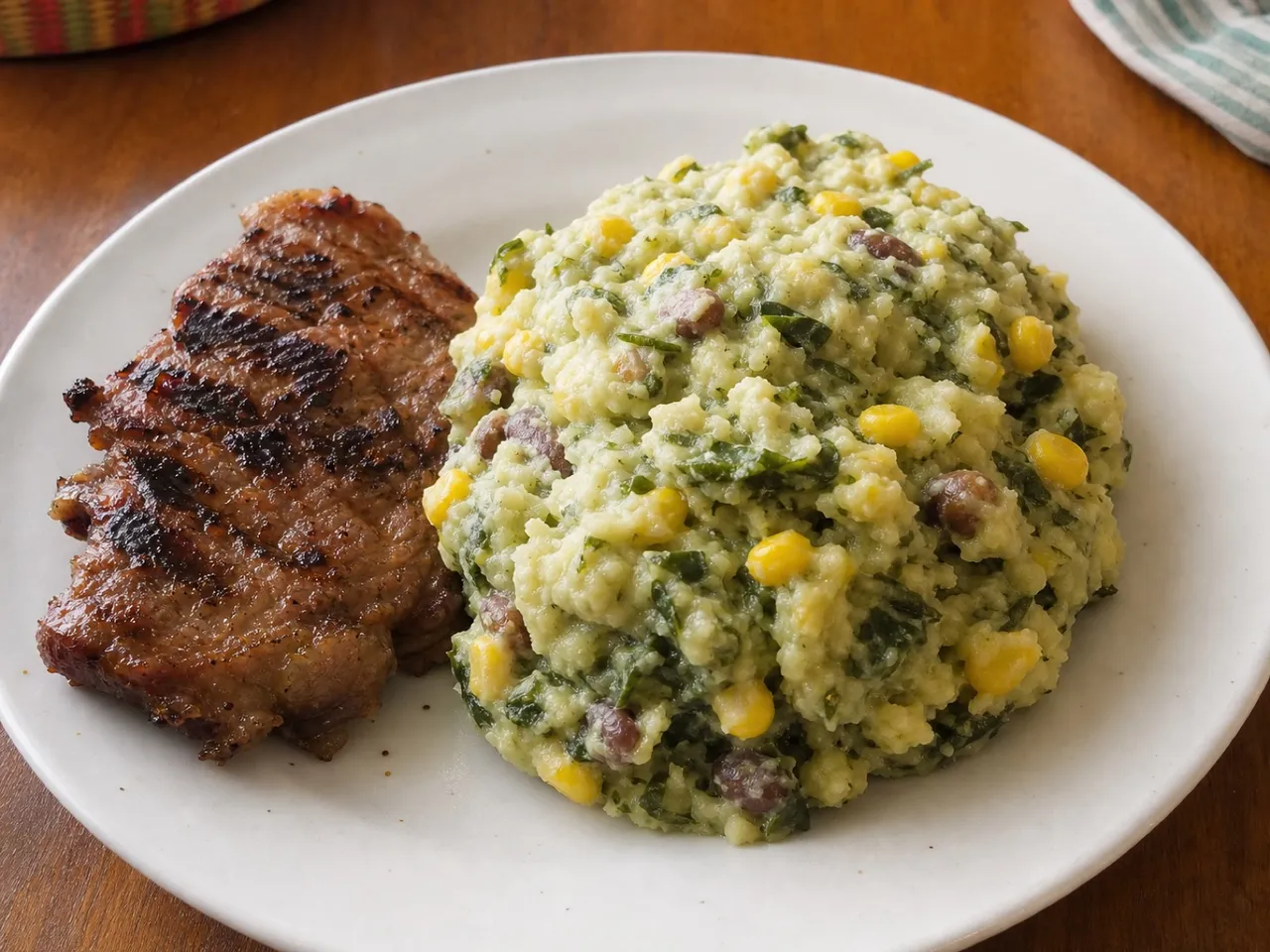 Serving Images are for illustrative purposes only, may be inaccurate, and do not guarantee the presence or absence of specific ingredients.
 Kikuyu Irio
Creamy mash of potatoes, beans, and corn — a Kenyan highland staple that's humble, filling, and satisfying in the way only simple, hearty food can be.
Contains common allergens
In the app, Listahan checks these against your household automatically.
Instructions
7 steps- 1
If using dried beans, cook them in advance in plenty of water for 45 minutes to 1 hour until fully tender, then drain.
- 2
Place the potatoes and corn in a large pot, cover with salted water, and bring to a boil.
- 3
Cook for 20 minutes until the potatoes are very soft when pierced with a fork.
- 4
Drain, reserving a little cooking liquid, and return the potatoes and corn to the pot along with the cooked beans.
- 5
Mash everything together with a potato masher or wooden spoon until you get a coarse, hearty mash, adding reserved liquid as needed to loosen it.
- 6
In a small pan, melt the butter and saute the onion for 5 minutes until soft and golden, then fold it into the mash.
- 7
Season generously with salt and pepper and serve warm, mounded on a plate alongside stew or a simple green vegetable.
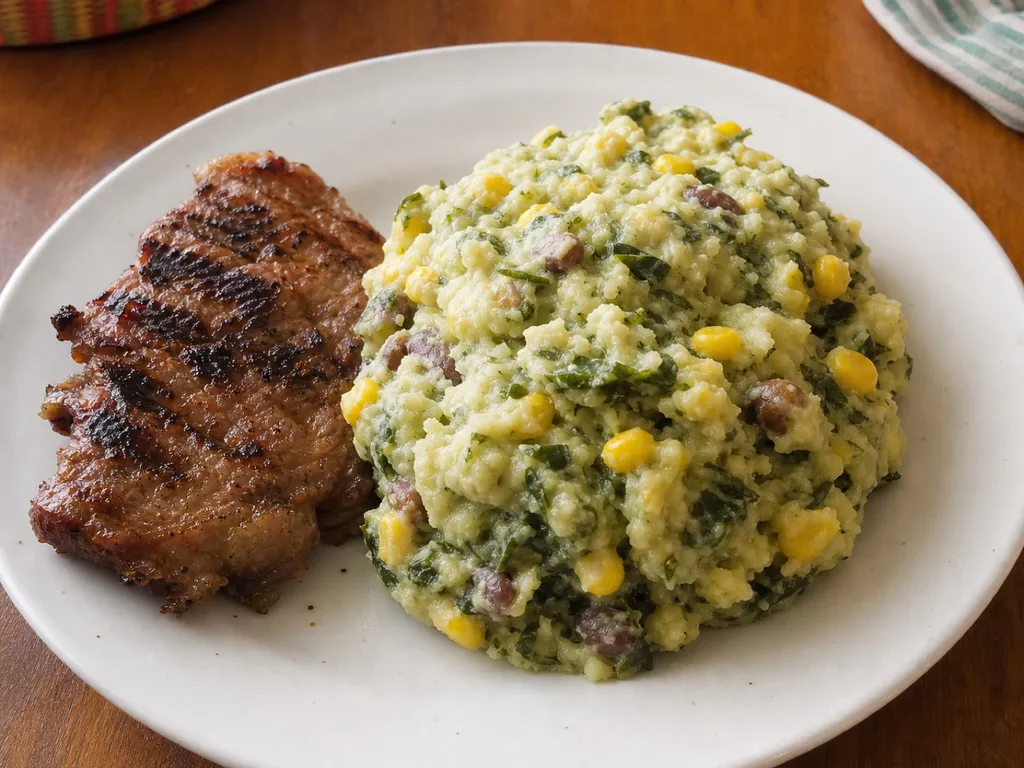 Images are for illustrative purposes only, may be inaccurate, and do not guarantee the presence or absence of specific ingredients.
 Listahan Family Score™
72/100
Good fit for most families
Score reflects how well this recipe fits a typical busy household. In the app, your Family Score is personalized to your household's allergens, kids, and pantry.
Nutrition
per serving125
Calories
4 g
Protein
28 g
Carbs
1 g
Fat
Estimated per serving. Actual values depend on the brands and portions you use.
Listahan cooking guide
Chef notes & practical guide
Technique notes, ingredient swaps, serve-alongside ideas, storage guidance, and equipment for this recipe.
Cultural context
Irio is a traditional dish of the Kikuyu people of central Kenya, made by mashing together potatoes, green peas or beans, and corn until they form a cohesive, speckled mass. The name simply means 'food' in Kikuyu, reflecting its status as an elemental, nourishing staple. It gained wider recognition when it became associated with Kenyan statesman Jomo Kenyatta and was served at formal occasions, earning the nickname 'Kenyan ambassador's food' in some circles.
Listahan note
This version mashes the three components together just enough to bind them while leaving visible chunks of corn and whole beans, preserving both the texture and the visual identity of the dish.
Technique cues
- The traditional method cooks all three components together in one pot and mashes them together; the starch from the potatoes binds the beans and corn into a cohesive mash without needing butter or cream, making it naturally rich.
- Green corn (or thawed frozen corn) must be folded in after mashing the potatoes and beans, not cooked into the initial mash, so the kernels stay intact and provide textural contrast.
- Irio is done when it holds its shape briefly when pressed but is not stiff; it should be closer to thick mashed potatoes than a solid cake, loose enough to fall gently when spooned onto a plate.
Kitchen flow
- Parallel prep
- Thaw frozen corn and drain canned beans while the potatoes boil; everything is ready to fold in at the same moment.
- Make-ahead
- Irio keeps well; make a full batch and refrigerate for up to 3 days, reheating with a splash of water or milk stirred in to restore creaminess.
- Leftover move
- Form cold irio into patties and pan-fry in a little oil until crisp on both sides for a satisfying next-day fritter.
- Cleanup rhythm
- One pot handles the full dish; soak it immediately after serving to prevent the potato starch from cementing to the bottom.
Ingredient brief
Role, handling, and swap guidance for each key ingredient.
Potatoes
mash base and binder
Purpose: Starchy potatoes provide the body that holds the dish together and carry the flavor of the beans and corn into each bite.
Handling: Peel and cut into even chunks so they cook at the same rate; do not rinse after cutting to preserve the surface starch that aids binding.
Adaptation: Sweet potatoes can replace half or all of the white potatoes for a sweeter, more colorful version.
beans
protein and color
Purpose: Green peas or cooked kidney beans add protein and their skins provide small pockets of distinct flavor within the mash.
Handling: If using canned kidney beans, drain and rinse well; add them to the pot with the potatoes for the last 5 minutes of cooking so they warm through without becoming mushy.
Adaptation: Frozen edamame or canned cannellini beans work as alternatives and require the same preparation.
corn
textural contrast
Purpose: Corn kernels are the defining textural element of irio, providing sweetness and chew within the creamy mash.
Handling: Use frozen corn thawed at room temperature or fresh kernels cut from the cob; fold into the mash off heat to prevent the kernels from breaking down.
Adaptation: Hominy (canned pozole corn) can replace regular corn for a chewier, more substantial kernel presence.
Technique notes
- Mash the potatoes and beans while still hot; cool starch becomes gluey and difficult to incorporate smoothly.
- Season aggressively with salt at the end, as the high starch content of the dish dampens salt perception and it will taste flat if underseasoned.
- A knob of butter stirred in at the end is not strictly traditional but enriches the mash and makes it more appealing to North American palates accustomed to enriched mashed potatoes.
Ingredient swaps
- Vegan direction
- The dish is naturally vegan when made without butter; use a drizzle of good olive oil instead for richness.
- Higher protein
- Double the amount of beans and reduce the potato quantity by one-third for a more protein-dense version.
Serve alongside
- nyama choma or grilled chicken thighs
- simple braised kale with garlic and lemon
- sliced tomato and red onion salad with apple cider vinegar
- Kenyan chai tea (strongly spiced with cinnamon and cardamom)
- cold tamarind water
Serving suggestions only — check pairings for your household's allergens.
Storage & reheating
- Refrigerate in an airtight container for up to 3 days; press plastic wrap directly onto the surface to prevent a skin from forming.
- Reheat in a saucepan over low heat with 2-3 tablespoons of water or milk, stirring until smooth.
- Freeze in portions for up to 2 months; thaw overnight in the fridge and reheat as above, adding extra liquid as needed.
Equipment
- large pot for boiling
- potato masher (not a food processor, which makes it gluey)
- wooden spoon for folding in corn and beans
Make this household-aware
Listahan Pro checks this recipe against your household's allergens, finds pantry-aware swaps, builds the shopping list, and helps you plan the week around it.
Plan it in Listahan
Add Kikuyu Irio to your week, check it against your household's allergens, and build the shopping list automatically.
More East African recipes
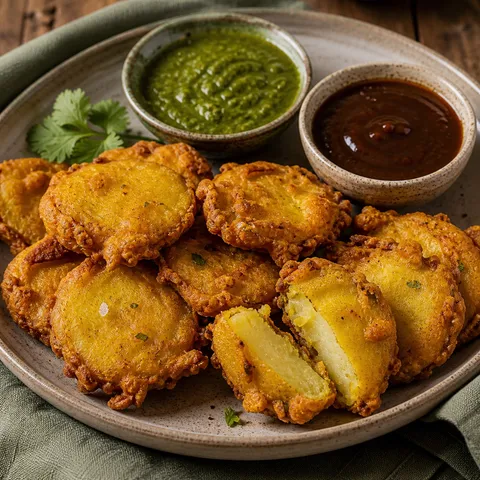 East African Lens Verified Images are for illustrative purposes only, may be inaccurate, and do not guarantee the presence or absence of specific ingredients.
 Viazi Karai
A Zanzibari street favorite of soft boiled potatoes coated in a turmeric-yellow batter and deep-fried until crackling, served with fiery tamarind sauce.
 East African Lens Verified Images are for illustrative purposes only, may be inaccurate, and do not guarantee the presence or absence of specific ingredients.
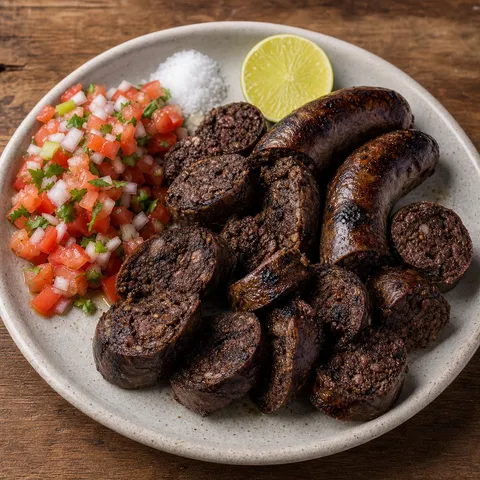
 Mutura
Kenyan spiced blood sausage stuffed with meat, onion, and herbs, then grilled until the casing crisps and snaps — a bold, smoky roadside delicacy.
 East African Lens Verified Images are for illustrative purposes only, may be inaccurate, and do not guarantee the presence or absence of specific ingredients.
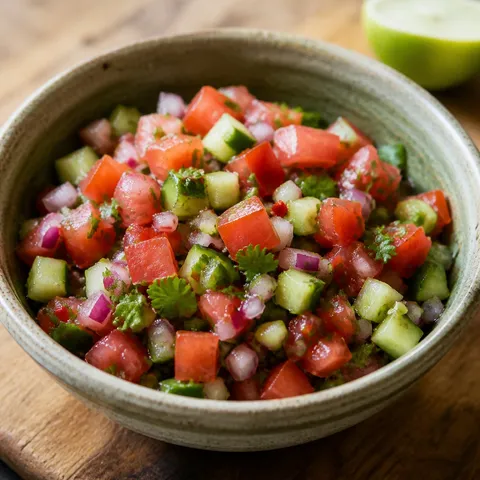
 Kachumbari
Bright, refreshing salad of ripe tomatoes and sharp raw onion, spiked with chili and lime — the cool, crisp counterpoint to rich East African grills.