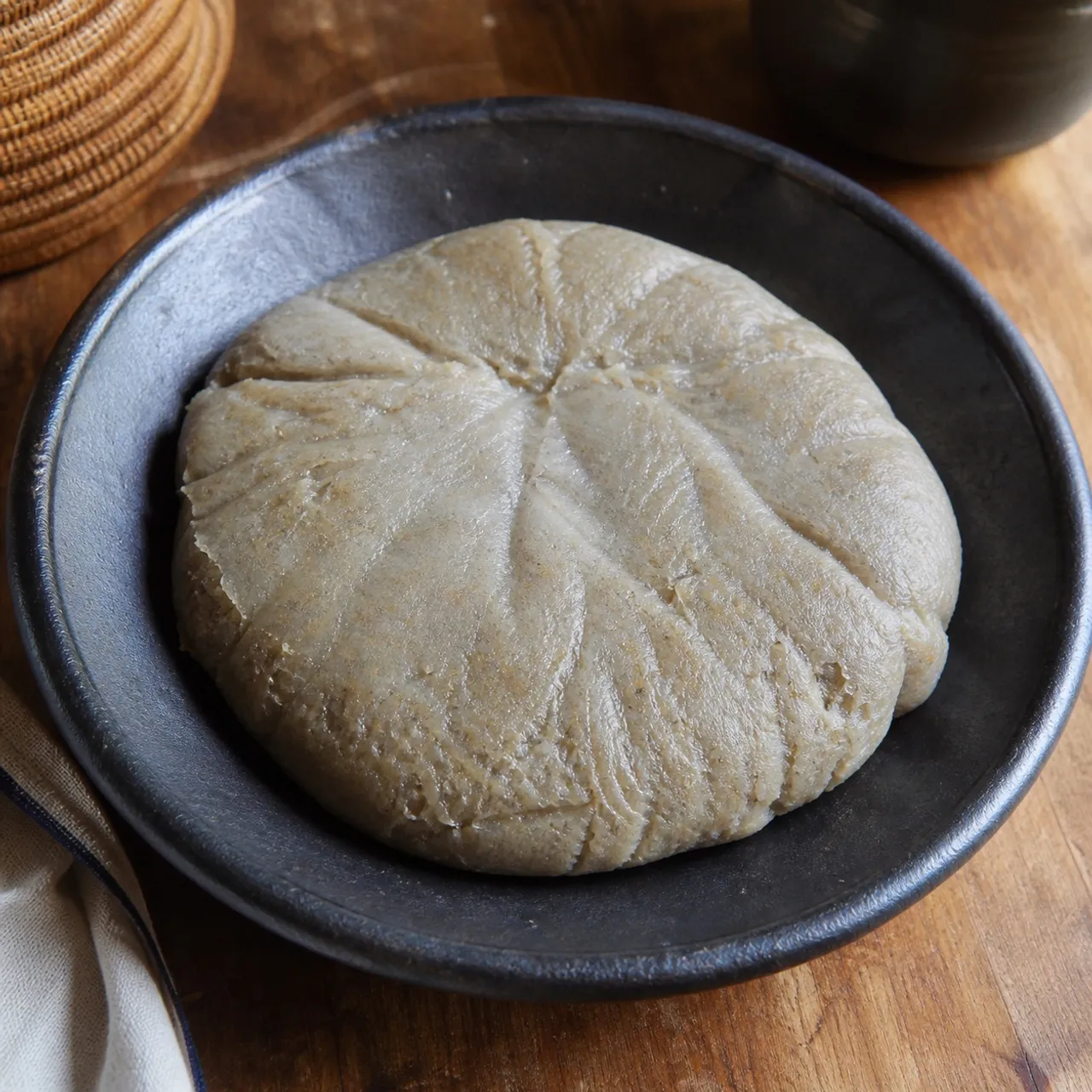
 East African Images are for illustrative purposes only, may be inaccurate, and do not guarantee the presence or absence of specific ingredients.
 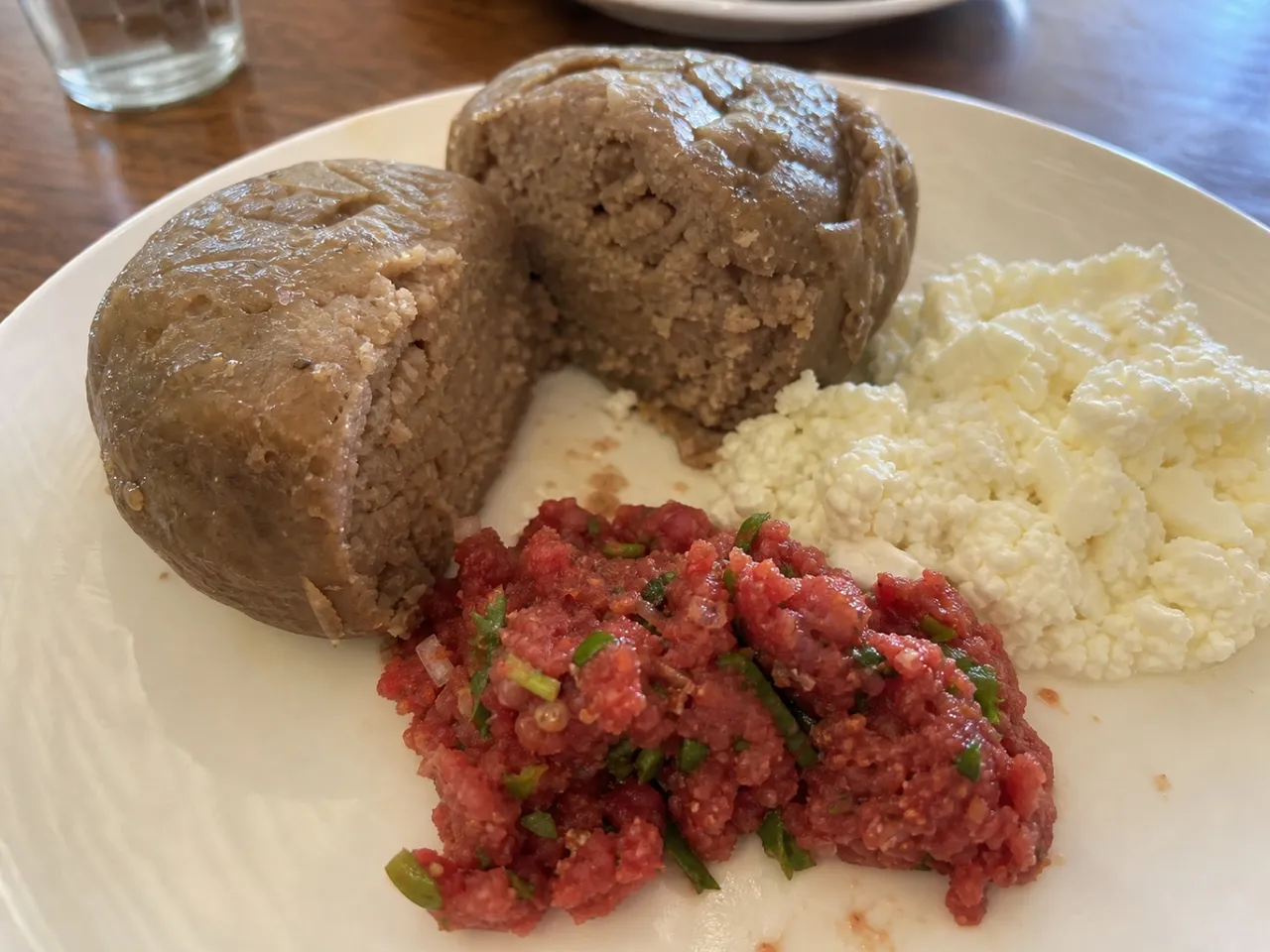 Serving Images are for illustrative purposes only, may be inaccurate, and do not guarantee the presence or absence of specific ingredients.
 Kocho
Dense flatbread pressed from fermented enset — the 'false banana' — with a subtly sour, starchy depth. The traditional base for kitfo in southern Ethiopian cuisine.
Contains common allergens
In the app, Listahan checks these against your household automatically.
Instructions
8 steps- 1
If starting from raw fermented enset pulp, knead it briefly with clean hands to an even, slightly sticky consistency, adding a splash of water if it feels too stiff.
- 2
Line a flat baking surface or traditional clay griddle (mitad) with a layer of softened banana leaf, lightly oiled if desired.
- 3
Spread the kocho pulp evenly over the leaf into a round, flat disc about 1/2 inch thick.
- 4
Cover with a second banana leaf to protect the surface from direct heat.
- 5
Heat the griddle over medium-low heat and cook the covered kocho for 20 to 25 minutes, checking occasionally, until the underside is set and lightly firm.
- 6
Carefully flip the whole disc, leaves and all, and cook the other side for another 20 to 25 minutes until the bread is cooked through, dense, and holds together when sliced.
- 7
Remove from the heat, peel back the banana leaves, and let the kocho cool slightly before cutting into wedges.
- 8
Serve at room temperature alongside kitfo or another spiced dish, tearing off pieces to scoop.
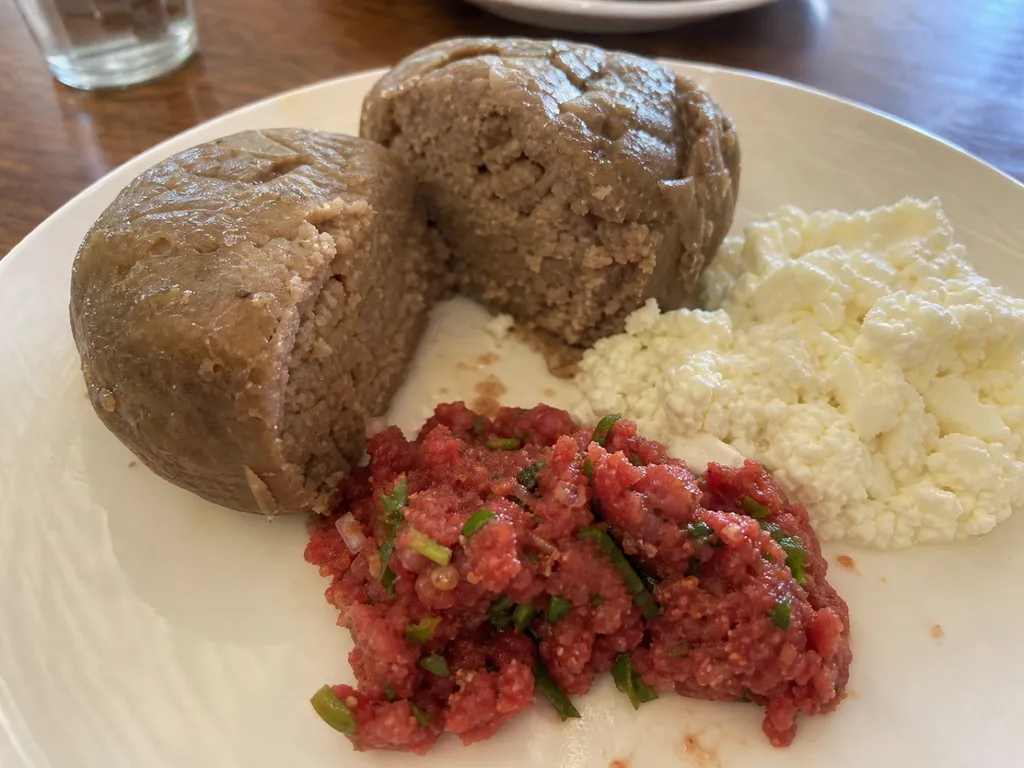 Images are for illustrative purposes only, may be inaccurate, and do not guarantee the presence or absence of specific ingredients.
 Listahan Family Score™
70/100
Good fit for most families
Score reflects how well this recipe fits a typical busy household. In the app, your Family Score is personalized to your household's allergens, kids, and pantry.
Nutrition
per serving230
Calories
6 g
Protein
48 g
Carbs
1 g
Fat
Estimated per serving. Actual values depend on the brands and portions you use.
Listahan cooking guide
Chef notes & practical guide
Technique notes, ingredient swaps, serve-alongside ideas, storage guidance, and equipment for this recipe.
Cultural context
Kocho is a traditional flatbread and food staple of the Wolaita and other southern Ethiopian peoples, made not from grain but from enset — the 'false banana' plant whose trunk and corms are fermented, dried, and processed into a starchy flour. Enset cultivation is ancient in Ethiopia's southern highlands and feeds millions of people who depend on it as their primary carbohydrate, making Ethiopia one of the few food cultures in the world with a primary starch crop that is not a grain. Kocho is traditionally eaten with raw kitfo (minced beef) and ayib cheese, a combination that represents the complete meal structure of the Wolaita diet.
Listahan note
This version works with enset flour sourced from specialty Ethiopian grocers or importers, mixed with water and formed into thick rounds that are slow-roasted over low heat until cooked through with a slight exterior crust.
Technique cues
- Enset flour has a distinctive slightly fermented, starchy quality very different from teff or wheat; the flour needs to be worked with enough water to become a dense, pliable dough that holds its shape when patted into rounds without cracking at the edges.
- Kocho is cooked low and slow — traditionally over coals — to cook through the thick interior without burning the exterior; a heavy griddle or cast-iron pan over medium-low heat is the closest modern approximation, taking 15-20 minutes per side.
- The finished kocho should have a dry, faintly golden exterior and a soft, slightly gummy interior — similar in cross-section to a very dense polenta cake; if it is still wet in the center when the outside colors, lower the heat and cover loosely.
Kitchen flow
- Parallel prep
- Mix and shape the kocho dough before preheating the pan; the dough benefits from a 10-minute rest after mixing to fully hydrate.
- Make-ahead
- Uncooked kocho rounds can be shaped and refrigerated on a plate under plastic wrap for up to 24 hours before cooking.
- Leftover move
- Leftover cooked kocho can be sliced and pan-fried in a little butter until the slices develop a crisp exterior, then served with honey or ayib.
- Cleanup rhythm
- Wipe the pan between rounds with a dry cloth while still warm; enset starch residue cleans easily when fresh but can stick if allowed to cool and dry.
Ingredient brief
Role, handling, and swap guidance for each key ingredient.
Enset flour
primary starch and structure
Purpose: Enset flour is the culturally and nutritionally defining ingredient of kocho; it provides a unique starchy, faintly fermented base that cannot be replicated with any grain flour.
Handling: Mix with water gradually to form a stiff dough; the exact water ratio depends on the flour's moisture content, so add water tablespoon by tablespoon until the dough is smooth and non-sticky.
Adaptation: No true substitute exists; banana flour or plantain flour approximates the starchy, faintly fruity character in terms of texture though the flavor is quite different.
water
hydration agent
Purpose: Water hydrates the enset starch and activates its binding properties to form a cohesive dough that holds together during slow cooking.
Handling: Use room-temperature water; add gradually rather than all at once to control dough consistency.
Adaptation: No substitute.
Fermented enset pulp (the fermentation itself)
Flavor development and digestibility
Purpose: The months-long fermentation of the enset corm breaks down complex starches, develops an acidic tang, and produces a more digestible final product — the ferment is as much an ingredient as the flour itself.
Handling: Store fermented enset in a cool, dark place until ready to press and cook; traditionally wrapped in enset leaves to regulate humidity.
Adaptation: No substitute for the fermented component; fresh enset pulp without fermentation produces a bland, starchy result that lacks kocho's characteristic flavor.
Technique notes
- Source fresh or frozen enset flour from Ethiopian grocery stores in major North American cities with Ethiopian communities; dried enset flour from online importers also works but may require more water to hydrate.
- Pat the dough rounds to a uniform thickness of about 1 inch; thicker rounds risk an underdone center, thinner rounds dry out before the interior is properly set.
- Do not rush kocho with higher heat; the slow cook is integral to the starch fully gelatinizing and the interior achieving the correct soft, cohesive texture that makes it easy to tear and use for scooping.
Ingredient swaps
- Gluten-free direction
- Enset flour is naturally gluten-free; kocho is inherently a safe choice for guests with gluten sensitivity, though always verify the specific product's processing facility.
- Flour availability substitute
- If enset flour is unavailable, a blend of 60% taro flour and 40% plantain flour approximates the starchy, slightly earthy character of kocho with a similar slow-cook approach.
- Textured version
- Mix in a tablespoon of niter kibbeh to the dough before shaping for a richer, more aromatic kocho that has some of the spiced butter flavor built in.
Serve alongside
- raw kitfo (seasoned minced beef) in the traditional Wolaita pairing
- ayib (Ethiopian fresh cheese) crumbled over the kocho
- gomen (collard greens) for a complete fasting-style meal without the meat
- Ethiopian tej (honey wine)
- cold water or Ethiopian spiced tea
Serving suggestions only — check pairings for your household's allergens.
Storage & reheating
- Wrap cooked kocho in foil and store at room temperature for up to 1 day; refrigerate for up to 3 days.
- Reheat in a dry skillet over medium-low heat for 5-6 minutes per side to restore the exterior texture; microwave reheating makes it gummy.
- Uncooked dough rounds can be wrapped tightly and frozen for up to 1 month; thaw in the refrigerator overnight before cooking.
Equipment
- heavy cast-iron griddle or large skillet
- mixing bowl
- flexible spatula for turning
- kitchen scale for measuring enset flour accurately
Make this household-aware
Listahan Pro checks this recipe against your household's allergens, finds pantry-aware swaps, builds the shopping list, and helps you plan the week around it.
Plan it in Listahan
Add Kocho to your week, check it against your household's allergens, and build the shopping list automatically.
More East African recipes
 East African Lens Verified Images are for illustrative purposes only, may be inaccurate, and do not guarantee the presence or absence of specific ingredients.
 Viazi Karai
A Zanzibari street favorite of soft boiled potatoes coated in a turmeric-yellow batter and deep-fried until crackling, served with fiery tamarind sauce.
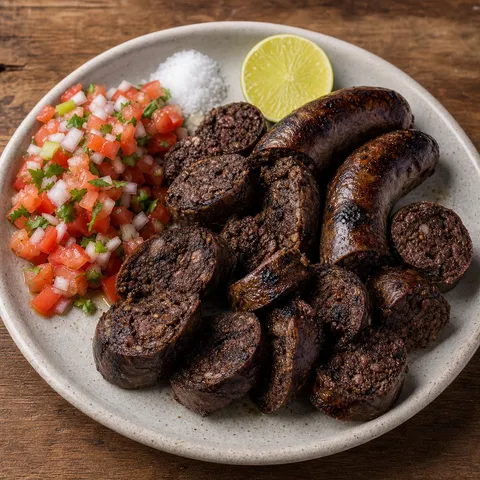 East African Lens Verified Images are for illustrative purposes only, may be inaccurate, and do not guarantee the presence or absence of specific ingredients.
 Mutura
Kenyan spiced blood sausage stuffed with meat, onion, and herbs, then grilled until the casing crisps and snaps — a bold, smoky roadside delicacy.
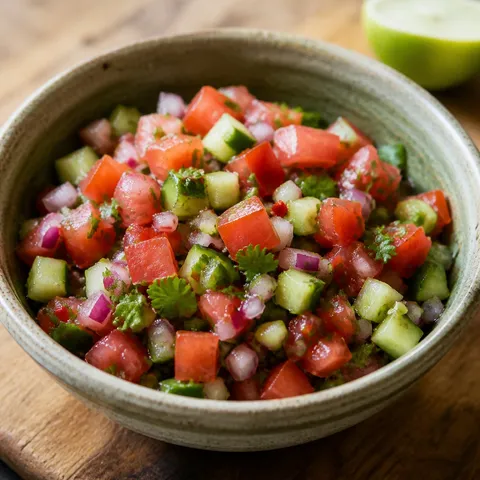 East African Lens Verified Images are for illustrative purposes only, may be inaccurate, and do not guarantee the presence or absence of specific ingredients.
 Kachumbari
Bright, refreshing salad of ripe tomatoes and sharp raw onion, spiked with chili and lime — the cool, crisp counterpoint to rich East African grills.