 East African Images are for illustrative purposes only, may be inaccurate, and do not guarantee the presence or absence of specific ingredients.
  Serving Images are for illustrative purposes only, may be inaccurate, and do not guarantee the presence or absence of specific ingredients.
 Mandazi
Lightly sweet, coconut-scented East African fried dough with a tender crumb and golden crust — perfect with chai for breakfast or an afternoon snack.
Contains common allergens
In the app, Listahan checks these against your household automatically.
Good to know
- Crispy
Matched from this dish's own ingredients and timing. Browse more: crispy recipes
Instructions
6 steps- 1
In a small bowl, dissolve the yeast and a pinch of sugar in the warm coconut milk. Let sit for 5-10 minutes until frothy.
- 2
In a large bowl, whisk together the flour, remaining sugar, and ground cardamom.
- 3
Make a well in the center of the dry ingredients and add the yeast mixture and beaten egg. Mix and knead into a smooth, slightly sticky dough.
- 4
Cover the dough and let it rise in a warm place for 1 hour, or until doubled in size.
- 5
Punch down the dough and roll it out to a 1/2-inch thickness. Cut into triangles or small squares.
- 6
Heat 2 inches of vegetable oil in a deep pot to 350°F (175°C). Fry the dough pieces in batches for 2-3 minutes per side until puffed and golden brown. Drain on paper towels.
 Images are for illustrative purposes only, may be inaccurate, and do not guarantee the presence or absence of specific ingredients.
 Listahan Family Score™
70/100
Good fit for most families
Score reflects how well this recipe fits a typical busy household. In the app, your Family Score is personalized to your household's allergens, kids, and pantry.
Nutrition
per serving265
Calories
6 g
Protein
50 g
Carbs
5 g
Fat
Estimated per serving. Actual values depend on the brands and portions you use.
Listahan cooking guide
Chef notes & practical guide
Technique notes, ingredient swaps, serve-alongside ideas, storage guidance, and equipment for this recipe.
Cultural context
Mandazi are the fried sweet bread of coastal East Africa, particularly associated with the Swahili coast of Kenya, Tanzania, and the island of Zanzibar. They are made with coconut milk and cardamom, a combination that reflects the centuries of Arab, Indian, and Persian trading relationships along this coast. Mandazi are eaten at breakfast with chai, as an afternoon snack, and at celebrations; in Zanzibar they are sometimes called 'boflo' and can be found at every street corner bakery.
Listahan note
This version uses coconut milk and ground cardamom as the defining flavor elements; the yeast gives a light, slightly airy texture rather than the denser result of baking powder-only versions.
Technique cues
- Proof the yeast in warm coconut milk (not hot — above 110F kills yeast) until visibly foamy, about 10 minutes; this confirms the yeast is active and prevents a batch of flat mandazi from a dead packet.
- The dough should be softer and stickier than bread dough — resist adding excess flour to make it easier to handle; a softer dough fries up lighter and more tender, while a stiff dough produces dense, heavy mandazi.
- Fry at 350F (175C) in oil at least 2 inches deep; too-cool oil is absorbed into the dough making mandazi greasy, while too-hot oil browns the outside before the inside cooks through — use a thermometer to maintain consistent temperature.
Kitchen flow
- Parallel prep
- Mix the dough and let it rise while you set up and heat the frying oil; the 30-45 minute rise aligns with the time oil takes to come to temperature safely.
- Make-ahead
- Cut and shaped mandazi can be refrigerated on a baking sheet for up to 2 hours before frying; fry straight from the refrigerator — they hold their shape better when cold.
- Leftover move
- Day-old mandazi warm well in a 300F oven for 5-8 minutes; they also work split and filled with jam, peanut butter, or honey as a quick snack.
- Cleanup rhythm
- Let the frying oil cool completely before straining it through a fine-mesh strainer back into its container for reuse; wipe the pot with paper towels while still slightly warm.
Ingredient brief
Role, handling, and swap guidance for each key ingredient.
3 cups all-purpose flour
structural base
Purpose: All-purpose flour provides enough structure to contain the gas from the yeast while staying tender after frying.
Handling: Spoon and level when measuring; packed flour makes a stiff dough that fries dense.
Adaptation: Bread flour can be used for a chewier texture; whole wheat flour mixed at 50/50 with all-purpose gives a nuttier, denser mandazi.
1/2 cup warm coconut milk
flavor and yeast medium
Purpose: Coconut milk provides the subtle tropical sweetness and richness that defines coastal Swahili mandazi, and supplies the warm liquid needed to proof the yeast.
Handling: Warm to about 100-105F (feels comfortably warm, not hot, on your wrist); shake the can well before measuring.
Adaptation: Whole milk can replace coconut milk for a neutral-flavored mandazi; the coconut note will be absent but the texture will be similar.
1 tsp ground cardamom
signature spice
Purpose: Cardamom is the defining flavor of Swahili mandazi; it provides a floral, warm-spice note that distinguishes these East African doughnuts from Western counterparts.
Handling: Ground cardamom from a freshly opened jar gives the best flavor; pre-ground cardamom loses potency quickly.
Adaptation: A combination of 1/2 tsp cinnamon and a pinch of nutmeg approximates the flavor for those who cannot source cardamom.
1 egg (beaten)
binder and richness
Purpose: The egg enriches the dough and helps it hold together during frying, giving mandazi a more tender, slightly cake-like crumb.
Handling: Beat lightly just until the yolk and white are combined before adding to the dough.
Adaptation: Omit for a vegan version; the texture will be slightly less rich but the mandazi will still cook well.
1 tbsp active dry yeast
leavening agent
Purpose: Yeast gives mandazi a lighter, more open crumb than baking powder alone and develops subtle flavor during the brief rise.
Handling: Proof in warm coconut milk for 10 minutes before adding to the flour; skip this step only with instant yeast.
Adaptation: 2 tsp instant yeast can replace active dry yeast without proofing; 2 tsp baking powder can replace yeast entirely for a quicker, denser result.
Technique notes
- Cut the dough into triangles or squares rather than rounds; the traditional shape is a triangle or half-moon, which gives mandazi their distinctive look and also cooks more evenly than thick round shapes.
- Do not crowd the pan — fry 3-4 pieces at a time and keep them moving gently with a slotted spoon to ensure even browning on all sides; crowding drops the oil temperature and creates greasy mandazi.
- Drain on a wire rack rather than paper towels; paper towels trap steam underneath and make the bottom of mandazi soggy, while a rack lets air circulate and keeps the exterior crisp.
Ingredient swaps
- Vegan direction
- Omit the egg and replace with 2 tablespoons of aquafaba (chickpea brine); the mandazi will be slightly less rich but the texture remains good.
- Gluten-free direction
- A gluten-free all-purpose blend with xanthan gum can be used, but the dough will be stickier and the mandazi will be denser and more crumbly than the wheat original.
- Baking powder shortcut
- Replace yeast with 2 teaspoons of baking powder and skip the rise; the result is denser but still good and ready in under 30 minutes.
Serve alongside
- sweet milky chai (the classic pairing)
- plain yogurt with honey
- fresh fruit slices
- sweet spiced chai with ginger and cardamom
- fresh tamarind juice
Serving suggestions only — check pairings for your household's allergens.
Storage & reheating
- Store at room temperature in a loosely covered container for up to 2 days; airtight containers make the crust go soft faster.
- Reheat in a 300F oven for 5-8 minutes to restore some crispness; microwave reheating makes them soft and a bit doughy.
- Freeze cooled mandazi in a single layer on a baking sheet, then transfer to a bag; reheat from frozen in a 325F oven for 10-12 minutes.
Equipment
- deep heavy-bottomed pot or Dutch oven for frying
- instant-read or deep-fry thermometer
- slotted spoon or spider strainer
- wire cooling rack
Make this household-aware
Listahan Pro checks this recipe against your household's allergens, finds pantry-aware swaps, builds the shopping list, and helps you plan the week around it.
Plan it in Listahan
Add Mandazi to your week, check it against your household's allergens, and build the shopping list automatically.
More East African recipes
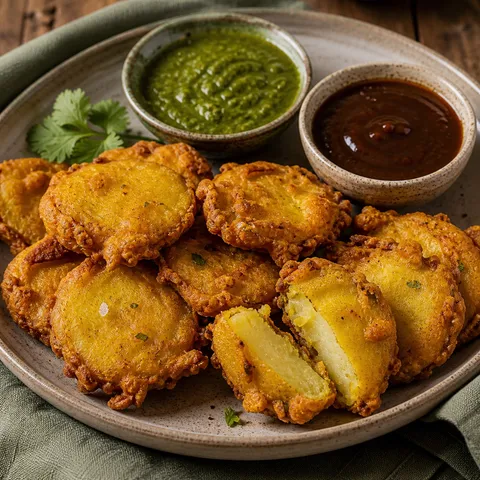 East African Lens Verified Images are for illustrative purposes only, may be inaccurate, and do not guarantee the presence or absence of specific ingredients.
 Viazi Karai
A Zanzibari street favorite of soft boiled potatoes coated in a turmeric-yellow batter and deep-fried until crackling, served with fiery tamarind sauce.
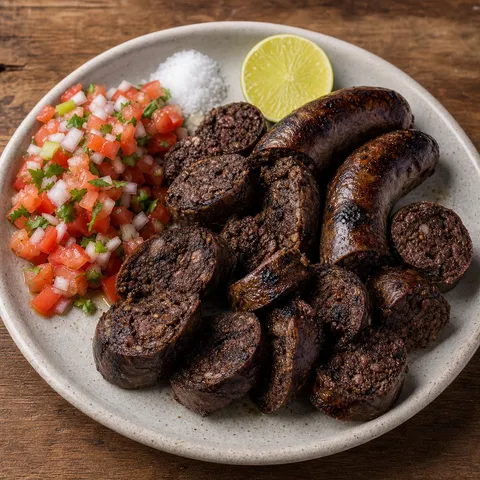 East African Lens Verified Images are for illustrative purposes only, may be inaccurate, and do not guarantee the presence or absence of specific ingredients.
 Mutura
Kenyan spiced blood sausage stuffed with meat, onion, and herbs, then grilled until the casing crisps and snaps — a bold, smoky roadside delicacy.
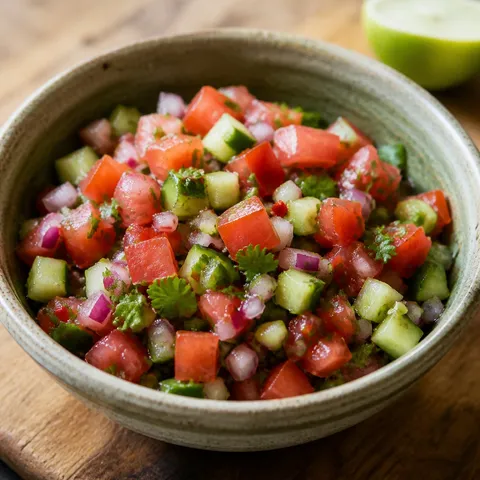 East African Lens Verified Images are for illustrative purposes only, may be inaccurate, and do not guarantee the presence or absence of specific ingredients.
 Kachumbari
Bright, refreshing salad of ripe tomatoes and sharp raw onion, spiked with chili and lime — the cool, crisp counterpoint to rich East African grills.