 East African Images are for illustrative purposes only, may be inaccurate, and do not guarantee the presence or absence of specific ingredients.
  Serving Images are for illustrative purposes only, may be inaccurate, and do not guarantee the presence or absence of specific ingredients.
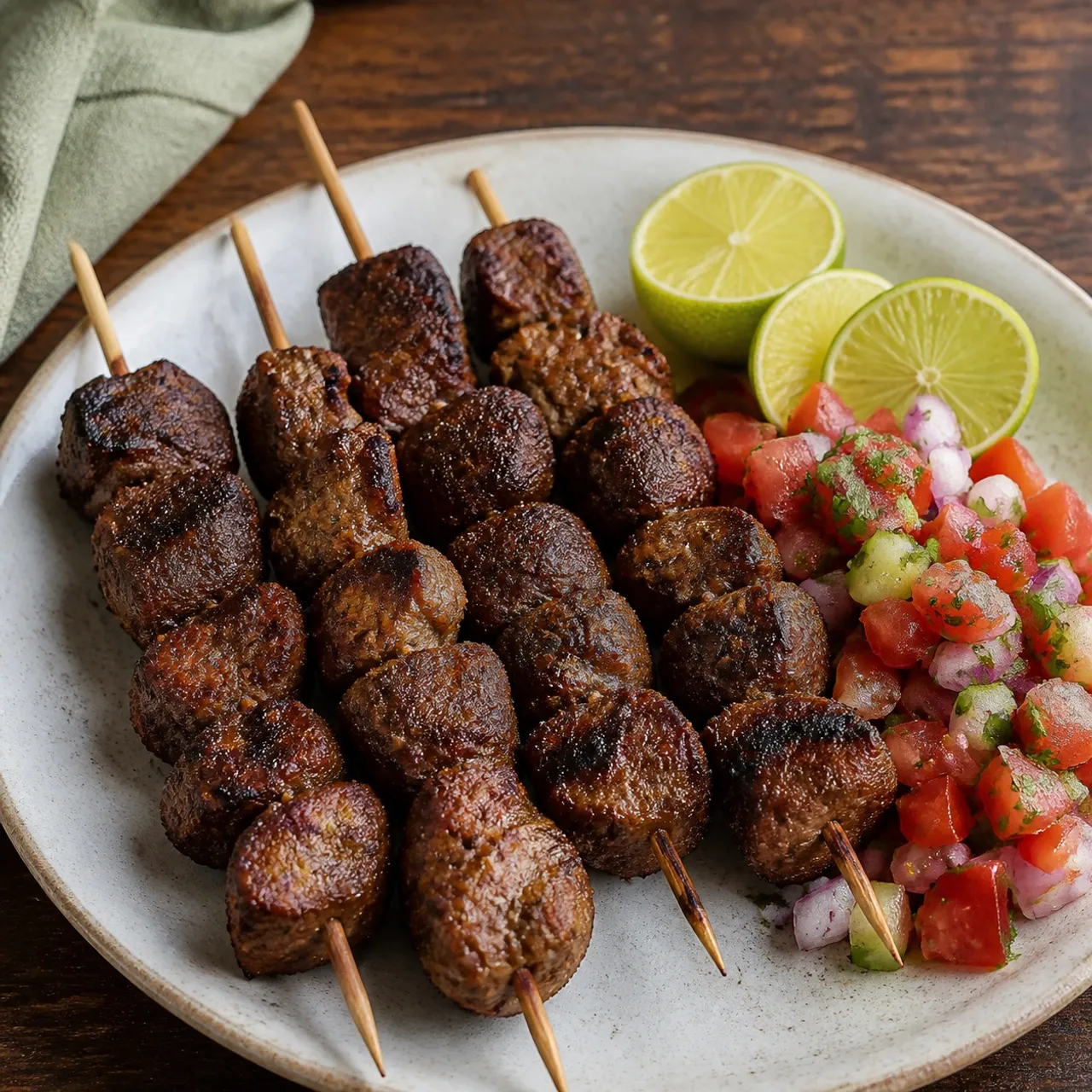
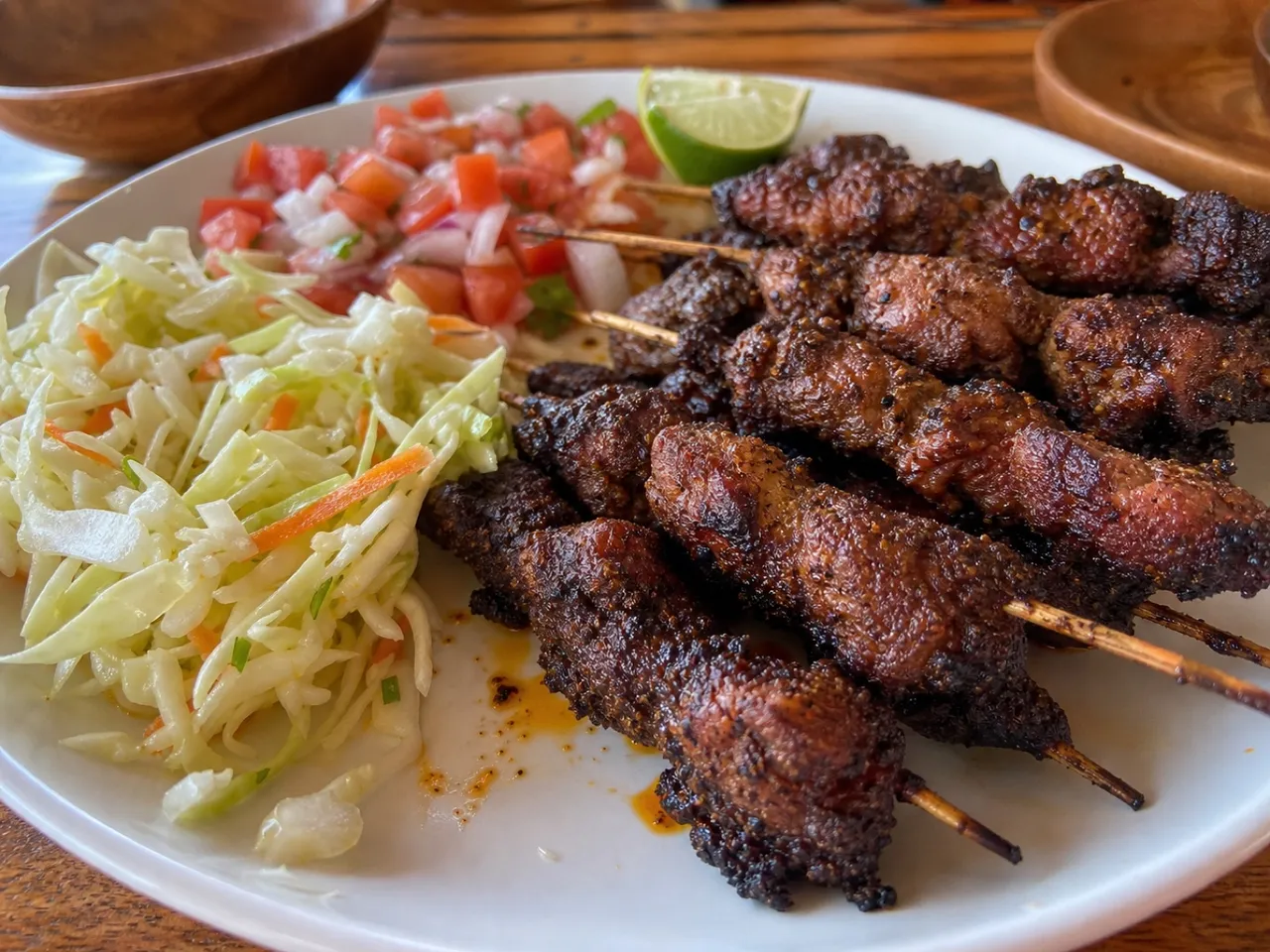
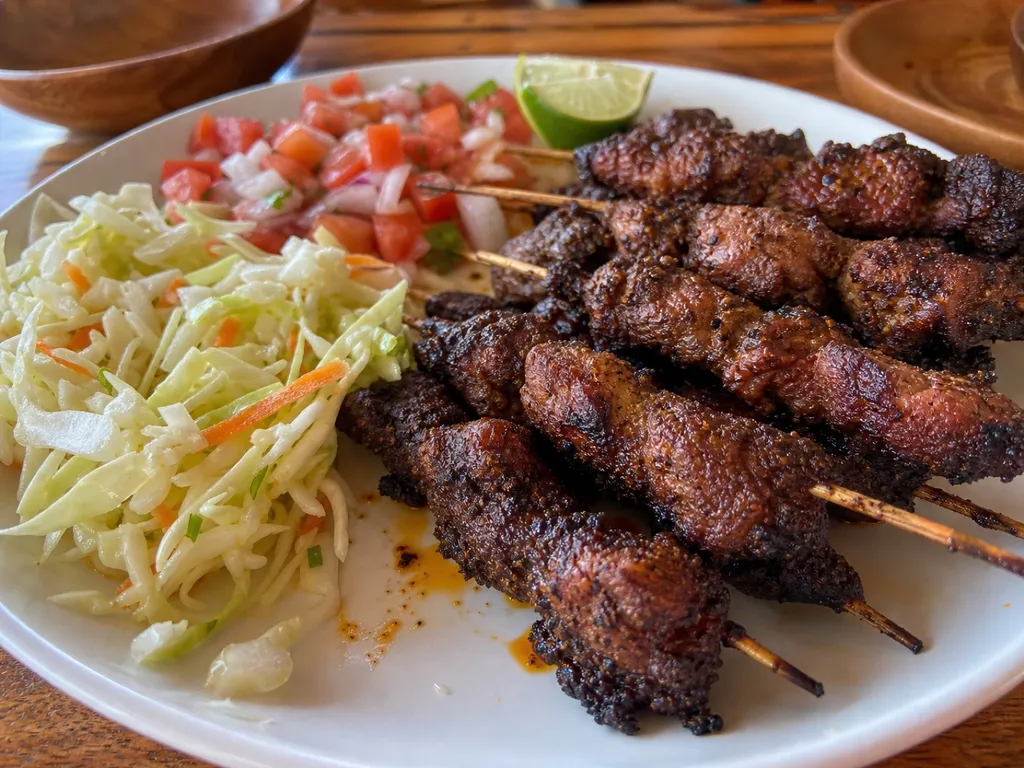
 Mishkaki
Tender chunks of marinated beef or goat threaded on skewers and grilled over charcoal until smoky and slightly charred — East Africa's favorite street meat.
No common allergens detected
Based on this recipe's ingredient list. Always verify with your own brands and labels.
Instructions
6 steps- 1
In a large mixing bowl, combine the minced garlic, grated ginger, cumin, paprika, turmeric, lemon juice, and vegetable oil to form a smooth paste.
- 2
Add the beef cubes to the marinade, tossing thoroughly until every piece is evenly coated.
- 3
Cover the bowl with plastic wrap and refrigerate for at least 2 hours, or overnight for deeper flavor.
- 4
Soak wooden skewers in water for 30 minutes to prevent them from burning. Thread the marinated beef cubes tightly onto the skewers.
- 5
Preheat a charcoal grill or stovetop grill pan over medium-high heat.
- 6
Grill the skewers for 8-10 minutes, turning every 2 minutes to char all sides evenly. Serve immediately while hot and juicy.
 Images are for illustrative purposes only, may be inaccurate, and do not guarantee the presence or absence of specific ingredients.
 Listahan Family Score™
70/100
Good fit for most families
Score reflects how well this recipe fits a typical busy household. In the app, your Family Score is personalized to your household's allergens, kids, and pantry.
Nutrition
per serving495
Calories
45 g
Protein
2 g
Carbs
33 g
Fat
Estimated per serving. Actual values depend on the brands and portions you use.
Listahan cooking guide
Chef notes & practical guide
Technique notes, ingredient swaps, serve-alongside ideas, storage guidance, and equipment for this recipe.
Cultural context
Mishkaki are the spiced beef skewers of the East African coast, deeply connected to the Arab and South Asian influences on Swahili coastal cuisine in Kenya, Tanzania, and the islands of Zanzibar and Lamu. The name derives from the Arabic 'mashawi' (grilled meats), and the marinade — ginger, garlic, cumin, turmeric, and lemon — reflects the spice trade routes that defined the Indian Ocean world for centuries. Mishkaki are sold sizzling off charcoal grills at every street corner in Mombasa and Dar es Salaam, eaten as a snack or a meal with chapati and chili sauce.
Listahan note
This version uses a ginger-heavy marinade with ground spices rather than a paste, producing a dry, aromatic crust on the grilled beef that is characteristic of Mombasa-style mishkaki.
Technique cues
- Marinate the beef for a minimum of 2 hours, ideally overnight; the acidic lemon juice breaks down surface protein fibers and allows the spices to penetrate the cubes deeply — under-marinated mishkaki tastes seasoned only on the outside.
- Thread cubes tightly on skewers leaving minimal gaps; tightly packed cubes retain moisture during the high-heat grill cook and prevent the edges from drying out before the centers cook through.
- Mishkaki cook fast on high direct heat — 3-4 minutes per side over hot coals or a very hot gas grill — and are done when they have visible char lines and the exterior has a dry, slightly crisped crust; pulling them at medium-rare to medium gives the most tender result.
Kitchen flow
- Parallel prep
- Marinate the beef the night before; the next day, make kachumbari and chapati while the grill heats, and the skewers are ready to cook in minutes.
- Make-ahead
- Thread marinated beef onto skewers up to 4 hours before grilling and refrigerate; remove 20 minutes before cooking to take the chill off.
- Leftover move
- Pull leftover grilled beef from the skewers and stir into a tomato and onion sauce for a quick beef stew served over rice or ugali.
- Cleanup rhythm
- Soak wooden skewers in water for 30 minutes before threading to prevent them from charring; metal skewers eliminate this step entirely.
Ingredient brief
Role, handling, and swap guidance for each key ingredient.
1.5 lbs beef sirloin or tenderloin (cut into 1-inch cubes)
primary protein
Purpose: Sirloin and tenderloin have enough fat marbling to stay moist during the quick high-heat grill cook without requiring a long braise.
Handling: Cut into uniform 1-inch cubes so all pieces cook at the same rate; pat dry before adding to the marinade.
Adaptation: Beef ribeye cubes are richer and more forgiving on the grill; chicken thighs (boneless, cut into pieces) make an excellent alternative and are common in coastal Kenya.
1 tbsp fresh ginger (grated)
primary aromatic and tenderizer
Purpose: Fresh ginger provides sharp, bright heat and enzymatic action that helps tenderize the beef during marinating.
Handling: Grate on a microplane or the fine side of a box grater; minced ginger delivers less flavor per volume than finely grated.
Adaptation: One teaspoon of ground ginger can substitute in the marinade but delivers a less vibrant flavor.
1 tsp ground cumin
warm earthy spice
Purpose: Cumin provides the warm, slightly smoky earthiness that is the backbone of the mishkaki spice profile.
Handling: Combine all spices in a small bowl before adding to the marinade to ensure even distribution.
Adaptation: Whole cumin seeds, lightly toasted and ground, give a brighter cumin flavor.
1/2 tsp turmeric
color and subtle spice
Purpose: Turmeric gives mishkaki their characteristic golden-orange color and adds a faint earthy, slightly bitter note that balances the ginger.
Handling: Wear an apron or old clothes when handling turmeric; it stains fabric and surfaces permanently.
Adaptation: Omit if unavailable; the flavor impact is subtle and the dish will still taste correct.
2 tbsp fresh lemon juice
acid marinade and brightness
Purpose: Lemon juice tenderizes the beef surface during marinating and provides the bright acidity that balances the warm spices.
Handling: Add last to the marinade; acidic ingredients added first can begin denaturing proteins on the meat surface before the spices are incorporated.
Adaptation: Lime juice works equally well and is common in Tanzanian mishkaki.
Technique notes
- Oil the grill grates thoroughly right before placing the skewers; spiced marinades with turmeric and ginger stick easily to dry grates and the beef cubes can tear when you try to flip them.
- Do not move the skewers for the first 2 minutes after placing them on the grill; letting the beef sit undisturbed allows a crust to form naturally, which then releases cleanly — moving too soon tears the surface.
- Serve immediately off the grill; mishkaki are at their best in the first 5-10 minutes when the exterior is crisp and the interior is still juicy — they dry out quickly as they cool.
Ingredient swaps
- Poultry option
- Boneless chicken thighs cut into 1-inch pieces use the same marinade and grill in about the same time; cook to an internal temperature of 165F.
- Gluten-free direction
- This recipe is naturally gluten-free as written; verify that all spice blends used are gluten-free if serving to someone with celiac disease.
- Lamb variation
- Lamb leg or shoulder cubes are excellent with this marinade and are common in the Zanzibar version of mishkaki.
Serve alongside
- chapati or flatbread
- kachumbari (fresh tomato and onion salad with chili)
- chili and tamarind dipping sauce
- pilau (Kenyan spiced rice)
- cold Stoney Tangawizi ginger soda
- iced tamarind water with lime
Serving suggestions only — check pairings for your household's allergens.
Storage & reheating
- Store leftover grilled mishkaki in an airtight container in the refrigerator for up to 3 days.
- Reheat quickly in a hot pan with a small amount of oil to restore the crust; microwave reheating makes the beef tough.
- Freeze raw marinated beef cubes (before grilling) for up to 1 month; thaw overnight in the refrigerator and cook straight from thawed.
Equipment
- charcoal or gas grill
- metal skewers (preferred) or wooden skewers soaked in water
- microplane or fine grater for ginger
- tongs or grill brush
Make this household-aware
Listahan Pro checks this recipe against your household's allergens, finds pantry-aware swaps, builds the shopping list, and helps you plan the week around it.
Plan it in Listahan
Add Mishkaki to your week, check it against your household's allergens, and build the shopping list automatically.
More East African recipes
 East African Lens Verified Images are for illustrative purposes only, may be inaccurate, and do not guarantee the presence or absence of specific ingredients.
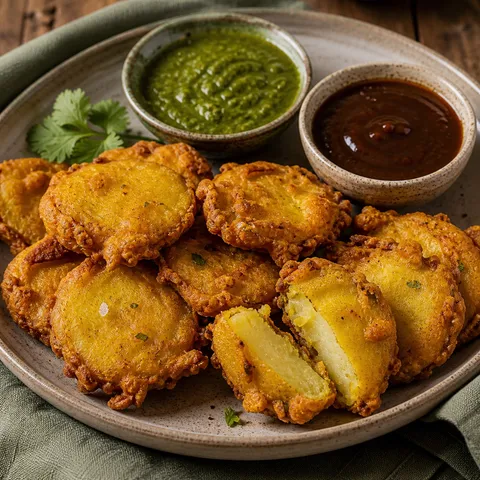
 Viazi Karai
A Zanzibari street favorite of soft boiled potatoes coated in a turmeric-yellow batter and deep-fried until crackling, served with fiery tamarind sauce.
 East African Lens Verified Images are for illustrative purposes only, may be inaccurate, and do not guarantee the presence or absence of specific ingredients.
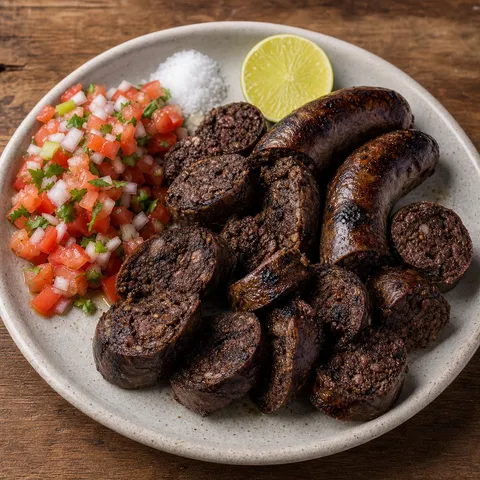
 Mutura
Kenyan spiced blood sausage stuffed with meat, onion, and herbs, then grilled until the casing crisps and snaps — a bold, smoky roadside delicacy.
 East African Lens Verified Images are for illustrative purposes only, may be inaccurate, and do not guarantee the presence or absence of specific ingredients.
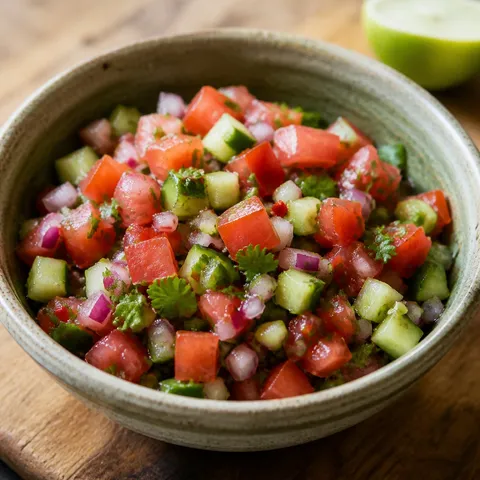
 Kachumbari
Bright, refreshing salad of ripe tomatoes and sharp raw onion, spiked with chili and lime — the cool, crisp counterpoint to rich East African grills.