 East African Images are for illustrative purposes only, may be inaccurate, and do not guarantee the presence or absence of specific ingredients.
  Serving Images are for illustrative purposes only, may be inaccurate, and do not guarantee the presence or absence of specific ingredients.
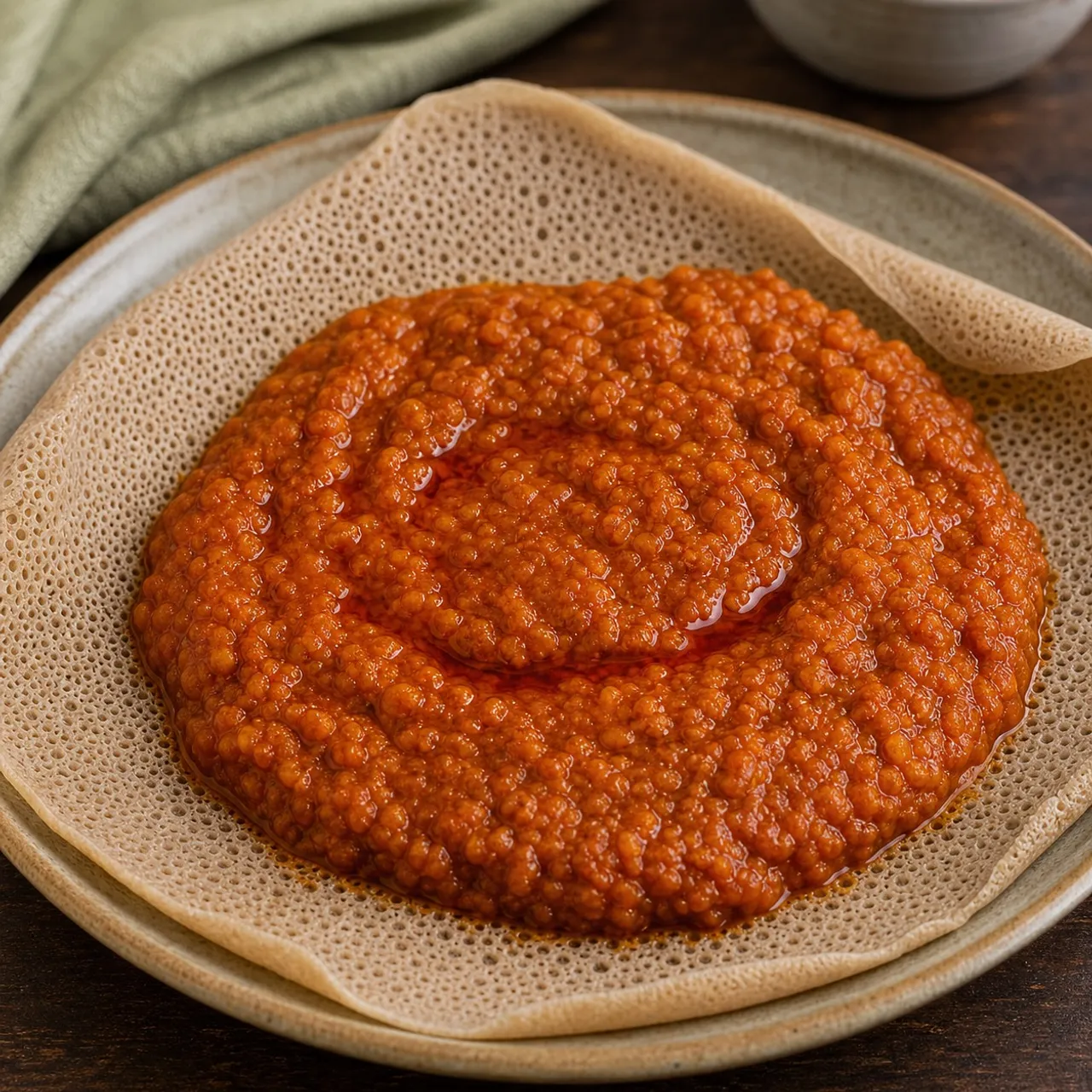
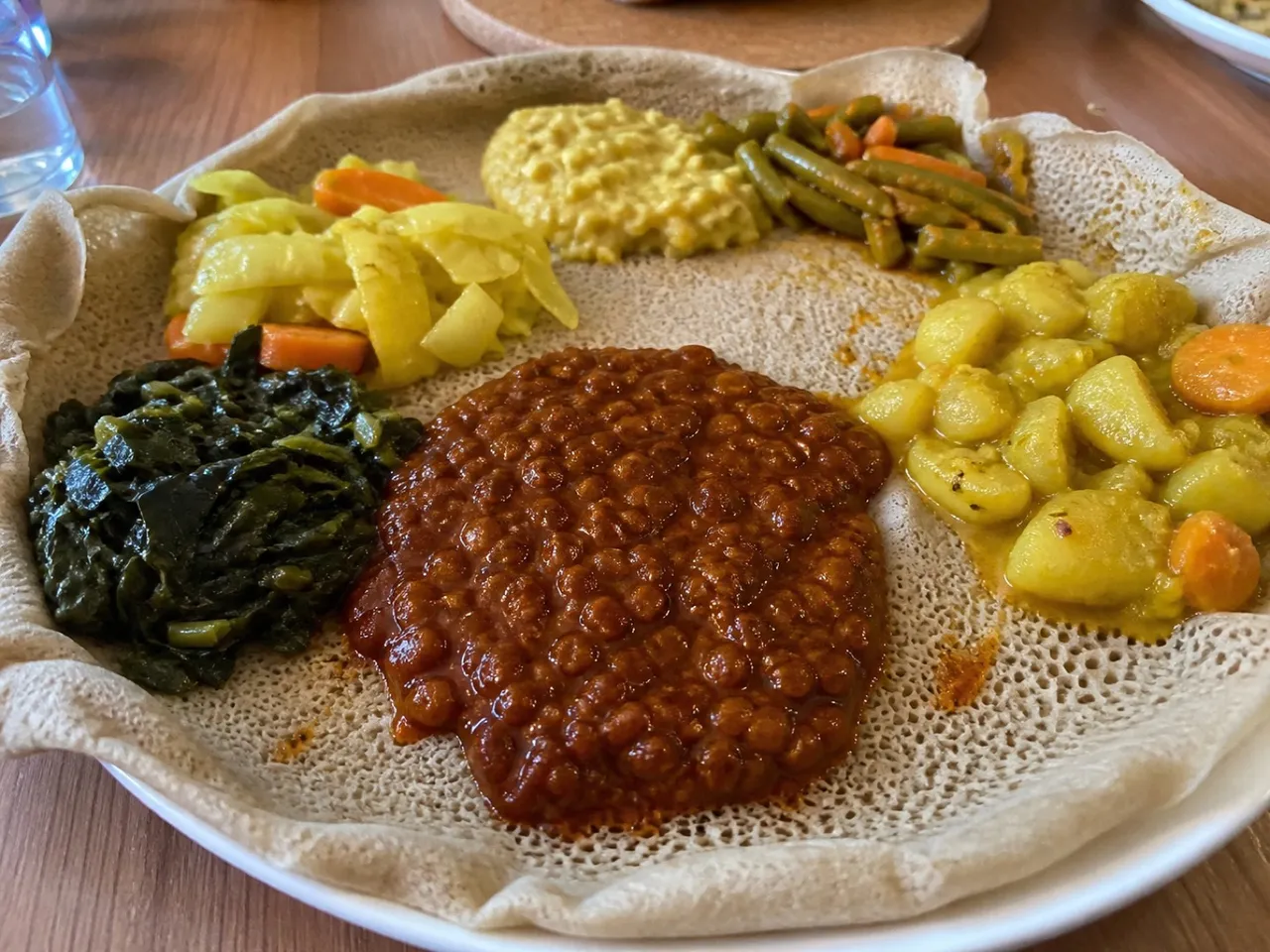
 Misir Wat
Fiery Ethiopian red lentil stew cooked low and slow with berbere and aromatics until thick, deeply spiced, and silky — one of the most beloved dishes in the cuisine.
Contains common allergens
In the app, Listahan checks these against your household automatically.
Good to know
- One-pot
Matched from this dish's own ingredients and timing. Browse more: one-pot dinners
Instructions
8 steps- 1
Heat the niter kibbeh in a large pot over medium heat and saute the onion for 10 to 12 minutes, stirring often, until deeply softened and golden brown.
- 2
Add the garlic and ginger and cook for 1 to 2 minutes until fragrant.
- 3
Stir in the berbere and cook for 1 to 2 minutes, toasting the spice in the fat until it darkens slightly and smells rich and toasty.
- 4
Add the chopped tomatoes or tomato paste and cook for 5 minutes, stirring, until it melts into the onion mixture.
- 5
Pour in the water and bring to a boil, then stir in the rinsed red lentils.
- 6
Reduce heat to low, cover partially, and simmer for 20 to 25 minutes, stirring occasionally to prevent sticking, until the lentils are fully broken down and the stew is thick and deeply red.
- 7
Season with salt to taste, adding a splash more water if the stew becomes too thick to stir easily.
- 8
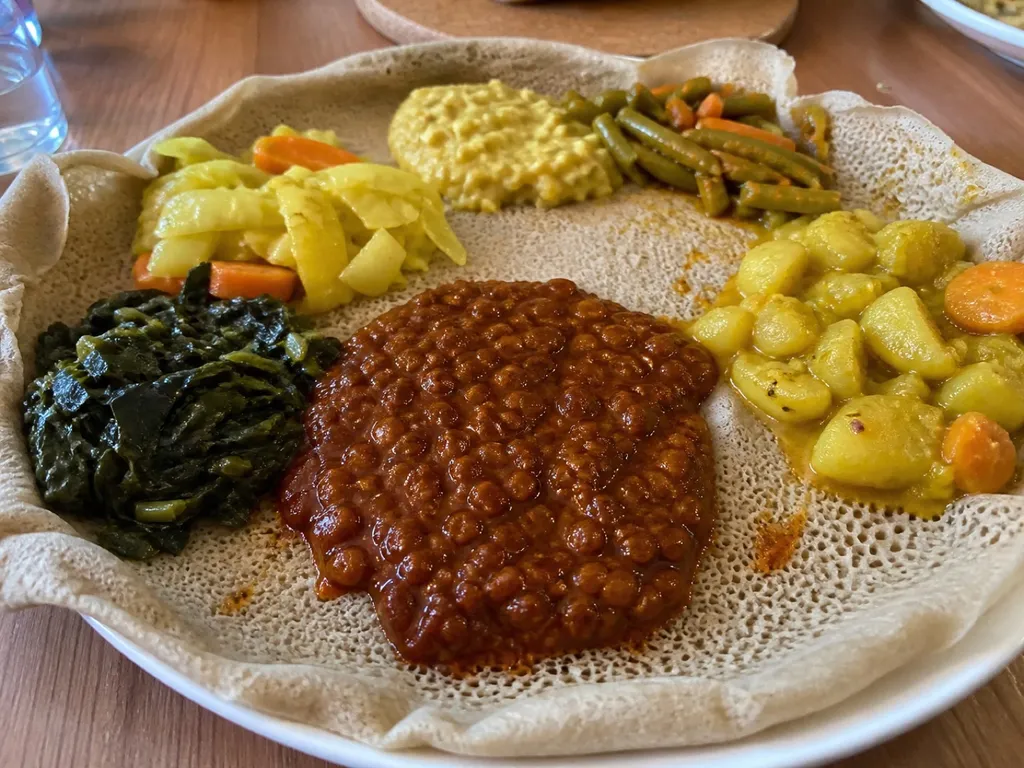
Serve hot, traditionally spooned over injera.
 Images are for illustrative purposes only, may be inaccurate, and do not guarantee the presence or absence of specific ingredients.
 Listahan Family Score™
70/100
Good fit for most families
Score reflects how well this recipe fits a typical busy household. In the app, your Family Score is personalized to your household's allergens, kids, and pantry.
Nutrition
per serving80
Calories
5 g
Protein
15 g
Carbs
0 g
Fat
Estimated per serving. Actual values depend on the brands and portions you use.
Listahan cooking guide
Chef notes & practical guide
Technique notes, ingredient swaps, serve-alongside ideas, storage guidance, and equipment for this recipe.
Cultural context
Misir wat is one of the most fundamental dishes in Ethiopian cuisine, a deeply spiced red lentil stew that appears on virtually every beyaynetu platter and is the essential protein dish during the Orthodox Christian fasting calendar, which prohibits meat and dairy for up to 180 days per year. The red color and complex heat come from berbere, Ethiopia's essential spice blend, cooked long and slow in caramelized onion and niter kibbeh or oil. Unlike many lentil dishes in other cuisines, misir wat is deliberately thick and concentrated, meant to be eaten in small scoops on injera rather than as a standalone bowl.
Listahan note
This version caramelizes the onions to a deep golden stage before any spices are added, a critical step that gives the stew its characteristic sweetness and prevents the berbere from tasting harsh or raw.
Technique cues
- Ethiopian cooking calls for cooking diced onions in oil — with no added water or lid — for 20-25 minutes until they are deeply golden and reduced to a soft mass; this caramelized onion base is what separates authentic misir wat from a quick weeknight lentil soup.
- Add the berbere in stages: half with the onion base and half after the lentils have absorbed most of the liquid — the first addition builds the spice into the stew's foundation while the second addition restores brightness that long cooking mutes.
- Red lentils dissolve quickly and will become a smooth paste if cooked much past the 20-25 minute mark; for the traditional thick but slightly textured consistency, remove from heat when most lentils have broken down but some still hold a vague shape.
Kitchen flow
- Parallel prep
- Rinse the lentils and measure the berbere and other spices while the onions cook down; the long onion stage gives you 20 minutes of prep time.
- Make-ahead
- Misir wat improves overnight as the flavors meld; make up to 4 days ahead, refrigerate, and reheat with a splash of water before serving.
- Leftover move
- Thin leftover misir wat with water or broth to a looser consistency and use as a dip for pita, or spread on toast and top with a poached egg.
- Cleanup rhythm
- Soak the pot immediately with hot water after serving; the lentil starch and berbere oil can stain and stick if the pot is left to dry.
Ingredient brief
Role, handling, and swap guidance for each key ingredient.
1.5 cups red lentils (rinsed)
protein base and body
Purpose: Red lentils break down within 20 minutes into a dense, creamy paste that absorbs the berbere and onion flavors completely, creating the stew's characteristically thick, scoopable consistency.
Handling: Rinse until the water is mostly clear; no soaking needed — red lentils cook from dry in under 25 minutes.
Adaptation: Brown lentils hold their shape better and take longer to cook; the result will be chunkier and less smooth than traditional misir wat.
2 large onions (finely diced)
sweet caramelized base
Purpose: Two full onions cooked down to a deeply golden mass provide the natural sweetness that balances berbere's heat and gives the stew its long, slow-built depth of flavor.
Handling: Dice as finely as possible so they melt into the oil during the long cook rather than remaining as separate pieces in the finished stew.
Adaptation: One large onion will produce a thinner, less deeply flavored stew; do not reduce further.
3 tbsp berbere spice blend
heat, color, and primary flavor
Purpose: Berbere is the defining flavor of misir wat — its blend of dried chiles, fenugreek, coriander, allspice, and other spices creates a multi-layered heat that becomes mellow and complex with long cooking.
Handling: Add to the caramelized onion and cook for 2-3 minutes in the fat before adding any liquid to bloom the fat-soluble compounds in the spice blend.
Adaptation: A tablespoon of smoked paprika, a teaspoon of cayenne, and a half-teaspoon each of coriander and cumin approximates the heat but not the complexity.
3 tbsp niter kibbeh or oil
cooking fat and flavor carrier
Purpose: Niter kibbeh adds its own infused spice notes to the fat base, compounding the complexity of the berbere; oil produces a cleaner-tasting, fully vegan version.
Handling: Use at room temperature; heat until shimmering before adding the onions.
Adaptation: Ghee is the closest non-vegan substitute for niter kibbeh; any neutral oil works for a vegan version.
1 tbsp tomato paste
acidity and color depth
Purpose: Tomato paste adds a concentrated umami and mild acidity that brightens the stew and deepens the red color without the liquid of fresh tomatoes.
Handling: Stir into the onion-berbere base and cook for 1-2 minutes to caramelize slightly before adding water.
Adaptation: One fresh tomato, finely diced and cooked down, can substitute; the result will be slightly less intense.
1 tbsp grated ginger
brightness and warmth
Purpose: Fresh ginger cuts through the richness of the niter kibbeh and provides a clean warmth that complements but does not duplicate the dried-spice heat of berbere.
Handling: Grate finely on a microplane so it dissolves into the base; add with the garlic.
Adaptation: Half a teaspoon of ground ginger can substitute in a pinch.
Technique notes
- Do not rush the onion stage with higher heat — the gentle caramelization that takes 20-25 minutes at medium is what creates the sweetness that makes this dish; high heat browns the outside of the onion pieces without softening and sweetening them throughout.
- Once the lentils are added, stir the bottom of the pot every 3-4 minutes because red lentils are prone to scorching as they thicken.
- Taste for salt only after the lentils are fully cooked and you have added the final berbere adjustment — salt perception changes dramatically once the stew has thickened.
Ingredient swaps
- Vegan direction
- Use neutral oil in place of niter kibbeh; the dish is fully vegan with this change and the spice complexity comes entirely from the berbere and ginger.
- Lower heat
- Reduce berbere to 1.5 tablespoons and add 1 tablespoon of sweet smoked paprika to maintain color and body with significantly less chile heat.
- Protein amplification
- Stir in a cup of cooked chickpeas in the last 5 minutes for additional texture and protein, a popular variation sometimes called misir-shiro combination.
Serve alongside
- injera for scooping
- kik alicha (mild yellow split pea stew) as a cooling contrast
- gomen (Ethiopian collard greens) for a bitter green element
- ayib (Ethiopian fresh cheese) crumbled over the top
- Ethiopian tej (honey wine)
- cold lager beer
Serving suggestions only — check pairings for your household's allergens.
Storage & reheating
- Refrigerate in an airtight container for up to 4-5 days; the stew thickens significantly when cold.
- Reheat on the stovetop over medium-low with 3-4 tablespoons of water, stirring to reintegrate.
- Freezes well for up to 3 months in freezer-safe containers; thaw overnight in the refrigerator.
Equipment
- large heavy-bottomed pot or Dutch oven
- wooden spoon for stirring
- microplane or fine grater for ginger
- colander for rinsing lentils
Make this household-aware
Listahan Pro checks this recipe against your household's allergens, finds pantry-aware swaps, builds the shopping list, and helps you plan the week around it.
Plan it in Listahan
Add Misir Wat to your week, check it against your household's allergens, and build the shopping list automatically.
More East African recipes
 East African Lens Verified Images are for illustrative purposes only, may be inaccurate, and do not guarantee the presence or absence of specific ingredients.
 Viazi Karai
A Zanzibari street favorite of soft boiled potatoes coated in a turmeric-yellow batter and deep-fried until crackling, served with fiery tamarind sauce.
 East African Lens Verified Images are for illustrative purposes only, may be inaccurate, and do not guarantee the presence or absence of specific ingredients.
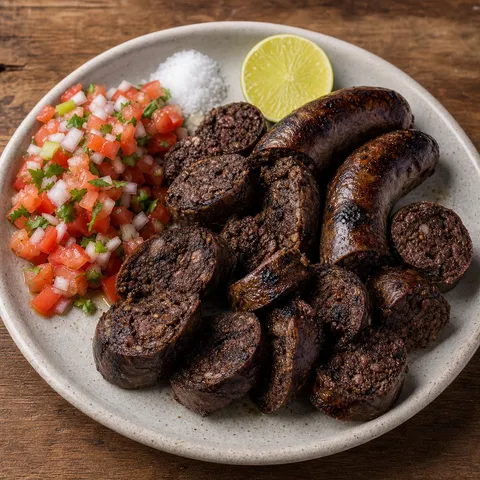
 Mutura
Kenyan spiced blood sausage stuffed with meat, onion, and herbs, then grilled until the casing crisps and snaps — a bold, smoky roadside delicacy.
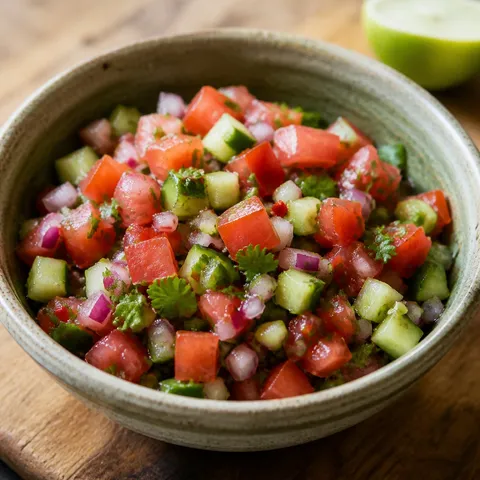 East African Lens Verified Images are for illustrative purposes only, may be inaccurate, and do not guarantee the presence or absence of specific ingredients.
 Kachumbari
Bright, refreshing salad of ripe tomatoes and sharp raw onion, spiked with chili and lime — the cool, crisp counterpoint to rich East African grills.