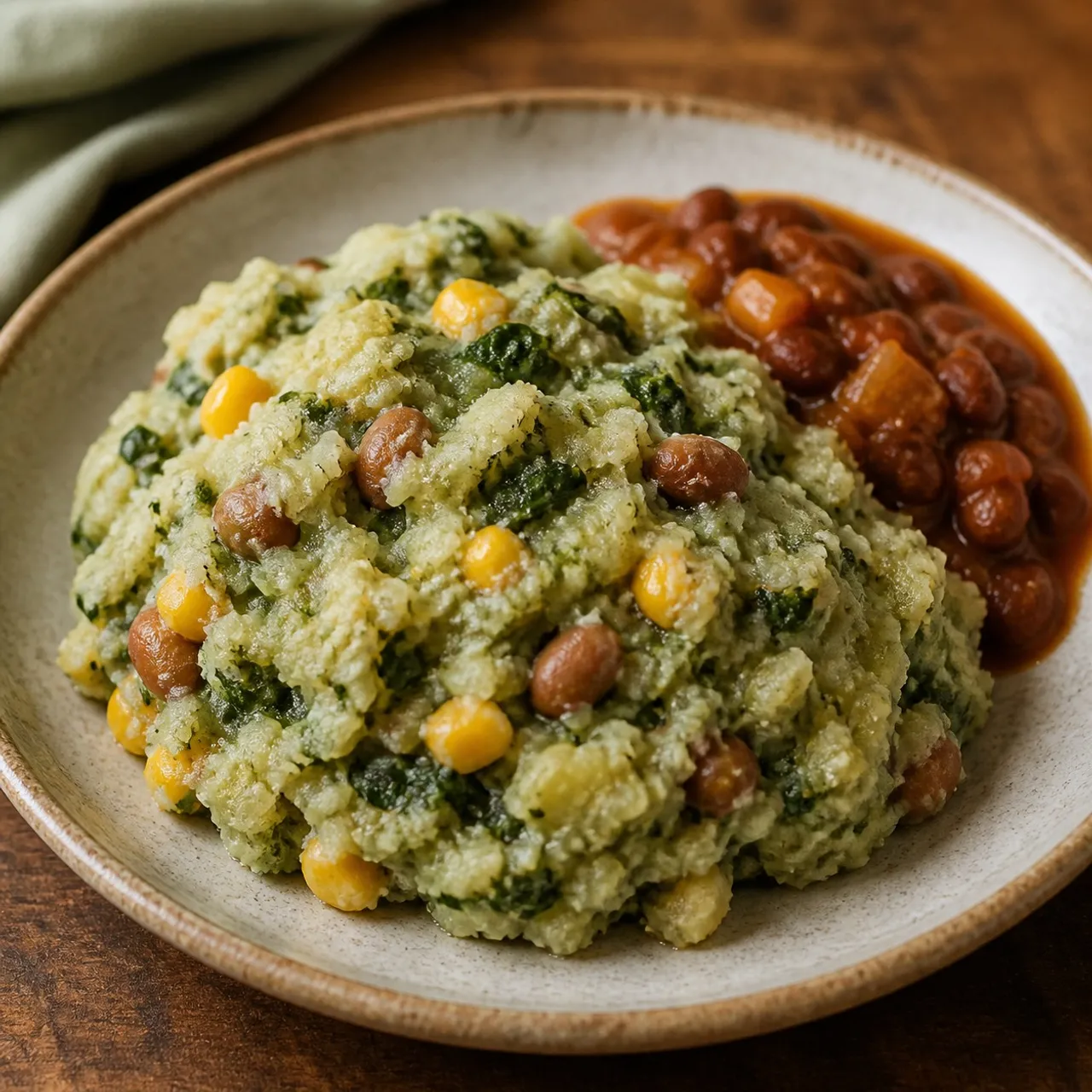
 East African Images are for illustrative purposes only, may be inaccurate, and do not guarantee the presence or absence of specific ingredients.
 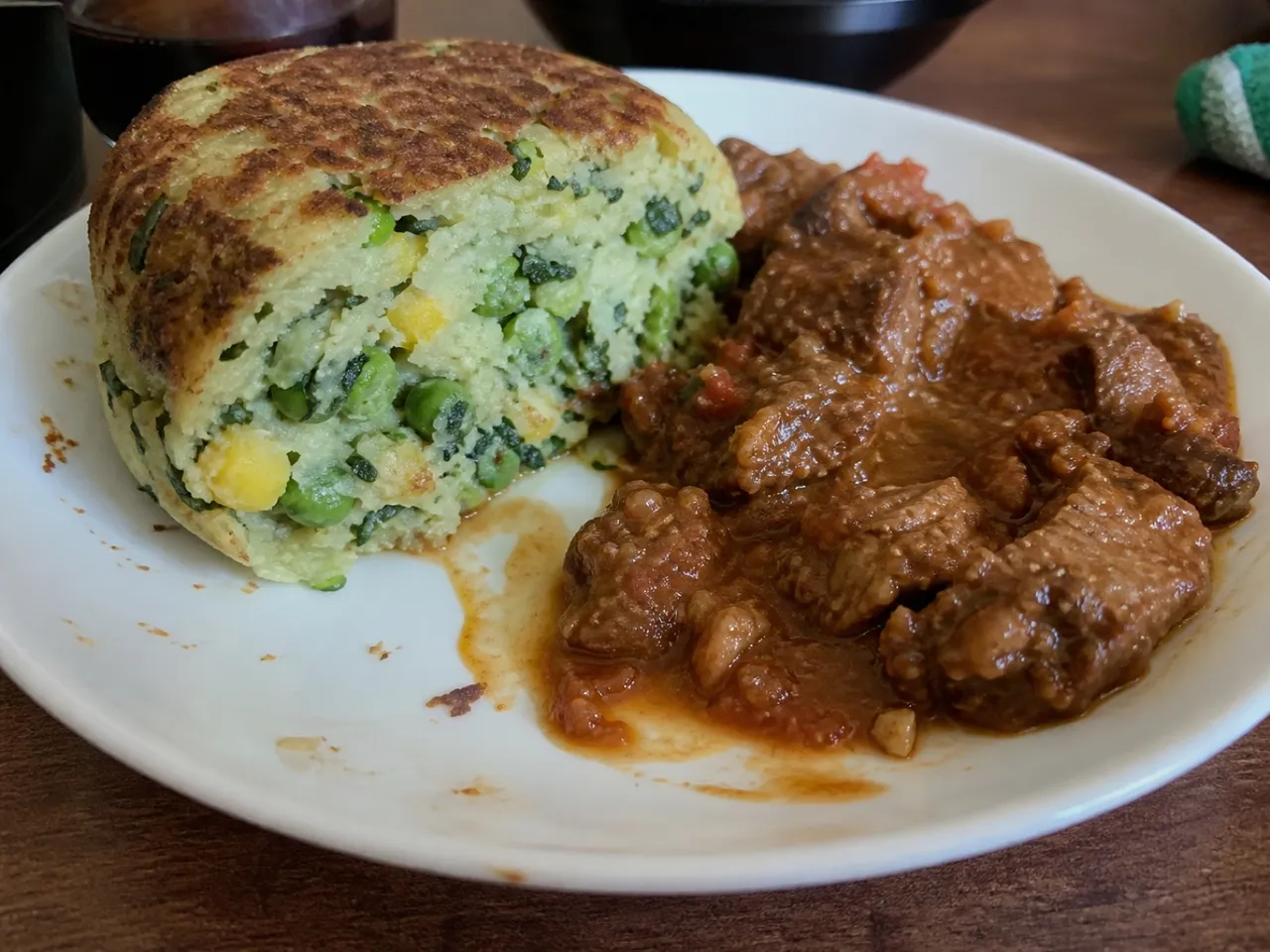 Serving Images are for illustrative purposes only, may be inaccurate, and do not guarantee the presence or absence of specific ingredients.
 Mukimo
Kikuyu comfort food at its best — creamy mashed potatoes combined with corn, peas, and pumpkin leaves into a dense, earthy, vibrant green mash.
Contains common allergens
In the app, Listahan checks these against your household automatically.
Instructions
7 steps- 1
Place the potatoes, corn, and peas in a large pot, cover with salted water, and bring to a boil.
- 2
Cook for 20 to 25 minutes until the potatoes are very tender when pierced with a fork.
- 3
Add the pumpkin leaves or spinach for the final 5 minutes of cooking to wilt them down.
- 4
Drain well, reserving a little cooking liquid, and return the vegetables to the hot pot.
- 5
Mash and pound everything together vigorously with a potato masher or wooden pestle until you get a dense, uniform, vibrant green mash, adding splashes of reserved liquid as needed.
- 6
In a small pan, melt the butter and saute the onion for 5 minutes until soft and translucent, then fold it into the mash.
- 7
Season generously with salt, mound onto a serving plate, and serve warm alongside stewed meat or beans.
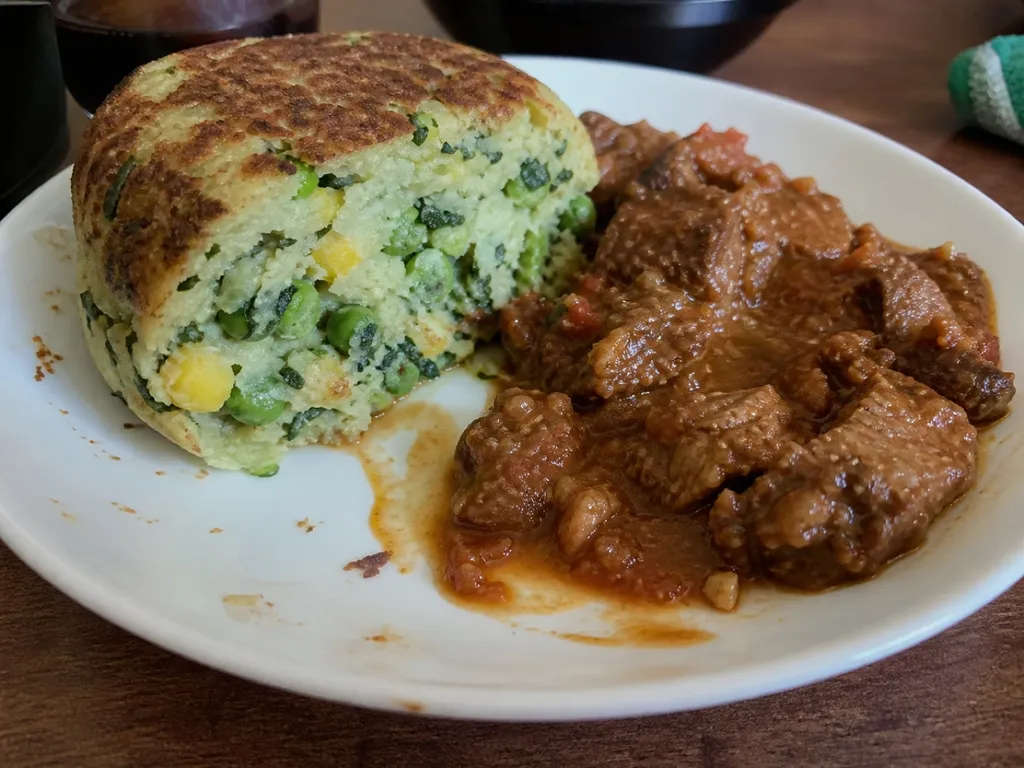 Images are for illustrative purposes only, may be inaccurate, and do not guarantee the presence or absence of specific ingredients.
 Listahan Family Score™
71/100
Good fit for most families
Score reflects how well this recipe fits a typical busy household. In the app, your Family Score is personalized to your household's allergens, kids, and pantry.
Nutrition
per serving195
Calories
6 g
Protein
43 g
Carbs
1 g
Fat
Estimated per serving. Actual values depend on the brands and portions you use.
Listahan cooking guide
Chef notes & practical guide
Technique notes, ingredient swaps, serve-alongside ideas, storage guidance, and equipment for this recipe.
Cultural context
Mukimo is a Kikuyu mash from the central Kenyan highlands, closely related to irio but with a higher ratio of greens and a firmer, drier texture that is traditionally shaped into a loaf or pressed into a round. It is closely associated with Kikuyu celebrations, particularly rites of passage and large family gatherings, where it would be served alongside whole roasted goat or braised beef. The dish reflects the Kikuyu agricultural calendar, prepared when maize, peas, and pumpkin are all in season simultaneously.
Listahan note
This version leans on a higher proportion of greens relative to potato, producing a mash that is noticeably green-tinted and more robustly flavored than plain potato mash, with butter added at the end for richness.
Technique cues
- Unlike irio, mukimo is traditionally pressed firmly into a pot or mold and then inverted, so the mash needs to be drier and stiffer; drain the cooked vegetables very thoroughly before mashing and avoid adding any liquid.
- The order of mashing matters: start with the potato, then fold in the corn, then the peas, and finally wring out the greens and fold them in last so each component retains some of its individual texture.
- Pumpkin leaves (matuli) have a slightly glutinous quality when cooked that helps bind the mash; if using spinach, squeeze out nearly all the moisture before adding or the mash will be waterlogged.
Kitchen flow
- Parallel prep
- Blanch and squeeze the greens while the potatoes, corn, and peas are boiling to have everything ready at the same time.
- Make-ahead
- Mukimo keeps refrigerated for up to 3 days and reheats well; make a full batch and reheat portions as needed throughout the week.
- Leftover move
- Press cold mukimo into a pan with a little oil and fry until a golden crust forms on both sides for a crispy-edged breakfast cake.
- Cleanup rhythm
- One large pot handles the boiling and mashing; the only additional item is a clean kitchen towel for squeezing the greens.
Ingredient brief
Role, handling, and swap guidance for each key ingredient.
5 medium potatoes (peeled and cubed)
primary starch and structural base
Purpose: A higher potato quantity compared to irio gives mukimo its firmer, more moldable consistency that holds a pressed shape.
Handling: Cube evenly at about 1 inch and cook until completely tender, then drain and let steam dry in the pot for two minutes before mashing.
Adaptation: Starchy Russet potatoes produce a drier, firmer mash than waxy varieties and are the best choice for a mukimo that will hold its shape.
3 cups pumpkin leaves or spinach (chopped)
flavor, color, and binding
Purpose: The greens provide the distinctive green color, earthy flavor, and a slight binding quality that holds the mash together when pressed.
Handling: Blanch briefly in boiling water, then squeeze in a clean kitchen towel until almost completely dry before folding into the mash.
Adaptation: Frozen chopped spinach (thawed and very well squeezed) works well when fresh pumpkin leaves are unavailable.
2 cups corn kernels (fresh or frozen)
texture and sweetness
Purpose: Corn adds chewiness and a natural sweetness that punctuates the earthy potato-and-green base.
Handling: Add to the boiling pot with the potatoes for the last 5 minutes of cooking; fresh or frozen both work without any adjustment.
Adaptation: Roasted corn cut from the cob adds a smoky depth as a variation for outdoor cooking.
1 cup shelled green peas
sweetness and visual contrast
Purpose: Peas add bright green pops of color and a sweet counterpoint to the earthy greens and starchy base.
Handling: Add in the final 2 minutes of boiling rather than at the start to preserve their bright green color.
Adaptation: Frozen edamame (shelled) provides a similar color with added protein and a slightly nuttier flavor.
2 tbsp butter (optional)
richness and finish
Purpose: Butter folded in at the end smooths the texture and adds a savory richness that keeps the mash from tasting too austere.
Handling: Add off the heat so the butter melts into the mash without separating or turning greasy.
Adaptation: Avocado oil (1 tablespoon) is a lighter dairy-free alternative that adds a subtle grassiness.
Technique notes
- Let the drained vegetables sit in the empty pot over low heat for 1 to 2 minutes, shaking occasionally, to evaporate surface moisture before mashing; this step is what makes mukimo firm enough to hold a shape.
- A potato ricer produces a finer, more uniform mash, but a traditional chunky result from a hand masher is more authentic and visually appealing.
- Season assertively with salt before pressing; once mukimo is shaped and served, it is difficult to season the interior evenly at the table.
Ingredient swaps
- Dairy-free option
- Omit the butter entirely; the mash is cohesive enough without it, or use a neutral-flavored plant oil like refined coconut oil.
- Vegan direction
- All base ingredients are plant-based; skip the butter or use a vegan butter for a fully plant-based version.
- Lower-carb direction
- Substitute one-third of the potato with cooked cauliflower to reduce starch density while maintaining the mash's bulk.
Serve alongside
- braised goat stew with tomatoes and onion
- nyama choma (char-grilled beef or goat ribs) with kachumbari
- simple cucumber and tomato salad with lime juice
- fried tilapia with chili sauce
- fresh passion fruit juice
- cold Tusker lager (Kenyan)
Serving suggestions only — check pairings for your household's allergens.
Storage & reheating
- Refrigerate in an airtight container for up to 3 days; the mash firms further when cold and is ideal for pan-frying.
- Reheat in a covered pan over low heat with a tablespoon of water added to create steam, stirring gently until warmed through.
- Freezing is possible but not ideal; the texture softens after thawing and becomes harder to press into shape.
Equipment
- large pot (5-quart or bigger)
- colander for draining
- potato masher or ricer
- clean kitchen towel for squeezing greens
Make this household-aware
Listahan Pro checks this recipe against your household's allergens, finds pantry-aware swaps, builds the shopping list, and helps you plan the week around it.
Plan it in Listahan
Add Mukimo to your week, check it against your household's allergens, and build the shopping list automatically.
More East African recipes
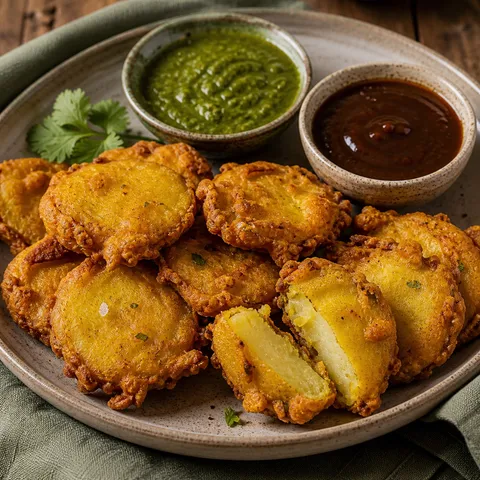 East African Lens Verified Images are for illustrative purposes only, may be inaccurate, and do not guarantee the presence or absence of specific ingredients.
 Viazi Karai
A Zanzibari street favorite of soft boiled potatoes coated in a turmeric-yellow batter and deep-fried until crackling, served with fiery tamarind sauce.
 East African Lens Verified Images are for illustrative purposes only, may be inaccurate, and do not guarantee the presence or absence of specific ingredients.
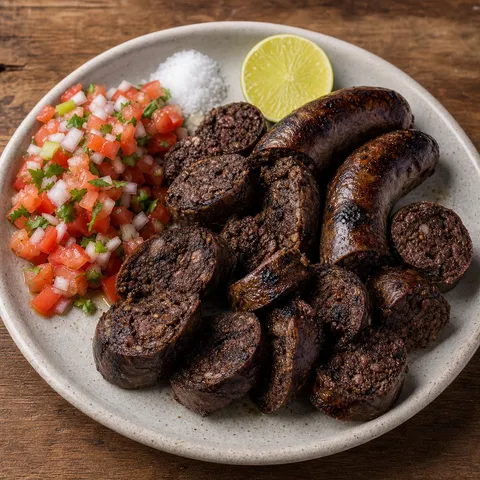
 Mutura
Kenyan spiced blood sausage stuffed with meat, onion, and herbs, then grilled until the casing crisps and snaps — a bold, smoky roadside delicacy.
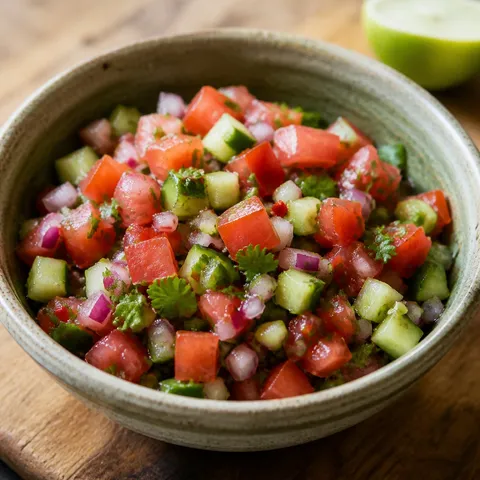 East African Lens Verified Images are for illustrative purposes only, may be inaccurate, and do not guarantee the presence or absence of specific ingredients.
 Kachumbari
Bright, refreshing salad of ripe tomatoes and sharp raw onion, spiked with chili and lime — the cool, crisp counterpoint to rich East African grills.