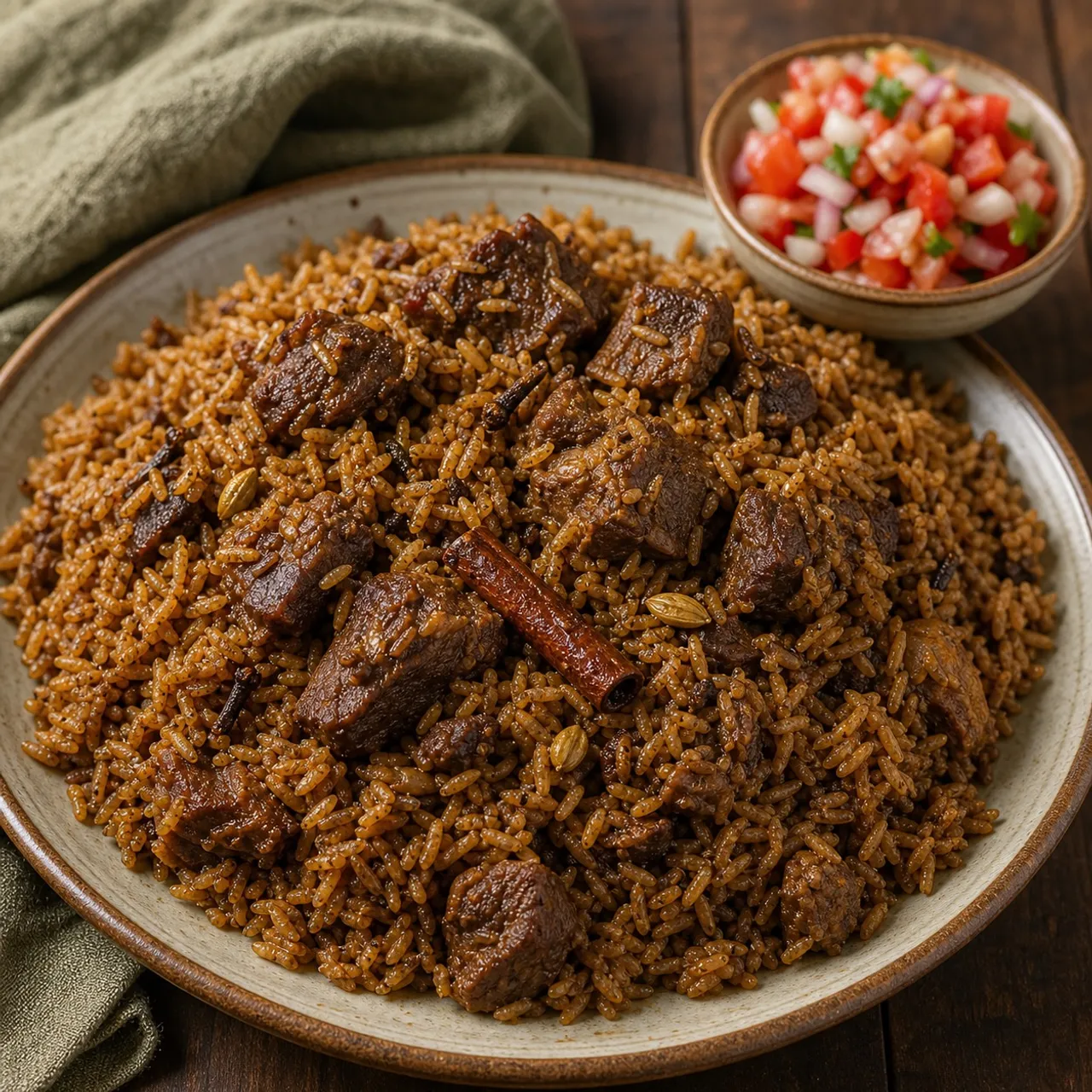
 East African Images are for illustrative purposes only, may be inaccurate, and do not guarantee the presence or absence of specific ingredients.
 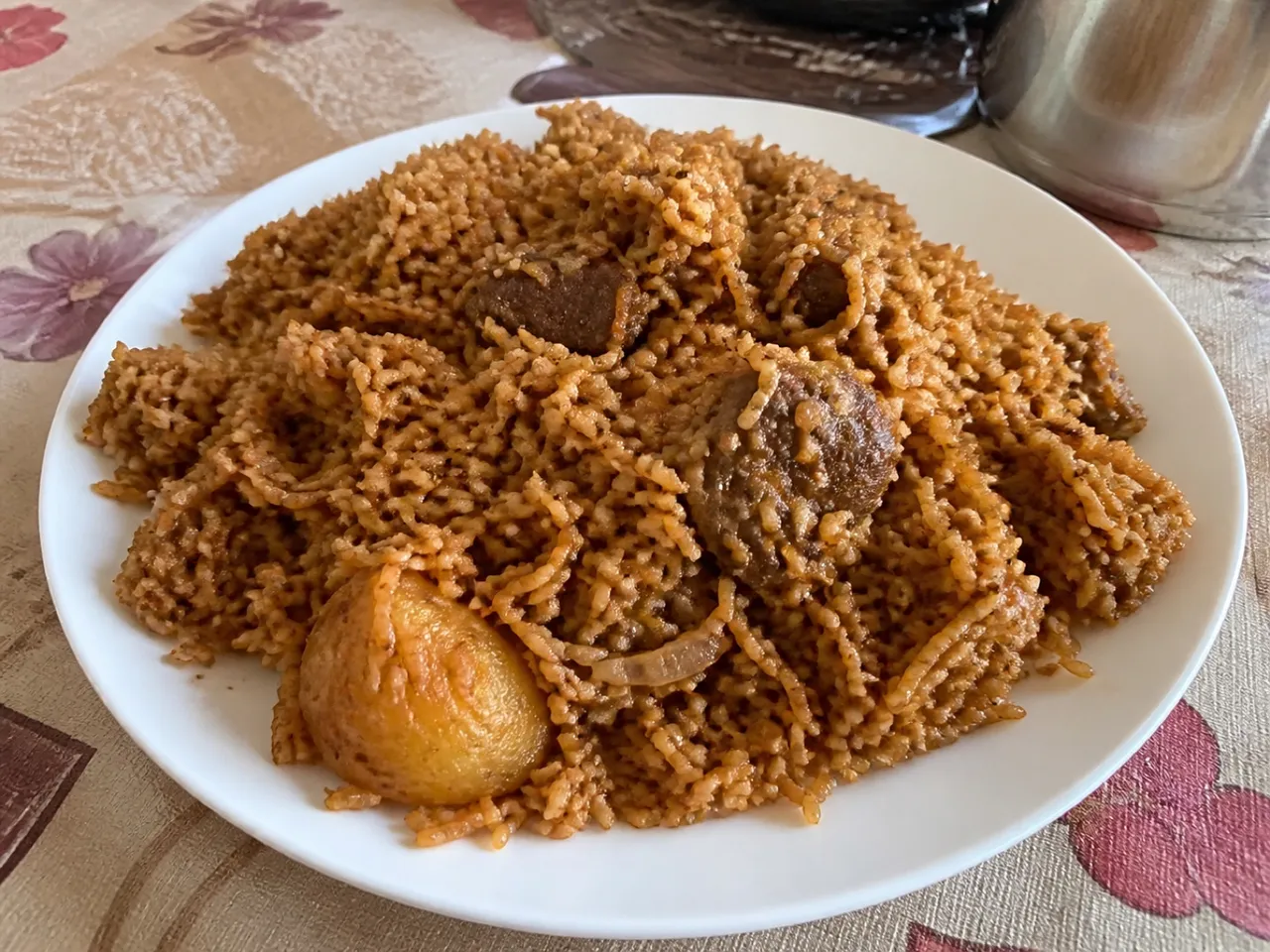 Serving Images are for illustrative purposes only, may be inaccurate, and do not guarantee the presence or absence of specific ingredients.
 Pilau
Kenyan spiced rice blooming with cardamom, cumin, cinnamon, and cloves, slow-cooked with tender meat until every grain is deeply fragrant and golden.
No common allergens detected
Based on this recipe's ingredient list. Always verify with your own brands and labels.
Good to know
- One-pot
Matched from this dish's own ingredients and timing. Browse more: one-pot dinners
Instructions
6 steps- 1
In a large, heavy-bottomed pot, heat the oil over medium-high heat. Add the sliced onions and fry until deeply caramelized and dark brown.
- 2
Stir in the minced garlic, ginger, and pilau masala, toasting the spices for 1 minute until highly fragrant.
- 3
Add the beef cubes and cook for 5-7 minutes until browned on all sides.
- 4
Pour in the beef broth and bring to a boil. Reduce the heat, cover, and simmer for 30 minutes until the beef is tender.
- 5
Stir in the rinsed basmati rice, ensuring it is submerged in the broth.
- 6
Cover the pot tightly, reduce heat to the lowest setting, and cook for 20 minutes until the liquid is absorbed and rice is fluffy. Let rest for 5 minutes before fluffing with a fork.
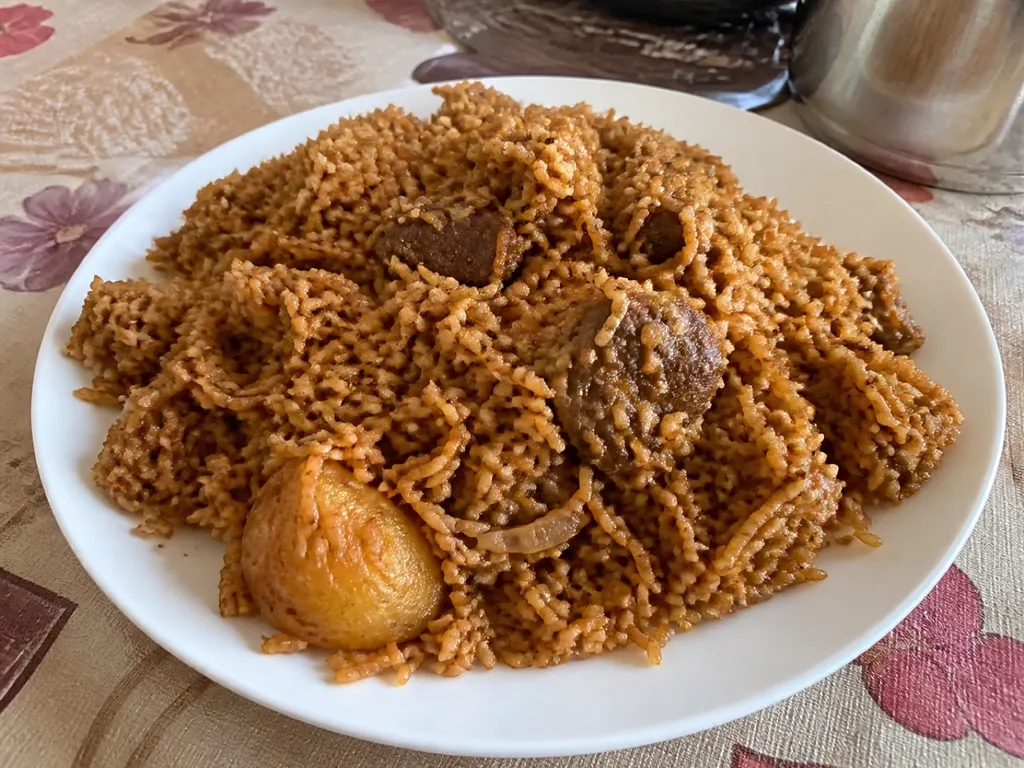 Images are for illustrative purposes only, may be inaccurate, and do not guarantee the presence or absence of specific ingredients.
 Listahan Family Score™
72/100
Good fit for most families
Score reflects how well this recipe fits a typical busy household. In the app, your Family Score is personalized to your household's allergens, kids, and pantry.
Nutrition
per serving1020
Calories
54 g
Protein
108 g
Carbs
39 g
Fat
Estimated per serving. Actual values depend on the brands and portions you use.
Listahan cooking guide
Chef notes & practical guide
Technique notes, ingredient swaps, serve-alongside ideas, storage guidance, and equipment for this recipe.
Cultural context
Kenyan pilau arrived via the Indian Ocean trade networks that connected East Africa with South Asia, the Persian Gulf, and the Arabian Peninsula for over a thousand years. It is closely related to South Asian pulao and biryani but has evolved into a distinctly Kenyan dish through the pilau masala spice blend — a combination of cumin, cardamom, cinnamon, and cloves that is warmer and less complex than Indian garam masala. Pilau is eaten at weddings, celebrations, and Ramadan iftars across coastal and inland Kenya.
Listahan note
This version browns the meat and deeply caramelizes the onion before adding any liquid, which builds the dark, fragrant base that gives Kenyan pilau its characteristic color and depth.
Technique cues
- The onion must be cooked to a deep amber-brown — almost verging on burnt — before adding the spices and meat; this caramelization is the defining flavor of Kenyan pilau and cannot be achieved by cooking the onion for only a few minutes.
- Toast the pilau masala in the dry oil for 30-60 seconds before adding any liquid; blooming the spices in fat releases fat-soluble aromatics that make the final rice much more fragrant than adding spices to liquid.
- Use the absorption method: add the rinsed rice to the pot after the meat and broth are combined, bring to a boil, then cover and reduce heat to the lowest setting; do not stir the rice once it has been added or it will become gluey.
Kitchen flow
- Parallel prep
- Soak the rice while you caramelize the onions; the 20-minute soak aligns perfectly with the time needed to properly caramelize onions.
- Make-ahead
- Pilau keeps and reheats beautifully; it can be made entirely 1-2 days ahead and refrigerated — the flavors deepen overnight.
- Leftover move
- Reheat leftover pilau in a covered pan with 2-3 tablespoons of water over low heat; the steam reconstitutes the rice without making it mushy.
- Cleanup rhythm
- Deglaze the pot with a small amount of broth right after removing the pilau; spiced rice residue that dries in the pot takes significant scrubbing.
Ingredient brief
Role, handling, and swap guidance for each key ingredient.
2 cups basmati rice (rinsed)
primary starch
Purpose: Basmati rice has a low starch surface coating when rinsed and a long grain that stays separate and fluffy during the absorption cook.
Handling: Rinse under cold water until the water runs nearly clear (usually 3-4 rinses), then soak for 20 minutes before cooking to ensure even hydration.
Adaptation: Long-grain white rice is a functional substitute but produces a stickier, less aromatic result.
1 lb beef stew meat (cubed)
protein and flavor base
Purpose: Beef stew cuts have enough connective tissue to stay moist during the double cook (browning + braising into the rice) without turning dry.
Handling: Pat dry and brown in batches in the hot oil before adding aromatics; crowding the pan steams rather than sears the beef.
Adaptation: Bone-in chicken thighs cut into pieces are common in Mombasa-style pilau and reduce the cook time significantly; lamb works equally well.
2 tbsp pilau masala (cumin; cardamom; cinnamon; cloves)
signature spice blend
Purpose: Pilau masala is the defining flavor of Kenyan pilau; its warm, sweet-spice profile is distinct from Indian biryani masala or Ethiopian berbere.
Handling: Add to the pan after the onion has caramelized and let it sizzle in the oil for 30-60 seconds before adding liquid.
Adaptation: Combine 1 tsp cumin, 1/2 tsp cardamom, 1/4 tsp cinnamon, and 1/4 tsp cloves if pre-mixed pilau masala is unavailable.
1 large onion (sliced)
flavor base and color
Purpose: The onion caramelizes to a dark brown that gives Kenyan pilau its characteristic deep mahogany color and sweet, savory depth.
Handling: Slice into half-moons rather than dicing; sliced onion caramelizes more evenly and faster than chunks.
Adaptation: Red onion caramelizes slightly faster and adds a hint of sweetness; shallots are excellent but more expensive.
4 cups beef broth
cooking liquid and flavor
Purpose: Beef broth gives the rice its savory, meaty depth and provides the liquid for the absorption cook.
Handling: Have the broth warm or at room temperature when adding to the pot; cold broth slows the return to a boil and can cause uneven cooking.
Adaptation: Chicken broth works well for a lighter flavor; water with a bouillon cube is a practical substitute.
Technique notes
- Do not rush the onion caramelization — 20-25 minutes of patient stirring over medium heat is the minimum to reach the deep brown that defines Kenyan pilau; add a pinch of sugar to speed it up if needed.
- Once the rice is added and the pot is covered, resist lifting the lid for at least 15 minutes; steam escaping mid-cook creates dry spots in the rice.
- Fluff the finished pilau with a fork, not a spoon; a fork separates grains without breaking them, while a spoon crushes them into a dense, clumped texture.
Ingredient swaps
- Gluten-free direction
- This dish is naturally gluten-free as written; verify that your beef broth brand is gluten-free if serving to someone with celiac disease.
- Vegetarian direction
- Omit the beef and use 2 cups of drained chickpeas with vegetable broth; add the chickpeas with the spices rather than browning separately.
- Leaner protein
- Boneless, skinless chicken thighs work well and reduce the total cook time by about 15 minutes.
Serve alongside
- kachumbari (fresh tomato and onion salad)
- raita of plain yogurt with cucumber and cumin
- sukuma wiki (stewed collard greens)
- mango lassi
- cold tamarind juice
Serving suggestions only — check pairings for your household's allergens.
Storage & reheating
- Refrigerate in an airtight container for up to 4 days; pilau often tastes better the next day.
- Reheat in a covered pan with 2-3 tablespoons of water over low heat, or microwave with a damp paper towel on top for 2-3 minutes.
- Freeze in portions for up to 2 months; thaw overnight in the refrigerator before reheating.
Equipment
- heavy-bottomed 4-quart pot or Dutch oven with a tight-fitting lid
- wooden spoon
- fork for fluffing
- fine-mesh strainer for rinsing rice
Make this household-aware
Listahan Pro checks this recipe against your household's allergens, finds pantry-aware swaps, builds the shopping list, and helps you plan the week around it.
Plan it in Listahan
Add Pilau to your week, check it against your household's allergens, and build the shopping list automatically.
More East African recipes
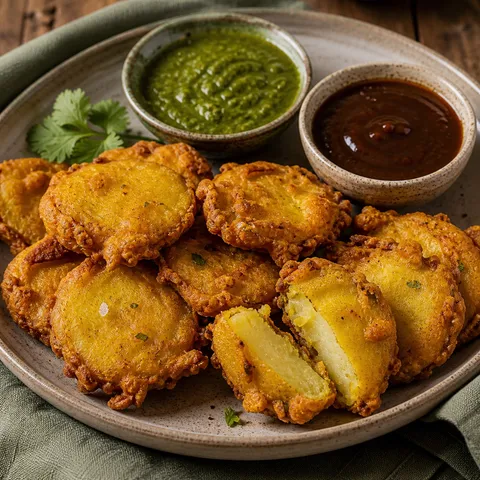 East African Lens Verified Images are for illustrative purposes only, may be inaccurate, and do not guarantee the presence or absence of specific ingredients.
 Viazi Karai
A Zanzibari street favorite of soft boiled potatoes coated in a turmeric-yellow batter and deep-fried until crackling, served with fiery tamarind sauce.
 East African Lens Verified Images are for illustrative purposes only, may be inaccurate, and do not guarantee the presence or absence of specific ingredients.
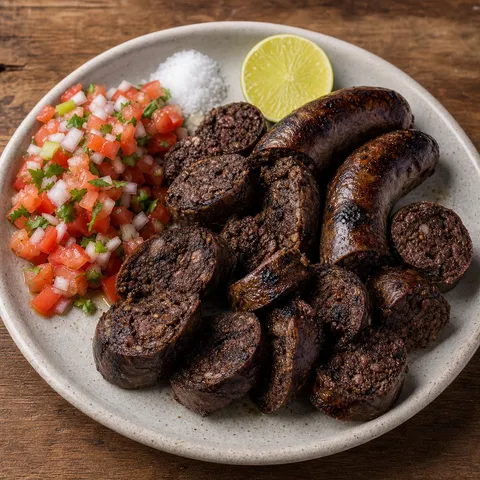
 Mutura
Kenyan spiced blood sausage stuffed with meat, onion, and herbs, then grilled until the casing crisps and snaps — a bold, smoky roadside delicacy.
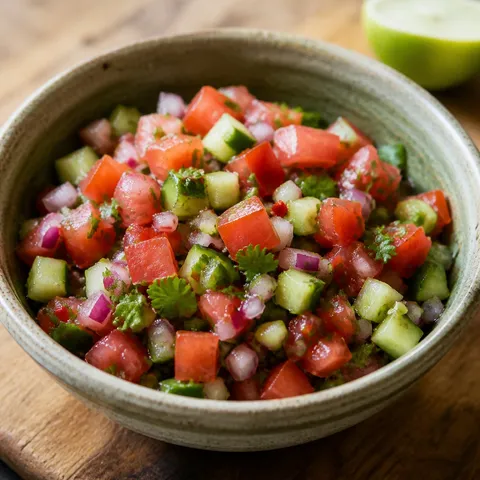 East African Lens Verified Images are for illustrative purposes only, may be inaccurate, and do not guarantee the presence or absence of specific ingredients.
 Kachumbari
Bright, refreshing salad of ripe tomatoes and sharp raw onion, spiked with chili and lime — the cool, crisp counterpoint to rich East African grills.