 East African Images are for illustrative purposes only, may be inaccurate, and do not guarantee the presence or absence of specific ingredients.
  Serving Images are for illustrative purposes only, may be inaccurate, and do not guarantee the presence or absence of specific ingredients.
 Urojo
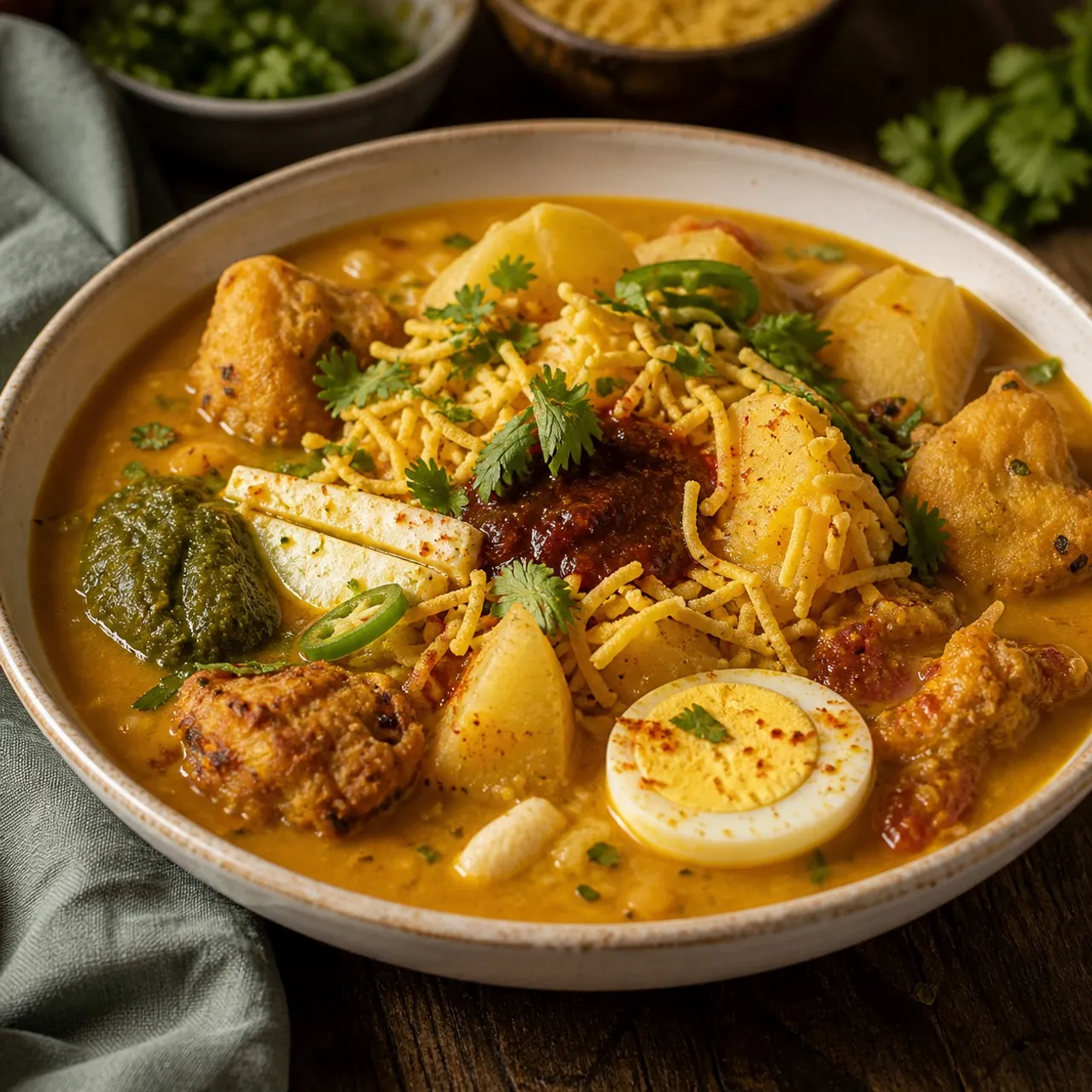
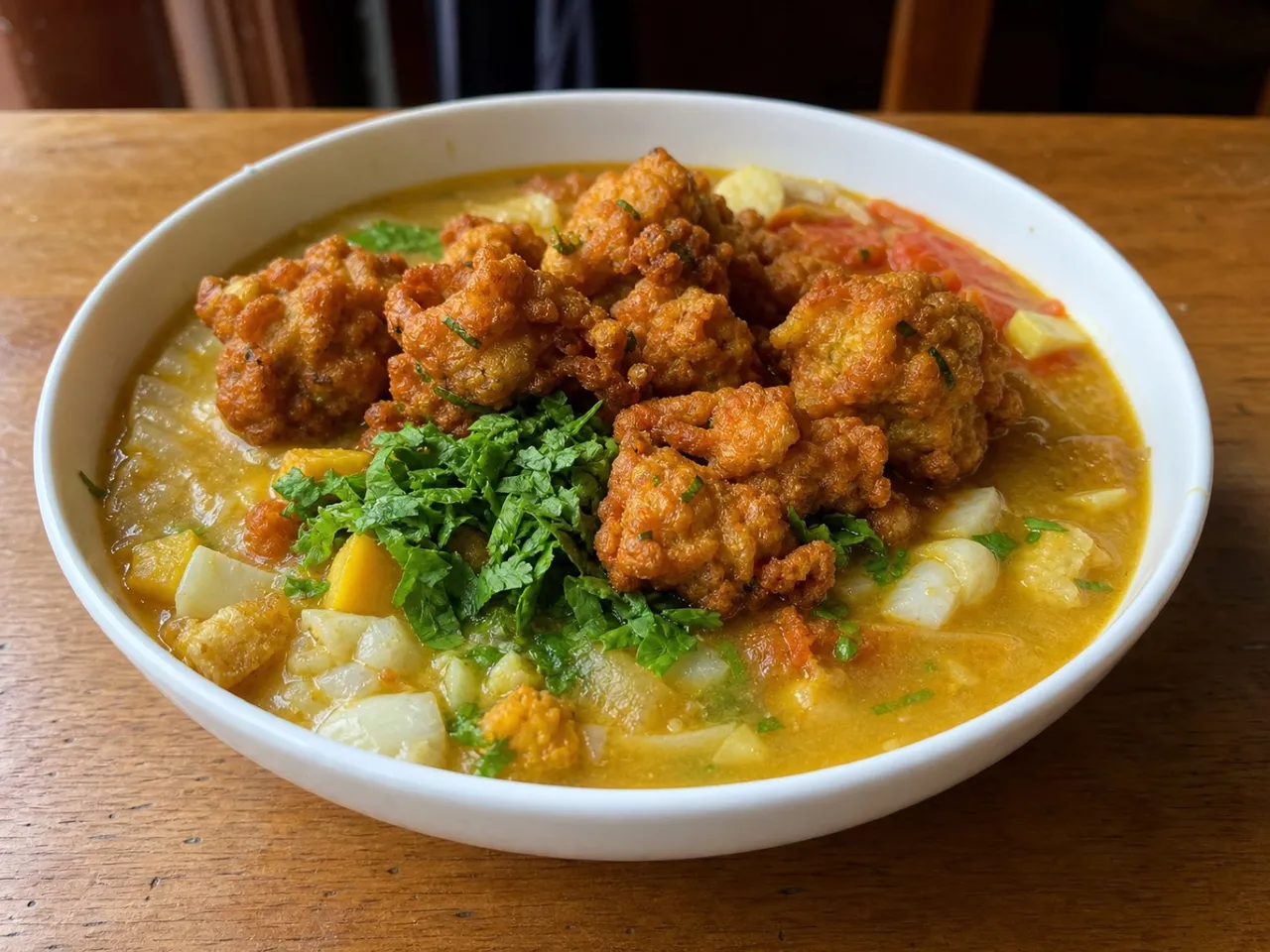
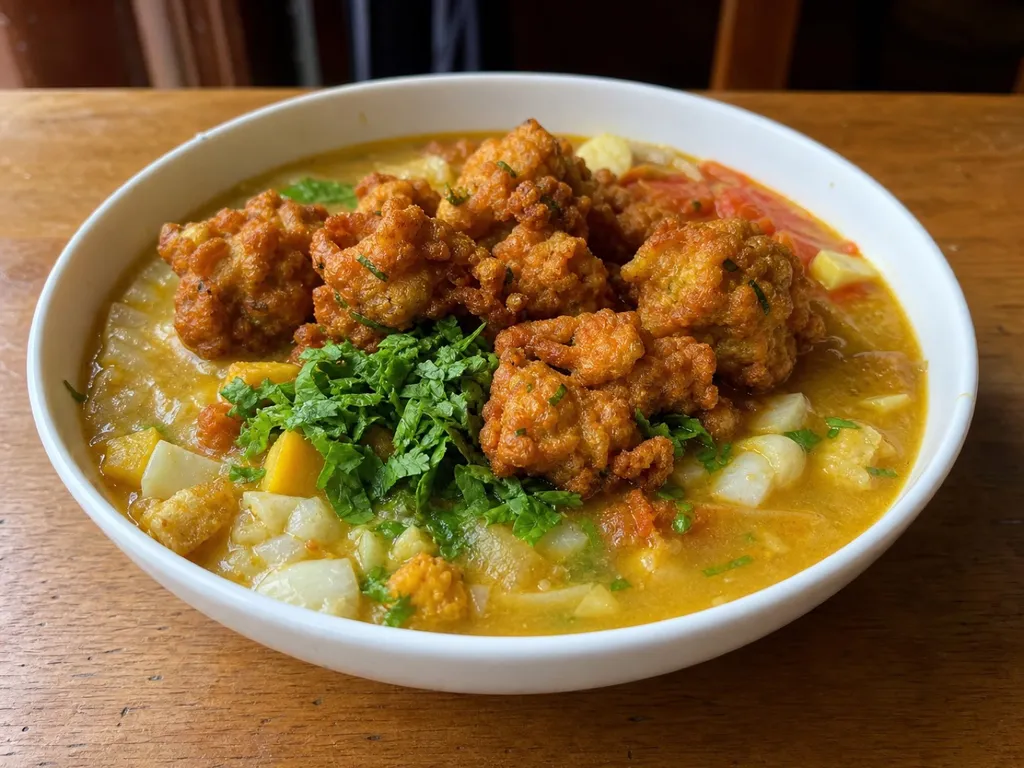
Zanzibar's extraordinary mix soup — a tangy mango-curry broth loaded with bhajias, potato, boiled egg, and coconut chutney. Tangy, spicy, and wildly complex.
Contains common allergens
In the app, Listahan checks these against your household automatically.
Instructions
8 steps- 1
Heat a little oil in a large pot and saute the onion for 5 to 7 minutes until soft, then add the garlic and ginger and cook for 1 minute.
- 2
Stir in the turmeric and curry powder and cook for 30 seconds until fragrant.
- 3
Add the mango puree and tamarind paste, stirring to combine, then pour in the stock.
- 4
Bring to a simmer and cook uncovered for 20 to 25 minutes, stirring occasionally, until the broth is tangy, sweet, and slightly thickened.
- 5
Season with salt and a squeeze of lime to taste, adjusting the balance of sweet mango and sour tamarind.
- 6
To serve, place a portion of boiled potato, a halved hard-boiled egg, and a piece or two of bhajia into each bowl.
- 7
Ladle the hot mango-curry broth over the top so it partially softens the bhajia.
- 8
Finish each bowl with a spoonful of coconut chutney and serve immediately while the broth is hot and the bhajia still has some crunch.
 Images are for illustrative purposes only, may be inaccurate, and do not guarantee the presence or absence of specific ingredients.
 Listahan Family Score™
66/100
Works for many families
Score reflects how well this recipe fits a typical busy household. In the app, your Family Score is personalized to your household's allergens, kids, and pantry.
Nutrition
per serving105
Calories
2 g
Protein
25 g
Carbs
0 g
Fat
Estimated per serving. Actual values depend on the brands and portions you use.
Listahan cooking guide
Chef notes & practical guide
Technique notes, ingredient swaps, serve-alongside ideas, storage guidance, and equipment for this recipe.
Cultural context
Urojo, known as Zanzibar mix or mchuzi mix, is a soup-like street snack from Zanzibar made from a turmeric-spiked broth thickened with mango and tamarind, poured over an assortment of fritters, boiled potatoes, and crunchy add-ins assembled to order. The dish reflects Zanzibar's Indian Ocean trade heritage: the tamarind-mango souring combination is characteristic of Indian Gujarati influence, while the fritters and serving style are distinctly East African. It is the island's equivalent of Indian chaat — layered, acidic, and built at the last moment.
Listahan note
This version builds the broth base first so its tamarind-mango depth is established before the toppings are assembled, which is what separates a coherent bowl from a muddy one.
Technique cues
- The broth should be gently thickened with flour or potato starch during simmering so it coats the fritters without becoming pasty; a pourable consistency just thicker than water is correct, not the consistency of gravy.
- Tamarind concentrate and green mango together provide both sourness and a fruity depth that neither ingredient achieves alone; taste the broth after adding each and adjust the balance before assembling the bowl.
- Fritters (bhajia-style potato or lentil fritters) should be added to each bowl just before serving and never left soaking in the broth; they must be freshly fried so they retain enough crispness to contrast with the liquid.
Kitchen flow
- Parallel prep
- Make the broth up to a day ahead; fry fritters and boil potatoes in the 20 minutes before serving so assembly is quick.
- Make-ahead
- The tamarind-mango broth keeps refrigerated for up to 3 days and actually deepens in flavor; reheat gently and adjust seasoning before serving.
- Leftover move
- Leftover broth can be used as a marinade for chicken or shrimp the next day; its acid and spice work well as a tenderizing base.
- Cleanup rhythm
- Keep the fryer oil in a small, high-sided saucepan so the oil stays contained; strain and store it after cooling for reuse.
Ingredient brief
Role, handling, and swap guidance for each key ingredient.
mango
fruity souring agent
Purpose: Green unripe mango provides both tartness and a distinctive fruity note that gives the broth its characteristic Zanzibar flavor.
Handling: Peel and grate or finely dice green mango; add to the simmering broth early so it softens and releases its juice into the liquid.
Adaptation: Amchur (dried mango powder) dissolved in water can replace fresh green mango when out of season.
tamarind
acid backbone
Purpose: Tamarind provides a deeper, darker sourness than lemon or vinegar, giving the broth its complex, tangy backbone.
Handling: Use tamarind concentrate or dissolve a block of tamarind paste in warm water and strain out seeds and fibers before adding.
Adaptation: Lime juice with a small amount of Worcestershire sauce approximates tamarind's sour-savory depth in a pinch.
potatoes
starchy filling component
Purpose: Boiled potato cubes provide the bulk and starchy satisfaction that absorbs the broth in each bite.
Handling: Boil until just tender in salted water, then cool before adding to the bowl so they do not break apart under the hot broth.
Adaptation: Boiled cassava or green plantain cubes work as traditional alternatives.
fritters
crunchy textural contrast
Purpose: Crispy fried fritters are the signature element that makes urojo a composed snack rather than a simple soup.
Handling: Fry bhajia or any thin potato fritter just before assembling; they lose their crispness within minutes of hitting the broth.
Adaptation: Store-bought papadums broken into pieces or fried wontons can stand in for homemade fritters.
Technique notes
- Turmeric is the spice that gives the broth its yellow color and earthy undertone; add it with fat at the start of cooking to bloom it before the liquid goes in.
- Assembly order matters: place potatoes in the bowl first, pour hot broth over them, then lay fritters on top so they sit above the liquid rather than sinking into it.
- A final flourish of finely sliced fresh chili and a squeeze of lime over each assembled bowl is not optional in the Forodhani market version and makes a significant difference to the final flavor.
Ingredient swaps
- Gluten-free direction
- Use chickpea flour (besan) for the fritter batter and thicken the broth with potato starch instead of flour.
- Vegan direction
- The dish is naturally vegan when made with vegetable-based fritters; ensure no fish sauce or meat stock is used in the broth.
Serve alongside
- coconut flatbread (mkate wa ufuta) for dipping
- fresh coconut water as a palate cleanser between bites
- sliced boiled egg as an optional protein addition
- cold spiced tamarind water
- fresh-pressed passion fruit and lime juice
Serving suggestions only — check pairings for your household's allergens.
Storage & reheating
- Store broth separately from solids; refrigerate broth for up to 3 days in an airtight jar.
- Boiled potatoes can be refrigerated for 2 days; reheat in the hot broth when serving.
- Fritters must be freshly fried and cannot be stored; make the batter ahead and fry to order.
Equipment
- medium saucepan for the broth
- small high-sided saucepan for frying fritters
- fine mesh strainer for the tamarind paste
- ladle for assembling bowls
Make this household-aware
Listahan Pro checks this recipe against your household's allergens, finds pantry-aware swaps, builds the shopping list, and helps you plan the week around it.
Plan it in Listahan
Add Urojo to your week, check it against your household's allergens, and build the shopping list automatically.
More East African recipes
 East African Lens Verified Images are for illustrative purposes only, may be inaccurate, and do not guarantee the presence or absence of specific ingredients.
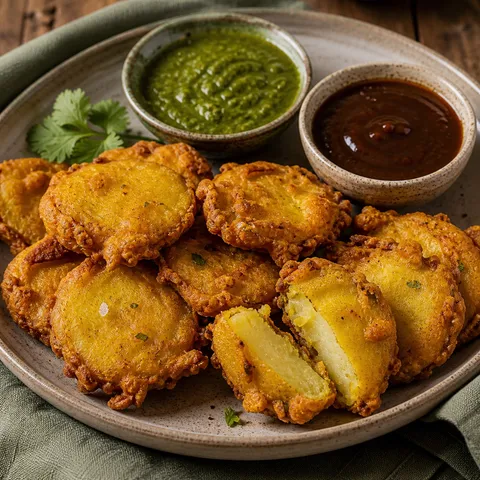
 Viazi Karai
A Zanzibari street favorite of soft boiled potatoes coated in a turmeric-yellow batter and deep-fried until crackling, served with fiery tamarind sauce.
 East African Lens Verified Images are for illustrative purposes only, may be inaccurate, and do not guarantee the presence or absence of specific ingredients.
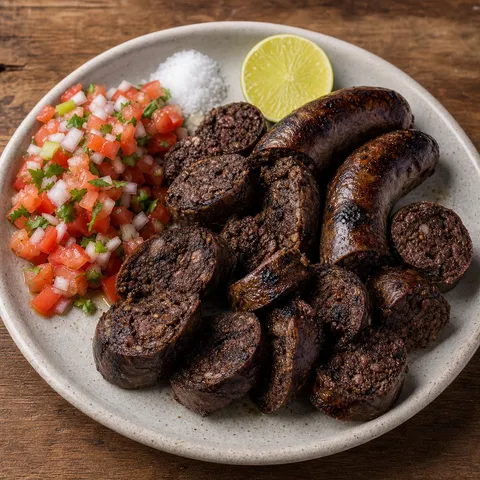
 Mutura
Kenyan spiced blood sausage stuffed with meat, onion, and herbs, then grilled until the casing crisps and snaps — a bold, smoky roadside delicacy.
 East African Lens Verified Images are for illustrative purposes only, may be inaccurate, and do not guarantee the presence or absence of specific ingredients.
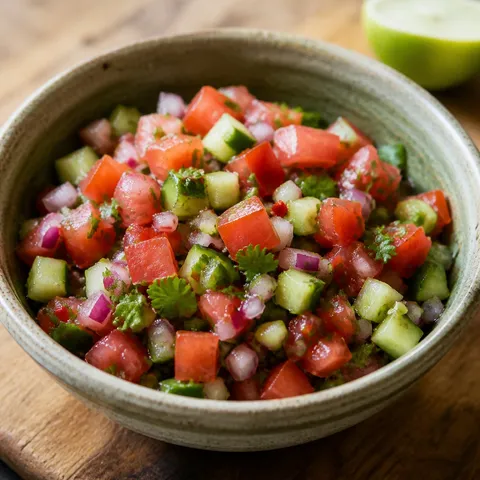
 Kachumbari
Bright, refreshing salad of ripe tomatoes and sharp raw onion, spiked with chili and lime — the cool, crisp counterpoint to rich East African grills.