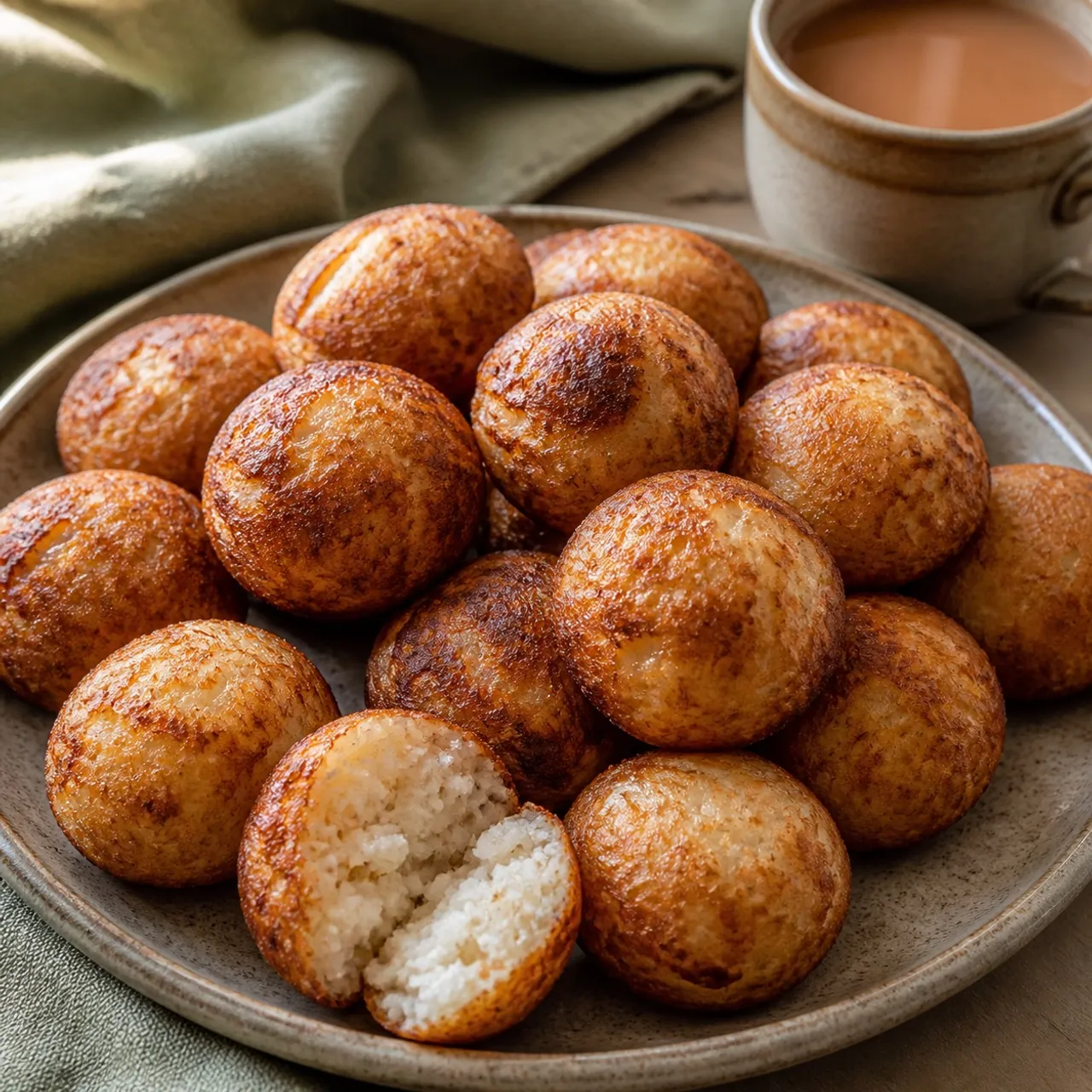
 East African Images are for illustrative purposes only, may be inaccurate, and do not guarantee the presence or absence of specific ingredients.
 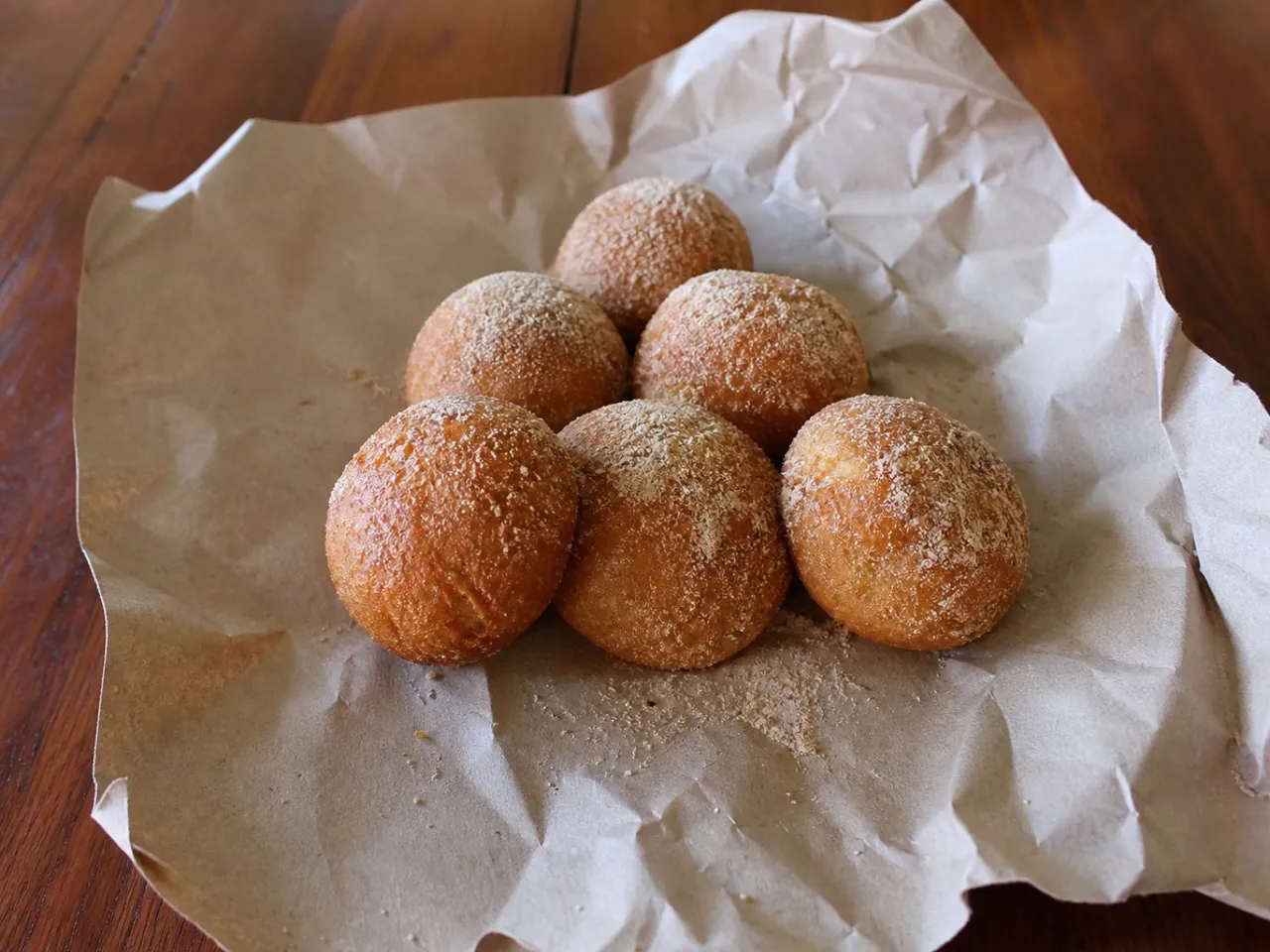 Serving Images are for illustrative purposes only, may be inaccurate, and do not guarantee the presence or absence of specific ingredients.
 Vitumbua
Soft, pillowy rice and coconut milk pancakes cooked in a dimpled pan until golden on the outside and tender within — a sweet Swahili coastal breakfast treat.
No common allergens detected
Based on this recipe's ingredient list. Always verify with your own brands and labels.
Instructions
8 steps- 1
Drain the soaked rice and blend it with the coconut milk in a blender until completely smooth, adding a splash of water if needed to loosen the batter.
- 2
Pour the batter into a bowl and whisk in the sugar, yeast, cardamom, and salt until well combined.
- 3
Cover the bowl and let the batter rest in a warm place for 45 minutes to 1 hour until it becomes bubbly and slightly puffed.
- 4
Heat a dimpled vitumbua pan (or a mini muffin or aebleskiver pan) over medium-low heat and brush each well lightly with oil.
- 5
Spoon the batter into each well, filling about two-thirds full.
- 6
Cover the pan and cook for 3 to 4 minutes until the bottoms are golden and small bubbles appear on the surface.
- 7
Flip each vitumbua carefully with a skewer or fork and cook for another 2 to 3 minutes until golden on both sides and cooked through.
- 8
Serve warm, dusted lightly with sugar if desired, as a coastal breakfast treat.
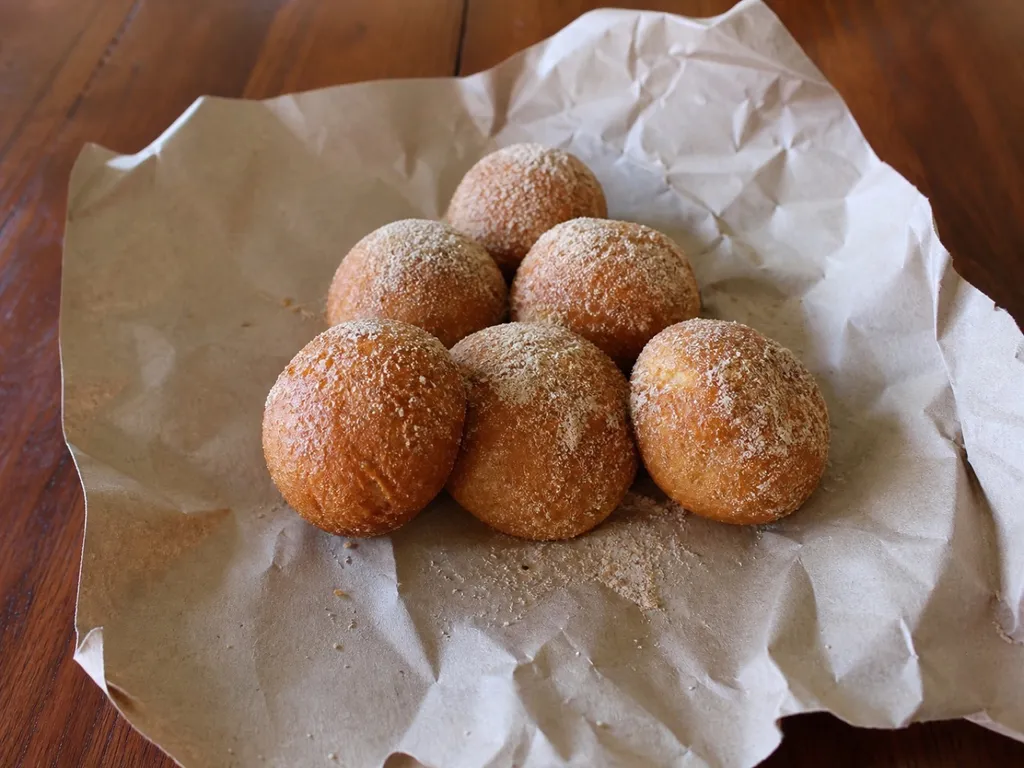 Images are for illustrative purposes only, may be inaccurate, and do not guarantee the presence or absence of specific ingredients.
 Listahan Family Score™
75/100
Good fit for most families
Score reflects how well this recipe fits a typical busy household. In the app, your Family Score is personalized to your household's allergens, kids, and pantry.
Nutrition
per serving320
Calories
5 g
Protein
29 g
Carbs
22 g
Fat
Estimated per serving. Actual values depend on the brands and portions you use.
Listahan cooking guide
Chef notes & practical guide
Technique notes, ingredient swaps, serve-alongside ideas, storage guidance, and equipment for this recipe.
Cultural context
Vitumbua are small, round rice-flour pancakes from the Swahili coast of Tanzania and Kenya, made with coconut milk and leavened with yeast to give them a distinctive soft, slightly tangy interior and a thin browned shell. They are cooked in a special pan called a karai with small round molds, similar in concept to the Danish aebleskiver pan. Sold warm from street carts in the mornings, they are the Swahili coast answer to the donut hole — sweet, simple, and best eaten immediately.
Listahan note
This version relies on a proper yeast rest for the batter, which gives vitumbua their characteristic tang and ensures they are light and airy rather than dense and gummy.
Technique cues
- Rice flour gives vitumbua a slightly grainy, tender crumb that wheat flour cannot replicate; the starch in rice flour also creates the thin, lightly crisped shell that forms as the batter cooks in the oiled molds.
- The coconut milk should be full-fat and added at room temperature; cold coconut milk can shock the yeast and slow fermentation, resulting in flat, dense cakes.
- Turn the vitumbua only once, when the edges are set and small bubbles appear across the surface; flipping too early tears the unset center, and flipping late makes the second side rubbery instead of lightly browned.
Kitchen flow
- Parallel prep
- Mix the batter and start the yeast rest first; prepare toppings (shredded coconut, cardamom sugar) while the batter ferments.
- Make-ahead
- The batter can be made the night before and refrigerated after mixing; bring it to room temperature for 30 minutes and stir before cooking.
- Leftover move
- Leftover vitumbua reheat well in a toaster oven at 300F for 5 minutes; they crisp back up on the outside while staying soft inside.
- Cleanup rhythm
- Wipe the mold pan with oiled paper towels between batches while still warm; do not immerse a hot cast iron or specialty pan in cold water.
Ingredient brief
Role, handling, and swap guidance for each key ingredient.
Rice flour
structural base
Purpose: Rice flour provides the specific tender-grainy texture that defines vitumbua and cannot be replicated with wheat flour.
Handling: Use fine white rice flour for a smoother batter; coarser grinds can make the finished cakes gritty.
Adaptation: A 50/50 mix of rice flour and all-purpose flour gives a slightly softer result closer to wheat pancakes, acceptable but different in texture.
coconut milk
liquid and fat
Purpose: Full-fat coconut milk provides both the liquid to hydrate the batter and the fat that gives vitumbua their rich, subtly sweet flavor.
Handling: Shake the can well before opening and stir to combine the cream and water before measuring.
Adaptation: Oat milk with a tablespoon of coconut oil added approximates the fat content for a lighter version.
yeast
leavener and flavor
Purpose: Yeast gives vitumbua their slight tang and creates a light, open crumb that baking powder cannot replicate.
Handling: Proof the yeast in a small amount of warm water with a pinch of sugar before adding to the batter; this confirms it is active and will provide reliable lift.
Adaptation: Baking powder can be used in a pinch (about 1 teaspoon per cup of flour) but the result will be flatter and lack the fermented tang.
Technique notes
- A cardamom sugar dusting (ground cardamom mixed with powdered sugar) is the classic finish; apply while vitumbua are still warm so the sugar adheres without melting into a sticky glaze.
- Oil the molds generously before each batch using a pastry brush or a piece of folded paper towel dipped in oil; vitumbua stick badly in under-oiled molds.
- Fill each mold only two-thirds full; the batter rises significantly and overfilled molds spill over and fuse adjacent cakes together.
Ingredient swaps
- Gluten-free direction
- The recipe is naturally gluten-free when made with 100% rice flour; verify the yeast brand is certified gluten-free if needed.
- Vegan direction
- Vitumbua contain no eggs or dairy and are naturally vegan; ensure the sugar used is not processed with bone char.
Serve alongside
- fresh mango slices with a squeeze of lime
- Kenyan spiced tea (chai) with cardamom and cloves
- honey and shredded toasted coconut for dipping
- Swahili coffee spiced with cardamom and ginger
- fresh passion fruit juice
Serving suggestions only — check pairings for your household's allergens.
Storage & reheating
- Store cooled vitumbua in an airtight container at room temperature for up to 1 day; they are best the day they are made.
- Reheat in a toaster oven at 300F for 4-5 minutes to restore the exterior crisp.
- Freeze individually on a tray, then bag; reheat from frozen in a 325F oven for 8-10 minutes.
Equipment
- aebleskiver pan or takoyaki pan as a substitute for the traditional karai
- pastry brush for oiling molds
- wooden skewer or chopstick for turning cakes
- small ladle for filling molds
Make this household-aware
Listahan Pro checks this recipe against your household's allergens, finds pantry-aware swaps, builds the shopping list, and helps you plan the week around it.
Plan it in Listahan
Add Vitumbua to your week, check it against your household's allergens, and build the shopping list automatically.
More East African recipes
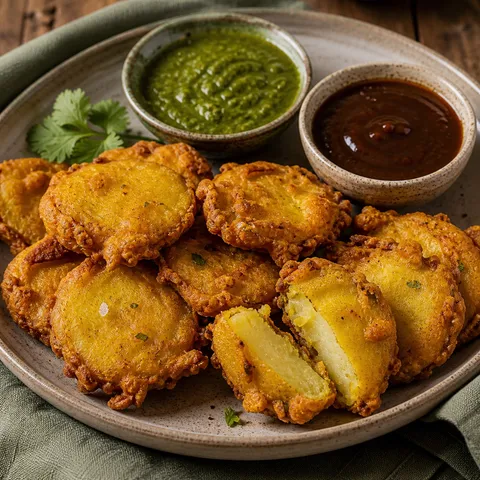 East African Lens Verified Images are for illustrative purposes only, may be inaccurate, and do not guarantee the presence or absence of specific ingredients.
 Viazi Karai
A Zanzibari street favorite of soft boiled potatoes coated in a turmeric-yellow batter and deep-fried until crackling, served with fiery tamarind sauce.
 East African Lens Verified Images are for illustrative purposes only, may be inaccurate, and do not guarantee the presence or absence of specific ingredients.
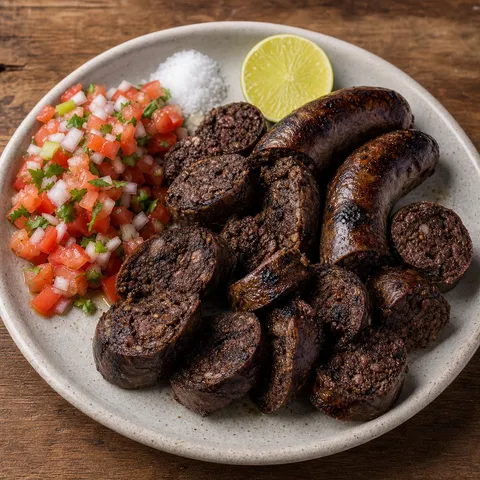
 Mutura
Kenyan spiced blood sausage stuffed with meat, onion, and herbs, then grilled until the casing crisps and snaps — a bold, smoky roadside delicacy.
 East African Lens Verified Images are for illustrative purposes only, may be inaccurate, and do not guarantee the presence or absence of specific ingredients.
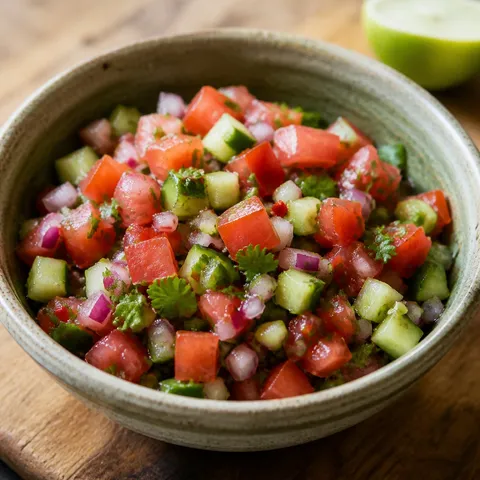
 Kachumbari
Bright, refreshing salad of ripe tomatoes and sharp raw onion, spiked with chili and lime — the cool, crisp counterpoint to rich East African grills.