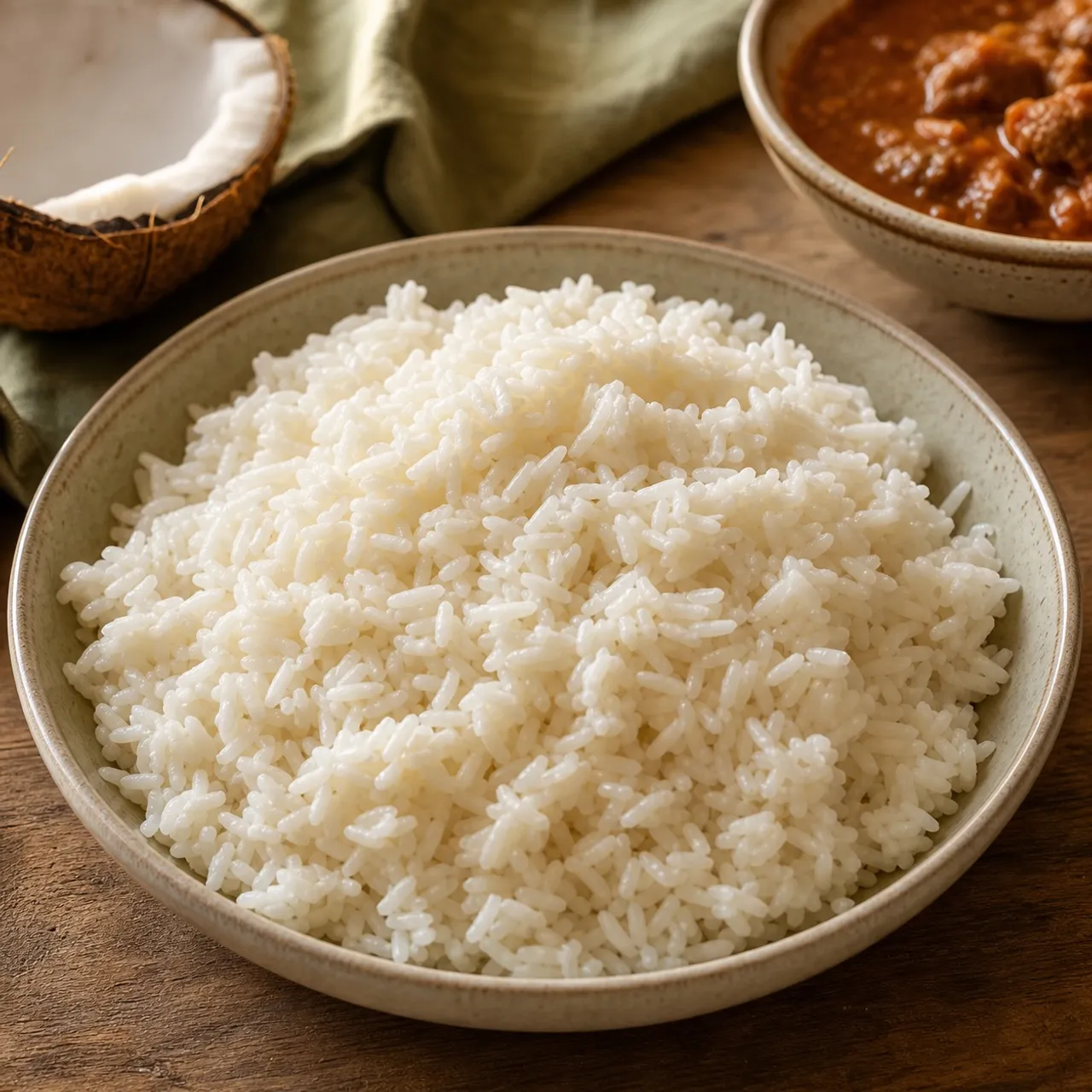
 East African Images are for illustrative purposes only, may be inaccurate, and do not guarantee the presence or absence of specific ingredients.
 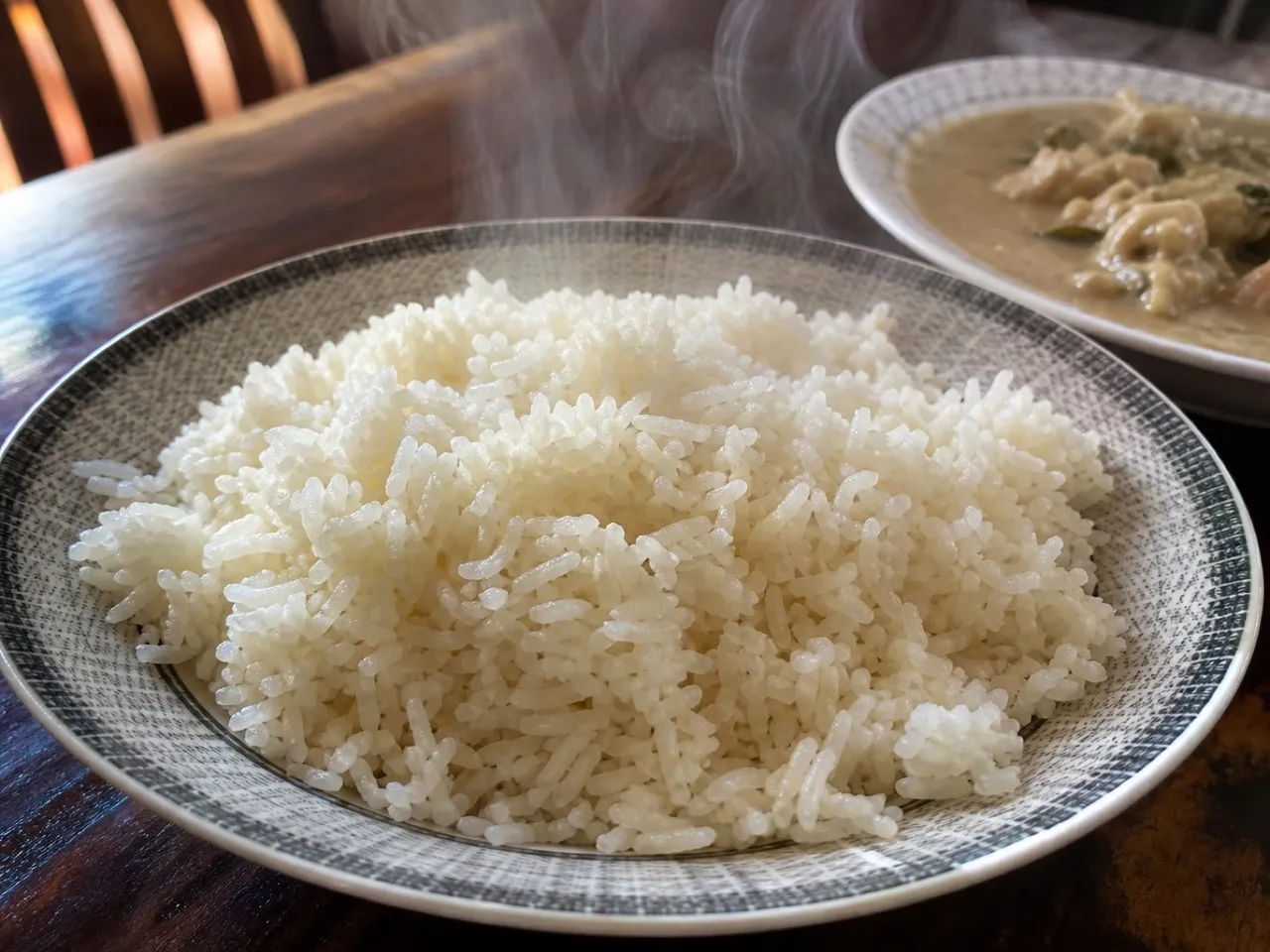 Serving Images are for illustrative purposes only, may be inaccurate, and do not guarantee the presence or absence of specific ingredients.
 Wali wa Nazi
Swahili coconut rice slow-cooked in rich coconut milk until each grain is silky and fragrant — the perfect creamy base for Kenyan and Tanzanian coastal curries.
No common allergens detected
Based on this recipe's ingredient list. Always verify with your own brands and labels.
Good to know
- One-pot
Matched from this dish's own ingredients and timing. Browse more: one-pot dinners
Instructions
6 steps- 1
In a medium heavy-bottomed pot, combine the coconut milk, water, and salt. Bring to a gentle boil over medium-high heat.
- 2
Stir in the rinsed basmati rice. Return to a boil, then immediately reduce the heat to the lowest setting.
- 3
Cover the pot with a tight-fitting lid to trap the steam.
- 4
Cook undisturbed for 18-20 minutes until all the liquid has been absorbed by the rice.
- 5
Remove the pot from the heat and let it rest, covered, for 10 minutes.
- 6
Gently fluff the fragrant coconut rice with a fork before serving.
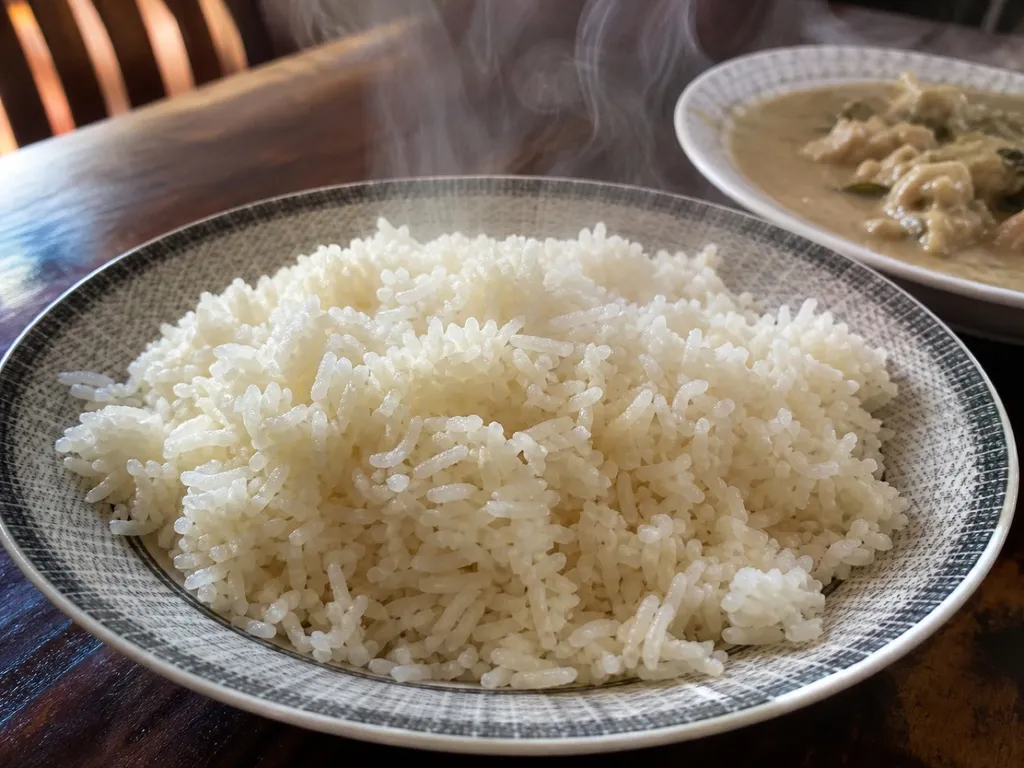 Images are for illustrative purposes only, may be inaccurate, and do not guarantee the presence or absence of specific ingredients.
 Listahan Family Score™
75/100
Good fit for most families
Score reflects how well this recipe fits a typical busy household. In the app, your Family Score is personalized to your household's allergens, kids, and pantry.
Nutrition
per serving615
Calories
9 g
Protein
81 g
Carbs
29 g
Fat
Estimated per serving. Actual values depend on the brands and portions you use.
Listahan cooking guide
Chef notes & practical guide
Technique notes, ingredient swaps, serve-alongside ideas, storage guidance, and equipment for this recipe.
Cultural context
Wali wa Nazi, coconut rice, is a staple along the Swahili Coast of Kenya and Tanzania, reflecting centuries of Indian Ocean trade that brought coconut palms and rice cultivation together with Arab and South Asian culinary influences. The dish is central to coastal Swahili identity and appears at nearly every festive meal from Mombasa to Dar es Salaam. For a North American cook, it is essentially a two-ingredient upgrade to plain steamed rice that delivers a rich, subtly sweet base for any stew or grilled protein.
Listahan note
This version uses a 2:1 ratio of coconut milk to water, which produces a creamy, slightly sticky rice without being heavy — rinsing the basmati until the water runs clear is the single most important step for clean, separated grains.
Technique cues
- Rinsing basmati until the water runs almost clear removes surface starch; skipping this step makes the finished rice gummy because coconut milk adds its own creaminess on top of any residual starch.
- Bring the coconut milk and water to a full boil before adding the rice, then immediately drop to the lowest possible heat and seal the lid — steam is the cooking medium, not simmering liquid, so a tight lid is non-negotiable.
- Let the pot rest off heat for 10 minutes before lifting the lid; this allows the bottom crust (if any) to release naturally and the grains to firm up without sticking or tearing.
Kitchen flow
- Parallel prep
- While the rice soaks, prepare the stew, grilled meat, or beans it will accompany — the rice itself is hands-off once the lid goes on.
- Make-ahead
- Cook the rice up to 4 hours ahead and keep it covered in the pot; it holds texture well at room temperature for a short time, or reheat gently with a splash of water.
- Leftover move
- Day-old wali wa Nazi fries beautifully in a hot pan with a little oil to make a crispy coconut fried rice; add egg, scallions, and leftover vegetables.
- Cleanup rhythm
- The pot can soak immediately after serving — coconut milk residue releases easily in warm water, especially before it fully dries.
Ingredient brief
Role, handling, and swap guidance for each key ingredient.
2 cups basmati rice (rinsed until water runs clear)
starchy base
Purpose: Long-grain basmati absorbs coconut milk evenly and its lower amylose content keeps the grains distinct after cooking.
Handling: Rinse under cold water, swishing with your hand and draining at least 3-4 times until the water is nearly clear, then soak for 15-20 minutes if time allows.
Adaptation: Jasmine rice works and gives a slightly more floral, softer result; use the same ratio.
2 cups fresh or canned coconut milk
cooking liquid and primary flavor
Purpose: Coconut milk provides fat, sweetness, and the distinctive Swahili Coast flavor that differentiates this from plain steamed rice.
Handling: Shake or stir canned coconut milk thoroughly before measuring to reincorporate the separated cream.
Adaptation: Light coconut milk reduces richness but still works; full-fat oat milk is a nut-free alternative with a different flavor profile.
1 tsp salt
seasoning
Purpose: Salt balances the natural sweetness of the coconut milk and seasons the rice from the inside out during absorption.
Handling: Dissolve salt in the liquid before adding rice to ensure even distribution.
Adaptation: No direct swap needed; reduce to 1/2 tsp for a lower-sodium version.
Technique notes
- If using canned coconut milk, the cream solidifies at the top of the can; always shake or stir before measuring or the first half of your measure will be cream and the second will be thin liquid, producing uneven results.
- A heavy-bottomed pot or Dutch oven distributes heat more evenly than a thin saucepan, preventing the scorched bottom layer that can happen when coconut milk's sugars caramelize unevenly.
- For a more intensely coconut-flavored result, replace the 1.5 cups water entirely with additional coconut milk — the rice will be richer and slightly denser, suited for pairing with very saucy stews.
Ingredient swaps
- Dairy-free
- Already dairy-free; full-fat canned coconut milk is the standard ingredient.
- Lower-calorie
- Use light coconut milk (about half the fat) and increase water to 2 cups to maintain the liquid ratio.
- Nut-free direction
- Coconut is technically a tree nut under FDA allergen labeling — for tree-nut-allergic households, substitute unsweetened oat milk or rice milk for the coconut milk, though the flavor will be quite different.
Serve alongside
- Maharage ya Nazi (coconut kidney beans)
- kachumbari (Kenyan tomato and onion salad with lime)
- nyama choma (grilled marinated beef or goat)
- sukuma wiki (sauteed collard greens with onion and tomato)
- fresh tamarind juice or tamarind-hibiscus agua fresca
- cold chai masala with black tea and cardamom
Serving suggestions only — check pairings for your household's allergens.
Storage & reheating
- Refrigerate leftovers in an airtight container for up to 3 days; the rice will firm considerably.
- Reheat with 1-2 tablespoons of water per cup of rice in a covered saucepan over low heat or in a microwave-safe bowl with a damp paper towel on top.
- Freeze in portion-sized bags for up to 1 month; thaw overnight in the refrigerator and reheat as above.
Equipment
- Heavy-bottomed 3-quart saucepan or Dutch oven with a tight-fitting lid
- Fine-mesh strainer for rinsing rice
- Measuring cups (liquid and dry)
- Wooden spoon or rice paddle for fluffing
Make this household-aware
Listahan Pro checks this recipe against your household's allergens, finds pantry-aware swaps, builds the shopping list, and helps you plan the week around it.
Plan it in Listahan
Add Wali wa Nazi to your week, check it against your household's allergens, and build the shopping list automatically.
More East African recipes
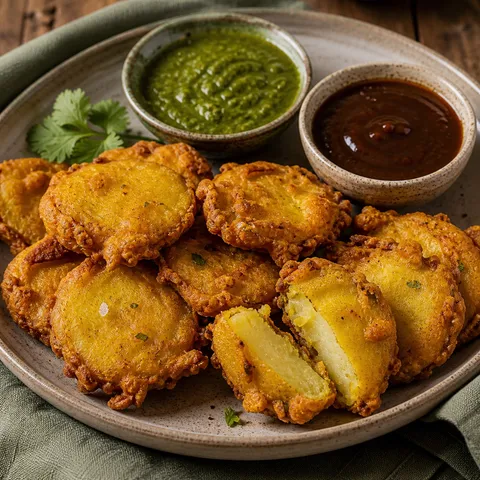 East African Lens Verified Images are for illustrative purposes only, may be inaccurate, and do not guarantee the presence or absence of specific ingredients.
 Viazi Karai
A Zanzibari street favorite of soft boiled potatoes coated in a turmeric-yellow batter and deep-fried until crackling, served with fiery tamarind sauce.
 East African Lens Verified Images are for illustrative purposes only, may be inaccurate, and do not guarantee the presence or absence of specific ingredients.
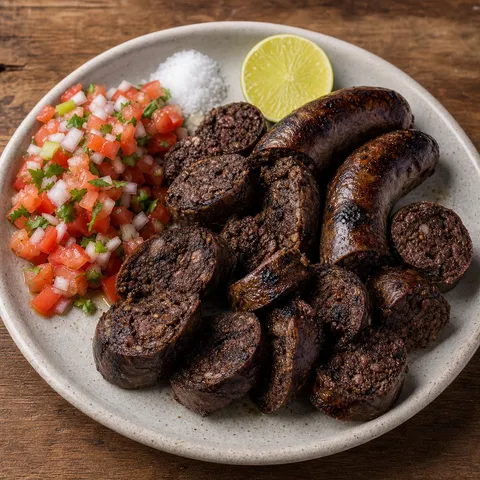
 Mutura
Kenyan spiced blood sausage stuffed with meat, onion, and herbs, then grilled until the casing crisps and snaps — a bold, smoky roadside delicacy.
 East African Lens Verified Images are for illustrative purposes only, may be inaccurate, and do not guarantee the presence or absence of specific ingredients.
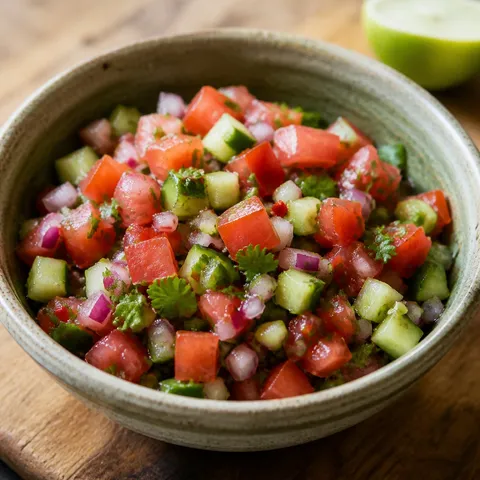
 Kachumbari
Bright, refreshing salad of ripe tomatoes and sharp raw onion, spiked with chili and lime — the cool, crisp counterpoint to rich East African grills.