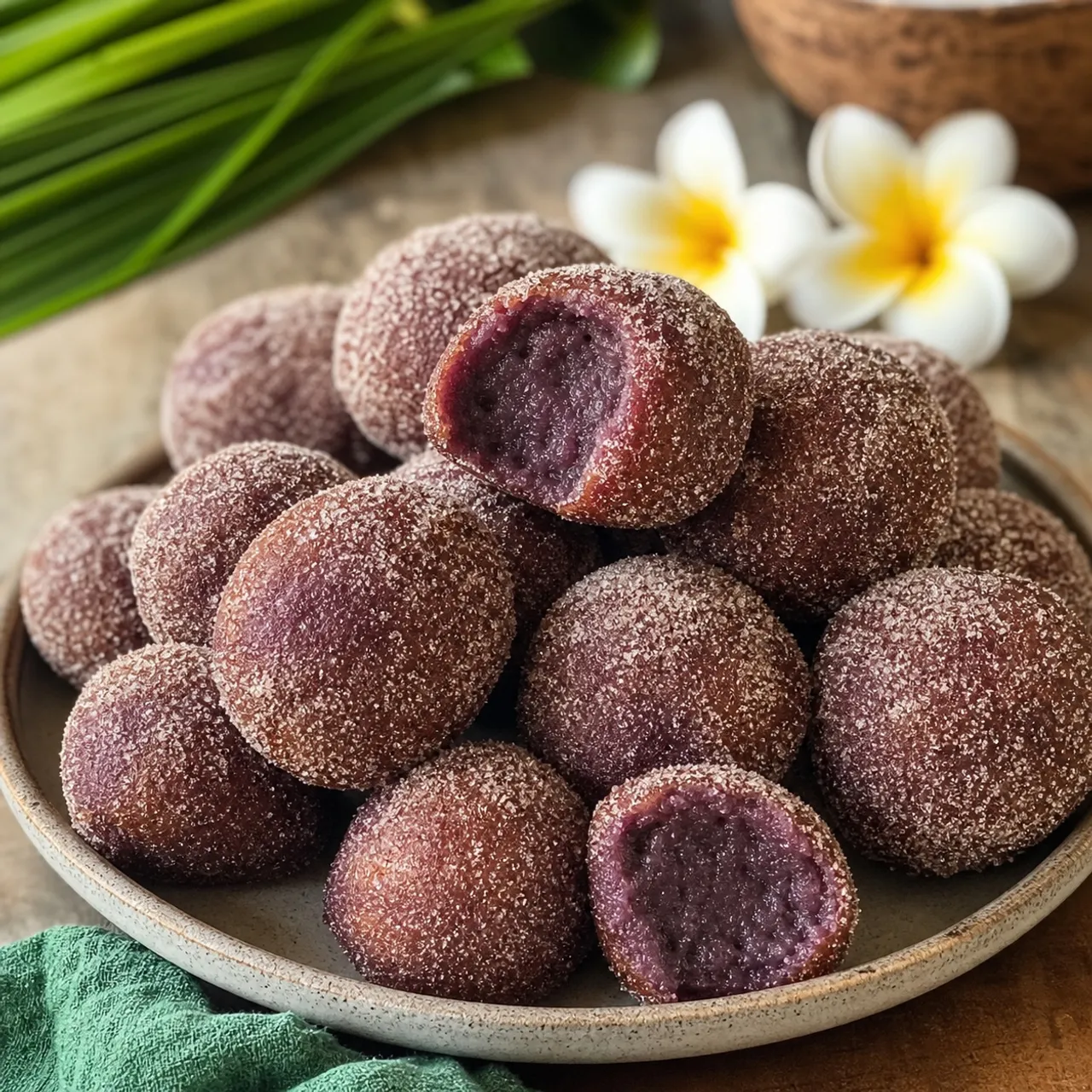
 Hawaiian Images are for illustrative purposes only, may be inaccurate, and do not guarantee the presence or absence of specific ingredients.
 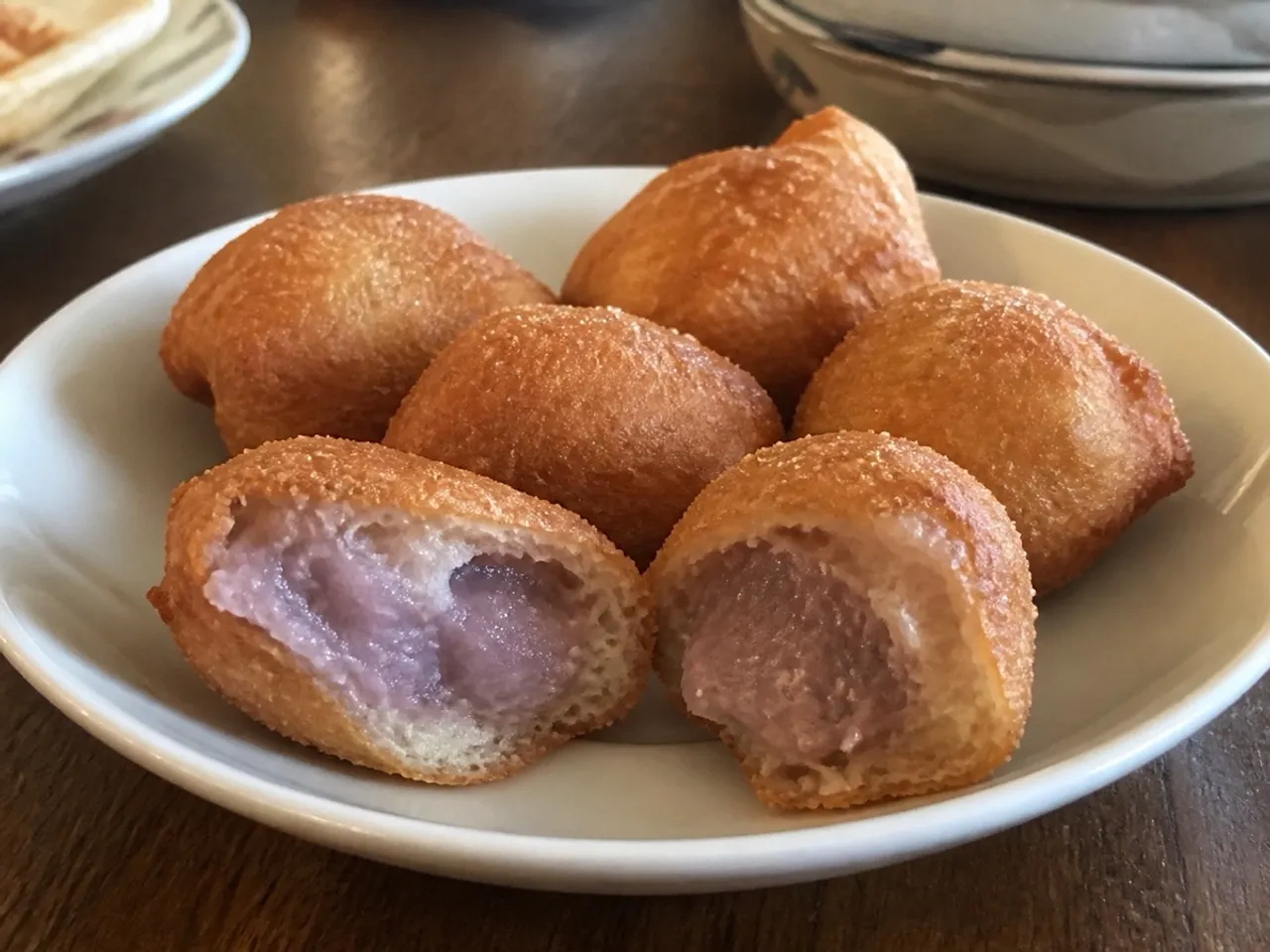 Serving Images are for illustrative purposes only, may be inaccurate, and do not guarantee the presence or absence of specific ingredients.
 Poi Mochi
Chewy fried mochi stuffed or swirled with creamy poi, crisped golden on the outside — an earthy, subtly sweet fusion of two Hawaiian staples in one bite.
Contains common allergens
In the app, Listahan checks these against your household automatically.
Good to know
- Crispy
Matched from this dish's own ingredients and timing. Browse more: crispy recipes
Instructions
7 steps- 1
In a large bowl, whisk together the mochiko, sugar, and baking powder.
- 2
Add the poi, water, and vanilla, stirring until you get a smooth, thick batter with no dry pockets of flour.
- 3
Let the batter rest for 15 minutes so the mochiko fully hydrates and the mixture firms up slightly.
- 4
Heat about 2 inches of vegetable oil in a heavy pot to 325 degrees, keeping the temperature moderate since these brown quickly.
- 5
Scoop rounded tablespoons of batter and carefully slide them into the oil, frying in small batches so the temperature does not drop.
- 6
Fry, turning occasionally, for 4 to 5 minutes until deep golden brown and cooked through, since the dense batter needs time for the inside to set without burning the outside.
- 7
Drain on a wire rack, let cool slightly, then dust generously with powdered sugar before serving; the outside should be crisp while the inside stays chewy and purple-gray from the poi.
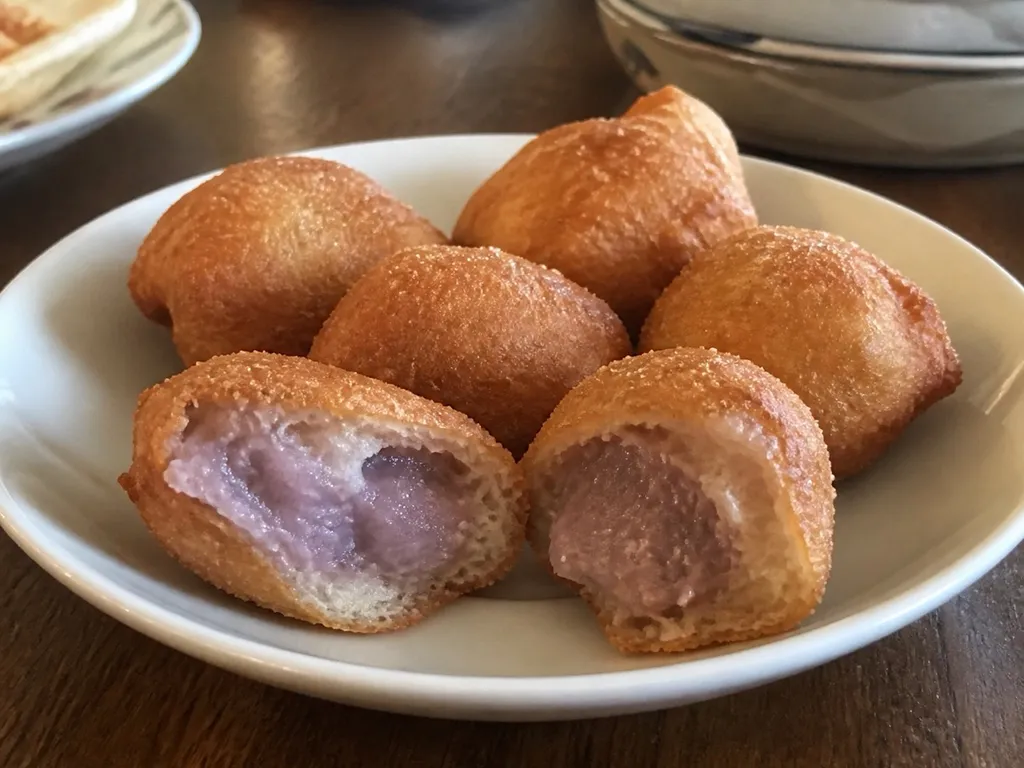 Images are for illustrative purposes only, may be inaccurate, and do not guarantee the presence or absence of specific ingredients.
 Listahan Family Score™
78/100
Good fit for most families
Score reflects how well this recipe fits a typical busy household. In the app, your Family Score is personalized to your household's allergens, kids, and pantry.
Nutrition
per serving75
Calories
0 g
Protein
19 g
Carbs
0 g
Fat
Estimated per serving. Actual values depend on the brands and portions you use.
Listahan cooking guide
Chef notes & practical guide
Technique notes, ingredient swaps, serve-alongside ideas, storage guidance, and equipment for this recipe.
Cultural context
Poi mochi is a modern Hawaiian fusion snack that takes two local staples — poi (fermented, pounded taro root, a Native Hawaiian staple food) and mochiko (Japanese sweet rice flour) — and fries them together into a chewy, lightly sweet fritter. It reflects Hawaii's plate-lunch culture of blending Native Hawaiian, Japanese, and other immigrant food traditions into single new dishes rather than keeping them separate.
Listahan note
This version whisks the dry mochiko mix and the wet poi-coconut milk-egg mix separately before combining, then rests the batter briefly so the rice flour hydrates and the fritters fry up chewy rather than gritty.
Technique cues
- Whisk the mochiko, sugar, and salt fully combined before adding any wet ingredients — dry-mixing first prevents mochiko clumps that survive into the fried fritter.
- Rest the batter the full 10 minutes before frying so the rice flour hydrates — skipping the rest leaves a slightly gritty, underdeveloped texture.
- Fry in small batches at a steady 350°F; crowding the pot drops the oil temperature and the fritters soak up grease instead of puffing and browning.
Kitchen flow
- Parallel prep
- Heat the frying oil while the batter rests the 10 minutes, so both are ready at the same time.
- Make-ahead
- The batter does not hold well unfried — make it fresh and fry the same day for the best chew.
- Leftover move
- Reheat leftover fritters in a toaster oven or air fryer to re-crisp the outside; the microwave makes them tough.
- Cleanup rhythm
- Strain and cool the frying oil before disposing; line the frying station with paper towels ahead of time so cleanup is quick.
Ingredient brief
Role, handling, and swap guidance for each key ingredient.
1 cup prepared poi
Signature flavor and color
Purpose: Poi is what makes this specifically Hawaiian rather than a generic mochi fritter — its subtle tang and purple-grey color come through even after frying.
Handling: Use poi at its everyday consistency (not overly thinned); it should still be spoonable, not liquid.
Adaptation: No real substitute — poi is the entire identity of this dish; mashed taro root is the closest fallback if fermented poi is unavailable.
1 cup mochiko sweet rice powder
Structure and chew
Purpose: Mochiko is what gives these fritters their signature chewy, slightly springy bite once fried, the same texture principle as butter mochi.
Handling: Whisk with the sugar and salt before adding any liquid to prevent clumping.
Adaptation: No good substitute — mochiko’s texture is specific and naturally gluten-free despite the "glutinous rice" name.
1/2 cup coconut milk
Moisture
Purpose: Loosens the poi and mochiko mixture to a scoopable batter consistency while adding a mild coconut note.
Handling: Whisk with the poi and egg until mostly smooth; small taro streaks are normal and expected.
Adaptation: Whole milk works if avoiding coconut, though it loses the subtle coconut background note.
1 large egg
Binder
Purpose: Helps hold the batter together so the fritters keep their shape when they hit the hot oil instead of spreading thin.
Handling: Whisk into the poi and coconut milk mixture until mostly smooth.
Adaptation: No reliable egg-free substitute for this specific fried-fritter structure.
4 cups neutral oil (for frying)
Cooking medium
Purpose: A neutral, high-smoke-point oil is needed to fry at 350°F without burning or adding a competing flavor.
Handling: Heat to a true 350°F, checked with a thermometer, before adding any batter.
Adaptation: Any neutral frying oil (canola, vegetable, peanut) works — note peanut oil introduces a peanut-adjacent processing risk for peanut-allergic households even though the oil itself is usually highly refined.
Technique notes
- Whisk the batter until mostly smooth — small taro streaks from the poi are normal and give the fritters their color.
- Rest the batter the full 10 minutes so the mochiko hydrates before frying.
- Fry in small batches so the oil temperature stays steady and the centers cook through without over-browning the outside.
Ingredient swaps
- Lower-sodium direction
- Cut the salt by about a third and taste before adding more — most of the dish's flavor comes from the other ingredients, not the salt itself. This one leans on the mochiko sweet rice powder.
- Weeknight shortcut
- Get the batter or mix-ins ready and refrigerated the day before; all that's left the night of is the oven. This one leans on the mochiko sweet rice powder.
Serve alongside
- Vanilla ice cream
- Fresh pineapple
- Haupia
- Hot green tea
- Kona coffee
- Cold milk
Serving suggestions only — check pairings for your household's allergens.
Storage & reheating
- Best eaten warm the day they are fried; store leftovers airtight at room temperature up to 2 days.
- Reheat in a toaster oven or air fryer, not the microwave, to keep the outside from turning soft and soggy.
Equipment
- Deep, heavy pot
- Frying thermometer
- Slotted spoon or spider strainer
Make this household-aware
Listahan Pro checks this recipe against your household's allergens, finds pantry-aware swaps, builds the shopping list, and helps you plan the week around it.
Plan it in Listahan
Add Poi Mochi to your week, check it against your household's allergens, and build the shopping list automatically.
More Hawaiian recipes
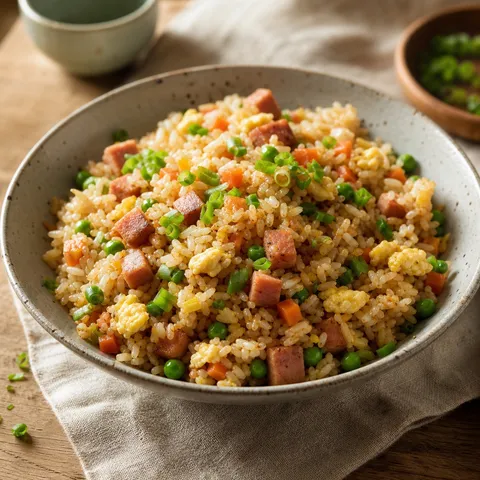 Hawaiian Lens Verified Images are for illustrative purposes only, may be inaccurate, and do not guarantee the presence or absence of specific ingredients.
 Spam Fried Rice
Day-old rice stir-fried with caramelized Spam, egg, soy sauce, and green onion — a quick, satisfying island classic that turns pantry staples into something craveable.
 Hawaiian Lens Verified Images are for illustrative purposes only, may be inaccurate, and do not guarantee the presence or absence of specific ingredients.
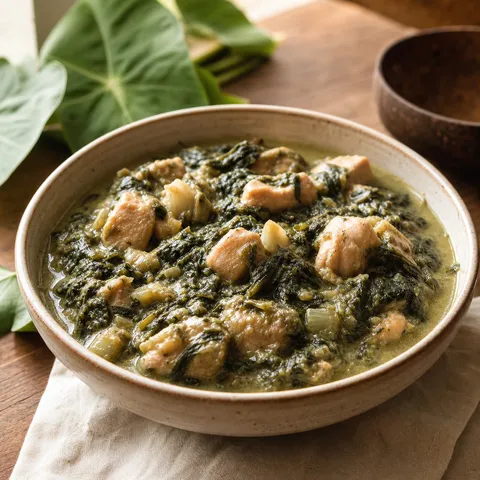
 Chicken Luau
Tender chicken simmered with young taro leaves in coconut milk until velvety and earthy — a quietly comforting Hawaiian stew full of old-fashioned luau warmth.
 Hawaiian Lens Verified Images are for illustrative purposes only, may be inaccurate, and do not guarantee the presence or absence of specific ingredients.
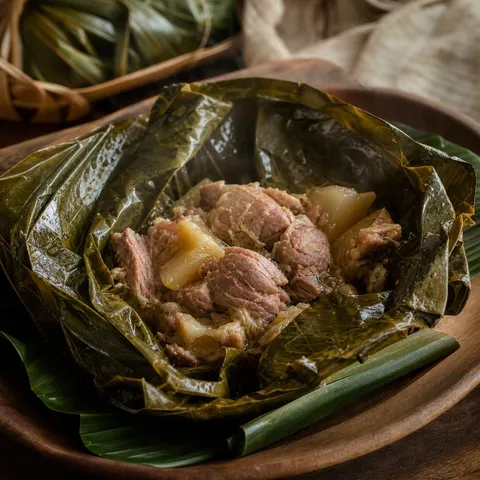
 Lau Lau
Pork shoulder and butterfish bundled in layers of taro leaf and steamed until meltingly tender — earthy, rich, and deeply rooted in Native Hawaiian tradition.