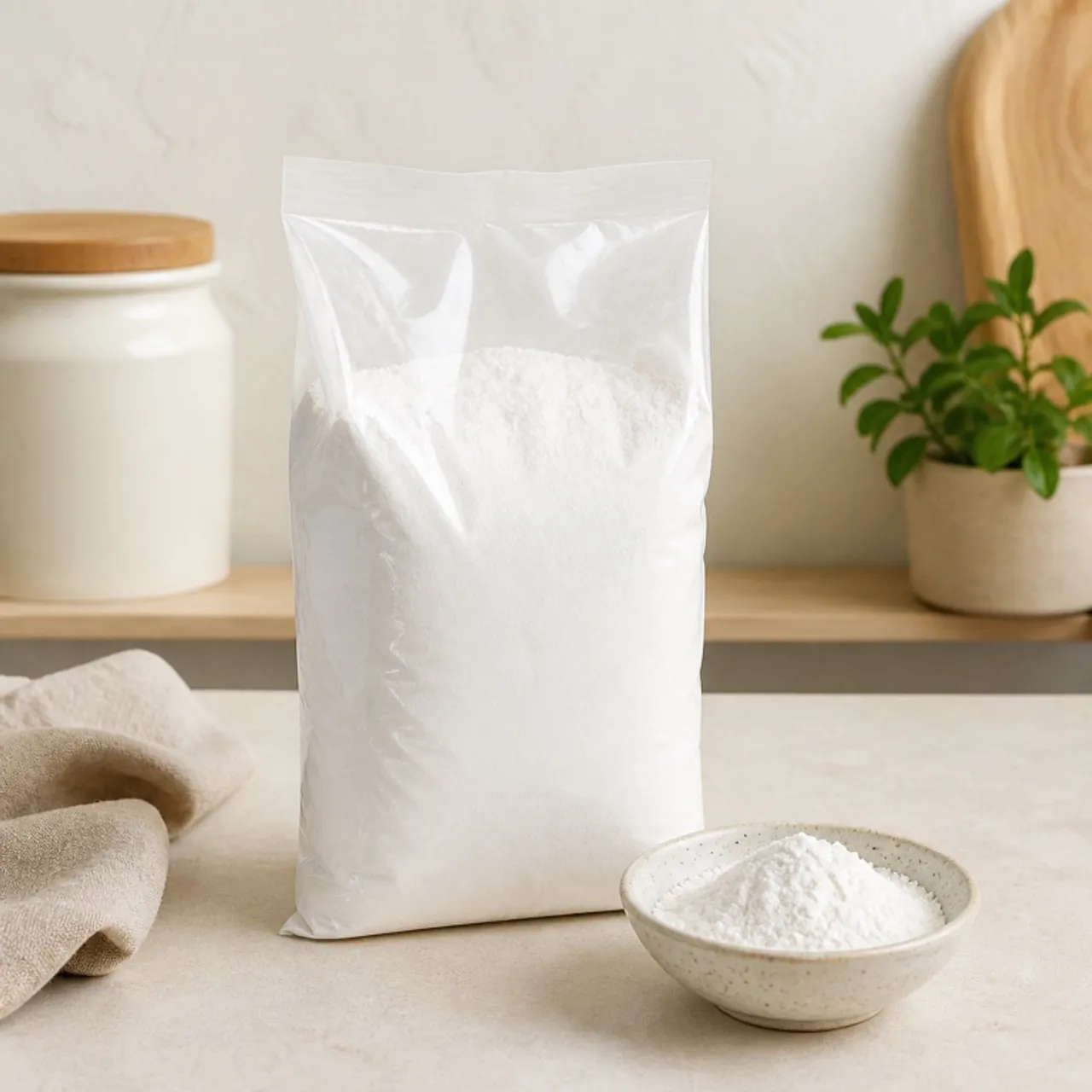
 Food Lens Images are for illustrative purposes only, may be inaccurate, and do not guarantee the presence or absence of specific ingredients.
 Food Lens · Recipe ingredients
Rice Flour
Mild, clean, neutral flavor with no wheat taste; produces a light, slightly sandy or crisp texture when baked or fried.
Lens VerifiedRice flour is finely milled from rice grains — used in Asian sweets and savory batters for its neutral flavor and crisp, light texture, and as a starch base in many baking applications.
Where it comes from
Rice flour has been milled and used across Asia for thousands of years, wherever rice rather than wheat was the dominant grain crop. In Japanese, Chinese, Korean, Filipino, and Southeast Asian cuisines, it is an essential ingredient for sweets and snacks that must be soft yet chewy or crisp without the gluten structure of wheat. It arrived in North American stores partly through Asian grocery channels and more broadly as demand grew for wheat-free alternatives.
Varieties — Regular rice flour (non-glutinous, from regular white rice) is used for batters and baking; sweet or glutinous rice flour (from sticky rice) is a separate product that creates a chewier, stickier texture.
Central to Japanese confections (wagashi), Chinese and Southeast Asian rice cakes, Filipino bibingka and puto, and Korean rice snacks.
In a modern kitchen — A tablespoon of rice flour added to tempura batter produces a noticeably lighter, crispier coating than all-purpose flour alone — try a 50/50 blend.
Buying it
Look for 'rice flour' or 'white rice flour' made from regular (non-glutinous) rice — this is distinct from 'sweet rice flour' or 'glutinous rice flour,' which behave very differently. Fine texture is ideal for batters; coarser rice flour exists for specific applications. Asian grocery stores offer the widest selection.
Storing it
Store in an airtight container in a cool, dry pantry away from moisture. Clumping or a musty smell means it's absorbed dampness and should be replaced.
Keeps about 1 year in the pantry.
Out of rice flour? Good swaps
- Tapioca flour — 1:1 ratio in batters; adds a slightly chewier, stickier texture
- Cornstarch — 1:1 ratio for thickening; crispier frying coating but not for dough applications
General cooking guidance — always check the labels on the products you use. Listahan’s allergen checks run automatically when you plan a recipe in the app. Not medical advice.
Recipes that use rice flour
Common questions about rice flour
Is rice flour vegan?
Rice Flour is generally plant-based and suitable for a vegan diet, but brands differ — confirm on the label.
What can I use instead of rice flour?
Good swaps include Tapioca flour, Cornstarch. Each behaves a little differently — see the swaps above for notes, and always check labels for allergens.
How do I store rice flour?
Store in an airtight container in a cool, dry pantry away from moisture. Clumping or a musty smell means it's absorbed dampness and should be replaced. It keeps about 1 year in the pantry.
More recipe ingredients
See all


Make rice flour about your kitchen — with Listahan Pro
Everything above is free, forever. Pro adds the Household Lens — the same food, seen for your family:
-
Checked for each member
Flags rice flour per person against your household's allergies and school rules — not just a generic "contains" tag.
-
Pantry-aware
Knows whether you already have it, what is running low, and the best swap from what is in your kitchen tonight.
-
What it costs near you
A real price from the Presyo community index, so you can plan the budget — not guess.
-
Your household memory
Who likes it, plus your own private notes — brand, where you keep it, who skips it.
Allergen safety is always free — Pro adds the automation, never the safety.
Cook with rice flour — safely
Plan a recipe in Listahan and the household allergen check runs automatically — every plan, every swap, every lunchbox. Safety is never paywalled.