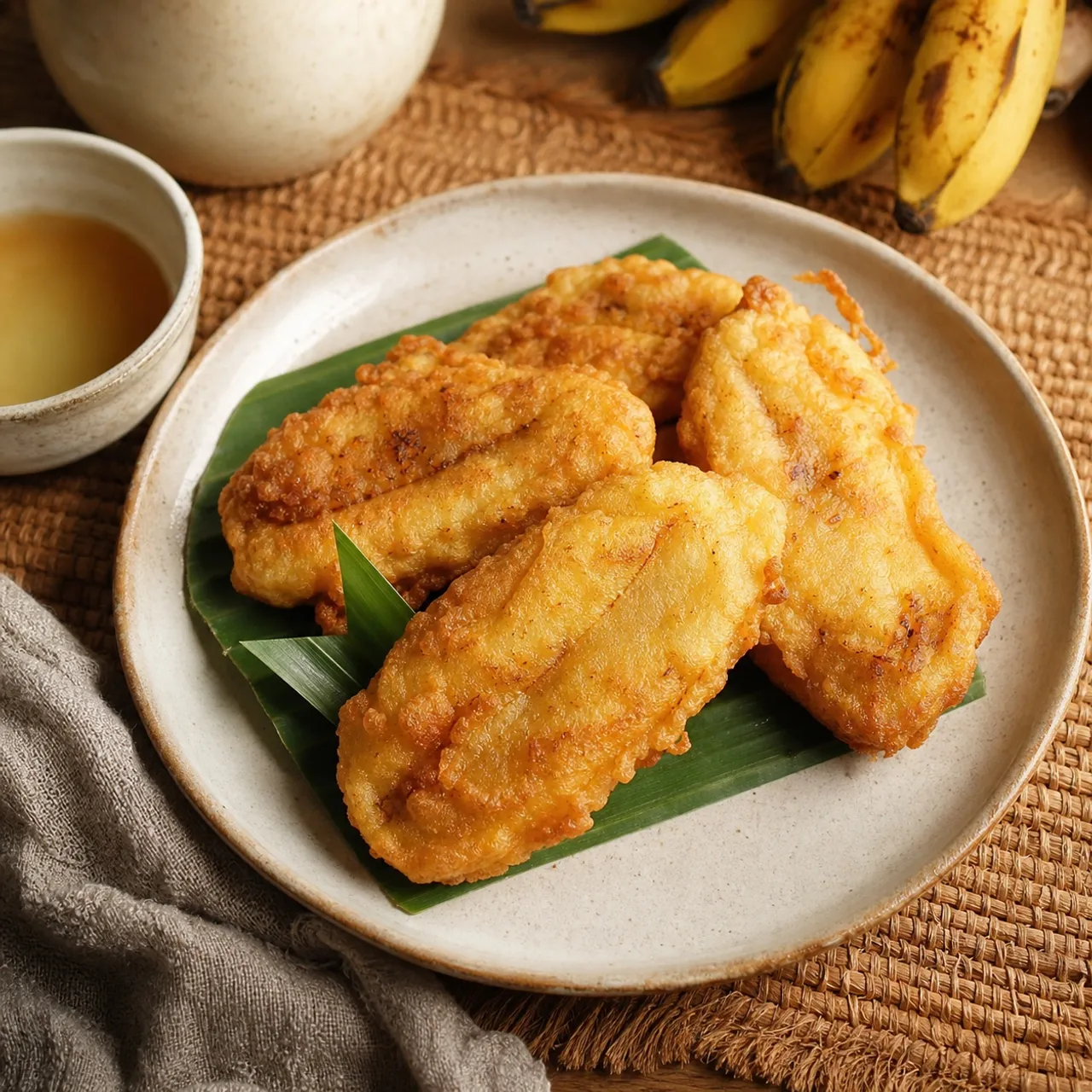
 Indonesian & Malaysian Images are for illustrative purposes only, may be inaccurate, and do not guarantee the presence or absence of specific ingredients.
 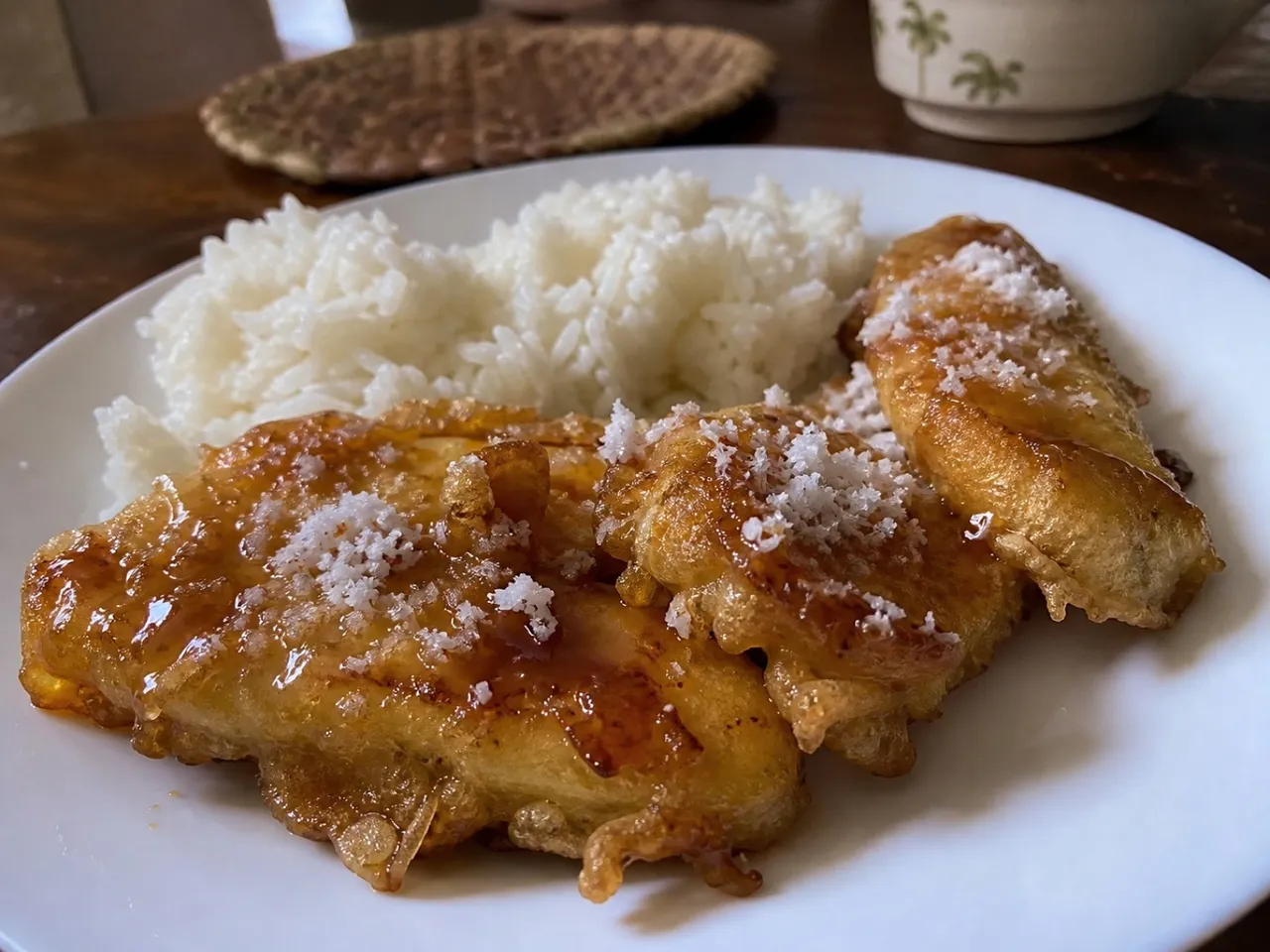 Serving Images are for illustrative purposes only, may be inaccurate, and do not guarantee the presence or absence of specific ingredients.
 Pisang Goreng
Ripe bananas in a crispy, golden batter, sweet and caramelized at the edges — Southeast Asia's most beloved street snack, best eaten hot.
No common allergens detected
Based on this recipe's ingredient list. Always verify with your own brands and labels.
Good to know
- Crispy
- Ready in under 30 minutes
Matched from this dish's own ingredients and timing. Browse more: crispy recipes30-minute meals
Instructions
6 steps- 1
Whisk the rice flour, tapioca flour, baking powder, and salt together.
- 2
Gradually whisk in enough ice water to create a smooth, thin batter (the cold water ensures maximum crispiness).
- 3
Peel the bananas and slice them in half lengthwise or fan them out by making parallel cuts.
- 4
Heat at least 2 inches of oil in a wok or deep pan to 350°F (175°C).
- 5
Dip the banana pieces completely into the batter, letting excess drip off.
- 6
Carefully lower them into the hot oil and fry for 4-5 minutes until the coating is golden and incredibly crispy. Drain on a wire rack.
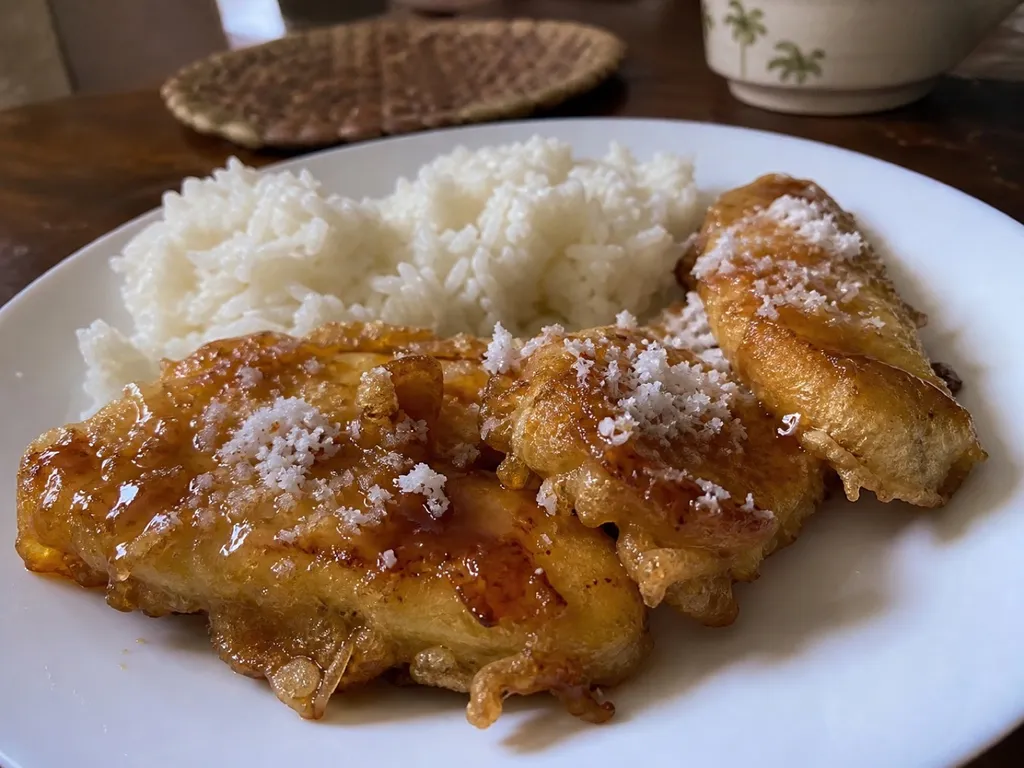 Images are for illustrative purposes only, may be inaccurate, and do not guarantee the presence or absence of specific ingredients.
 Listahan Family Score™
78/100
Good fit for most families
Score reflects how well this recipe fits a typical busy household. In the app, your Family Score is personalized to your household's allergens, kids, and pantry.
Nutrition
per serving360
Calories
6 g
Protein
87 g
Carbs
1 g
Fat
Estimated per serving. Actual values depend on the brands and portions you use.
Listahan cooking guide
Chef notes & practical guide
Technique notes, ingredient swaps, serve-alongside ideas, storage guidance, and equipment for this recipe.
Cultural context
Pisang goreng — fried banana — is one of the most universally beloved street snacks across Malaysia, Indonesia, and the Philippines, sold from pushcarts and roadside stalls throughout the day. The simplest versions are just ripe bananas dipped in a thin rice-flour batter and fried, served in newspaper cones. Malaysian Ramadan versions and the Penang style are coated in a thicker sesame-studded batter that fries into a shattering golden shell around soft, caramelized banana inside. The key to understanding why banana fritters exist across nearly every tropical food culture is practical: bananas are abundant, starchy cooking varieties (pisang kepok, plantain) fry without falling apart, and the batter requires only pantry staples.
Listahan note
This version uses a rice-flour-based batter with a pinch of turmeric for color and fries plantains — the most widely available starchy banana variety in North American grocery stores.
Technique cues
- Use just-ripe or slightly underripe plantains; overripe plantains (fully black) are too soft and collapse during frying rather than holding their shape.
- Keep the batter cold — add ice cubes to the mixing bowl — so the temperature contrast with hot oil creates a crisper, lighter shell.
- Fry in small batches at 365 F and do not crowd the pan; too many pieces drops the oil temperature and the batter absorbs oil rather than crisping.
Kitchen flow
- Parallel prep
- Mix the batter and slice the plantains simultaneously; the batter can rest for 10 minutes in the refrigerator while the oil heats.
- Make-ahead
- Pisang goreng is best eaten immediately; the batter can be made up to an hour ahead and kept refrigerated.
- Leftover move
- Re-crisp cooled fritters in an air fryer at 375 F for 4 minutes; serve with a scoop of vanilla ice cream for a quick dessert.
- Cleanup rhythm
- Strain and cool the frying oil for reuse (plantain fritters leave the oil clean); wipe the pot with paper towels while still warm.
Ingredient brief
Role, handling, and swap guidance for each key ingredient.
ripe plantains
main fruit body
Purpose: Plantains have higher starch content than dessert bananas and hold their shape during frying, caramelizing on the inside while the exterior crisps.
Handling: Peel and slice on a diagonal into 1/2-inch pieces for even cooking; halving lengthwise for the flat-fried style is equally traditional.
Adaptation: Semi-ripe (yellow with some black spots) dessert bananas like Cavendish can substitute with shorter fry time; they are softer inside.
rice flour
batter base for crispness
Purpose: Rice flour produces a thinner, crispier batter than all-purpose wheat flour because its lower gluten content cannot form the network that causes wheat batters to turn chewy after frying.
Handling: Sift before mixing to prevent lumps; the batter should be the consistency of thin cream.
Adaptation: All-purpose flour produces a slightly thicker, chewier batter; add an extra tablespoon of water to thin it down.
coconut milk
batter richness and flavor
Purpose: Coconut milk adds fat and sweetness to the batter that caramelizes on the outside of the fritter during frying, deepening the golden color.
Handling: Use full-fat coconut milk from a can; shake before opening to combine the fat and liquid.
Adaptation: Regular whole milk can substitute for a less tropical-flavored fritter with a slightly paler crust.
sesame seeds
textural garnish in batter
Purpose: Sesame seeds pressed into the batter before frying create crunchy pops on the exterior and are the hallmark of the Penang-style pisang goreng.
Handling: Sprinkle onto the wet batter-coated banana just before sliding into the oil.
Adaptation: Omit entirely for a cleaner batter, or use finely shredded dried coconut for a different textural element.
Technique notes
- A pinch of turmeric in the batter gives the fritters their characteristic golden color and is a standard addition in Indonesian and Malaysian versions — omitting it produces a paler, less visually appealing fritter.
- For maximum crispness, let the fritters drain upright on a wire rack rather than flat; tilting them at an angle allows oil to run off both sides simultaneously.
- A light dusting of icing sugar or a drizzle of kaya (coconut jam) right before serving is the Singaporean stall finish and bridges the dish toward dessert territory.
Ingredient swaps
- Gluten-free direction
- Rice flour is naturally gluten-free; verify your baking powder (if used) is certified gluten-free.
- Vegan direction
- Replace coconut milk with plain plant-based milk and add a teaspoon of coconut oil to maintain richness.
- Weeknight shortcut
- Air-fry lightly oiled plantain slices without batter at 380 F for 12 minutes, flipping once — fewer dishes and still sweet and caramelized.
Serve alongside
- Kaya (coconut egg jam) for dipping
- Vanilla ice cream
- A dusting of icing sugar
- Teh tarik (pulled milk tea)
- Iced Milo
Serving suggestions only — check pairings for your household's allergens.
Storage & reheating
- Pisang goreng is best consumed within 30 minutes of frying before the batter softens.
- Refrigerate leftovers for up to 1 day and reheat in an air fryer at 375 F for 4 minutes to partially restore crispness.
Equipment
- Deep skillet, wok, or saucepan for frying
- Wire rack over a sheet pan for draining
- Candy or deep-fry thermometer to maintain consistent oil temperature
Make this household-aware
Listahan Pro checks this recipe against your household's allergens, finds pantry-aware swaps, builds the shopping list, and helps you plan the week around it.
Plan it in Listahan
Add Pisang Goreng to your week, check it against your household's allergens, and build the shopping list automatically.
More Indonesian & Malaysian recipes
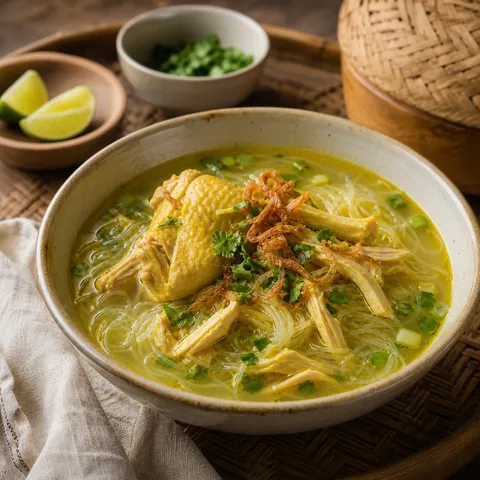 Indonesian & Malaysian Lens Verified Images are for illustrative purposes only, may be inaccurate, and do not guarantee the presence or absence of specific ingredients.
 Soto Ayam
A golden, turmeric-spiced Indonesian chicken soup with glass noodles, crispy shallots, and lime — light, herbal, and deeply comforting.
 Indonesian & Malaysian Lens Verified Images are for illustrative purposes only, may be inaccurate, and do not guarantee the presence or absence of specific ingredients.
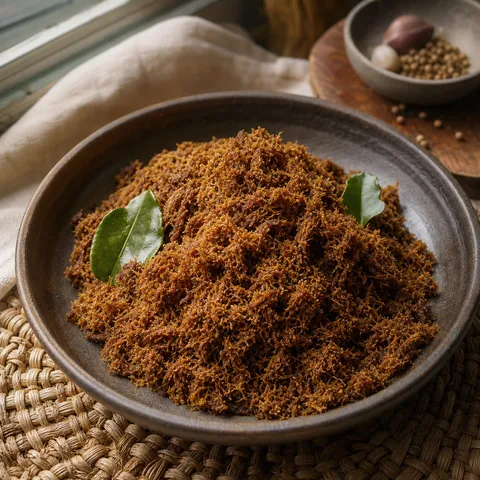
 Beef Serunding
Dry-fried spiced beef floss toasted with coconut and lemongrass until golden and fragrant — a rich, crumbly condiment that transforms plain rice.
 Indonesian & Malaysian Lens Verified Images are for illustrative purposes only, may be inaccurate, and do not guarantee the presence or absence of specific ingredients.
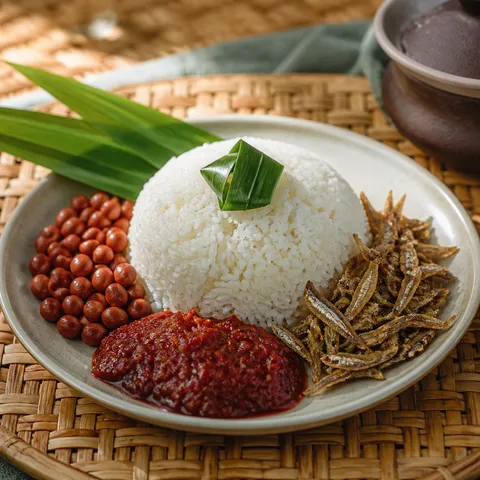
 Nasi Lemak
Malaysia's national comfort dish — fragrant coconut rice paired with sambal, crispy anchovies, roasted peanuts, and a soft-boiled egg.