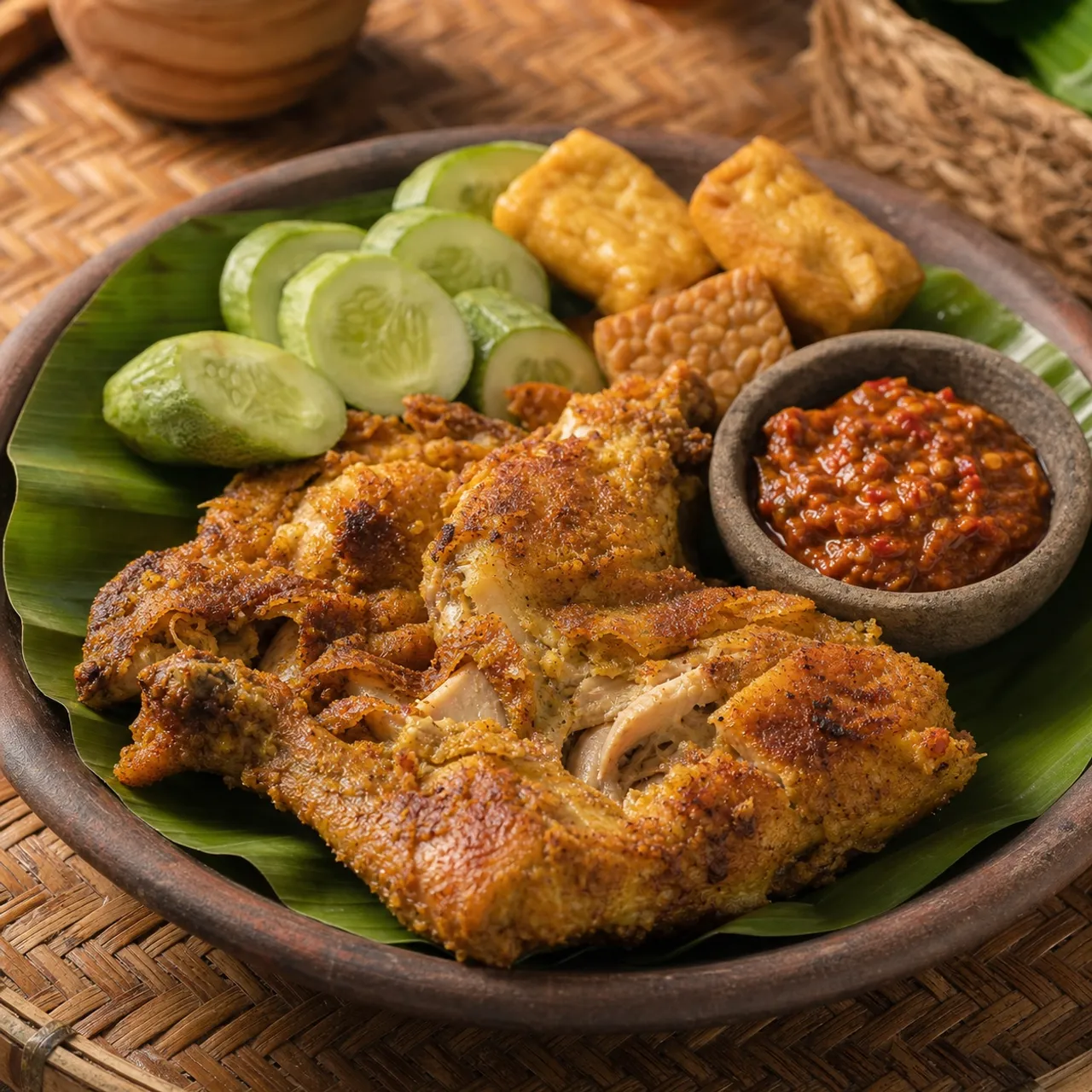
 Indonesian & Malaysian Images are for illustrative purposes only, may be inaccurate, and do not guarantee the presence or absence of specific ingredients.
 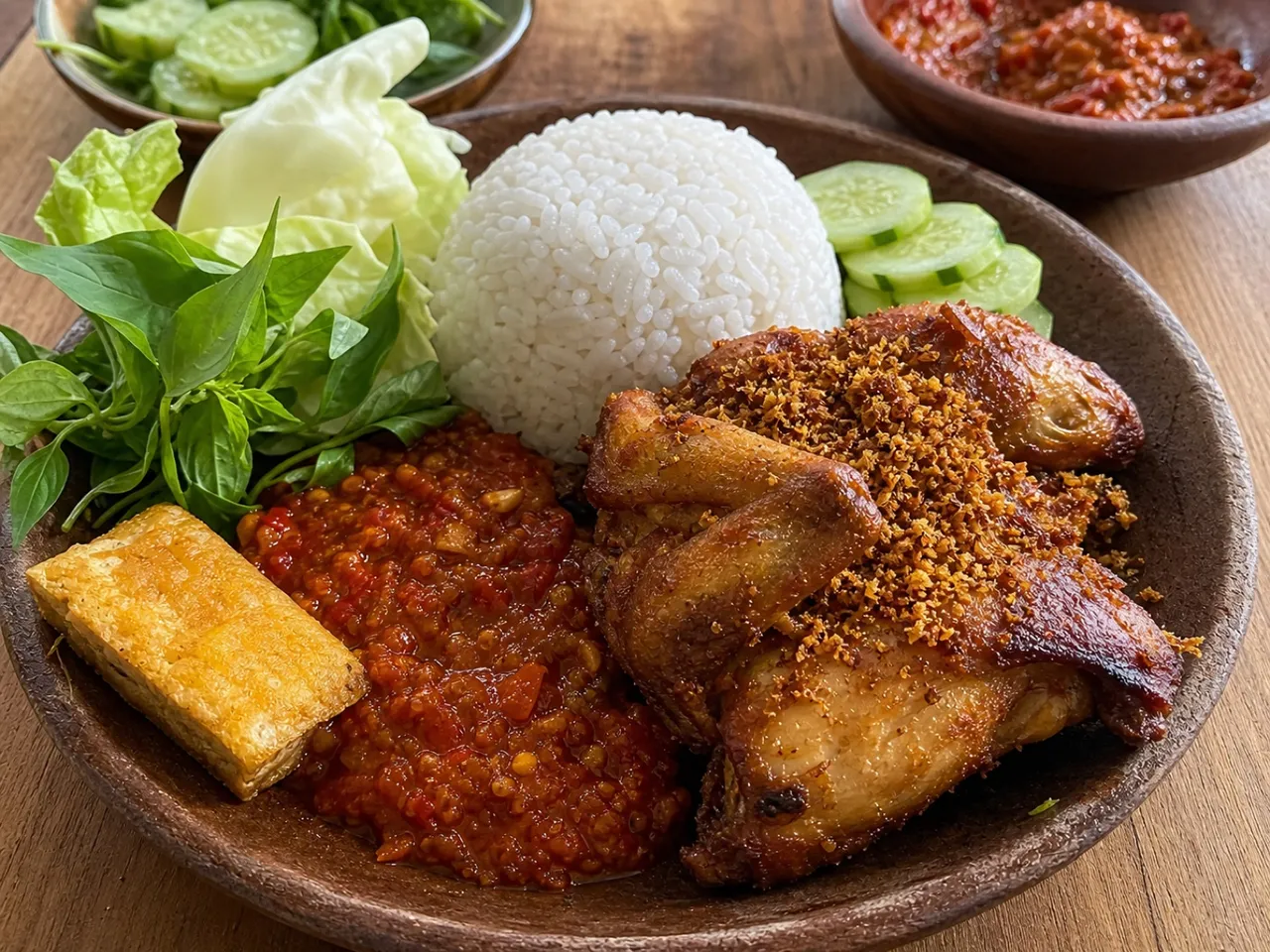 Serving Images are for illustrative purposes only, may be inaccurate, and do not guarantee the presence or absence of specific ingredients.
 Ayam Penyet
Fried chicken smashed with a pestle until juicy and tender, served on sambal with fresh cucumber — bold, crunchy, and addictively spicy.
Contains common allergens
In the app, Listahan checks these against your household automatically.
Good to know
- Crispy
Matched from this dish's own ingredients and timing. Browse more: crispy recipes
Instructions
6 steps- 1
Boil the chicken pieces with the turmeric-coriander spice paste and water until the chicken is fully cooked and tender (about 30 minutes).
- 2
Remove the chicken from the broth and let it air-dry slightly to ensure a crispy skin when frying.
- 3
Deep-fry the chicken in hot oil until the outside is golden brown and extremely crispy.
- 4
Place the hot fried chicken on a wooden mortar or cutting board.
- 5
Use a heavy pestle or meat mallet to smash the chicken firmly, flattening it to loosen the meat from the bone.
- 6
Smother the smashed chicken with a generous scoop of spicy sambal and serve with cucumber slices, fried tofu, and tempeh.
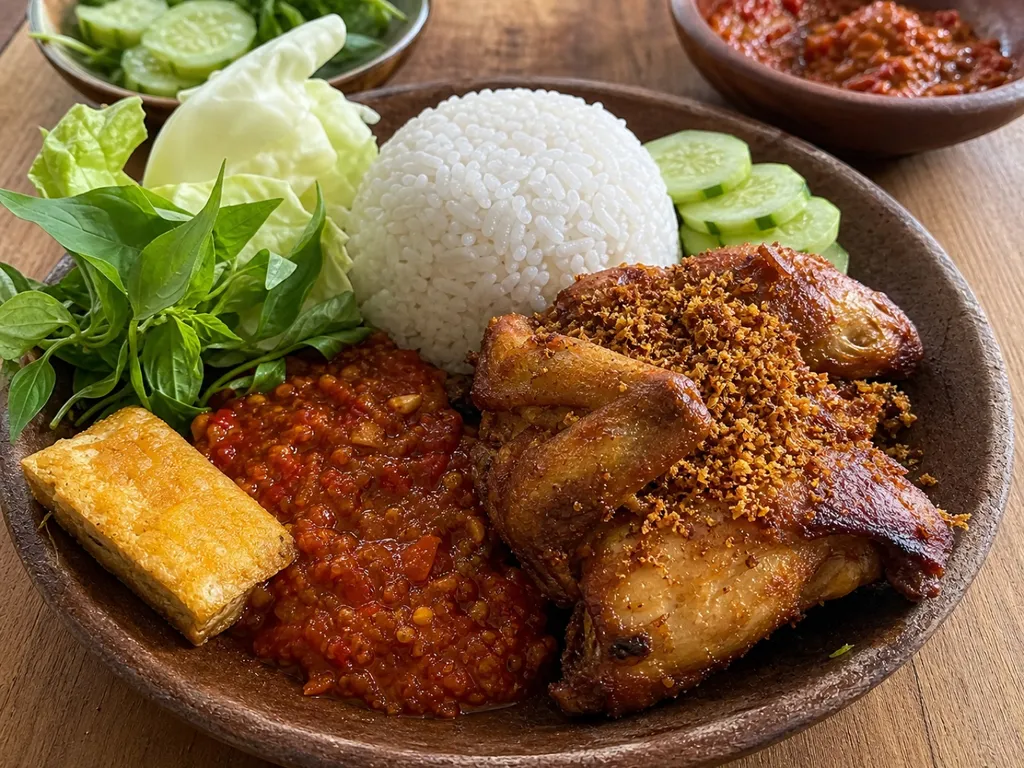 Images are for illustrative purposes only, may be inaccurate, and do not guarantee the presence or absence of specific ingredients.
 Listahan Family Score™
65/100
Works for many families
Score reflects how well this recipe fits a typical busy household. In the app, your Family Score is personalized to your household's allergens, kids, and pantry.
Nutrition
per serving75
Calories
1 g
Protein
8 g
Carbs
4 g
Fat
Estimated per serving. Actual values depend on the brands and portions you use.
Listahan cooking guide
Chef notes & practical guide
Technique notes, ingredient swaps, serve-alongside ideas, storage guidance, and equipment for this recipe.
Cultural context
Ayam penyet — 'smashed chicken' in Javanese — is a Surabayan street food that became a nationwide Indonesian phenomenon in the 1990s and 2000s when it spread from East Java through franchise restaurants across the country. The dish involves deep-frying spice-marinated chicken and then literally smashing it with a pestle into a bed of sambal on a stone mortar, so the chicken shatters and the sauce and meat intermingle. The distinctive shattering crunch is the defining characteristic that separates ayam penyet from other fried chicken preparations.
Listahan note
This version delivers the spice-marinated fried chicken and the fiery raw sambal that makes the dish work — the sambal should be freshly made and not cooked, providing a sharp heat that contrasts with the crispy fried exterior.
Technique cues
- Boil the chicken in the spice paste before frying — this two-stage technique ensures the spices penetrate deeply while the skin remains intact and crisps properly during frying rather than steaming off.
- Fry at a slightly lower temperature (325F) than most fried chicken to allow the spice marinade, which contains sugars from aromatics, to cook through without burning before the chicken is done inside.
- The sambal for ayam penyet is raw, not cooked — pound fresh chilies, shrimp paste, and garlic together into a rough paste to order so the heat is bright and sharp rather than rounded.
Kitchen flow
- Parallel prep
- Boil the chicken in the spice liquid and cool while you make the sambal; fry the cooled chicken while the sambal rests.
- Make-ahead
- The boiled, spice-infused chicken can be refrigerated for up to 2 days before frying — making it ideal for batch prep.
- Leftover move
- Leftover fried chicken can be shredded and mixed into nasi goreng or served over rice with the leftover sambal as a sauce.
- Cleanup rhythm
- Fry in a deep, narrow pot to minimize oil splatter; use the same pot used for boiling the chicken to reduce dishes.
Ingredient brief
Role, handling, and swap guidance for each key ingredient.
chicken leg quarters
main protein
Purpose: Leg quarters have enough fat and connective tissue to stay juicy through the two-stage cook and smashing step that would dry out breast meat.
Handling: Score the thigh with deep cuts so the boiling spice liquid penetrates the meat.
Adaptation: Bone-in chicken thighs are an easier-to-find alternative that work equally well.
turmeric
color and earthiness in marinade
Purpose: Turmeric gives the fried chicken its characteristic golden-yellow color and subtle earthy flavor.
Handling: Incorporate into the boiling spice liquid so it distributes evenly into the meat during the pre-fry boil.
Adaptation: Fresh turmeric root provides more intense color and flavor than dried; use twice the volume.
galangal
piney depth in marinade
Purpose: Galangal adds a resinous, slightly piney note that is a key part of Indonesian spice pastes.
Handling: Peel and slice thin; it will be blended into the spice paste.
Adaptation: Fresh ginger provides a hotter, less complex substitute.
fresh red chilies
heat in raw sambal
Purpose: The raw sambal requires fresh chilies for the bright, immediate heat that balances the rich fried chicken.
Handling: Use a mortar and pestle rather than a blender for the sambal — a rough texture is traditional and preferred.
Adaptation: Bird's eye chilies can replace regular red chilies for more heat; sambal oelek can substitute for the entire fresh sambal in a pinch.
Technique notes
- After smashing the chicken onto the sambal in the mortar, let it sit for 30 seconds so the heat from the chicken slightly softens the raw sambal aromatics and the flavors start to intermingle before eating.
- Pat the boiled chicken very dry with paper towels before frying — any surface moisture will cause violent oil splattering and prevent the skin from crisping.
- The shallot-based spice paste used for boiling produces a better result than powder-only marinades — the moisture content of fresh aromatics penetrates the meat during the pre-boil in a way that dried spices cannot.
Ingredient swaps
- Gluten-free direction
- The marinade uses rice flour or no flour at all. Check your sambal and any kecap manis, which are common wheat sources.
- Lower-heat direction
- Replace the raw bird's eye chilies with roasted red bell pepper plus a small amount of sambal oelek for color and manageable heat that works for families with children.
Serve alongside
- Steamed jasmine rice
- Sliced cucumber and tomato
- Tempeh goreng (fried tempeh)
- Iced teh manis (sweet iced tea)
- Fresh coconut water
Serving suggestions only — check pairings for your household's allergens.
Storage & reheating
- Fried ayam penyet is best eaten immediately; store leftover fried chicken refrigerated for up to 2 days and reheat in a 375F oven for 10 minutes to restore crispness.
- Raw sambal should be made fresh and used within 24 hours; it loses its sharp brightness after sitting.
Equipment
- Stone mortar and pestle for the sambal
- Large pot for boiling the chicken in spice liquid
- Deep frying pot and thermometer
Make this household-aware
Listahan Pro checks this recipe against your household's allergens, finds pantry-aware swaps, builds the shopping list, and helps you plan the week around it.
Plan it in Listahan
Add Ayam Penyet to your week, check it against your household's allergens, and build the shopping list automatically.
More Indonesian & Malaysian recipes
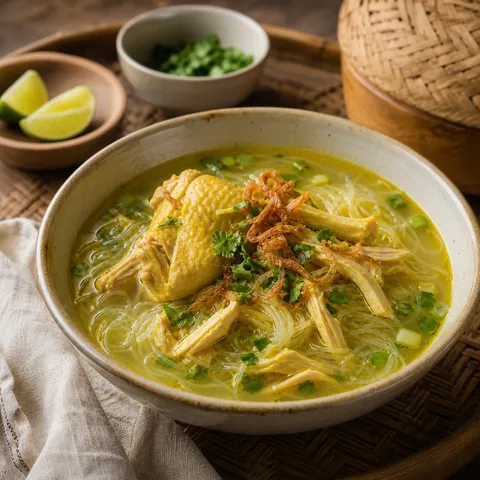 Indonesian & Malaysian Lens Verified Images are for illustrative purposes only, may be inaccurate, and do not guarantee the presence or absence of specific ingredients.
 Soto Ayam
A golden, turmeric-spiced Indonesian chicken soup with glass noodles, crispy shallots, and lime — light, herbal, and deeply comforting.
 Indonesian & Malaysian Lens Verified Images are for illustrative purposes only, may be inaccurate, and do not guarantee the presence or absence of specific ingredients.
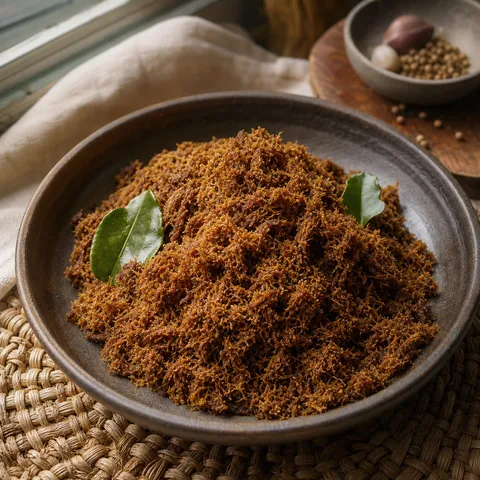
 Beef Serunding
Dry-fried spiced beef floss toasted with coconut and lemongrass until golden and fragrant — a rich, crumbly condiment that transforms plain rice.
 Indonesian & Malaysian Lens Verified Images are for illustrative purposes only, may be inaccurate, and do not guarantee the presence or absence of specific ingredients.
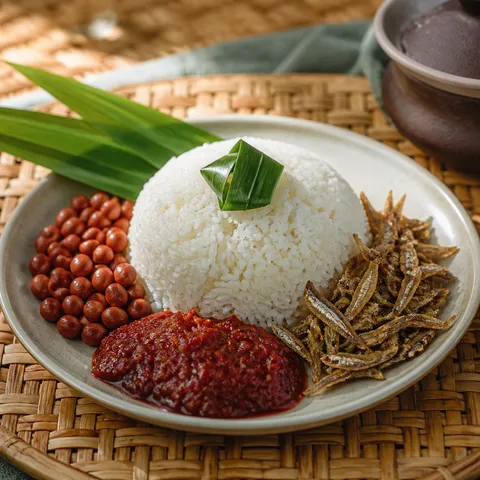
 Nasi Lemak
Malaysia's national comfort dish — fragrant coconut rice paired with sambal, crispy anchovies, roasted peanuts, and a soft-boiled egg.