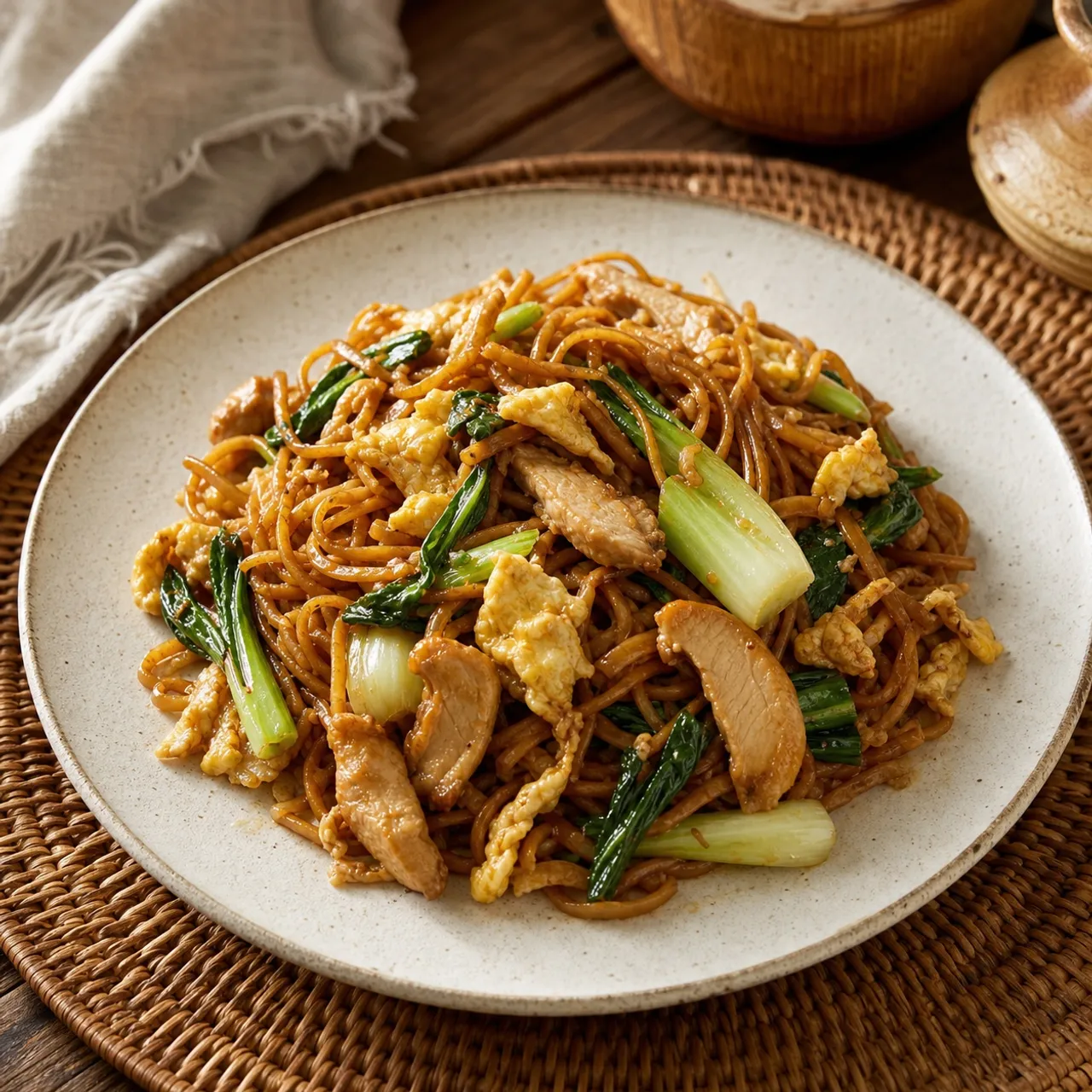
 Indonesian & Malaysian Images are for illustrative purposes only, may be inaccurate, and do not guarantee the presence or absence of specific ingredients.
 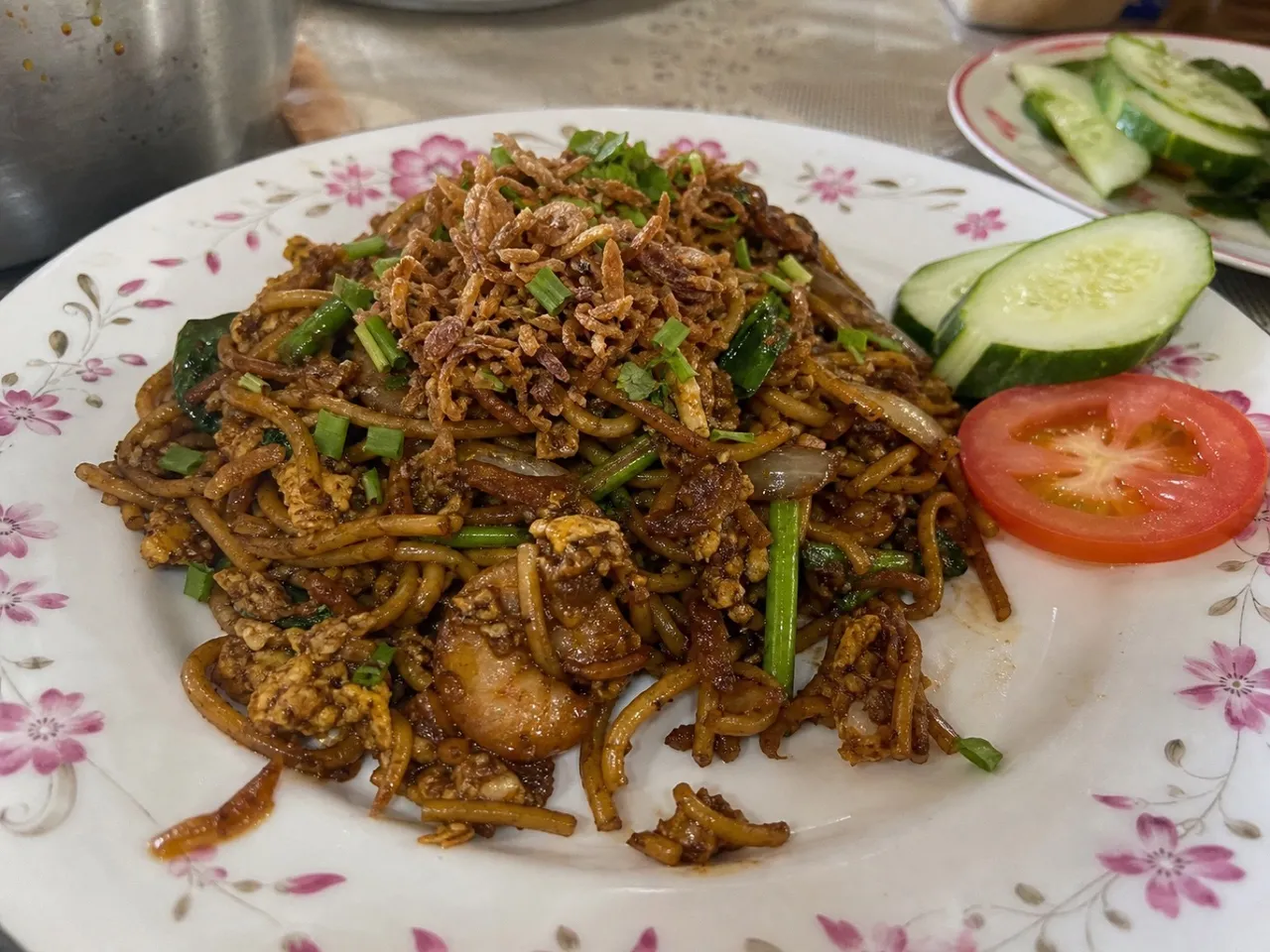 Serving Images are for illustrative purposes only, may be inaccurate, and do not guarantee the presence or absence of specific ingredients.
 Mee Goreng
Wok-tossed yellow noodles in a bold, spiced tomato-and-chili sauce with egg, tofu, and tender shrimp — street food at its most satisfying.
Contains common allergens
In the app, Listahan checks these against your household automatically.
Good to know
- Ready in under 30 minutes
Matched from this dish's own ingredients and timing. Browse more: 30-minute meals
Instructions
6 steps- 1
Blanch the yellow noodles briefly in boiling water to loosen them, then drain immediately.
- 2
Heat a wok over high heat with a little oil and scramble the eggs, then push them to one side.
- 3
Add the sliced chicken and stir-fry until cooked through (about 3 minutes).
- 4
Toss in the chopped bok choy and cook for 1 minute until slightly wilted.
- 5
Add the noodles, sweet soy sauce, and regular soy sauce to the wok.
- 6
Toss vigorously for 2-3 minutes until the noodles are evenly coated, slightly charred, and piping hot.
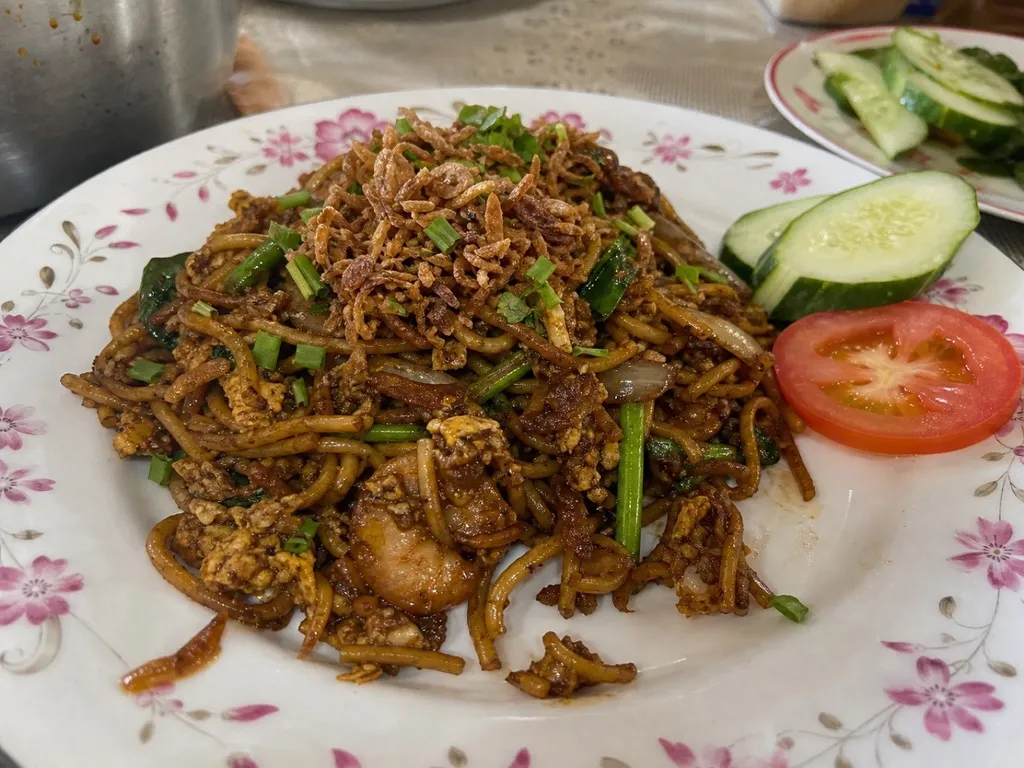 Images are for illustrative purposes only, may be inaccurate, and do not guarantee the presence or absence of specific ingredients.
 Listahan Family Score™
78/100
Good fit for most families
Score reflects how well this recipe fits a typical busy household. In the app, your Family Score is personalized to your household's allergens, kids, and pantry.
Nutrition
per serving485
Calories
29 g
Protein
77 g
Carbs
6 g
Fat
Estimated per serving. Actual values depend on the brands and portions you use.
Listahan cooking guide
Chef notes & practical guide
Technique notes, ingredient swaps, serve-alongside ideas, storage guidance, and equipment for this recipe.
Cultural context
Mee goreng — fried noodles — is one of the most popular street foods across Malaysia, Singapore, and Indonesia, with distinct regional variations. The Malaysian Mamak-style version, developed by Tamil Muslim immigrant communities, is distinguished by its vivid orange-red sauce made from tomatoes, ketchup, and chili, which sets it apart from the darker soy-based Indonesian versions. Hawker centers throughout Malaysia serve mee goreng Mamak on demand from roaring woks as a late-night staple.
Listahan note
This version follows the Mamak hawker approach — using fresh yellow egg noodles and the signature tomato-chili sauce that gives this style its characteristic sticky orange color and tangy heat.
Technique cues
- Work in small portions even in a home kitchen: frying too many noodles at once drops the wok temperature and the noodles steam rather than fry, resulting in a clumped, soggy texture instead of separated strands.
- Add the egg by pushing the noodles to the sides of the wok, scrambling the egg in the center until 80 percent set, then folding the noodles back over it — this creates eggy strands throughout the noodles rather than a solid omelette layer.
- The tomato-ketchup sauce should be added when the wok is at full heat so it sizzles on contact and caramelizes slightly at the edges before being tossed through — this step creates the slightly sticky coating that distinguishes mee goreng from a plain stir-fry.
Kitchen flow
- Parallel prep
- Mix the sauce, slice all vegetables, and fry the tofu before heating the wok — everything must be ready since the cook takes under 5 minutes.
- Make-ahead
- The sauce can be mixed and refrigerated up to 3 days ahead; blanched noodles can be oiled and refrigerated up to a day in advance.
- Leftover move
- Cold leftover mee goreng can be reheated in a hot skillet with a splash of water and a fresh egg scrambled in — it refreshes quickly and tastes nearly as good as fresh.
- Cleanup rhythm
- Have a bowl of hot soapy water ready and soak the wok immediately after plating — the sugary sauce in ketchup and chili sauce carbonizes fast if left.
Ingredient brief
Role, handling, and swap guidance for each key ingredient.
fresh yellow egg noodles
noodle base
Purpose: Fresh egg noodles absorb the sauce and develop a light char on the outside more readily than dried noodles.
Handling: Blanch briefly in boiling water to separate strands if they are clumped, drain, and toss with a drop of oil to prevent sticking.
Adaptation: Thick dried ramen noodles, soaked and drained, can substitute; expect a slightly chewier texture.
tomato ketchup
sauce color and acidity
Purpose: Ketchup is the authentic source of the orange color and gentle tomato tang that makes Mamak-style mee goreng immediately recognizable.
Handling: Combine with chili sauce and soy sauce into a premixed sauce bowl before starting to cook — the wok moves too fast to measure individual sauces during cooking.
Adaptation: Tomato paste with a bit of sugar and rice vinegar can replace ketchup; the color will be deeper and the flavor more concentrated.
firm tofu
protein component
Purpose: Fried tofu adds protein and absorbs the sauce without breaking down during the high-heat toss.
Handling: Cut into small cubes and fry until golden in a separate pan before adding to the wok so they crisp up rather than steam.
Adaptation: Shrimp or sliced chicken thigh can replace tofu; cook the protein first before adding the aromatics.
bean sprouts
crunchy texture
Purpose: Bean sprouts add a fresh crunch that contrasts with the soft noodles and are added at the very last moment to preserve their texture.
Handling: Add in the final 30 seconds of cooking — any longer and they go limp and release too much water.
Adaptation: Julienned cabbage can add similar crunch if bean sprouts are unavailable.
Technique notes
- The biggest mistake in home wok cooking is an underpowered burner — preheat the wok empty until it just begins to smoke before adding oil, which brings the cooking surface as close to hawker-stall temperatures as possible.
- Potato starch is sometimes stirred into the sauce mixture to help it cling to the noodles rather than pooling at the bottom of the plate.
- A squeeze of lime over the finished dish just before eating brightens all the flavors and cuts through the richness of the egg and sauce.
Ingredient swaps
- Gluten-free direction
- Use rice noodles or glass noodles and replace soy sauce with tamari; most ketchup is gluten-free but check the label.
- Vegan direction
- Omit the egg and use extra tofu or tempeh; replace shrimp paste with miso for the fermented depth.
Serve alongside
- Sliced red chili with soy sauce for dipping
- Fried chicken wings
- Achar (sweet pickled vegetables)
- Iced teh tarik
- Cold young coconut water
Serving suggestions only — check pairings for your household's allergens.
Storage & reheating
- Mee goreng is best eaten immediately and does not hold well for more than a few hours as the noodles continue absorbing the sauce and become soft.
- Refrigerate leftovers for up to 1 day and reheat in a very hot skillet with a teaspoon of oil to revive some of the texture.
Equipment
- Carbon steel wok or large heavy skillet
- High-heat capable burner (gas preferred)
- Wok spatula or large tongs for tossing
Make this household-aware
Listahan Pro checks this recipe against your household's allergens, finds pantry-aware swaps, builds the shopping list, and helps you plan the week around it.
Plan it in Listahan
Add Mee Goreng to your week, check it against your household's allergens, and build the shopping list automatically.
More Indonesian & Malaysian recipes
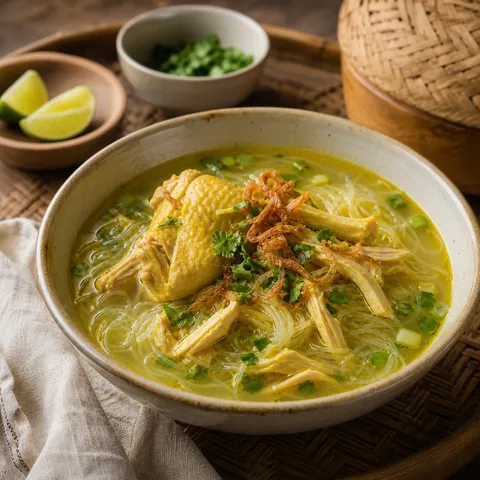 Indonesian & Malaysian Lens Verified Images are for illustrative purposes only, may be inaccurate, and do not guarantee the presence or absence of specific ingredients.
 Soto Ayam
A golden, turmeric-spiced Indonesian chicken soup with glass noodles, crispy shallots, and lime — light, herbal, and deeply comforting.
 Indonesian & Malaysian Lens Verified Images are for illustrative purposes only, may be inaccurate, and do not guarantee the presence or absence of specific ingredients.
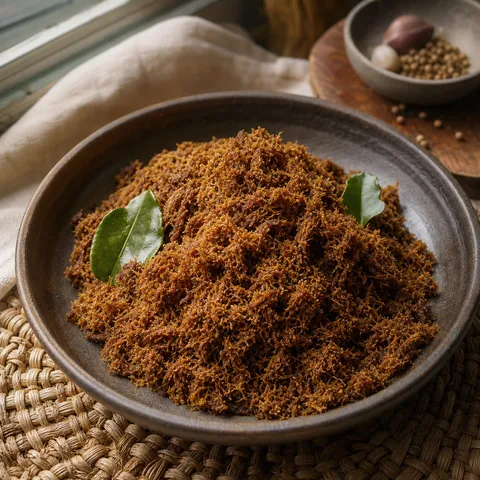
 Beef Serunding
Dry-fried spiced beef floss toasted with coconut and lemongrass until golden and fragrant — a rich, crumbly condiment that transforms plain rice.
 Indonesian & Malaysian Lens Verified Images are for illustrative purposes only, may be inaccurate, and do not guarantee the presence or absence of specific ingredients.
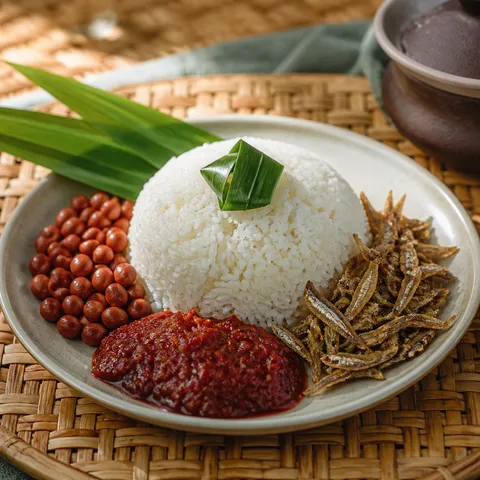
 Nasi Lemak
Malaysia's national comfort dish — fragrant coconut rice paired with sambal, crispy anchovies, roasted peanuts, and a soft-boiled egg.