 Italian Images are for illustrative purposes only, may be inaccurate, and do not guarantee the presence or absence of specific ingredients.
  Serving Images are for illustrative purposes only, may be inaccurate, and do not guarantee the presence or absence of specific ingredients.
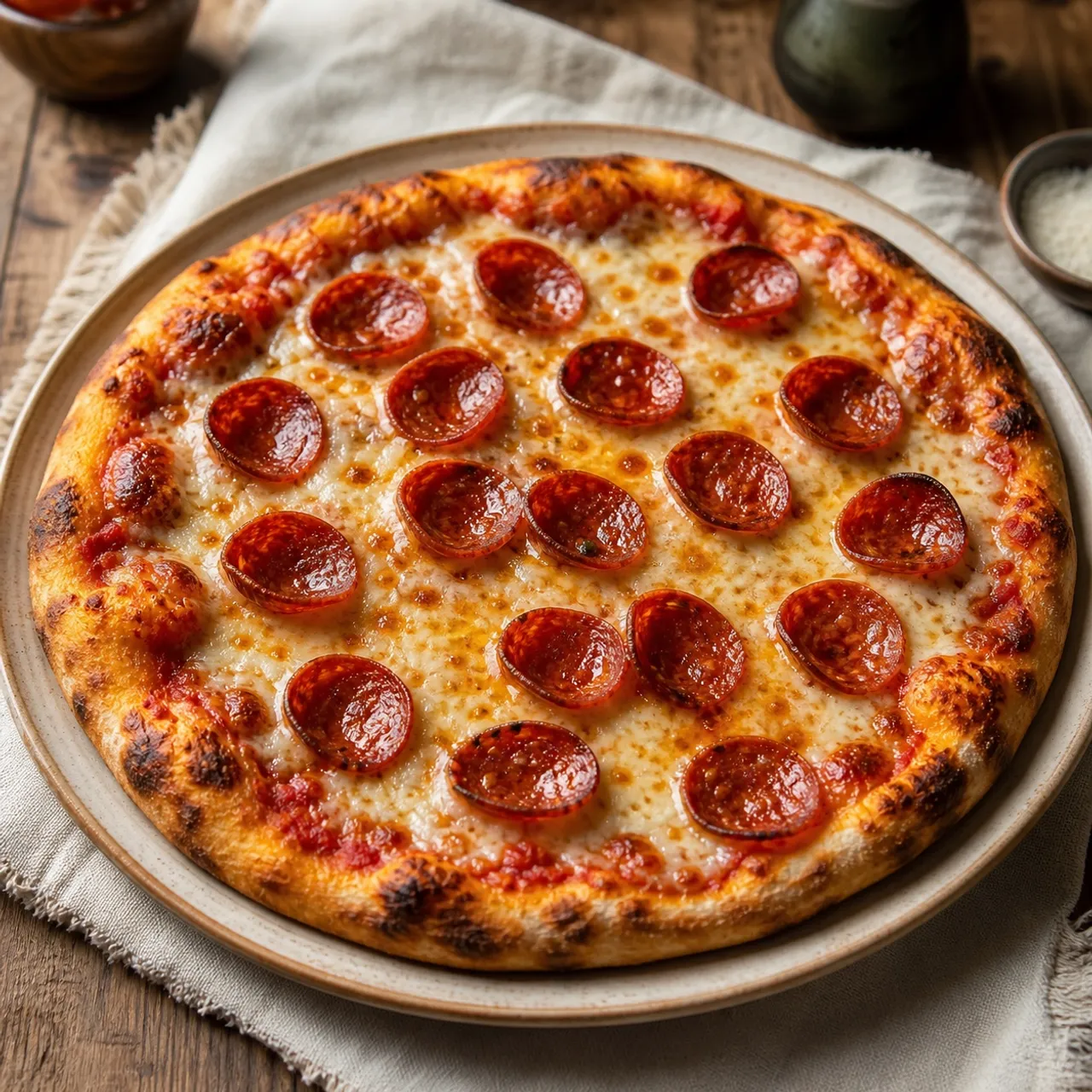
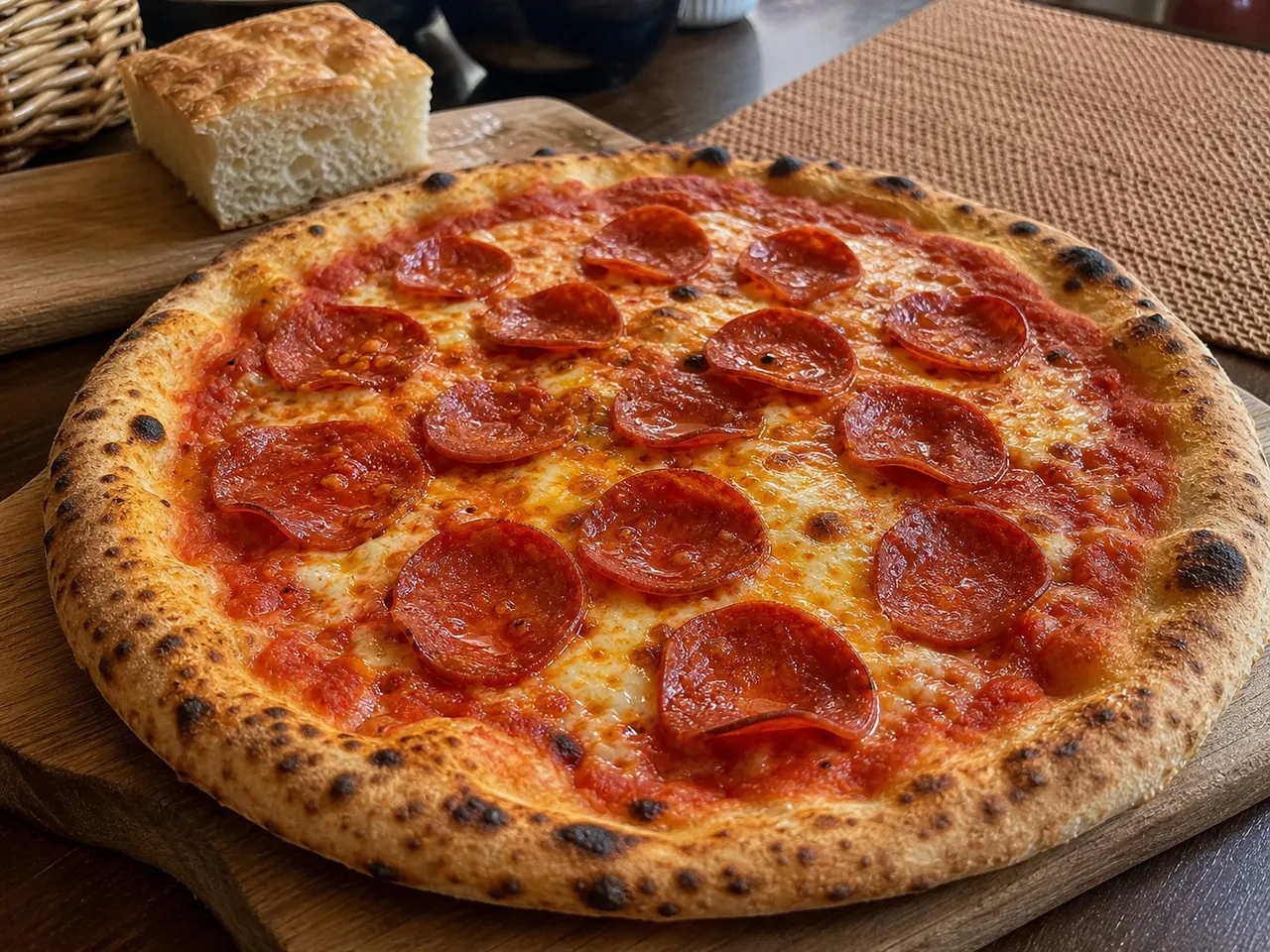
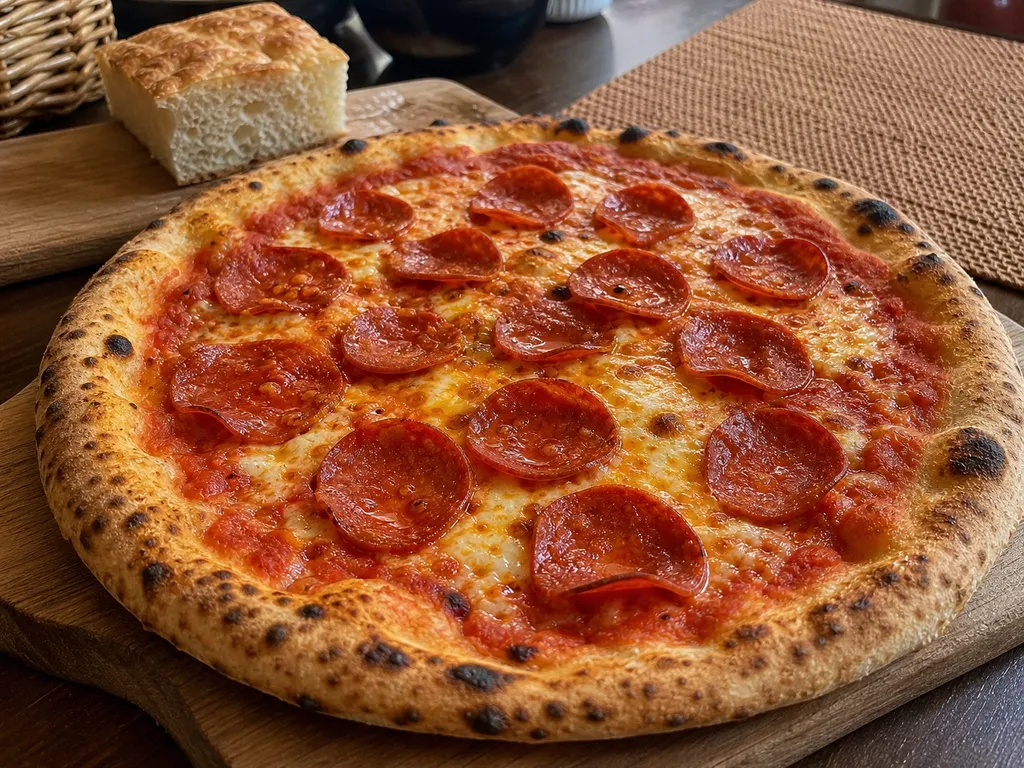
 Pepperoni Pizza (Pizza alla Diavola)
A crisp-crust pizza blanketed with mozzarella and spicy pepperoni.
Contains common allergens
In the app, Listahan checks these against your household automatically.
Good to know
- Crispy
- Ready in under 30 minutes
Matched from this dish's own ingredients and timing. Browse more: crispy recipes30-minute meals
Instructions
6 steps- 1
Preheat: Heat the oven (with a pizza stone or steel if you have one) to its highest setting, around 250°C (480°F).
- 2
Stretch the Dough: Stretch the dough into a round on a floured surface, keeping a slightly thicker rim.
- 3
Sauce and Cheese: Spread a thin layer of tomato sauce, scatter the mozzarella cheese, and arrange the pepperoni on top.
- 4
Season: Add a pinch of oregano and a drizzle of olive oil.
- 5
Bake: Bake for 8-12 minutes until the crust is blistered and the pepperoni edges are crisp and cupped.
- 6
Serve: Finish with fresh basil if using, slice, and serve hot.
 Images are for illustrative purposes only, may be inaccurate, and do not guarantee the presence or absence of specific ingredients.
 Listahan Family Score™
69/100
Works for many families
Score reflects how well this recipe fits a typical busy household. In the app, your Family Score is personalized to your household's allergens, kids, and pantry.
Nutrition
per serving260
Calories
15 g
Protein
3 g
Carbs
20 g
Fat
Estimated per serving. Actual values depend on the brands and portions you use.
Listahan cooking guide
Chef notes & practical guide
Technique notes, ingredient swaps, serve-alongside ideas, storage guidance, and equipment for this recipe.
Cultural context
Pizza alla Diavola ('devil's pizza') is the Italian predecessor to what became the American pepperoni pizza. It uses spicy salami or Calabrian soppressata rather than the milder cured sausage that Italian-American butchers created for the North American market. Pepperoni as we know it was developed by Italian immigrants in the early 20th century as a shelf-stable blend of pork and beef seasoned to suit American tastes; it became the most popular pizza topping in the United States by the 1960s.
Listahan note
This version cups the pepperoni by using thin-sliced whole muscle pepperoni and baking on a screaming-hot surface — the edges curl up and crisp, creating little pools of orange-red fat.
Technique cues
- Use natural casing pepperoni sliced thin (about 1/16 inch) rather than the pre-sliced deli kind; natural casing slices curl into cups when exposed to oven heat and hold rendered fat inside, intensifying flavor.
- Spread the tomato sauce in a thin, even layer and stop about an inch from the edge; a thick sauce layer prevents the cheese from browning and makes the crust steamy instead of crisp.
- Bake on the highest rack with the broiler engaged for the last 60 to 90 seconds if you want the cheese to blister and the pepperoni tips to char slightly, replicating a wood-fired result.
Kitchen flow
- Parallel prep
- Preheat the oven and baking stone or steel to 500 F or higher at least 45 minutes before baking. Prep the sauce, shred the cheese, and portion the dough while the oven heats.
- Make-ahead
- Dough balls can be made 2 to 3 days ahead and cold-fermented in the refrigerator, developing more flavor each day. Sauce keeps refrigerated for a week.
- Leftover move
- Reheat slices in a dry skillet over medium heat with a lid for 2 to 3 minutes — this re-crisps the bottom without drying the top, far better than microwaving.
- Cleanup rhythm
- A baking steel stays in the oven and rarely needs cleaning beyond a brush. Line the pizza peel with cornmeal or parchment to prevent sticking and easy sliding.
Ingredient brief
Role, handling, and swap guidance for each key ingredient.
pizza dough
foundation
Purpose: A properly fermented dough develops a complex, slightly chewy crust that stands up to the rich toppings.
Handling: Stretch by hand on a lightly floured surface rather than rolling; rolling compresses the bubbles that form the open crumb.
Adaptation: Store-bought fresh dough works well; avoid the shelf-stable tubed doughs which bake up biscuit-like.
crushed San Marzano tomatoes
sauce base
Purpose: San Marzanos have lower acidity and more natural sweetness than standard canned tomatoes, giving a sauce that does not need much cooking.
Handling: Season with salt, a pinch of sugar, and dried oregano; no cooking required for a fresh pizza sauce.
Adaptation: High-quality domestic whole peeled tomatoes crushed by hand are a fine substitute.
whole-milk low-moisture mozzarella
melting cheese
Purpose: Whole-milk mozzarella melts into puddles with golden-brown blisters; part-skim stays white and stretchy but lacks the same richness.
Handling: Shred from a block; toss with a pinch of salt and let it air-dry on paper towels for 15 minutes if the shreds feel wet.
Adaptation: A blend of mozzarella and provolone adds a sharper flavor layer.
pepperoni
defining topping
Purpose: The rendered fat colors the cheese orange-red and distributes the spiced, smoky flavor across every slice.
Handling: Slice thinly if buying a stick; arrange in a single layer over the cheese so each slice can curl independently.
Adaptation: Hot sopressata or Calabrian salami for a spicier, more Italian-style version.
Technique notes
- The single biggest upgrade in home pizza is a fully preheated baking steel or stone; launching a pizza onto a room-temperature pan is the primary reason homemade pizza tastes bready instead of crispy.
- Do not overload the pizza — 4 ounces of cheese and 20 to 25 pepperoni slices on a 12-inch pie is the right ratio; more topping means more steam, which softens the crust.
- If the pepperoni is not cupping and crisping, your oven is not hot enough; crank to maximum temperature and let the steel preheat for a full 45 to 60 minutes.
Ingredient swaps
- Gluten-free direction
- Use a gluten-free pizza crust (par-baked rounds work well for home ovens); top and bake as directed, reducing bake time by 2 to 3 minutes.
- Dairy-free direction
- Vegan mozzarella shreds melt acceptably; add them in the last 4 to 5 minutes of baking as they scorch faster than dairy cheese.
- Lower-sodium direction
- Use a reduced-sodium mozzarella and skip salting the sauce; pepperoni is inherently salty so the dish needs less added sodium than you might expect.
Serve alongside
- Garlic knots with marinara
- Fennel and citrus salad
- Antipasto platter with olives and roasted peppers
- Peroni or Moretti lager
- Montepulciano d'Abruzzo
- Classic Coca-Cola (the American pairing that made this dish iconic)
Serving suggestions only — check pairings for your household's allergens.
Storage & reheating
- Store leftover slices refrigerated in a flat container or stacked with parchment between them for up to 3 days.
- Freeze baked slices individually on a tray, then transfer to a zip bag for up to 2 months; reheat directly in a 400 F oven for 8 to 10 minutes from frozen.
Equipment
- Baking steel or pizza stone preheated at maximum oven temperature for at least 45 minutes
- Pizza peel (wood or metal) dusted with semolina for launching without sticking
- Pizza cutter with a sharp wheel for clean slices
Make this household-aware
Listahan Pro checks this recipe against your household's allergens, finds pantry-aware swaps, builds the shopping list, and helps you plan the week around it.
Plan it in Listahan
Add Pepperoni Pizza (Pizza alla Diavola) to your week, check it against your household's allergens, and build the shopping list automatically.
More Italian recipes
 Italian Lens Verified Images are for illustrative purposes only, may be inaccurate, and do not guarantee the presence or absence of specific ingredients.
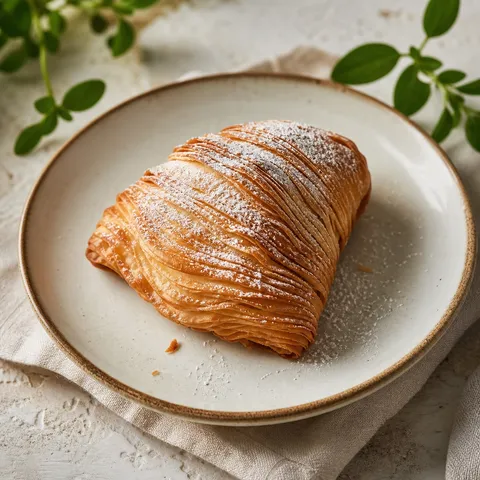
 Sfogliatella
Naples' iconic shell-shaped pastry with crisp, flaky layers wrapped around a sweet ricotta-semolina filling.
 Italian Lens Verified Images are for illustrative purposes only, may be inaccurate, and do not guarantee the presence or absence of specific ingredients.
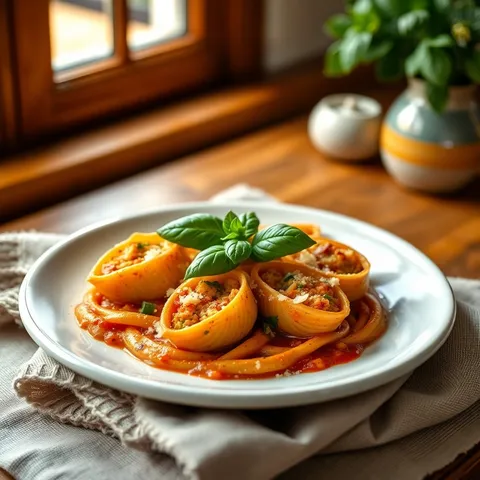
 Stuffed Shells (Conchiglioni Ripieni)
Jumbo pasta shells filled with a creamy ricotta-spinach mixture and baked in tomato sauce.
 Italian Lens Verified Images are for illustrative purposes only, may be inaccurate, and do not guarantee the presence or absence of specific ingredients.
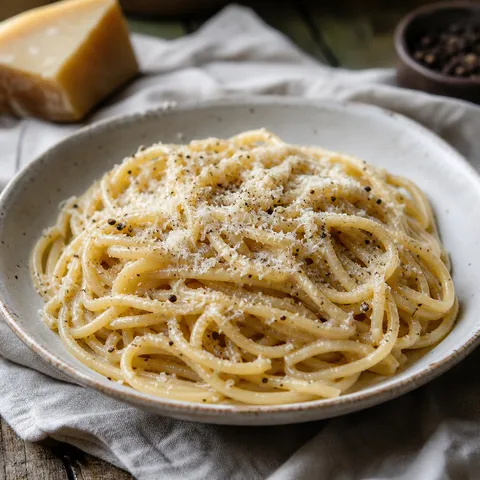
 Cacio e Pepe
A minimalist Roman pasta dish literally meaning "cheese and pepper."