 Japanese Images are for illustrative purposes only, may be inaccurate, and do not guarantee the presence or absence of specific ingredients.
 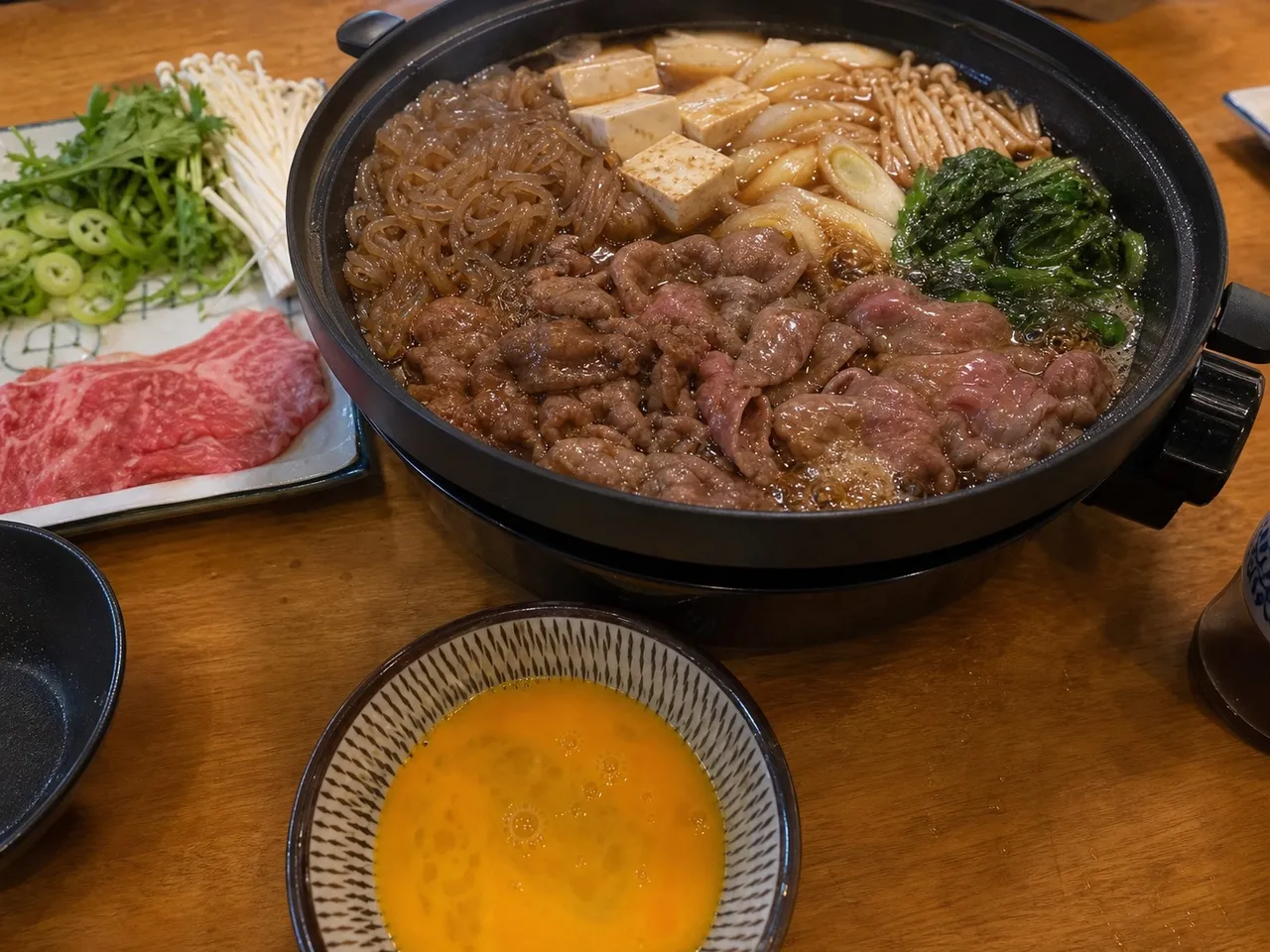 Serving Images are for illustrative purposes only, may be inaccurate, and do not guarantee the presence or absence of specific ingredients.
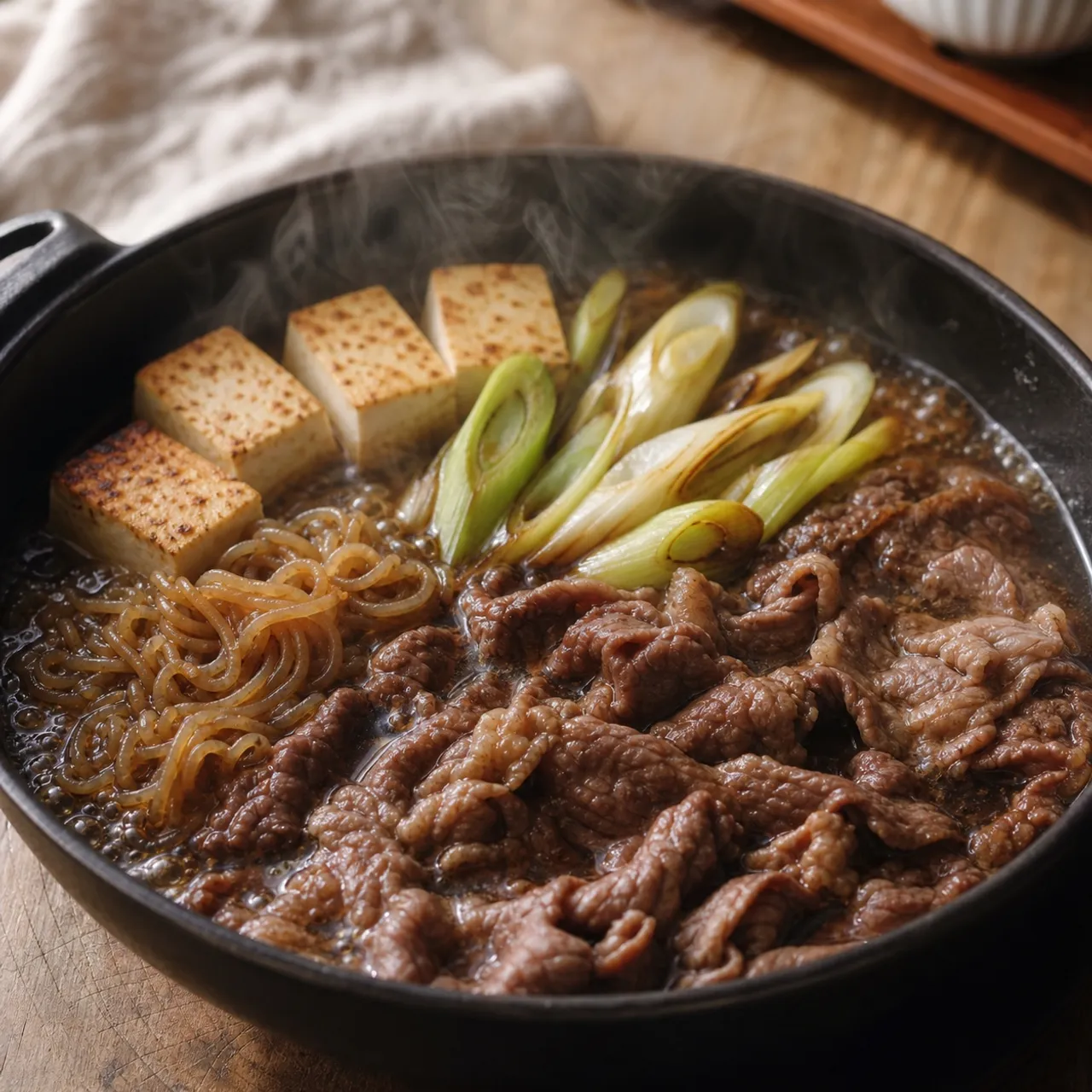
 Sukiyaki
A hot pot dish with thinly sliced beef and vegetables simmered in a sweet soy broth.
Contains common allergens
In the app, Listahan checks these against your household automatically.
Good to know
- Ready in under 30 minutes
Matched from this dish's own ingredients and timing. Browse more: 30-minute meals
Instructions
6 steps- 1
Prepare the warishita (sauce) by mixing soy sauce, mirin, and sugar in a pitcher. Parboil the shirataki noodles for 2 minutes to remove any odor and drain well.
- 2
Heat a cast-iron sukiyaki pan or shallow skillet over a tabletop burner. Melt a piece of beef fat to grease the pan.
- 3
Sear 3-4 slices of the beef for 10 seconds per side until slightly browned, then pour in a splash of the warishita sauce to caramelize the meat.
- 4
Push the meat to one side and neatly arrange the tofu, negi, shirataki noodles, and other vegetables in separate sections of the pan. (Keep noodles away from the meat as the calcium can toughen the beef).
- 5
Pour the remaining warishita into the pan and let everything simmer gently for 5-7 minutes.
- 6
Give each guest a small bowl with a beaten raw egg. Diners pick out pieces of hot, cooked food directly from the pan and dip them briefly into the cold egg before eating.
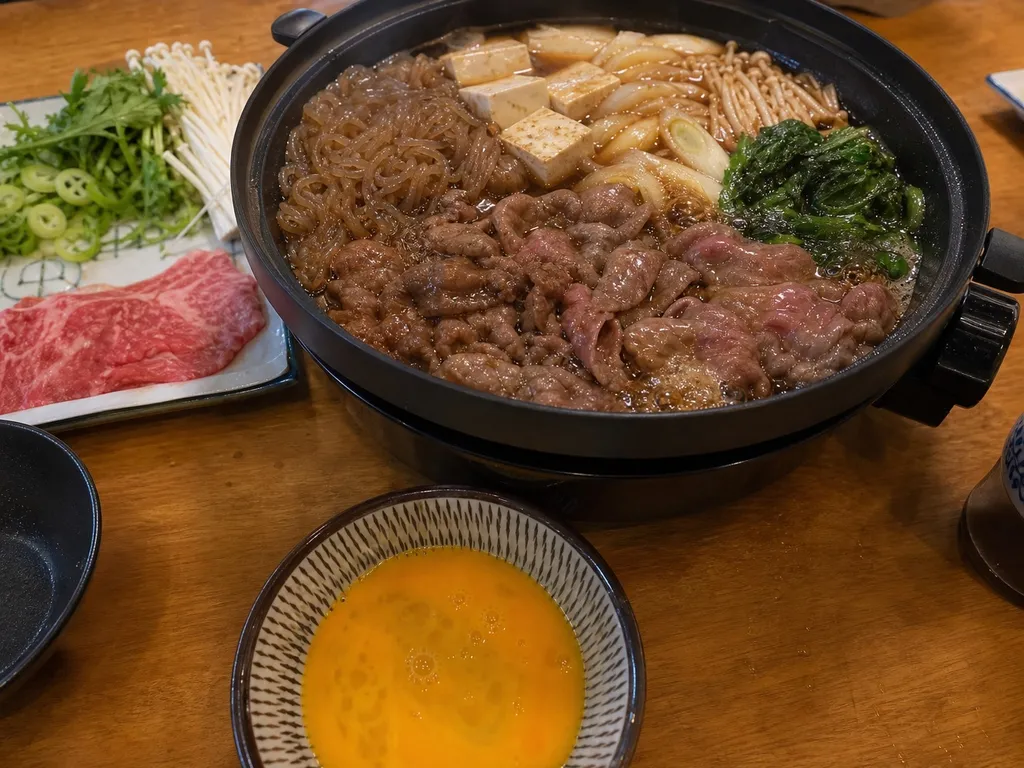 Images are for illustrative purposes only, may be inaccurate, and do not guarantee the presence or absence of specific ingredients.
 Listahan Family Score™
63/100
Works for many families
Score reflects how well this recipe fits a typical busy household. In the app, your Family Score is personalized to your household's allergens, kids, and pantry.
Nutrition
per serving220
Calories
9 g
Protein
31 g
Carbs
5 g
Fat
Estimated per serving. Actual values depend on the brands and portions you use.
Listahan cooking guide
Chef notes & practical guide
Technique notes, ingredient swaps, serve-alongside ideas, storage guidance, and equipment for this recipe.
Cultural context
Sukiyaki is a communal hot pot of thinly sliced beef and vegetables simmered tableside in a sweet soy warishita sauce, then dipped in raw egg before eating. It became a celebratory dish as beef entered the Japanese diet in the late 1800s, and it is still a gathering meal cooked in one shared pan.
Listahan note
This version makes the warishita from three pantry ingredients and cooks Kanto-style, simmering everything in the sauce, with notes on the small rules that keep the beef tender.
Technique cues
- Sear a few slices of beef and hit them with a splash of warishita to caramelize before the pot fills with sauce; that first browning sets the flavor.
- Keep the shirataki noodles away from the beef in the pan; the calcium in them can toughen the meat.
- Cook in small rounds tableside rather than dumping everything in at once, so nothing overcooks in the simmering sauce.
Kitchen flow
- Parallel prep
- Mix the warishita, arrange the raw beef and vegetables on platters, and parboil the shirataki before anyone sits down.
- Make-ahead
- The warishita keeps for a week refrigerated; slice and plate the raw components shortly before cooking.
- Leftover move
- Simmer leftover sukiyaki with rice and beaten egg the next morning to make a savory rice porridge.
- Cleanup rhythm
- Soak the pan right away; the sweet warishita caramelizes hard onto cast iron.
Ingredient brief
Role, handling, and swap guidance for each key ingredient.
Marbled beef, sliced paper-thin
The centerpiece
Purpose: Thin, well-marbled slices cook in seconds and stay tender and rich.
Handling: Sear briefly, then simmer just until no longer pink.
Adaptation: Thinly sliced ribeye or sirloin; pork works for a different but tasty pot.
Warishita (soy, mirin, sugar)
The sweet-savory broth
Purpose: This three-part sauce is the defining flavor of sukiyaki.
Handling: Mix in a pitcher so you can add it in stages as the pan cooks down.
Adaptation: Use tamari for gluten-free; adjust sugar to taste.
Firm tofu
Soft protein
Purpose: Broiled tofu soaks up the warishita and holds its shape in the simmer.
Handling: Broil or sear it first so it does not crumble.
Adaptation: Grilled tofu or fried tofu puffs work well.
Tokyo negi (leek)
Sweet aromatic
Purpose: Bias-cut leek turns silky and sweet in the sauce.
Handling: Slice on a bias and add to the pan to simmer.
Adaptation: Regular leek or large scallion works.
Raw egg dip
The signature finish
Purpose: Hot food dipped in cold beaten egg cools it and adds a silky, rich coating.
Handling: Give each diner a small bowl of beaten egg; use pasteurized eggs for safety.
Adaptation: Skip the egg dip, or use a pasteurized egg product, if raw egg is a concern.
Technique notes
- Use pasteurized eggs for the raw dip, since the egg is not cooked.
- Add warishita in stages; the sauce concentrates as it cooks, so a steady top-up keeps it balanced.
- Eat in rounds straight from the pan rather than letting it all simmer; sukiyaki is meant to be cooked as you go.
Ingredient swaps
- Gluten-free direction
- Make the warishita with tamari and confirm the mirin is gluten-free.
- Raw-egg-free direction
- Skip the egg dip or use a pasteurized egg product; the simmered food is delicious on its own.
- Lighter direction
- Lean on tofu, mushrooms, and greens with a smaller amount of beef.
Serve alongside
- Steamed rice
- Japanese pickles
- Spinach with sesame
- Miso soup
- Warm or chilled sake
- Green tea
- Barley tea
Serving suggestions only — check pairings for your household's allergens.
Storage & reheating
- Refrigerate cooked sukiyaki up to 2 days; store the raw egg dip separately and never reuse it.
- Reheat gently on the stove, adding a splash of dashi or water to loosen the sauce.
- Freezing is not recommended; the tofu and thin beef change texture.
Equipment
- Cast-iron sukiyaki pan or shallow skillet
- Tabletop burner (optional)
- Pitcher for the warishita
- Small bowls for the egg dip
Make this household-aware
Listahan Pro checks this recipe against your household's allergens, finds pantry-aware swaps, builds the shopping list, and helps you plan the week around it.
Plan it in Listahan
Add Sukiyaki to your week, check it against your household's allergens, and build the shopping list automatically.
More Japanese recipes
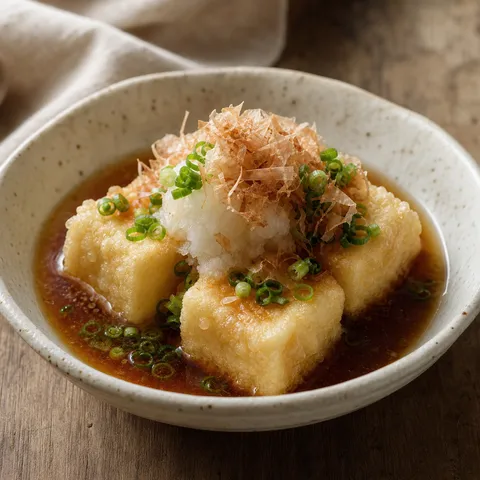 Japanese Lens Verified Images are for illustrative purposes only, may be inaccurate, and do not guarantee the presence or absence of specific ingredients.
 Agedashi Tofu
Lightly fried tofu dusted in potato starch and served in a warm dashi-soy-mirin broth, topped with grated daikon and bonito flakes, a classic Japanese izakaya starter.
 Japanese Lens Verified Images are for illustrative purposes only, may be inaccurate, and do not guarantee the presence or absence of specific ingredients.
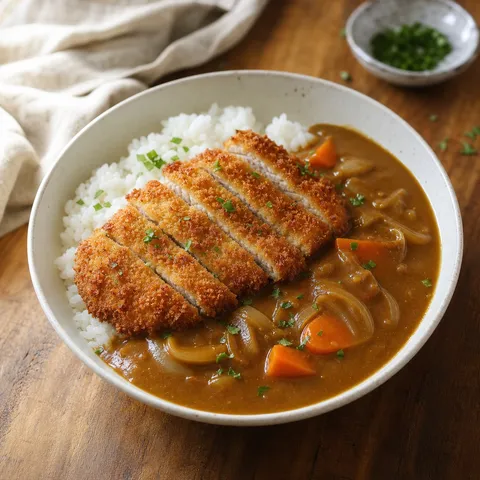
 Katsu Curry
A Japanese recipe: Katsu Curry.
 Japanese Lens Verified Images are for illustrative purposes only, may be inaccurate, and do not guarantee the presence or absence of specific ingredients.
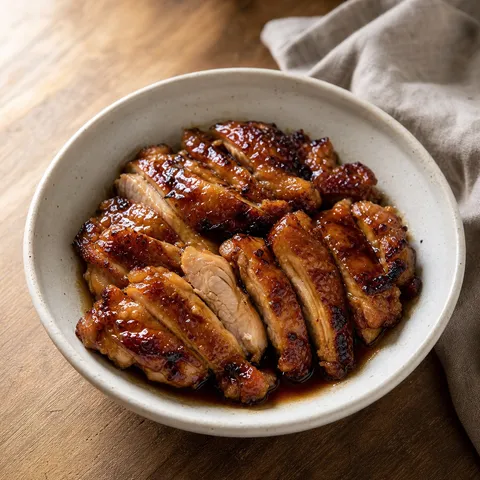
 Chicken Teriyaki
Enjoy tender, juicy chicken glazed in a deeply flavorful, glossy sweet soy sauce, perfectly caramelized to sticky perfection.