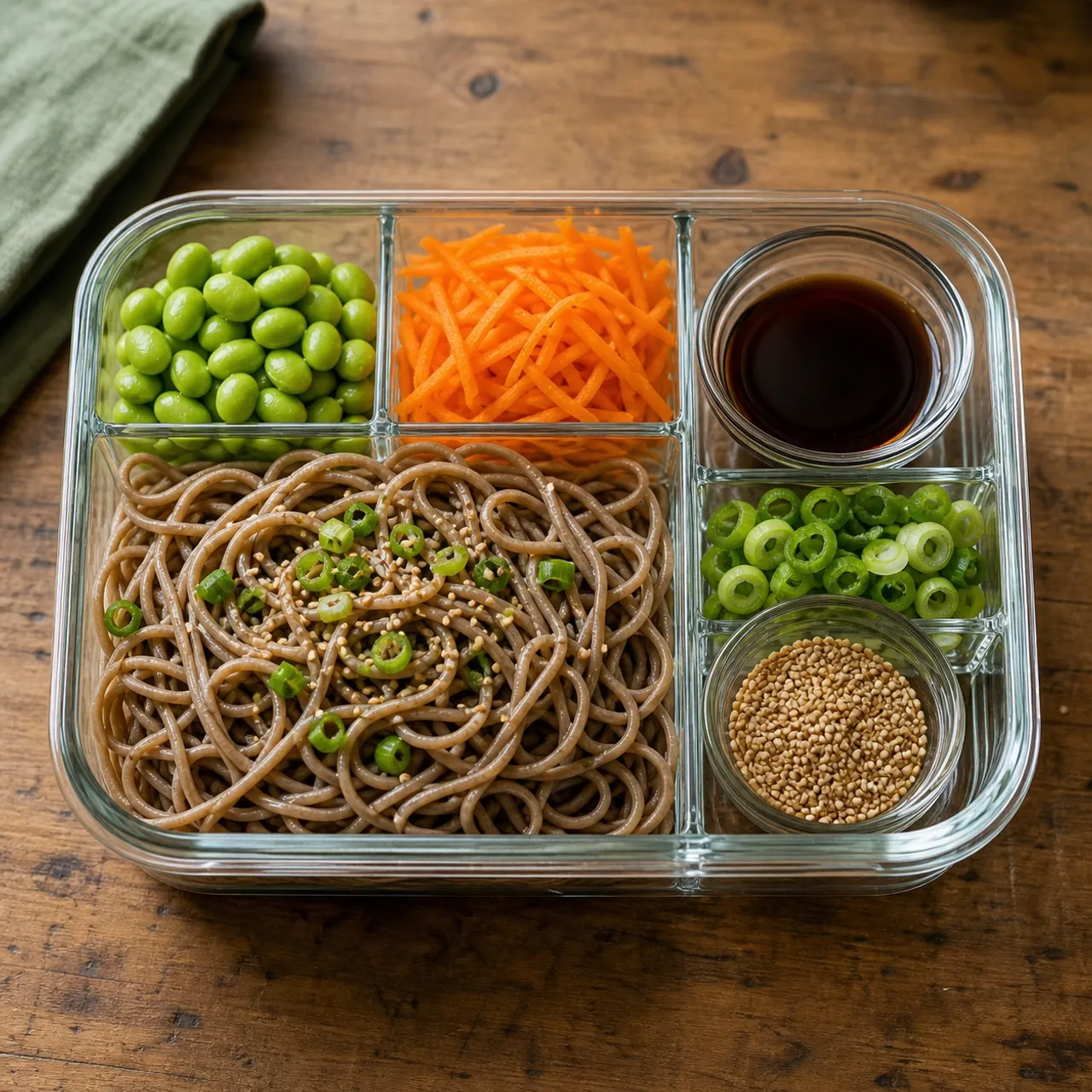
 Meal Prep Images are for illustrative purposes only, may be inaccurate, and do not guarantee the presence or absence of specific ingredients.
 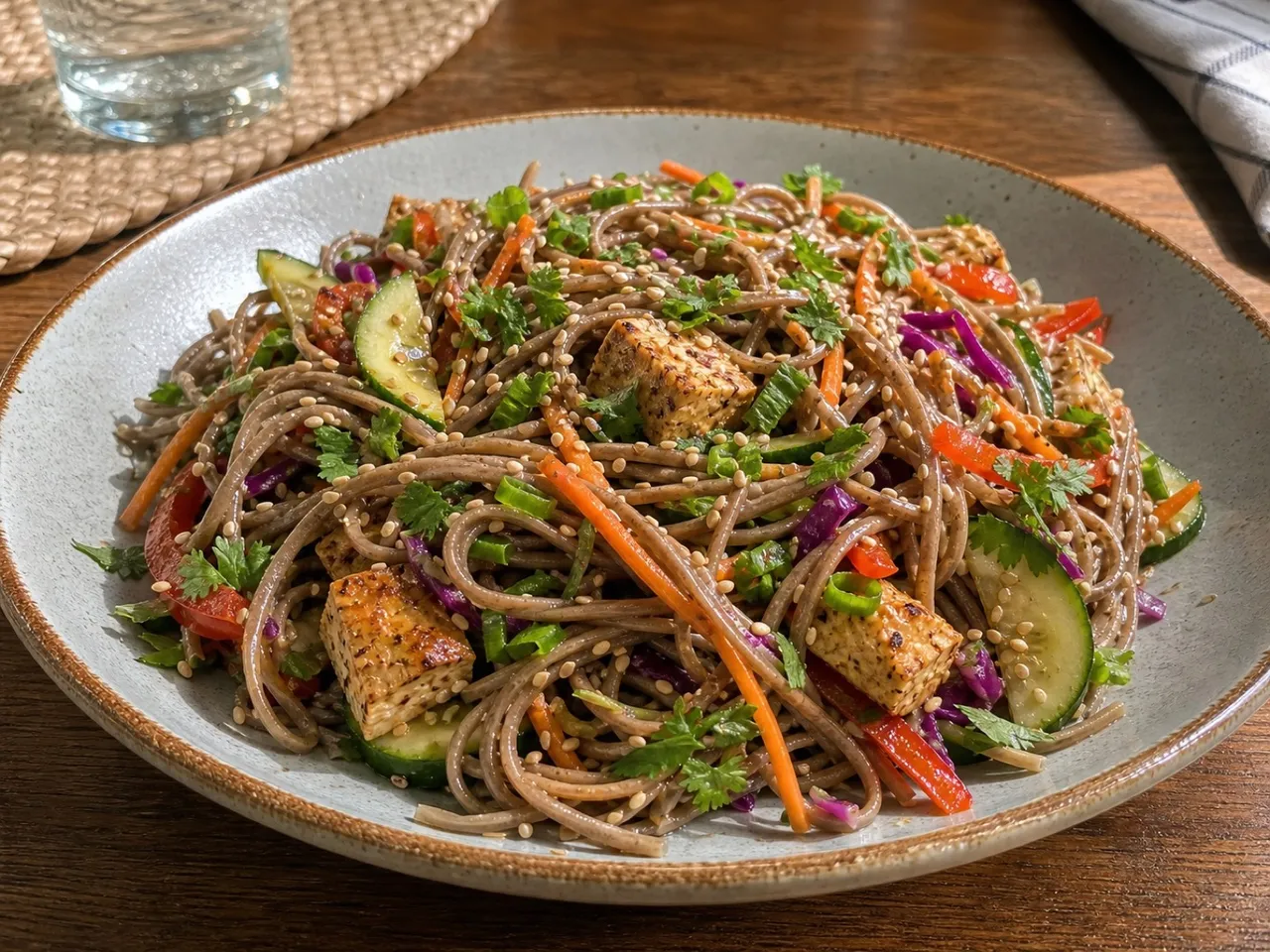 Serving Images are for illustrative purposes only, may be inaccurate, and do not guarantee the presence or absence of specific ingredients.
 Soba Noodle Salad
Buckwheat soba noodles tossed in a sesame-ginger dressing with edamame, shredded carrots, and scallions — nutty, refreshing, and endlessly satisfying served cold.
Contains common allergens
In the app, Listahan checks these against your household automatically.
Good to know
- Ready in under 30 minutes
Matched from this dish's own ingredients and timing. Browse more: 30-minute meals
Instructions
6 steps- 1
Bring a pot of water to a boil and cook the soba noodles per package directions, about 4-5 minutes.
- 2
Drain and rinse immediately under cold water, swishing the noodles to remove excess starch, until fully cooled.
- 3
Whisk the soy sauce, rice vinegar, sesame oil, ginger, and maple syrup in a small bowl.
- 4
Toss the cooled noodles with the edamame and carrots, then coat with the dressing.
- 5
Divide among 4 containers, top with scallions and sesame seeds just before serving, and refrigerate up to 4 days.
- 6
The noodles soak up more dressing over time, so taste before serving and add a splash of soy sauce or rice vinegar to refresh the flavor if needed.
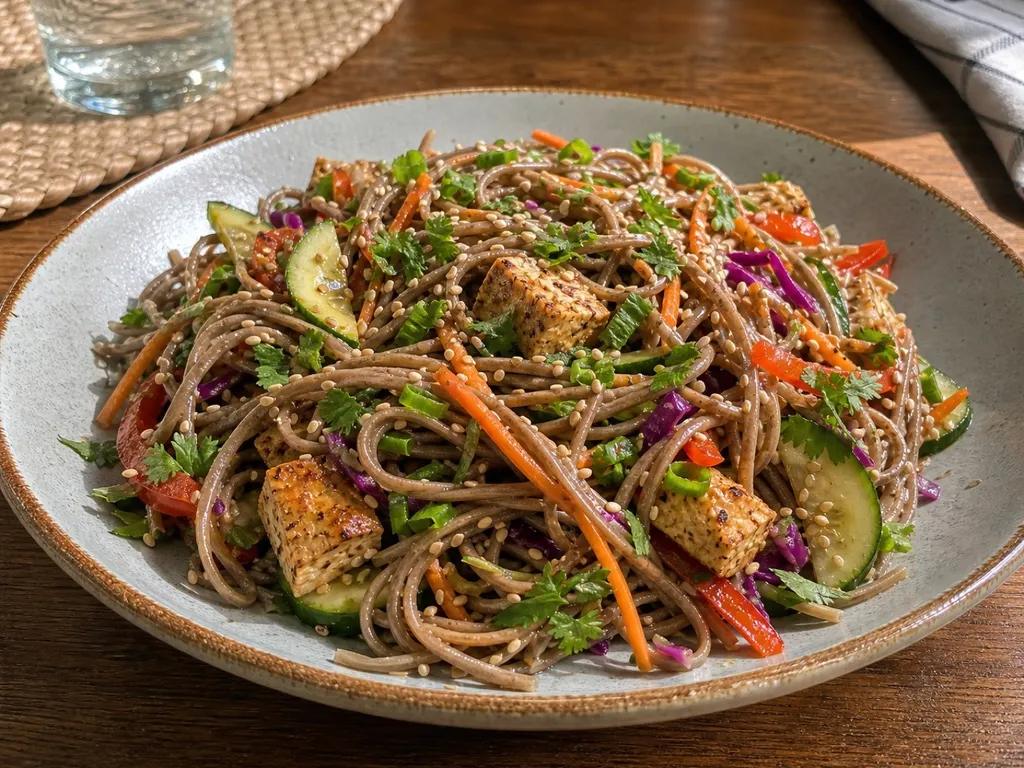 Images are for illustrative purposes only, may be inaccurate, and do not guarantee the presence or absence of specific ingredients.
 Listahan Family Score™
76/100
Good fit for most families
Score reflects how well this recipe fits a typical busy household. In the app, your Family Score is personalized to your household's allergens, kids, and pantry.
Nutrition
per serving320
Calories
15 g
Protein
52 g
Carbs
6 g
Fat
Estimated per serving. Actual values depend on the brands and portions you use.
Listahan cooking guide
Chef notes & practical guide
Technique notes, ingredient swaps, serve-alongside ideas, storage guidance, and equipment for this recipe.
Cultural context
Soba noodles made from buckwheat have been produced in Japan since at least the Edo period, where they were a popular street food and a lighter alternative to wheat-based noodles. Cold soba, known as zaru soba, served on bamboo trays with dipping broth, is a traditional Japanese summer dish. The Western meal prep adaptation turns the cold soba concept into a dressed salad with sesame, soy, and a variety of vegetables, drawing on Japanese flavor principles while adapting the format for a week of packable lunches.
Listahan note
This version dresses the noodles while still slightly warm so the soy-sesame vinaigrette absorbs into the buckwheat rather than pooling at the bottom of the container.
Technique cues
- Rinse soba noodles under cold running water immediately after cooking and rub them together gently between your palms to remove the surface starch, which prevents clumping far more effectively than a simple rinse.
- Dress the noodles while warm, not hot; the residual heat helps the dressing absorb without the fat in the sesame oil separating into a greasy pool at the bottom.
- Buckwheat soba absorbs dressing aggressively in the refrigerator, so make the dressing slightly more liquid than you think necessary, or set aside a small extra portion to add before eating.
Kitchen flow
- Parallel prep
- While the soba cooks, whisk the dressing and shred the vegetables so everything is ready to toss the moment the noodles are rinsed.
- Make-ahead
- Dressed soba salad keeps for up to 4 days refrigerated; reserve a few tablespoons of dressing to loosen the noodles before each serving as the buckwheat absorbs liquid overnight.
- Leftover move
- Warm leftover soba in a pan with a splash of soy sauce and a drizzle of sesame oil for a quick stir-fry variation that uses up the same ingredients in a hot format.
- Cleanup rhythm
- The dressing bowl rinses clean easily because sesame oil does not polymerize; tackle the soba pot first while it is still warm, since cooked buckwheat starch clings if it cools on the surface.
Ingredient brief
Role, handling, and swap guidance for each key ingredient.
soba noodles
nutty buckwheat base
Purpose: Soba noodles have an earthy, slightly nutty flavor that stands up to bold sesame-soy dressings and holds well when cold.
Handling: Cook in well-salted boiling water, rinse immediately in cold water, and rub to remove surface starch before dressing.
Adaptation: Rice noodles can substitute for a gluten-free version; use 100-percent buckwheat soba if avoiding wheat.
sesame oil
toasted flavor base of dressing
Purpose: Toasted sesame oil provides the defining aromatic note of the dish and coats the noodles with nutty richness.
Handling: Use sparingly as a finishing oil in the dressing; heating it destroys the delicate toasted flavor.
Adaptation: A small amount of tahini whisked into the dressing adds sesame flavor with a creamier texture.
soy sauce
savory dressing base
Purpose: Soy sauce provides the saltiness and umami that makes the light sesame dressing taste deeply savory.
Handling: Balance with rice vinegar and a small amount of honey so the salt does not dominate.
Adaptation: Tamari keeps the dish gluten-free and has a slightly richer, less sharp flavor than standard soy sauce.
edamame
plant protein
Purpose: Shelled edamame adds protein, a pleasant chew, and vivid green color that holds beautifully through four days of refrigeration.
Handling: Use thawed frozen edamame; no further cooking needed; pat dry before adding to prevent excess moisture.
Adaptation: Sliced sugar snap peas or diced firm tofu provide similar protein and color.
shredded carrots
sweet crunchy vegetable
Purpose: Carrots add sweetness, orange color, and a crunch that contrasts with the tender soba noodles.
Handling: Use a box grater or julienne peeler for thin, uniform shreds that distribute evenly through the noodles.
Adaptation: Julienned daikon radish adds a peppery, more traditionally Japanese character.
Technique notes
- Add a teaspoon of grated fresh ginger and a splash of rice vinegar to the dressing for a brighter, more complex flavor that resists going flat over multiple days.
- Slice scallions on the bias and add them only when serving; scallions become sulfurous and lose their fresh bite when stored for more than a day in dressed noodles.
- A sprinkle of furikake seasoning over each container before the lid goes on adds texture and an umami boost that slowly infuses the noodles.
Ingredient swaps
- Gluten-free direction
- Use 100-percent buckwheat soba noodles (check the label, as many brands blend wheat flour) and tamari instead of regular soy sauce.
- Sesame-free direction
- Replace sesame oil with a light neutral oil plus a drizzle of walnut oil, and swap sesame seeds for hemp seeds for a nut-adjacent crunch.
- Higher-protein direction
- Add sliced cold-poached chicken breast or pan-seared tofu cubes to each container to turn the salad into a complete meal.
Serve alongside
- Miso soup with wakame and tofu
- Cucumber sunomono (Japanese vinegared cucumber)
- Steamed gyoza dumplings
- Chilled barley tea (mugicha)
- Sparkling water with yuzu or lemon
Serving suggestions only — check pairings for your household's allergens.
Storage & reheating
- Dressed soba noodle salad keeps refrigerated for up to 4 days; stir in an extra teaspoon of sesame dressing or water before eating as the noodles absorb liquid during storage.
- Do not freeze; soba noodles become gummy and the vegetables lose their texture entirely on thawing.
Equipment
- Large pot for boiling noodles with room to stir
- Fine-mesh strainer for draining and rinsing efficiently
- Wide mixing bowl for tossing noodles with dressing without tangling
Make this household-aware
Listahan Pro checks this recipe against your household's allergens, finds pantry-aware swaps, builds the shopping list, and helps you plan the week around it.
Plan it in Listahan
Add Soba Noodle Salad to your week, check it against your household's allergens, and build the shopping list automatically.
More Meal Prep recipes
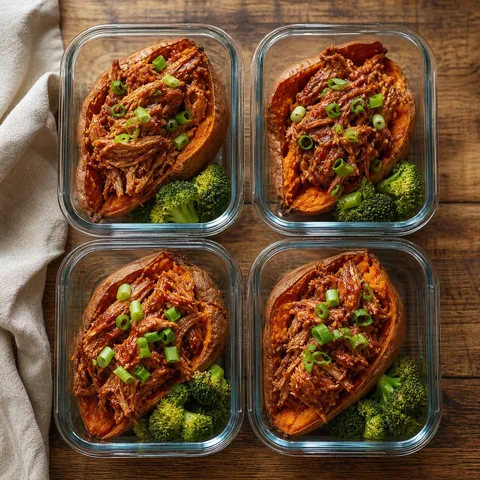 Meal Prep Lens Verified Images are for illustrative purposes only, may be inaccurate, and do not guarantee the presence or absence of specific ingredients.
 BBQ Pulled Pork Stuffed Sweet Potatoes
A hearty, smoky, and sweet combination that balances protein and complex carbohydrates perfectly.
 Meal Prep Lens Verified Images are for illustrative purposes only, may be inaccurate, and do not guarantee the presence or absence of specific ingredients.
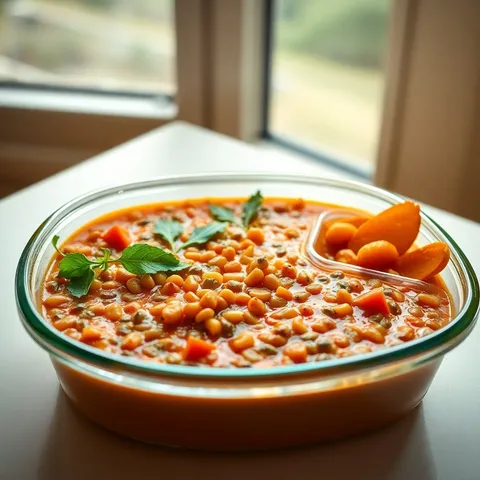
 Rustic French Lentil Soup
A deeply nourishing and earthy soup that is rich in plant-based protein and freezes exceptionally well.
 Meal Prep Lens Verified Images are for illustrative purposes only, may be inaccurate, and do not guarantee the presence or absence of specific ingredients.
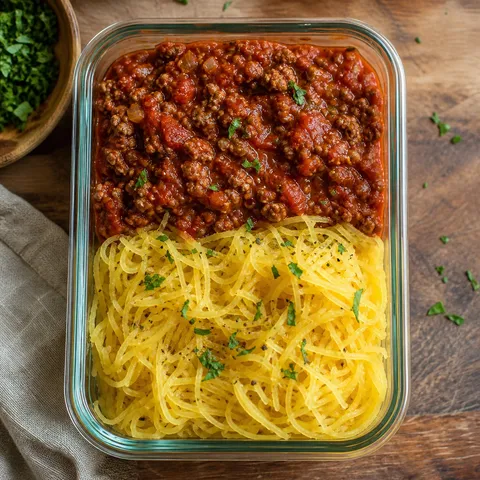
 Spaghetti Squash Bolognese
Roasted spaghetti squash stands in for pasta, twirled with a slow-simmered meat sauce fragrant with red wine, tomatoes, and herbs — hearty comfort without the carbs.