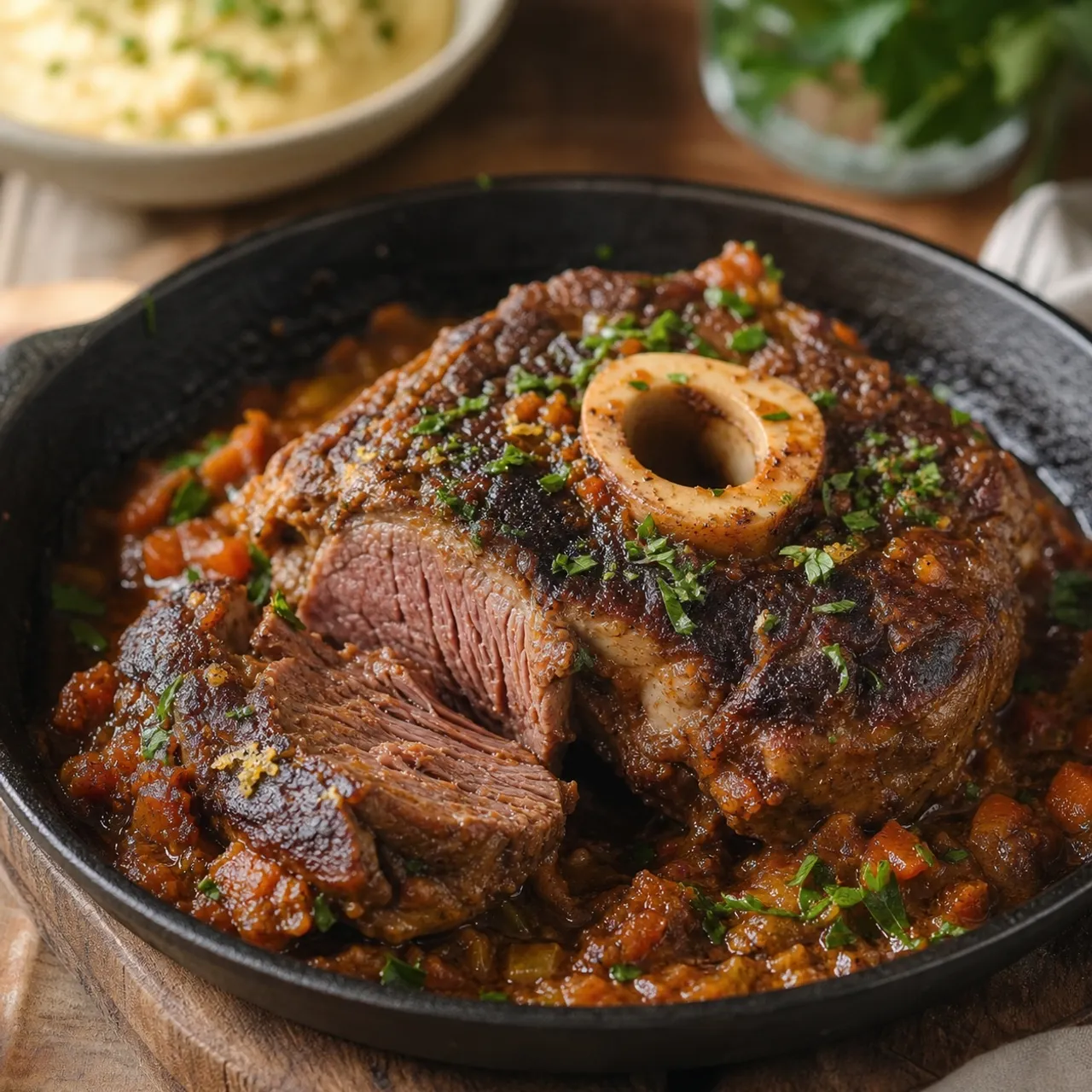
 Meat & Pork Images are for illustrative purposes only, may be inaccurate, and do not guarantee the presence or absence of specific ingredients.
 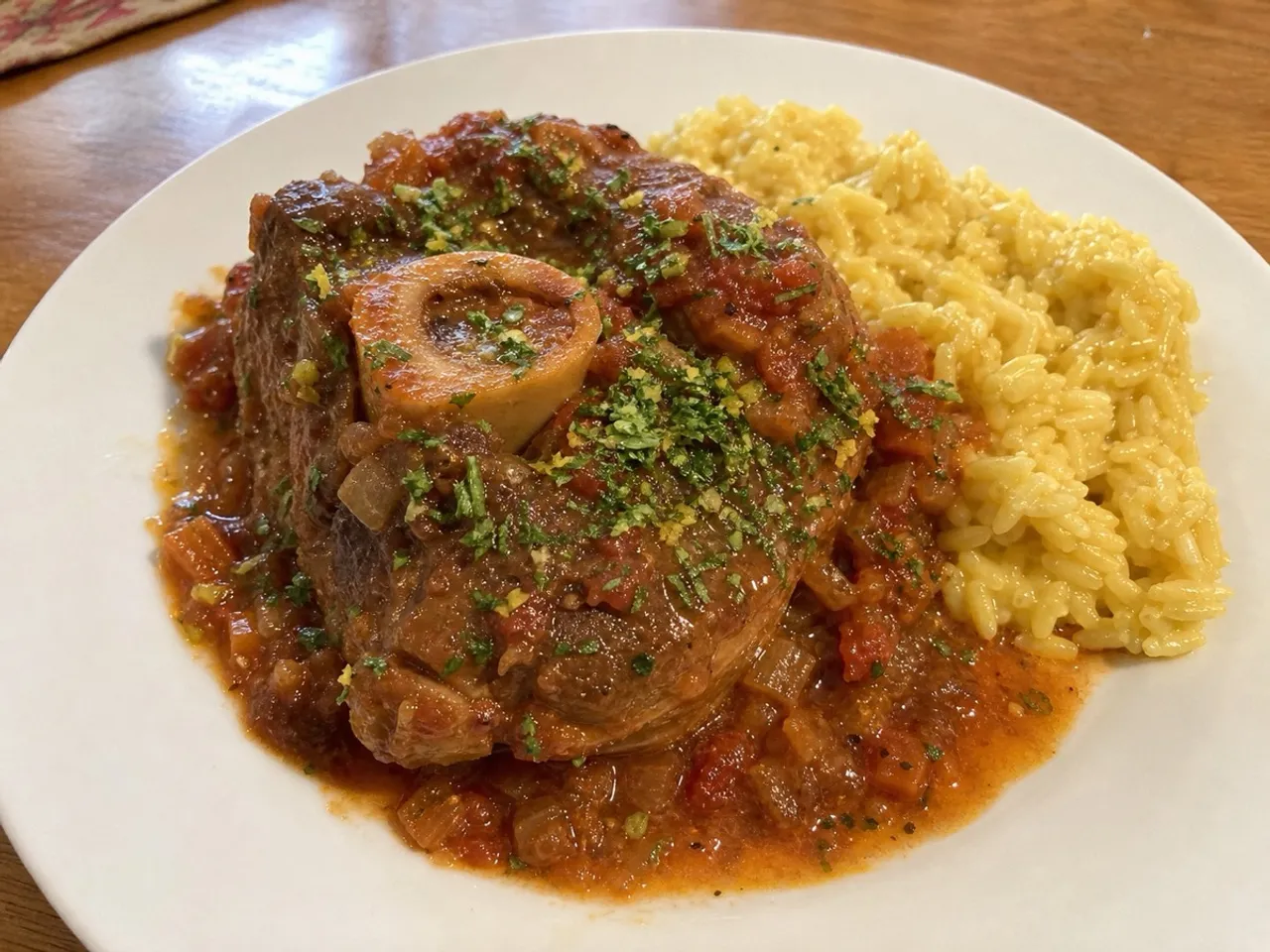 Serving Images are for illustrative purposes only, may be inaccurate, and do not guarantee the presence or absence of specific ingredients.
 Osso Buco
Veal shanks braised until meltingly tender in white wine and tomato, finished with a bright lemon-garlic gremolata.
Contains common allergens
In the app, Listahan checks these against your household automatically.
Good to know
- One-pot
Matched from this dish's own ingredients and timing. Browse more: one-pot dinners
Instructions
6 steps- 1
Preheat oven to 325°F. Season the flour with 1 tsp salt and the pepper on a plate, then dredge the veal shanks, shaking off excess.
- 2
Heat olive oil and butter in a large Dutch oven over medium-high heat and sear the shanks on all sides until browned, about 8 minutes total; remove and set aside.
- 3
Add onion, carrot, and celery to the pot and cook until softened, about 6 minutes. Add garlic and cook 1 minute.
- 4
Pour in the white wine and simmer 2-3 minutes, scraping up browned bits. Stir in crushed tomatoes, beef stock, bay leaves, and thyme, then return the shanks to the pot, nestling them into the liquid.
- 5
Cover and braise in the oven for 1.5 to 2 hours, until the meat is fork-tender and nearly falling off the bone.
- 6
Combine lemon zest, parsley, and remaining salt for the gremolata. Remove the twine from the shanks, spoon sauce over top, sprinkle with gremolata, and serve.
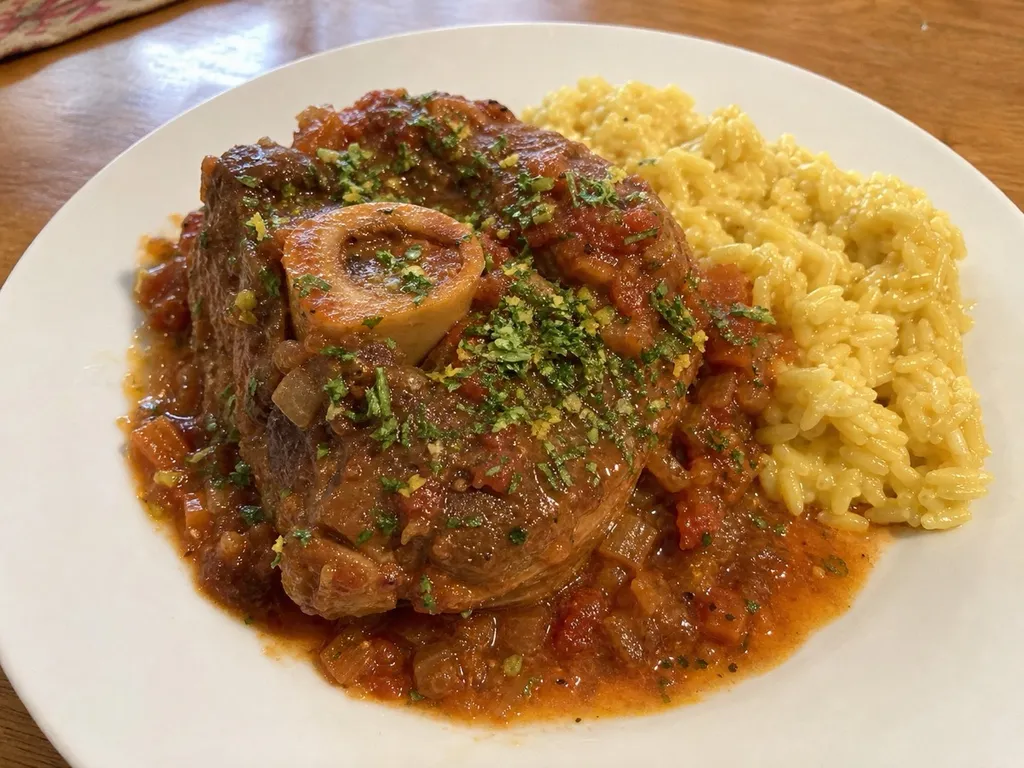 Images are for illustrative purposes only, may be inaccurate, and do not guarantee the presence or absence of specific ingredients.
 Listahan Family Score™
61/100
Works for many families
Score reflects how well this recipe fits a typical busy household. In the app, your Family Score is personalized to your household's allergens, kids, and pantry.
Nutrition
per serving290
Calories
4 g
Protein
22 g
Carbs
17 g
Fat
Estimated per serving. Actual values depend on the brands and portions you use.
Listahan cooking guide
Chef notes & practical guide
Technique notes, ingredient swaps, serve-alongside ideas, storage guidance, and equipment for this recipe.
Cultural context
Osso buco is closely tied to Milan and Lombardy, where cross-cut veal shanks are braised until the connective tissue softens and the marrow becomes part of the pleasure of the dish. The name refers to the bone with a hole at the center of the shank. Tomato versions are common now, though older Milanese versions often leaned more on white wine, stock, and aromatics.
Listahan note
This version keeps the braise familiar for a North American kitchen: a Dutch oven, white wine, crushed tomatoes, beef stock, and a bright gremolata at the end. The recipe prioritizes deep browning, a steady covered braise, and enough sauce to spoon generously over the shanks.
Technique cues
- Tie the veal shanks before cooking so the meat holds its shape through the long braise instead of sliding away from the bone too early.
- Scrape the browned bits thoroughly after adding the white wine. That fond is what makes the sauce taste braised rather than simply tomato-based.
- Add the lemon-parsley gremolata at serving time, not during the braise. Its job is to cut through the rich sauce with fresh aroma.
Kitchen flow
- Parallel prep
- While the shanks sear, dice the onion, carrot, and celery; while the braise is in the oven, zest the lemon, chop the parsley, and prepare your side.
- Make-ahead
- Braise the shanks a day ahead and chill them in the sauce; the flavor settles, and the sauce is easy to skim before reheating.
- Leftover move
- Pull leftover meat into the sauce and spoon it over polenta, risotto-style rice, or wide noodles.
- Cleanup rhythm
- Wipe flour from the counter before searing, then rinse the dredging plate while the vegetables soften; soak the Dutch oven after serving if sauce sticks at the edges.
Ingredient brief
Role, handling, and swap guidance for each key ingredient.
Veal shanks
Main braising cut
Purpose: Cross-cut shanks bring meat, bone, marrow, and connective tissue that soften into a rich sauce during slow cooking.
Handling: Tie each shank with kitchen twine and pat it dry before dredging so it browns instead of steaming.
Adaptation: Beef shanks can be used for a deeper, heavier version, but they usually need a longer braise.
All-purpose flour
Browning aid and light thickener
Purpose: A thin coating helps the shanks brown and gives the sauce a little body as it simmers.
Handling: Shake off excess flour so it does not form a pasty layer in the pot.
Adaptation: A lighter dusting of rice flour gives a similar browning effect with a slightly cleaner finish.
Onion, carrot, and celery
Soffritto base
Purpose: These vegetables cook down into the sauce and give the braise its gentle sweetness and depth.
Handling: Dice them evenly so they soften at the same pace after the shanks are seared.
Adaptation: Leek can stand in for some of the onion if you want a softer, sweeter aromatic base.
Dry white wine
Deglazing liquid
Purpose: White wine lifts the browned bits from the pot and adds acidity before the stock and tomatoes go in.
Handling: Let it simmer for a few minutes so the sharp edge cooks off and the pan bottom comes clean.
Adaptation: Use extra beef stock with a small splash of mild vinegar or lemon juice if you are cooking without wine.
Crushed tomatoes
Sauce body
Purpose: Tomatoes give the braise color, gentle acidity, and enough texture to spoon over the finished shanks.
Handling: Stir them in after the wine has reduced slightly so the sauce starts smooth and even.
Adaptation: Diced tomatoes work too, but crush them lightly in the pot for a less chunky sauce.
Lemon zest and fresh parsley
Gremolata finish
Purpose: The fresh topping brightens the rich veal and keeps the final dish from tasting heavy.
Handling: Zest the lemon finely and chop the parsley just before serving for the cleanest aroma.
Adaptation: Add a little minced garlic to the gremolata if you want the more classic punch.
Technique notes
- Brown the shanks on the flat sides and the edges. The color you build early is the backbone of the finished sauce.
- Keep the braising liquid around the sides of the shanks rather than fully submerging them. The exposed tops develop better texture while the covered pot stays moist.
- Check tenderness with a fork near the bone. The meat should give easily but still hold together enough to lift from the pot.
Ingredient swaps
- Flour dredge alternative
- Use rice flour in a thin coating if you want a lighter crust and a sauce that feels a little less silky.
- Wine backup
- Replace the white wine with more beef stock plus a small squeeze of lemon at the end; the sauce will be rounder and less aromatic.
- Dairy-free path
- Use more olive oil in place of the butter for searing; the sauce will be a little less glossy but still full-bodied.
- Heavier shank version
- Use beef shanks instead of veal shanks and extend the braise until the meat loosens near the bone.
Serve alongside
- Risotto alla Milanese
- Creamy polenta
- Buttered egg noodles
- Braised cannellini beans with rosemary
- Dry Italian white wine
- Barbera
- Sparkling lemon water
Serving suggestions only — check pairings for your household's allergens.
Storage & reheating
- Refrigerate the shanks in their sauce in a sealed container for up to 3 days.
- Reheat gently on the stovetop or in a covered oven dish with a splash of stock until the sauce loosens and the meat is hot.
- Freeze the shanks with sauce for up to 2 months; thaw overnight in the refrigerator and reheat slowly so the meat stays intact.
Equipment
- Large Dutch oven with lid
- Kitchen twine
- Tongs
- Fine grater or microplane
Make this household-aware
Listahan Pro checks this recipe against your household's allergens, finds pantry-aware swaps, builds the shopping list, and helps you plan the week around it.
Plan it in Listahan
Add Osso Buco to your week, check it against your household's allergens, and build the shopping list automatically.
More Meat & Pork recipes
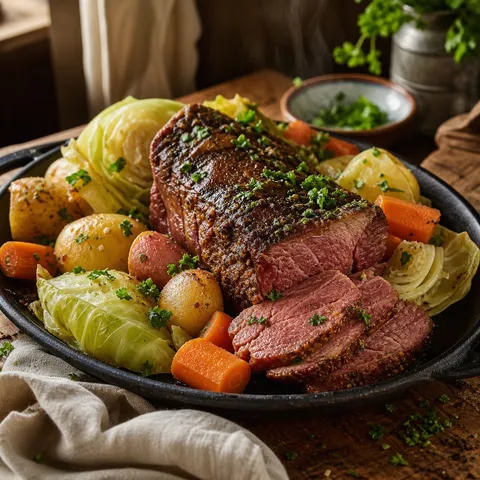 Meat & Pork Lens Verified Images are for illustrative purposes only, may be inaccurate, and do not guarantee the presence or absence of specific ingredients.
 Corned Beef and Cabbage
A classic Irish-American simmer of brined corned beef brisket with cabbage, carrots, and potatoes, served with mustard.
 Meat & Pork Lens Verified Images are for illustrative purposes only, may be inaccurate, and do not guarantee the presence or absence of specific ingredients.
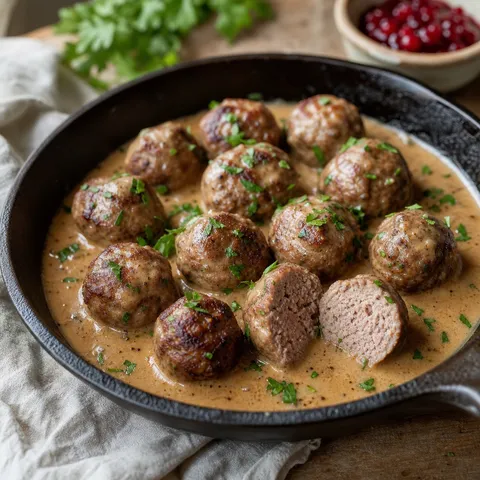
 Swedish Meatballs
Warmly spiced beef and pork meatballs in a velvety sour cream gravy, served over egg noodles with a spoonful of lingonberry jam.
 Meat & Pork Lens Verified Images are for illustrative purposes only, may be inaccurate, and do not guarantee the presence or absence of specific ingredients.
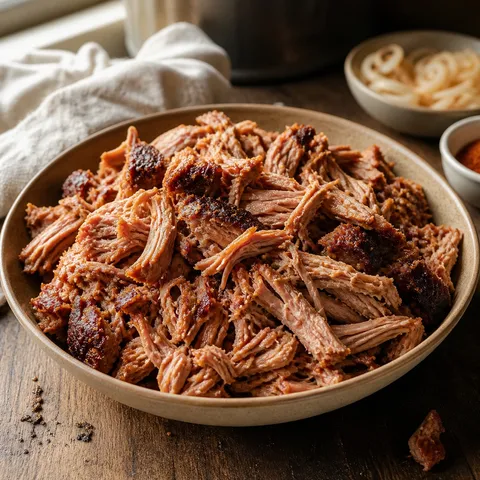
 Slow Cooker Pulled Pork
Fork-tender pork shoulder slow-cooked with a smoky-sweet spice rub until it shreds effortlessly, perfect piled on buns with barbecue sauce.