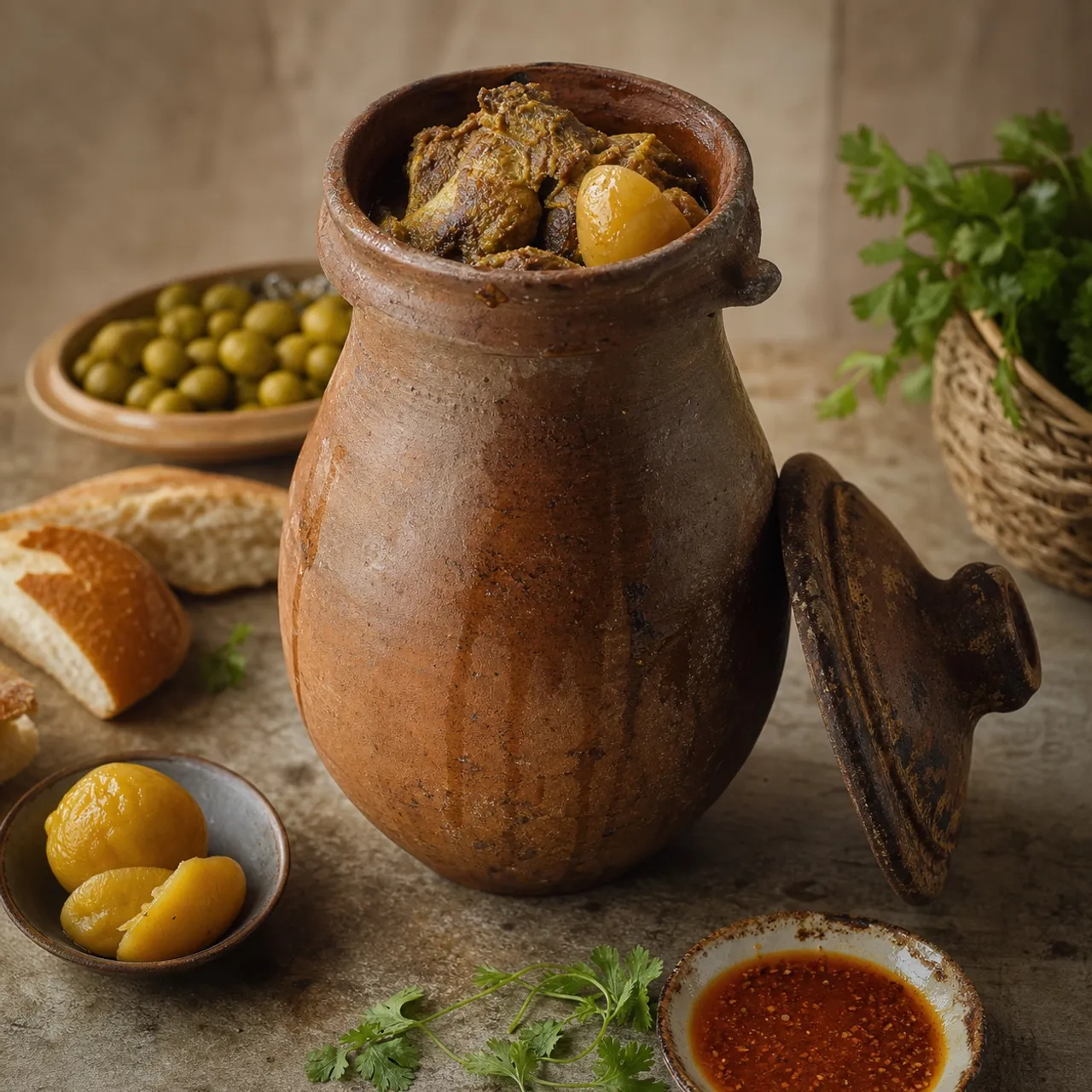
 North African Images are for illustrative purposes only, may be inaccurate, and do not guarantee the presence or absence of specific ingredients.
 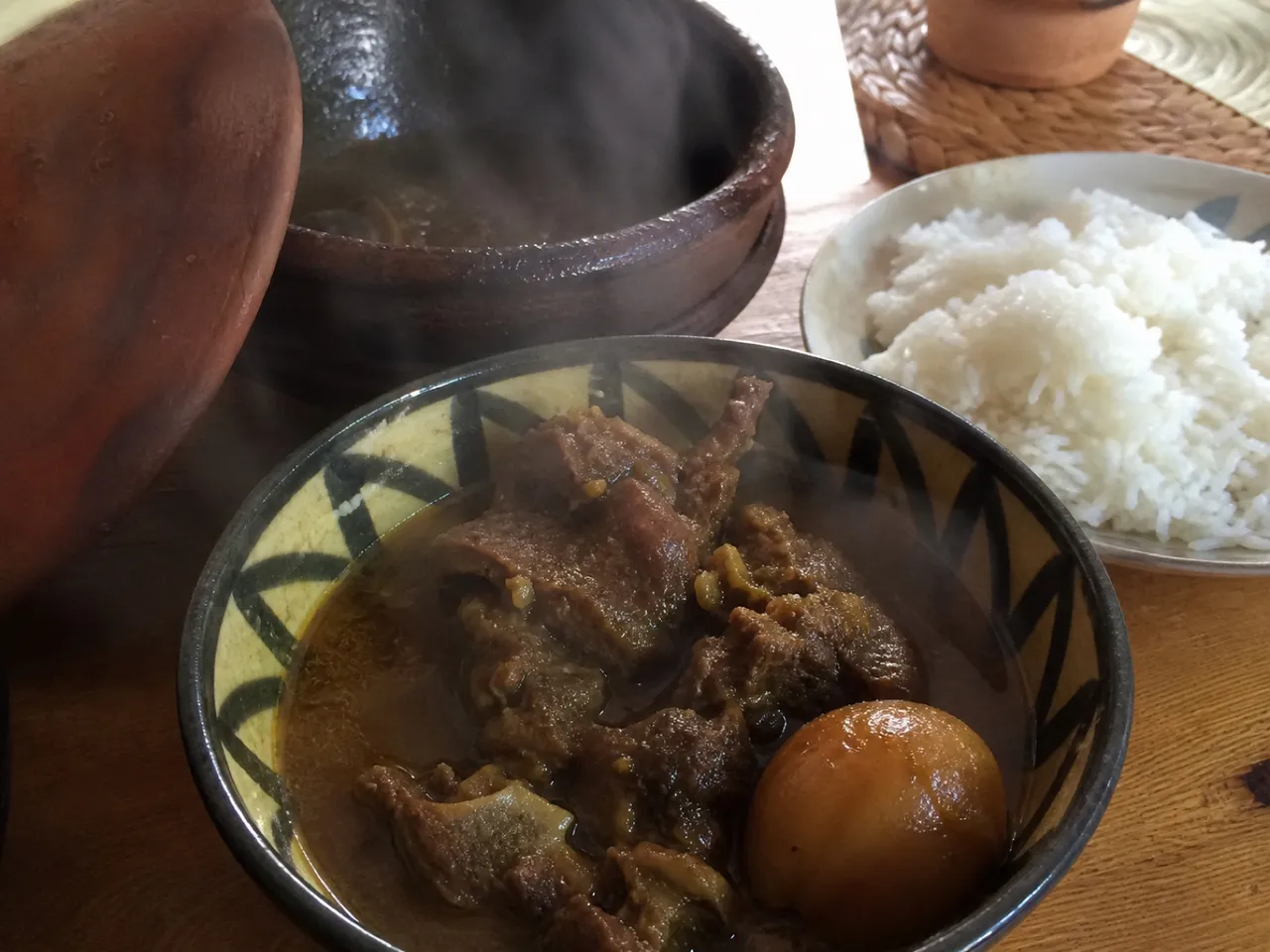 Serving Images are for illustrative purposes only, may be inaccurate, and do not guarantee the presence or absence of specific ingredients.
 Tanjia
Marrakech's legendary bachelor stew — lamb slow-cooked for hours in an earthenware jug buried in the coals of a hammam until meltingly tender and deeply spiced.
Contains common allergens
In the app, Listahan checks these against your household automatically.
Good to know
- One-pot
Matched from this dish's own ingredients and timing. Browse more: one-pot dinners
Instructions
7 steps- 1
Combine the meat, preserved lemon, garlic, smen, ras el hanout, turmeric, cumin, saffron, olive oil, and salt directly in a tanjia jar or a tall, narrow heavy pot.
- 2
Add just enough water to reach the top of the meat, then cover the jar tightly with parchment and tie it down, or put a tight lid on the pot.
- 3
Traditionally the sealed jar is buried in the hot ashes of a hammam furnace and left to cook undisturbed for several hours.
- 4
At home, place the covered pot in a 275F oven and cook low and slow until the meat is meltingly tender and falling apart, about 4 hours, without lifting the lid.
- 5
Check once near the end and add a splash of water if the sauce has reduced too far, it should be thick and clinging to the meat.
- 6
Once tender, break the meat apart with a fork right in its cooking liquid.
- 7
Serve directly from the jar or pot with plenty of crusty Moroccan bread for scooping up the rich sauce.
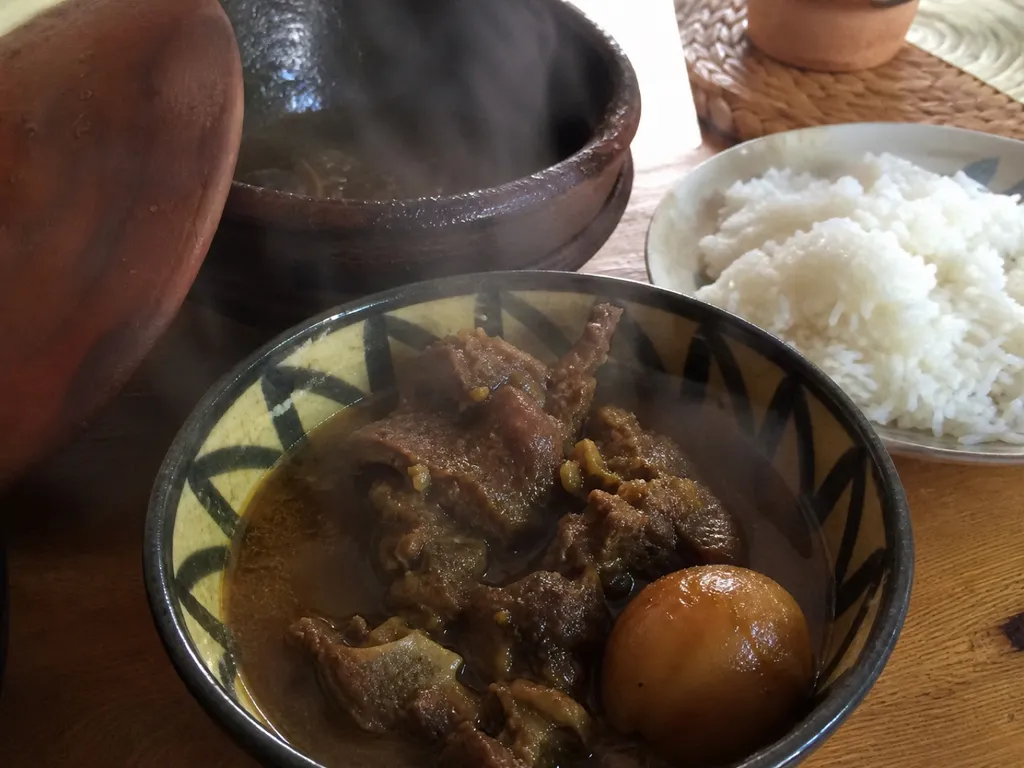 Images are for illustrative purposes only, may be inaccurate, and do not guarantee the presence or absence of specific ingredients.
 Listahan Family Score™
64/100
Works for many families
Score reflects how well this recipe fits a typical busy household. In the app, your Family Score is personalized to your household's allergens, kids, and pantry.
Nutrition
per serving425
Calories
44 g
Protein
1 g
Carbs
27 g
Fat
Estimated per serving. Actual values depend on the brands and portions you use.
Listahan cooking guide
Chef notes & practical guide
Technique notes, ingredient swaps, serve-alongside ideas, storage guidance, and equipment for this recipe.
Cultural context
Tanjia (also spelled tangia) is a dish from Marrakech so specific to that city that Marrakchis use it as a point of civic pride against Casablancans and Fassis. The name refers both to the dish and to the wide-mouthed clay amphora it is traditionally cooked in; the meat and spices are sealed inside the vessel with paper and twine and left with the caretaker of the local hammam (public bathhouse), who buries it in the ashes of the furnace for hours while the bathers come and go. The result is meat that has essentially braised and confit'd simultaneously in its own fat and the aromatic paste of preserved lemon, cumin, and saffron.
Listahan note
This version adapts the hammam-ash slow cook to a low oven or Dutch oven braise, which replicates the gentle, all-sides heat of buried coals as closely as a home kitchen allows.
Technique cues
- The key to tanjia is using enough fat — smen or butter — to essentially confit the meat low and slow in a sealed vessel; the fat carries the saffron and cumin into every fiber of the lamb over the long cook, so do not reduce the butter or the dish will taste lean and under-seasoned.
- Preserved lemon (not fresh lemon) is not optional here; it contributes a fermented, slightly bitter salinity that fresh lemon cannot replicate, and it softens completely during the long braise so that even the rind is edible and scoopable.
- The dish is done when the meat is so tender it falls from the bone at the touch of a spoon and the braising liquid has reduced to a thick, glossy sauce; this takes 3 to 4 hours at 275 to 300 degrees Fahrenheit, or can be done in a pressure cooker in 90 minutes.
Kitchen flow
- Parallel prep
- The entire dish takes 5 minutes to assemble; the only advance prep is blooming the saffron in warm water and crushing the garlic, then it goes into the oven unattended.
- Make-ahead
- Tanjia reheats beautifully and is actually better the next day; cook fully, cool, and refrigerate up to 3 days ahead, then reheat gently covered in a 300-degree oven for 30 minutes.
- Leftover move
- Shred leftover lamb and toss with the reduced sauce over couscous, or stuff into warm flatbread with a little harissa for a rich sandwich.
- Cleanup rhythm
- If using a Dutch oven, clean-up is one pot plus a cutting board; if you skim the fat from the surface of the cooled braising liquid before reheating, the sauce is less greasy.
Ingredient brief
Role, handling, and swap guidance for each key ingredient.
2.5 lbs lamb shanks or shoulder (cut into large chunks)
main protein and fat source
Purpose: The collagen and fat in lamb shanks or shoulder dissolve over the long, low cook into a silky, self-basting braising liquid that is the soul of the dish.
Handling: No browning is needed or traditional; simply season and place in the vessel with all other ingredients.
Adaptation: Bone-in lamb ribs or lamb neck work equally well and are often less expensive; the bones add even more gelatin to the sauce.
1 preserved lemon (quartered)
fermented citrus acid
Purpose: Preserved lemon's cured rind and salty, fermented brine is the most distinctive flavor note in the finished dish and cannot be replicated by fresh lemon.
Handling: Quarter and add whole to the vessel; rinse briefly under water if very salty, but leave the rind on as it softens completely during the cook.
Adaptation: In an emergency, combine the zest of 1 lemon with 1 teaspoon of salt and 1 teaspoon of olive oil, rest for 10 minutes, and use — it is a distant substitute but better than omitting.
1/2 tsp saffron threads
color and floral aroma
Purpose: Saffron gives the braising liquid and the finished meat its characteristic golden color and a subtle floral-honey note that distinguishes Moroccan cooking from the rest of North Africa.
Handling: Bloom in 2 tablespoons of warm water for 10 minutes before adding to the vessel so the color and flavor are fully extracted.
Adaptation: A generous pinch of turmeric plus a small pinch of sweet paprika mimics the color but not the aroma; use if cost is a barrier.
1 tbsp ground cumin
dominant spice
Purpose: Cumin is the primary spice in tanjia and is used in a quantity that would seem large in other North African dishes; it deepens and earths the sweetness of the saffron.
Handling: Add directly to the vessel with the other spices; no toasting needed as the long braise develops the cumin fully.
Adaptation: No spice swap replicates cumin's specific warm, earthy profile; reduce to 1.5 teaspoons if the full amount seems too intense for your household.
3 tbsp smen or butter
cooking fat and sauce base
Purpose: Fat is necessary in sufficient quantity for the confit effect; it carries the saffron and cumin into the lamb fibers and reduces into the glossy sauce.
Handling: Add in pieces around the meat before sealing the vessel.
Adaptation: Clarified butter (ghee) is the most practical substitute; regular unsalted butter works well too.
Technique notes
- Seal the Dutch oven or baking vessel tightly with foil under the lid; this traps all the steam and prevents the liquid from evaporating, which is critical since the dish starts with no added water or stock.
- Resist the urge to open the pot during cooking; tanjia builds its flavor entirely from internal steam, and opening releases the pressure that keeps the environment humid around the meat.
- If the sauce is too thin after the full cook, remove the meat and simmer the liquid uncovered on the stovetop for 5 to 10 minutes until it thickens to a coating consistency before pouring back over the meat.
Ingredient swaps
- Budget direction
- Lamb neck is cheaper than shanks and equally good; it produces an even more gelatinous sauce because of the connective tissue.
- Beef version
- Substitute bone-in beef short ribs for the lamb; increase the oven time to 4 hours at 275 degrees for the same fall-apart result.
- Dairy-free option
- Replace smen or butter with extra-virgin olive oil in the same quantity; the sauce will be less rich but still deeply flavored and fully traditional in some Berber households.
Serve alongside
- plain steamed couscous to absorb the sauce
- warm crusty Moroccan khobz bread
- simple orange and olive salad with cumin vinaigrette
- roasted root vegetables
- chilled Moroccan rose or a light Grenache
- mint tea served after the meal
- sparkling water with preserved lemon slices
Serving suggestions only — check pairings for your household's allergens.
Storage & reheating
- Refrigerate covered for up to 3 days; the fat will solidify on top and can be skimmed for a leaner reheat or stirred back in.
- Reheat covered in a 300-degree oven for 25 to 30 minutes, or gently on the stovetop over low heat.
- Freeze the lamb with its sauce for up to 3 months; thaw overnight in the refrigerator before reheating.
Equipment
- heavy lidded Dutch oven (5-quart or larger) or traditional tanjia clay vessel
- aluminum foil for extra sealing under the lid
- small bowl for blooming saffron
- ladle and serving spoon
Make this household-aware
Listahan Pro checks this recipe against your household's allergens, finds pantry-aware swaps, builds the shopping list, and helps you plan the week around it.
Plan it in Listahan
Add Tanjia to your week, check it against your household's allergens, and build the shopping list automatically.
More North African recipes
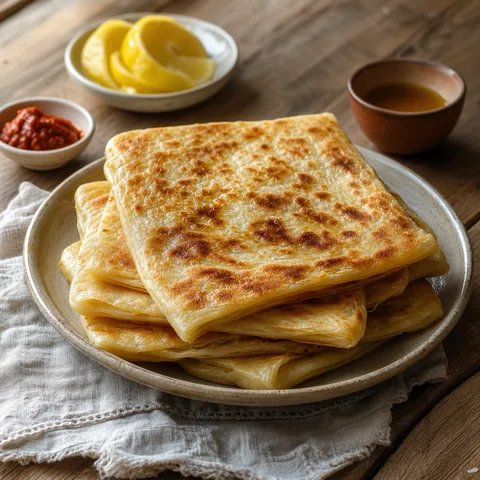 North African Lens Verified Images are for illustrative purposes only, may be inaccurate, and do not guarantee the presence or absence of specific ingredients.
 Msemmen
Layered and folded semolina flatbread cooked on a griddle until the outside crisps and the inside stays wonderfully chewy — perfect with honey or harissa.
 North African Lens Verified Images are for illustrative purposes only, may be inaccurate, and do not guarantee the presence or absence of specific ingredients.
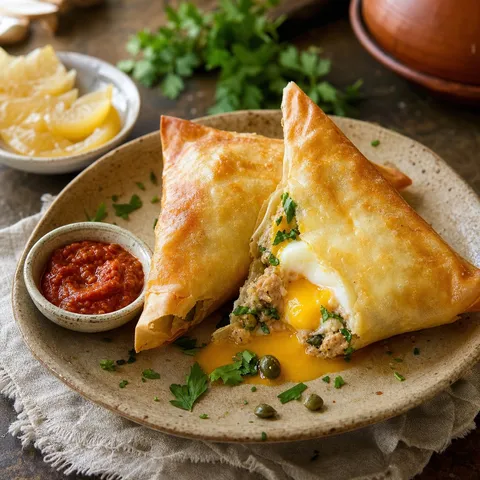
 Brik
Crispy paper-thin pastry folded around a whole egg, tuna, and parsley then flash-fried until golden — Tunisia's beloved street snack, eaten fast before the yolk escapes.
 North African Lens Verified Images are for illustrative purposes only, may be inaccurate, and do not guarantee the presence or absence of specific ingredients.
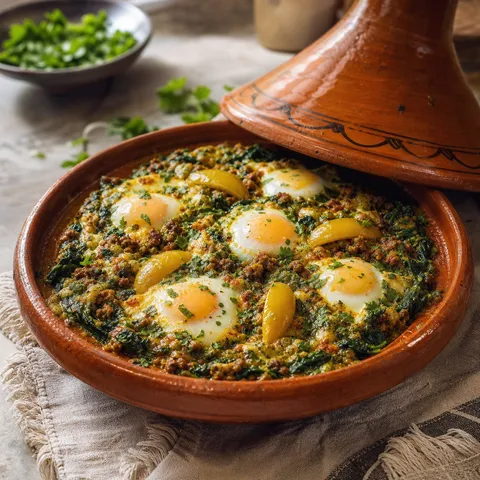
 Tajine El Bey
Tunisia's grand layered bake of spiced lamb, eggs, and cheese baked in a deep crust — a celebration dish with silky, complex layers in every slice.