 North African Images are for illustrative purposes only, may be inaccurate, and do not guarantee the presence or absence of specific ingredients.
  Serving Images are for illustrative purposes only, may be inaccurate, and do not guarantee the presence or absence of specific ingredients.
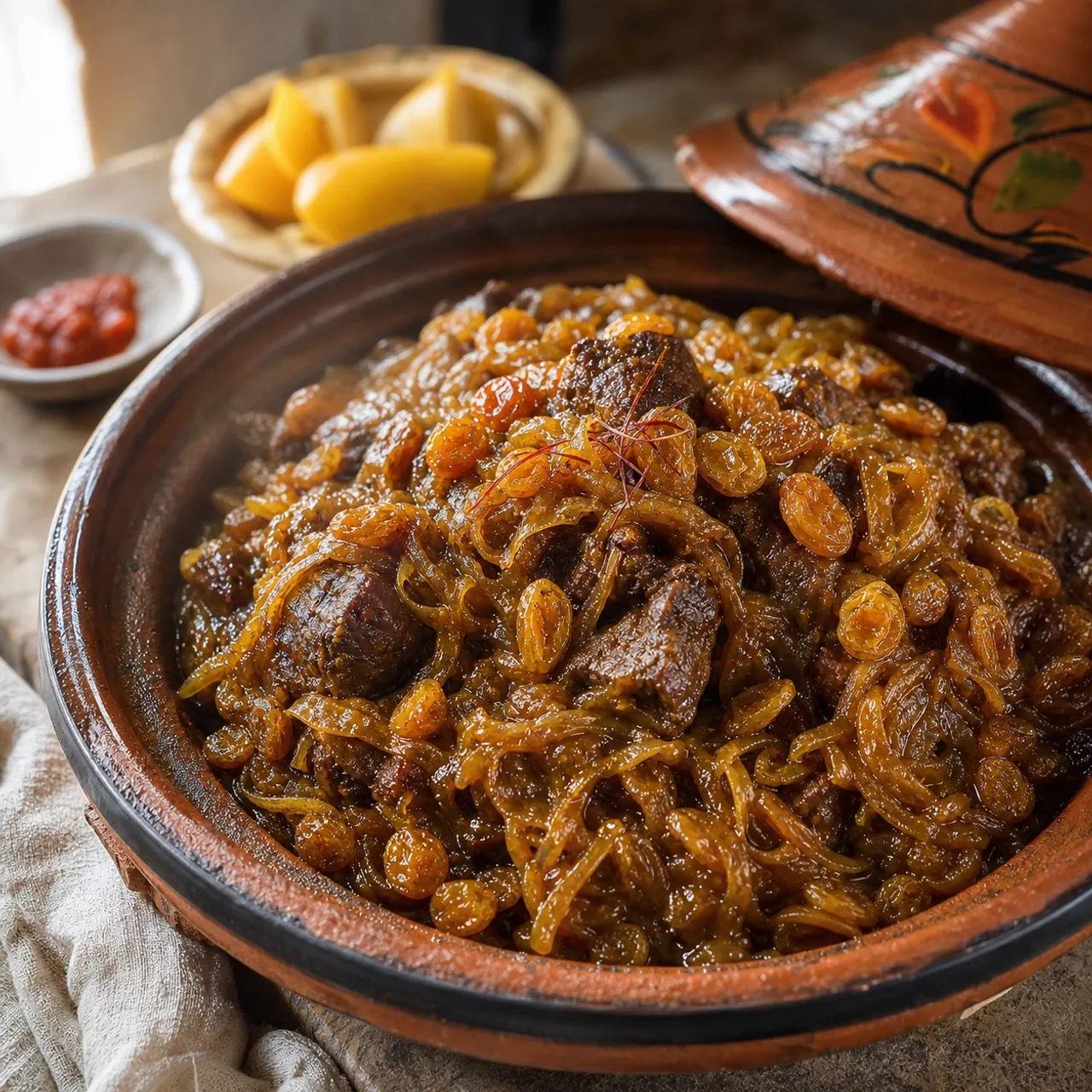
 Tfaya
Caramelized onions and plump raisins slow-cooked with cinnamon and ginger until jammy and sweet — the gloriously rich Moroccan topping draped over couscous or chicken.
Contains common allergens
In the app, Listahan checks these against your household automatically.
Good to know
- One-pot
Matched from this dish's own ingredients and timing. Browse more: one-pot dinners
Instructions
5 steps- 1
Sweat the Onions: In a heavy-bottomed pot, melt the butter over medium heat. Add the sliced onions, ginger, saffron, salt, and pepper. Toss to coat.
- 2
Cover and Cook: Cover the pot and cook over low heat for 30 minutes, stirring occasionally. The onions will release their juices and become very soft.
- 3
Add Sweetness: Uncover the pot. Drain the soaked raisins and add them to the onions along with the cinnamon and honey.
- 4
Caramelize: Increase the heat slightly to medium. Cook uncovered, stirring frequently, for 15-20 minutes until all liquid evaporates and the onions become deeply caramelized, sticky, and jam-like.
- 5
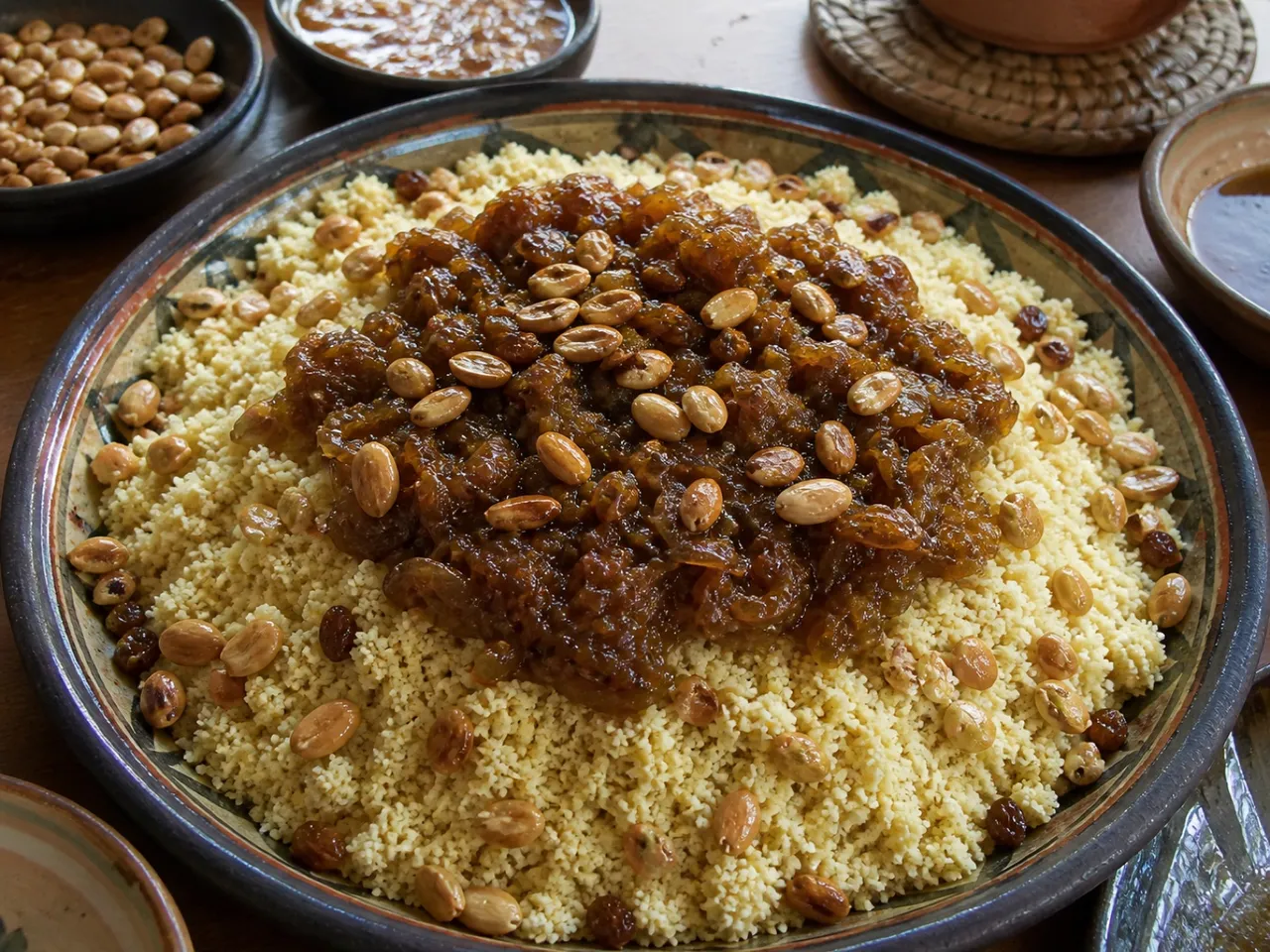
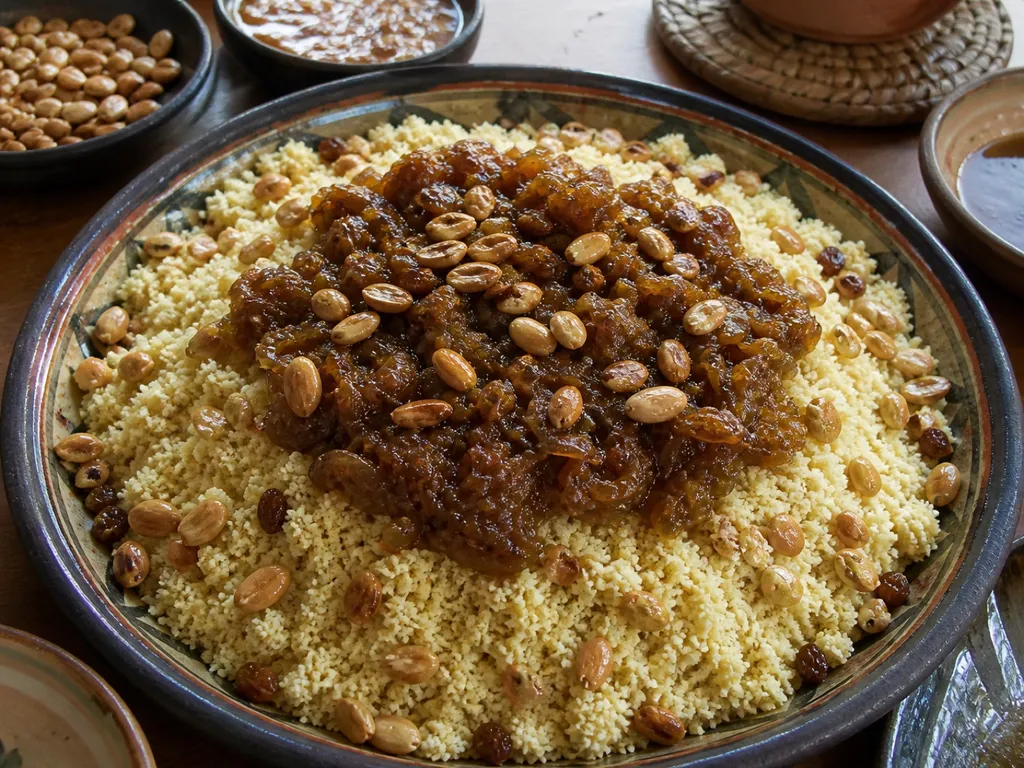
Serve: Serve hot or warm. Tfaya is traditionally spooned over couscous or used to garnish savory tagines.
 Images are for illustrative purposes only, may be inaccurate, and do not guarantee the presence or absence of specific ingredients.
 Listahan Family Score™
74/100
Good fit for most families
Score reflects how well this recipe fits a typical busy household. In the app, your Family Score is personalized to your household's allergens, kids, and pantry.
Nutrition
per serving270
Calories
3 g
Protein
56 g
Carbs
6 g
Fat
Estimated per serving. Actual values depend on the brands and portions you use.
Listahan cooking guide
Chef notes & practical guide
Technique notes, ingredient swaps, serve-alongside ideas, storage guidance, and equipment for this recipe.
Cultural context
Tfaya is a Moroccan sweet-savory caramelized onion and raisin compote traditionally served as the crowning garnish over couscous with chicken or lamb on Fridays, the primary communal meal day in Morocco. The name comes from the Arabic root meaning to cook slowly, and the dish encapsulates the Moroccan culinary tradition of combining meat with dried fruit and honey, a flavor profile that arrived with Arab and Andalusian settlers in the medieval period. Without Tfaya, a Friday couscous is considered incomplete in many Moroccan households.
Listahan note
This version gives the onions a long, patient caramelization before the raisins and honey are added, building the sweetness through the onions themselves rather than depending entirely on the honey for the jammy character.
Technique cues
- The onions must be sliced thin and cooked very slowly over low heat for 20-25 minutes before any sugar or honey is introduced; rushing this step by raising the heat produces soft onions but not caramelized ones, and the resulting Tfaya tastes raw-sweet rather than deep and complex.
- Soaking the raisins in warm water for 15 minutes before adding them to the pan plumps them and prevents them from absorbing all the sauce liquid in the pan; dry raisins added directly can seize and turn leathery during the caramelization step.
- Saffron steeps in a small amount of warm water and is added with the liquid in the final stage of cooking; it provides the golden color and subtle floral note that distinguishes Moroccan Tfaya from a generic onion jam.
Kitchen flow
- Parallel prep
- Soak the raisins and steep the saffron before starting; the onion caramelization is hands-off enough that you can stir occasionally while preparing the rest of the meal.
- Make-ahead
- Tfaya is ideal made a day ahead; it tastes better after the raisin and saffron flavors have melded overnight, and reheats gently in 5 minutes.
- Leftover move
- Spread leftover Tfaya over warm bread with a little cream cheese for a sweet-savory snack, or serve as a condiment alongside roasted lamb or chicken.
- Cleanup rhythm
- One skillet or saucepan is all that is needed; the honey caramelizes to the pan sides but releases easily with warm water soaking for a few minutes.
Ingredient brief
Role, handling, and swap guidance for each key ingredient.
4 large yellow onions (thinly sliced)
sweet base
Purpose: A large volume of thinly sliced onions collapses dramatically during cooking and concentrates into a small, dense, sweet-savory mass that is the essence of the dish.
Handling: Slice as thin as possible (1/8 inch) with a sharp knife or mandoline; uneven thickness means some pieces caramelize while others remain underdone.
Adaptation: White onions can be used but are sharper and benefit from an extra 5 minutes of cooking; shallots produce a more delicate, sweeter Tfaya if used for a smaller batch.
1 cup golden raisins (soaked in warm water)
sweetness and texture contrast
Purpose: Raisins provide plump pockets of intense sweetness against the savory-caramelized onion base, a combination central to the sweet-savory Moroccan tagine tradition.
Handling: Soak in warm water for 15 minutes, drain well, then add to the caramelized onions in the last 10 minutes of cooking so they warm through without dissolving.
Adaptation: Dried apricots, roughly chopped, can replace raisins for a less sweet, more tangy result; sultanas work as a milder raisin alternative.
1/2 tsp cinnamon
warm spice note
Purpose: Cinnamon with honey and raisins is the defining sweet-spice chord of Moroccan Tfaya; it adds warmth that prevents the compote from tasting like a dessert.
Handling: Add with the ginger early in the caramelization process so the spice integrates into the onions rather than sitting on top.
Adaptation: A pinch of allspice can supplement or replace cinnamon for a slightly more complex warm note.
1/4 tsp saffron threads
color and floral depth
Purpose: Saffron threads steeped in warm water and added with the final liquid give Tfaya its golden hue and the subtle honey-hay fragrance that makes it unmistakably Moroccan.
Handling: Crumble the threads into 2 tablespoons of warm water and let steep for 10 minutes before adding.
Adaptation: A pinch of turmeric replaces the color but not the aroma; the dish will still be good but lack the floral complexity saffron provides.
3 tbsp honey
sweetness and glaze
Purpose: Honey added near the end of cooking glues the onions and raisins together into a glossy, jammy compote; it also adds floral sweetness that sugar alone cannot replicate.
Handling: Drizzle over the softened onion-raisin mixture and stir on low heat for 5 minutes until the compote is glossy and thick.
Adaptation: Date syrup or a dark agave nectar can substitute for honey and keep the dish vegan; the flavor will be slightly less floral.
2 tbsp butter
richness and browning agent
Purpose: Butter caramelizes the onions more efficiently than oil due to its milk solids, and adds a creamy richness to the finished compote.
Handling: Use unsalted; add to the pan first over medium-low heat before the onions go in.
Adaptation: A mild olive oil replaces butter for a dairy-free version; the caramelization will still develop well.
Technique notes
- Do not raise the heat to speed the caramelization; low and slow is the only way to develop the deep amber color without burning the natural sugars, which turn bitter immediately if they scorch.
- Stir the compote every few minutes in the final stage when the honey is in the pan, because the sugar concentration is high enough that the bottom can catch and burn without attention.
- Taste before serving; the balance of sweet, savory, and spice should feel even, not cloying. If it tastes too sweet, a squeeze of lemon juice or a pinch of salt brings it back into balance.
Ingredient swaps
- Dairy-free option
- Replace butter with a mild olive oil or a dairy-free butter; the caramelization still develops properly.
- Vegan direction
- Use olive oil instead of butter and replace honey with date syrup or maple syrup; the result is slightly less floral but still delicious.
- Lower-sugar option
- Reduce honey to 1.5 tablespoons and omit the raisins for a less sweet, more onion-forward condiment that works well with savory dishes.
Serve alongside
- plain steamed couscous as the base
- slow-braised chicken or lamb tagine to serve under the Tfaya
- toasted blanched almonds scattered over the top
- sweet Moroccan mint tea
- chilled sparkling water with orange blossom water
Serving suggestions only — check pairings for your household's allergens.
Storage & reheating
- Refrigerate in a sealed jar for up to 5 days; the flavor deepens over time.
- Reheat gently in a small saucepan over low heat with a splash of water to loosen; do not microwave as the honey can scorch.
- Freeze in a small container for up to 2 months; thaw overnight in the refrigerator.
Equipment
- wide heavy skillet or saute pan
- wooden spoon or silicone spatula for stirring
- small bowl for saffron steeping
- mandoline or sharp chef knife for slicing onions thin
Make this household-aware
Listahan Pro checks this recipe against your household's allergens, finds pantry-aware swaps, builds the shopping list, and helps you plan the week around it.
Plan it in Listahan
Add Tfaya to your week, check it against your household's allergens, and build the shopping list automatically.
More North African recipes
 North African Lens Verified Images are for illustrative purposes only, may be inaccurate, and do not guarantee the presence or absence of specific ingredients.
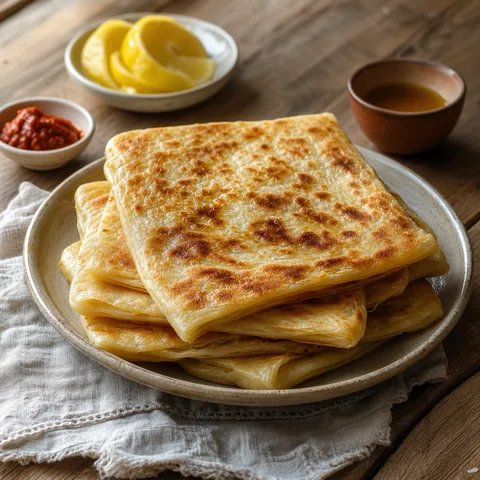
 Msemmen
Layered and folded semolina flatbread cooked on a griddle until the outside crisps and the inside stays wonderfully chewy — perfect with honey or harissa.
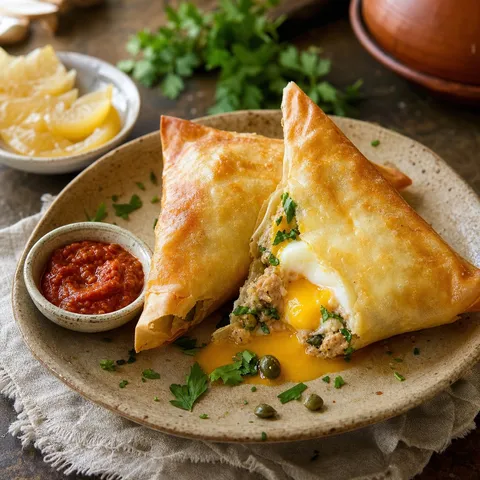 North African Lens Verified Images are for illustrative purposes only, may be inaccurate, and do not guarantee the presence or absence of specific ingredients.
 Brik
Crispy paper-thin pastry folded around a whole egg, tuna, and parsley then flash-fried until golden — Tunisia's beloved street snack, eaten fast before the yolk escapes.
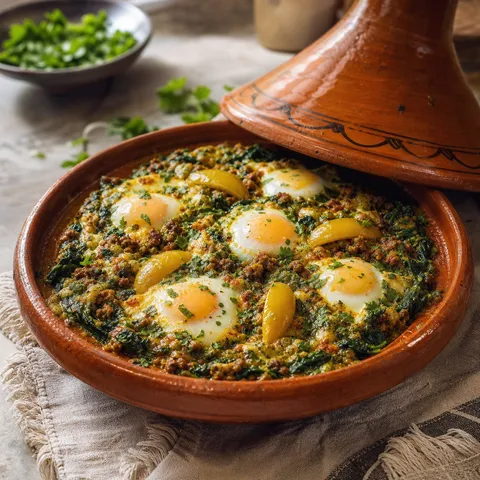 North African Lens Verified Images are for illustrative purposes only, may be inaccurate, and do not guarantee the presence or absence of specific ingredients.
 Tajine El Bey
Tunisia's grand layered bake of spiced lamb, eggs, and cheese baked in a deep crust — a celebration dish with silky, complex layers in every slice.