 Thai Images are for illustrative purposes only, may be inaccurate, and do not guarantee the presence or absence of specific ingredients.
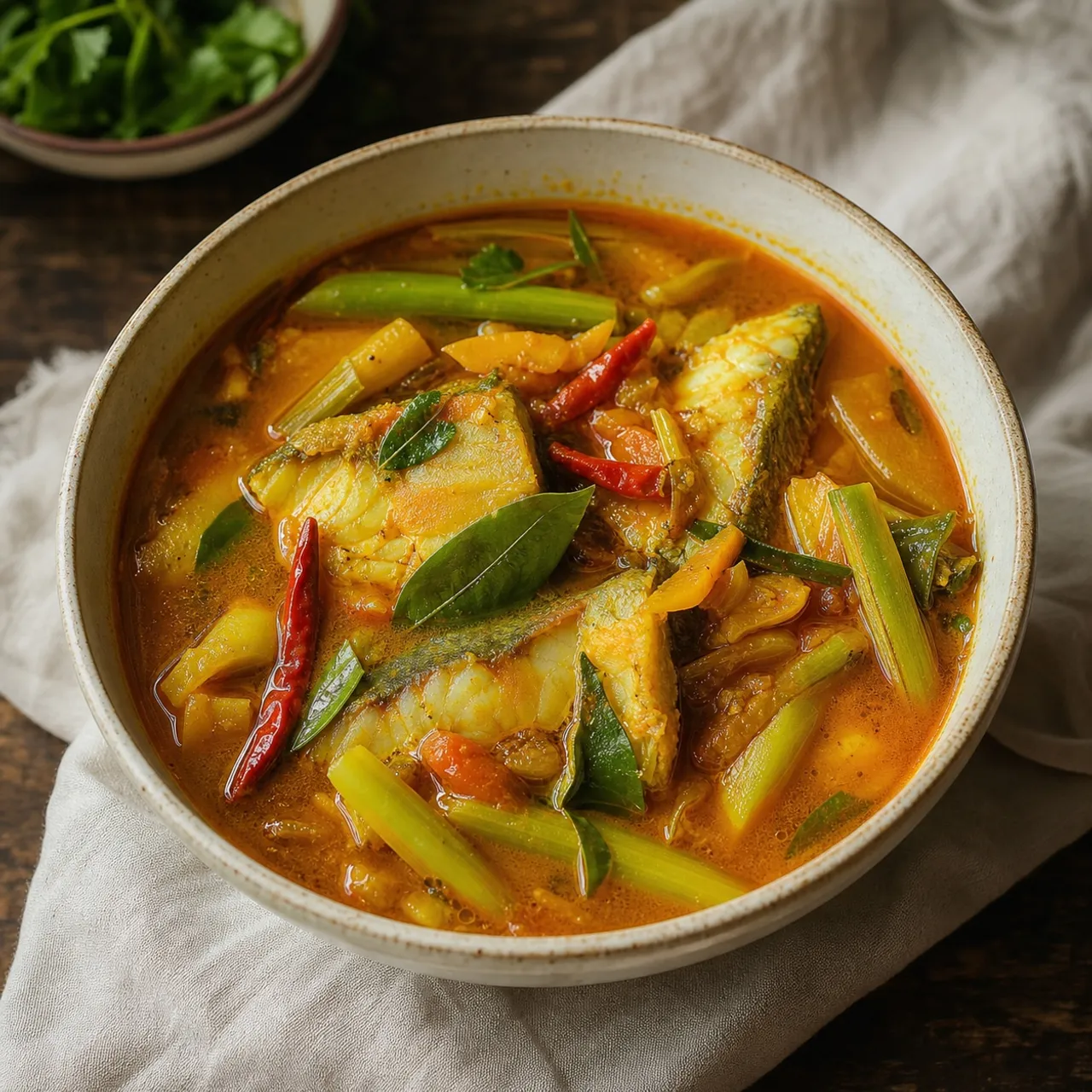
 Gaeng Som
A tangy, vibrant orange sour curry brimming with vegetables and flaky fish in a tamarind-spiked broth.
Contains common allergens
In the app, Listahan checks these against your household automatically.
Good to know
- One-pot
Matched from this dish's own ingredients and timing. Browse more: one-pot dinners
Instructions
5 steps- 1
Bring the 4 cups water to a boil in a pot, then whisk in the sour curry paste until fully dissolved and the broth turns a deep orange.
- 2
Stir in the tamarind paste, fish sauce, and palm sugar, adjusting to achieve the signature sour-salty-sweet balance.
- 3
Add the daikon and cauliflower and simmer for 5-6 minutes until they begin to soften.
- 4
Slide in the fish chunks and green beans, then simmer gently for another 4-5 minutes until the fish is opaque and flakes easily but stays intact.
- 5
Taste and adjust the seasoning, then ladle into bowls and serve hot with steamed jasmine rice.
Listahan Family Score™
64/100
Works for many families
Score reflects how well this recipe fits a typical busy household. In the app, your Family Score is personalized to your household's allergens, kids, and pantry.
Nutrition
per serving270
Calories
35 g
Protein
18 g
Carbs
7 g
Fat
Estimated per serving. Actual values depend on the brands and portions you use.
Listahan cooking guide
Chef notes & practical guide
Technique notes, ingredient swaps, serve-alongside ideas, storage guidance, and equipment for this recipe.
Cultural context
Gaeng som is a Thai sour curry built around a sharp, thin broth rather than coconut milk. In many Thai homes, the balance of tamarind, fish sauce, chile paste, and a little sweetness is adjusted by taste at the stove, with local vegetables and fish changing by region and season.
Listahan note
This version keeps the curry fast and weeknight-friendly, using prepared sour curry paste and sturdy vegetables that can simmer without falling apart. The main priority is a clean sour-salty-sweet broth with fish that stays in tender pieces.
Technique cues
- Whisk the sour curry paste into boiling water until no clumps remain; this gives the broth an even orange color and prevents pockets of raw paste.
- Add the daikon and cauliflower before the fish because they need a head start to soften and sweeten the broth.
- Keep the final simmer gentle after the fish goes in. A hard boil can break the chunks apart and cloud the broth.
Kitchen flow
- Parallel prep
- Start jasmine rice first, then slice the daikon and cauliflower while the water comes to a boil.
- Make-ahead
- Mix the broth with paste, tamarind, fish sauce, and palm sugar ahead of time, then cook the vegetables and fish just before serving.
- Leftover move
- Spoon extra broth and vegetables over fresh rice, then add the leftover fish at the end so it warms without breaking apart.
- Cleanup rhythm
- Rinse the pot soon after serving; tamarind and curry paste cling less once the broth has not dried onto the sides.
Ingredient brief
Role, handling, and swap guidance for each key ingredient.
White fish fillet (cod or tilapia)
Main protein
Purpose: Mild white fish cooks quickly and lets the sour curry broth stay at the center of the dish.
Handling: Cut into large chunks so the pieces can turn opaque without shredding in the pot.
Adaptation: Halibut or pollock can work if cut thick; thinner fillets need a shorter simmer.
Sour curry paste
Flavor base
Purpose: It brings the chile, aromatics, and orange color that define the curry broth.
Handling: Whisk it thoroughly into the boiling water before adding seasonings or vegetables.
Adaptation: Use a little less paste for a milder bowl, then build back with more after tasting.
Tamarind paste
Sour backbone
Purpose: Tamarind gives gaeng som its rounded tang, sharper than citrus but deeper than plain vinegar.
Handling: Stir it in before the vegetables so the broth can season them as they cook.
Adaptation: If your tamarind paste is very concentrated, start with less and add more after tasting.
Fish sauce
Salty depth
Purpose: Fish sauce seasons the broth while adding the savory depth that plain salt would not provide.
Handling: Add it early, then adjust near the end after the paste and tamarind have opened up.
Adaptation: Light soy sauce changes the flavor in a darker, less marine direction if you need a pantry backup.
Palm sugar
Balance
Purpose: A small amount softens the tamarind's edge without making the curry taste sweet.
Handling: Stir until dissolved before tasting, since undissolved sugar can make the balance seem off.
Adaptation: Light brown sugar works in the same small amount, though it brings a molasses note.
Daikon radish
Broth vegetable
Purpose: Daikon turns tender and slightly sweet while soaking up the sour curry broth.
Handling: Slice evenly so the pieces cook at the same pace as the cauliflower.
Adaptation: Napa cabbage or chayote gives a softer texture and will cook a little faster.
Technique notes
- Taste the broth before adding the fish, because it is much easier to adjust sourness, salt, and sweetness before the fish is delicate.
- Do not crowd the fish pieces. Slide them in gently and give the pot a small shake instead of stirring hard.
- Green beans should stay bright and a little snappy, so add them with the fish rather than with the longer-cooking vegetables.
Ingredient swaps
- Milder bowl
- Use 2 tablespoons sour curry paste at first, then add more after the broth has simmered and you can judge the heat.
- Vegetable rotation
- Replace cauliflower with napa cabbage, chayote, or sliced carrot, adjusting the simmer time until each vegetable is just tender.
- Pantry sweetener
- Use light brown sugar instead of palm sugar in the same amount, knowing it will make the broth taste a little warmer and darker.
Serve alongside
- Steamed jasmine rice
- Thai omelet with fish sauce
- Cucumber and shallot salad
- Stir-fried morning glory
- Thai iced tea
- Lime soda water
- Cold lager
Serving suggestions only — check pairings for your household's allergens.
Storage & reheating
- Refrigerate the curry with the fish and vegetables in a sealed container for up to 2 days.
- Reheat gently on the stovetop over low heat, adding a splash of water if the broth has concentrated.
- Freeze the broth and vegetables separately from freshly cooked fish for the best texture after thawing.
Equipment
- Medium pot
- Whisk
- Ladle
- Rice cooker
Make this household-aware
Listahan Pro checks this recipe against your household's allergens, finds pantry-aware swaps, builds the shopping list, and helps you plan the week around it.
Plan it in Listahan
Add Gaeng Som to your week, check it against your household's allergens, and build the shopping list automatically.
More Thai recipes
 Thai Lens Verified Images are for illustrative purposes only, may be inaccurate, and do not guarantee the presence or absence of specific ingredients.
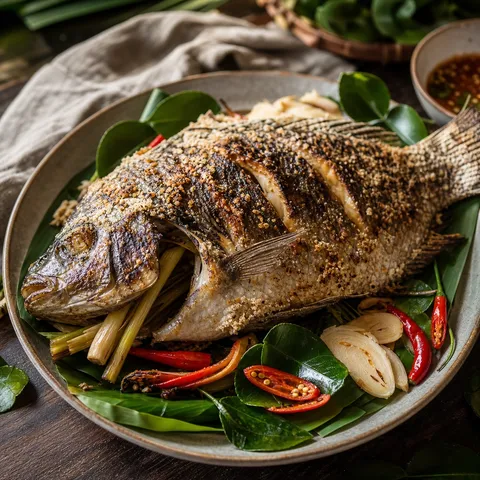
 Pla Pao
A whole salt-crusted fish stuffed with lemongrass and grilled until the skin is crackling and the flesh is silky.
 Thai Lens Verified Images are for illustrative purposes only, may be inaccurate, and do not guarantee the presence or absence of specific ingredients.
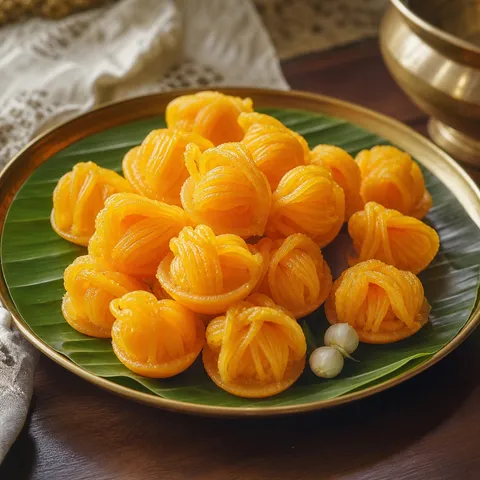
 Thong Yip
Petite golden flowers pressed from egg yolk and sugar, simmered in jasmine-scented syrup until set — a centuries-old Thai royal confection as beautiful as it is sweet.
 Thai Lens Verified Images are for illustrative purposes only, may be inaccurate, and do not guarantee the presence or absence of specific ingredients.
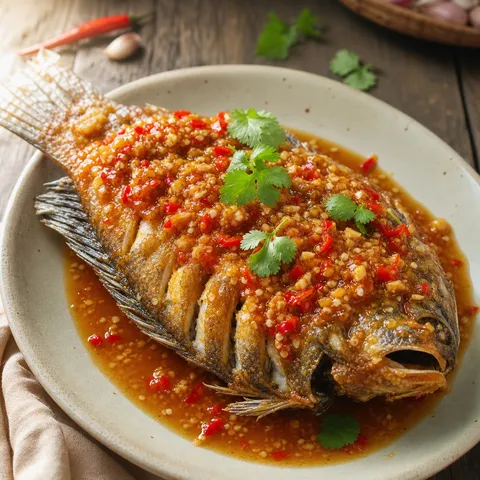
 Pla Rad Prik
Whole fish fried to a shatteringly crisp shell, then blanketed in a sticky, sweet-hot chili-tamarind sauce with garlic and basil — dramatic, punchy, and made for sharing.