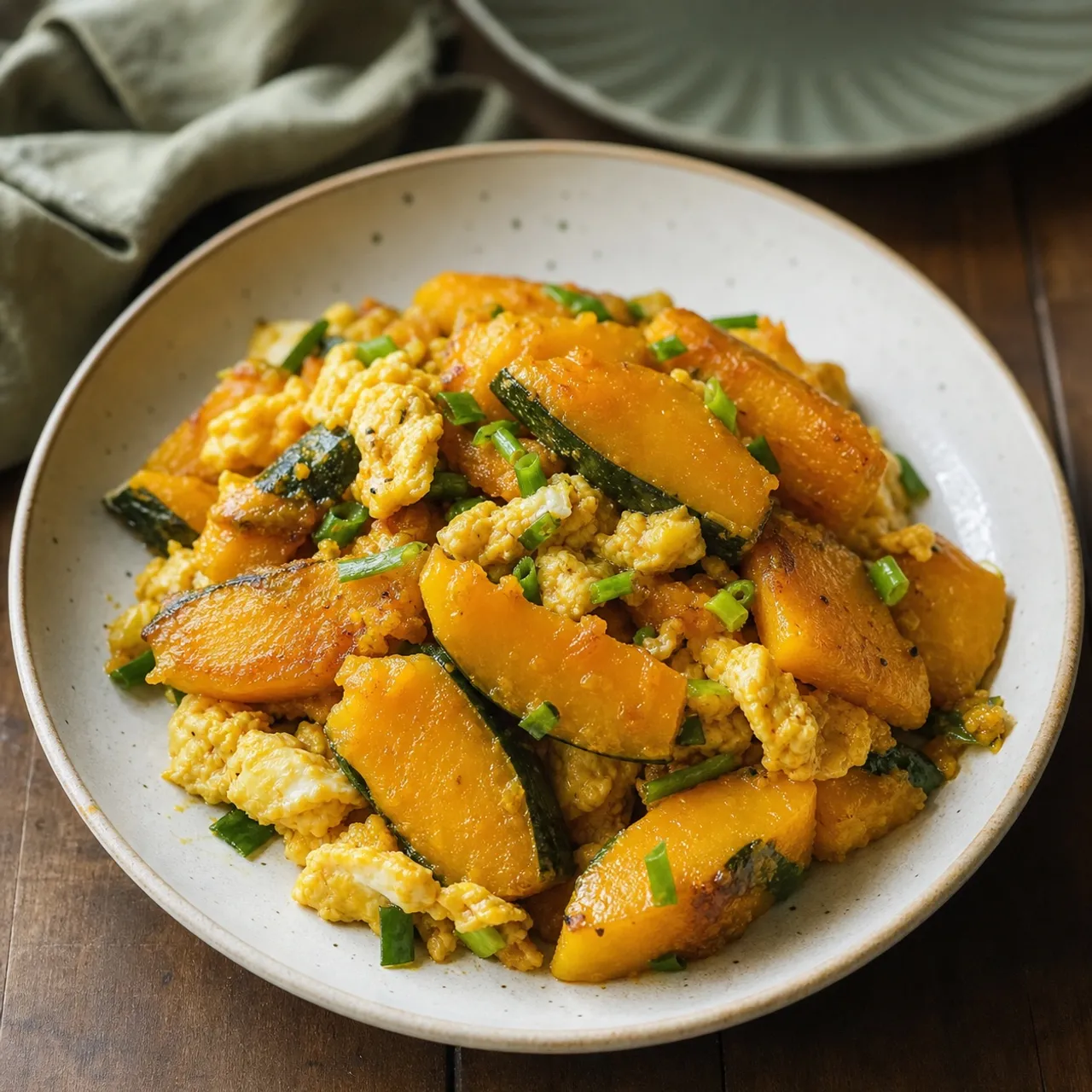
 Thai Images are for illustrative purposes only, may be inaccurate, and do not guarantee the presence or absence of specific ingredients.
 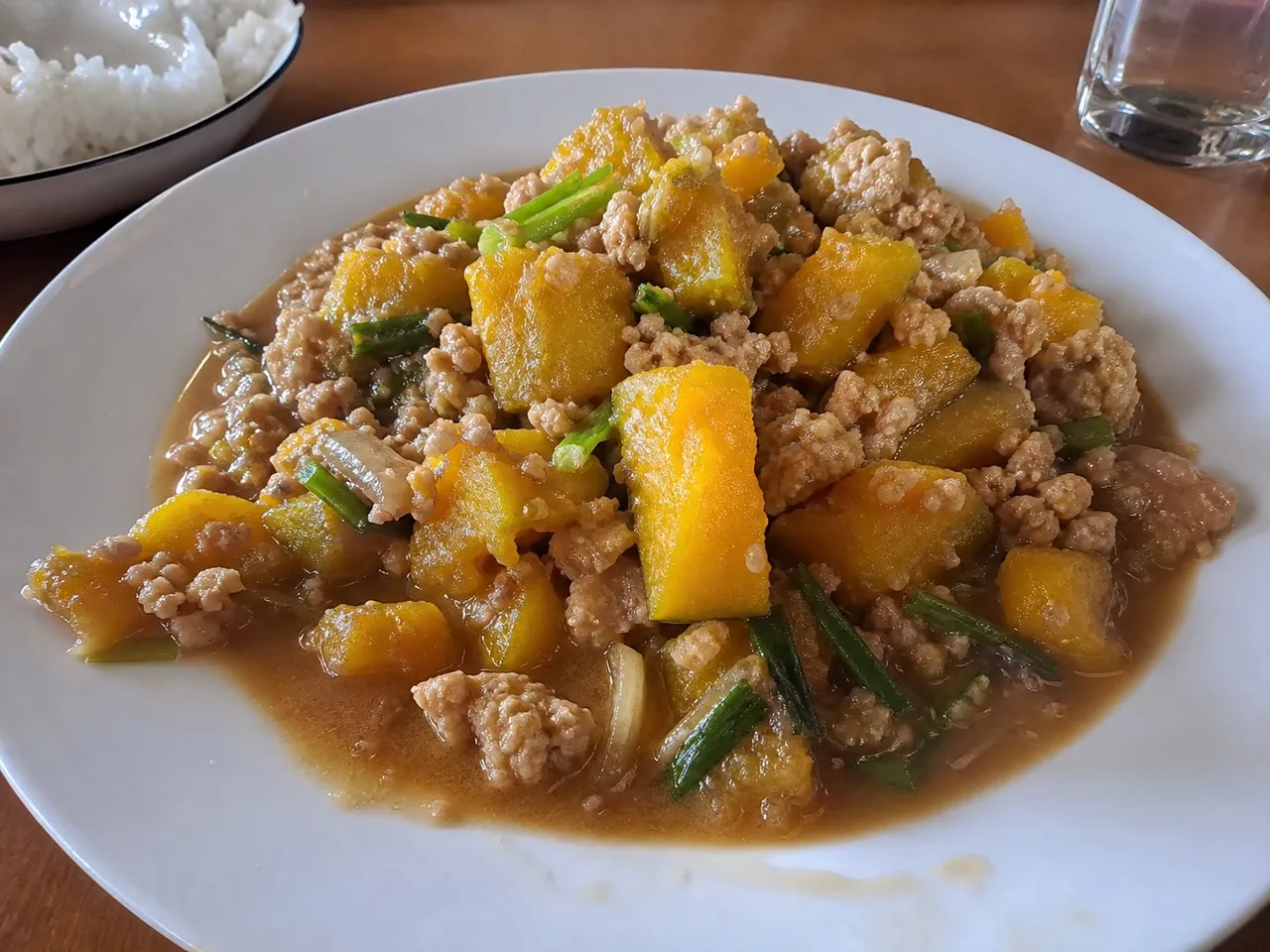 Serving Images are for illustrative purposes only, may be inaccurate, and do not guarantee the presence or absence of specific ingredients.
 Pad Phuk Tong
Sweet kabocha pumpkin stir-fried with egg and oyster sauce until just tender — a simple, homey Thai side dish that turns humble vegetables into something genuinely comforting.
Contains common allergens
In the app, Listahan checks these against your household automatically.
Good to know
- Ready in under 30 minutes
Matched from this dish's own ingredients and timing. Browse more: 30-minute meals
Instructions
7 steps- 1
Peel the kabocha and slice it thinly, about 1/4 inch thick, so it cooks through quickly and evenly.
- 2
Heat the oil in a wok over medium-high heat and fry the garlic until just fragrant and golden, taking care not to let it burn.
- 3
Add the pumpkin slices and toss to coat in the garlic oil, then add the water or stock and cover briefly to steam the pumpkin until it starts to soften, about 3 to 4 minutes.
- 4
Uncover and season with oyster sauce, fish sauce, and sugar, stirring to coat the pumpkin evenly, and continue cooking until just tender but still holding its shape, not mushy.
- 5
Push the pumpkin to one side of the wok and pour the beaten egg into the cleared space, letting it set slightly before scrambling it into loose curds.
- 6
Fold the egg through the pumpkin so the curds cling to the slices, and finish with a dusting of white pepper.
- 7
Stir in basil leaves if using, just until wilted, then transfer to a plate and serve warm as a side with steamed rice.
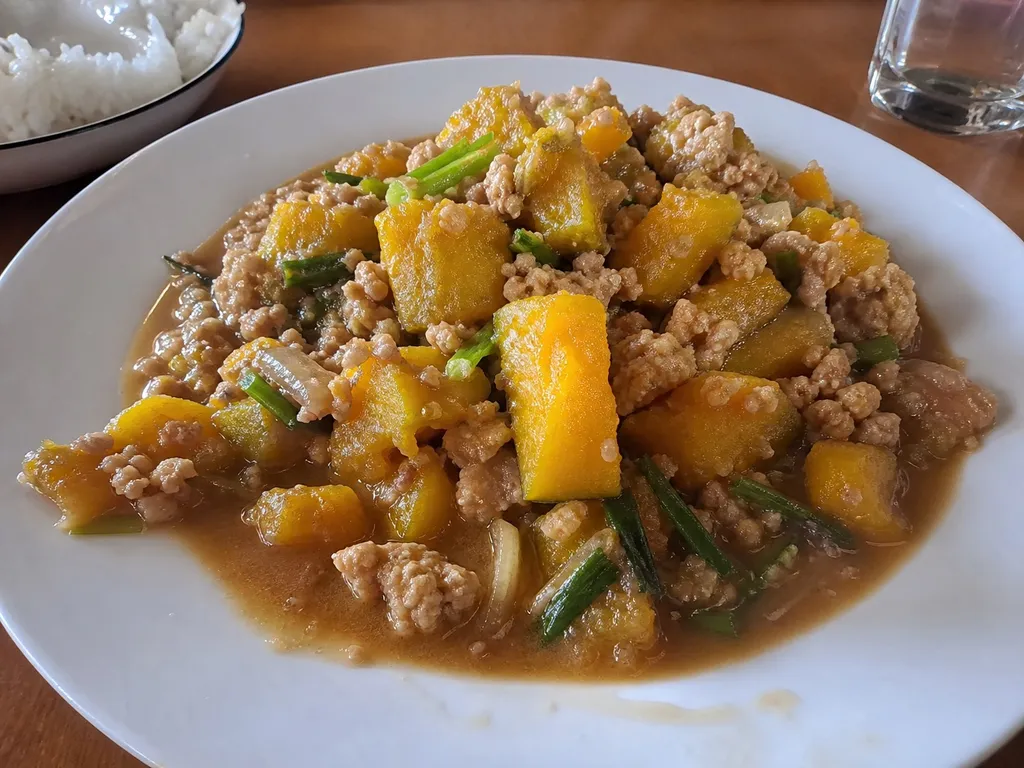 Images are for illustrative purposes only, may be inaccurate, and do not guarantee the presence or absence of specific ingredients.
 Listahan Family Score™
62/100
Works for many families
Score reflects how well this recipe fits a typical busy household. In the app, your Family Score is personalized to your household's allergens, kids, and pantry.
Nutrition
per serving70
Calories
5 g
Protein
8 g
Carbs
3 g
Fat
Estimated per serving. Actual values depend on the brands and portions you use.
Listahan cooking guide
Chef notes & practical guide
Technique notes, ingredient swaps, serve-alongside ideas, storage guidance, and equipment for this recipe.
Cultural context
Pad phuk tong is a homey Thai stir-fry of pumpkin or kabocha squash cooked with egg, garlic, and a savory sauce until the squash turns silky and caramel-sweet. It is an everyday vegetable dish that turns up on countless Thai family tables, valued for the way the squash drinks up the garlicky, slightly sweet sauce. The egg, scrambled in toward the end, softens the whole thing into a comforting, rice-friendly side.
Listahan note
This version cooks the squash with a splash of stock under a lid so it turns tender and creamy without falling apart. It keeps the sauce simple and savory so the natural sweetness of the squash leads.
Technique cues
- Cover the pan briefly after adding a little liquid so the dense squash steams through without scorching.
- Stop cooking the moment the squash yields to a fork, since a minute too long turns the pieces to mush.
- Scramble the egg in at the end so it sets into soft ribbons that bind the squash and sauce.
Kitchen flow
- Parallel prep
- Cut the squash and mince the garlic while the pan heats, since the squash takes longest to soften.
- Make-ahead
- Cube the squash a day ahead and refrigerate, then stir-fry fresh in minutes at mealtime.
- Leftover move
- Mash leftover squash into a savory spread for toast or fold into fried rice.
- Cleanup rhythm
- Soak the pan right after plating, as the sticky sauce wipes off easily while still warm.
Ingredient brief
Role, handling, and swap guidance for each key ingredient.
kabocha squash
main vegetable
Purpose: Kabocha turns silky and sweet when cooked, soaking up the savory sauce beautifully.
Handling: Cut into thin bite-size wedges, leaving the skin on since it softens and adds texture.
Adaptation: Butternut squash or pumpkin works, though butternut cooks a touch faster.
eggs
binder
Purpose: Egg adds gentle richness and binds the squash and sauce into a cohesive dish.
Handling: Crack into a cleared space in the pan and scramble lightly before folding in.
Adaptation: Leave the egg out for an egg-free version and add a little more squash for body.
garlic
aromatic base
Purpose: Garlic fried in oil builds the savory foundation that the sweet squash plays against.
Handling: Mince and fry until fragrant and just golden before the squash goes in.
Adaptation: Garlic powder works at a pinch but loses the fresh punch.
oyster sauce
savory glaze
Purpose: Oyster sauce lends the deep, slightly sweet umami that coats the squash.
Handling: Stir in with a splash of water once the squash is nearly tender.
Adaptation: Mushroom stir-fry sauce keeps it vegetarian and shellfish-free.
soy sauce
salt and depth
Purpose: Soy sauce seasons the dish and balances the squash's sweetness.
Handling: Add along with the oyster sauce and taste before adding more.
Adaptation: Tamari keeps it gluten-free with the same savory note.
Technique notes
- Slice the squash thin and even so every piece cooks through at the same time without some staying hard.
- Add liquid sparingly; you want the squash to steam-soften, not stew into a watery braise.
- Taste a piece before serving and adjust the sauce, since squash sweetness varies a lot by season.
Ingredient swaps
- Vegetarian direction
- Use mushroom stir-fry sauce in place of oyster sauce for a fully vegetarian dish.
- Gluten-free direction
- Swap in tamari and a certified gluten-free oyster sauce to keep it wheat-free.
- Egg-free direction
- Skip the egg and add a handful of fried tofu for protein and bulk.
Serve alongside
- Steamed jasmine rice
- Thai omelet (kai jeow)
- Tom kha gai
- Grilled chicken (gai yang)
- Jasmine tea
- Thai iced tea
- Cold water with lime
Serving suggestions only — check pairings for your household's allergens.
Storage & reheating
- Refrigerate up to three days in a sealed container. Reheat in a hot pan or microwave with a splash of water to loosen the sauce. Freezing is possible but the squash softens further and the egg texture suffers on thaw.
Equipment
- Wok or large skillet with lid
- Sharp chef's knife
- Wooden spatula
- Cutting board
Make this household-aware
Listahan Pro checks this recipe against your household's allergens, finds pantry-aware swaps, builds the shopping list, and helps you plan the week around it.
Plan it in Listahan
Add Pad Phuk Tong to your week, check it against your household's allergens, and build the shopping list automatically.
More Thai recipes
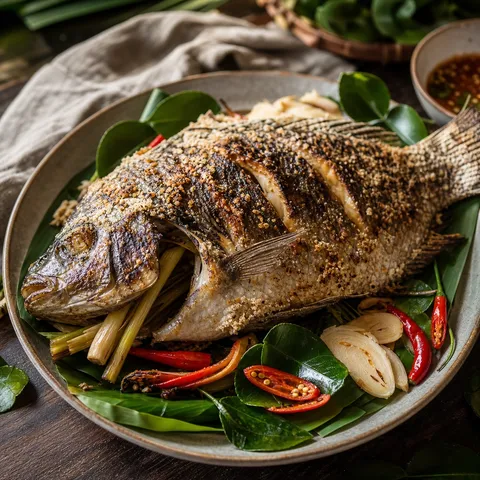 Thai Lens Verified Images are for illustrative purposes only, may be inaccurate, and do not guarantee the presence or absence of specific ingredients.
 Pla Pao
A whole salt-crusted fish stuffed with lemongrass and grilled until the skin is crackling and the flesh is silky.
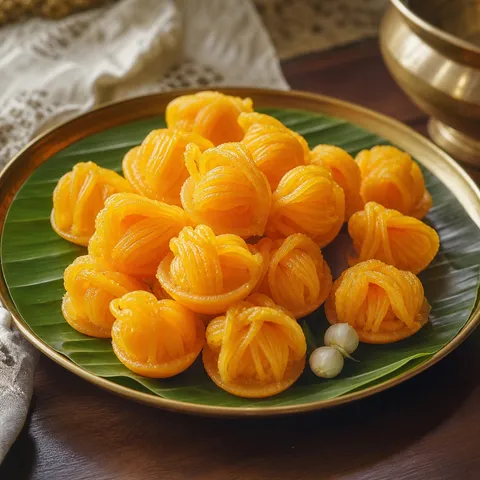 Thai Lens Verified Images are for illustrative purposes only, may be inaccurate, and do not guarantee the presence or absence of specific ingredients.
 Thong Yip
Petite golden flowers pressed from egg yolk and sugar, simmered in jasmine-scented syrup until set — a centuries-old Thai royal confection as beautiful as it is sweet.
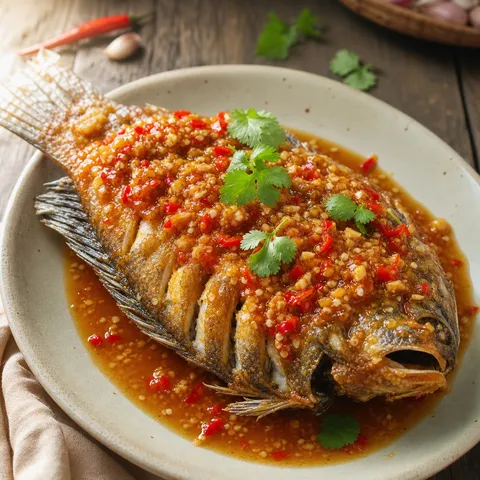 Thai Lens Verified Images are for illustrative purposes only, may be inaccurate, and do not guarantee the presence or absence of specific ingredients.
 Pla Rad Prik
Whole fish fried to a shatteringly crisp shell, then blanketed in a sticky, sweet-hot chili-tamarind sauce with garlic and basil — dramatic, punchy, and made for sharing.