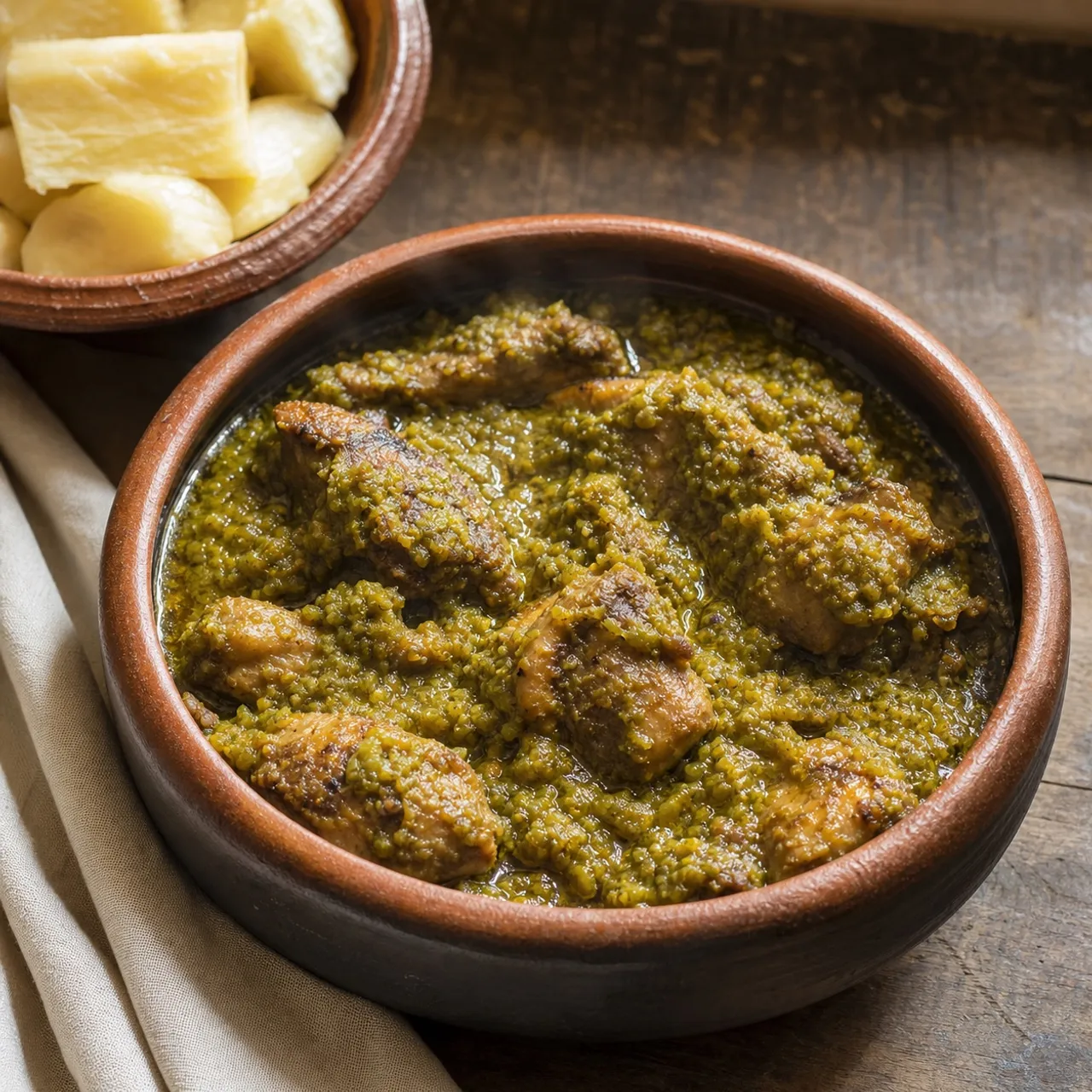
 West African Images are for illustrative purposes only, may be inaccurate, and do not guarantee the presence or absence of specific ingredients.
 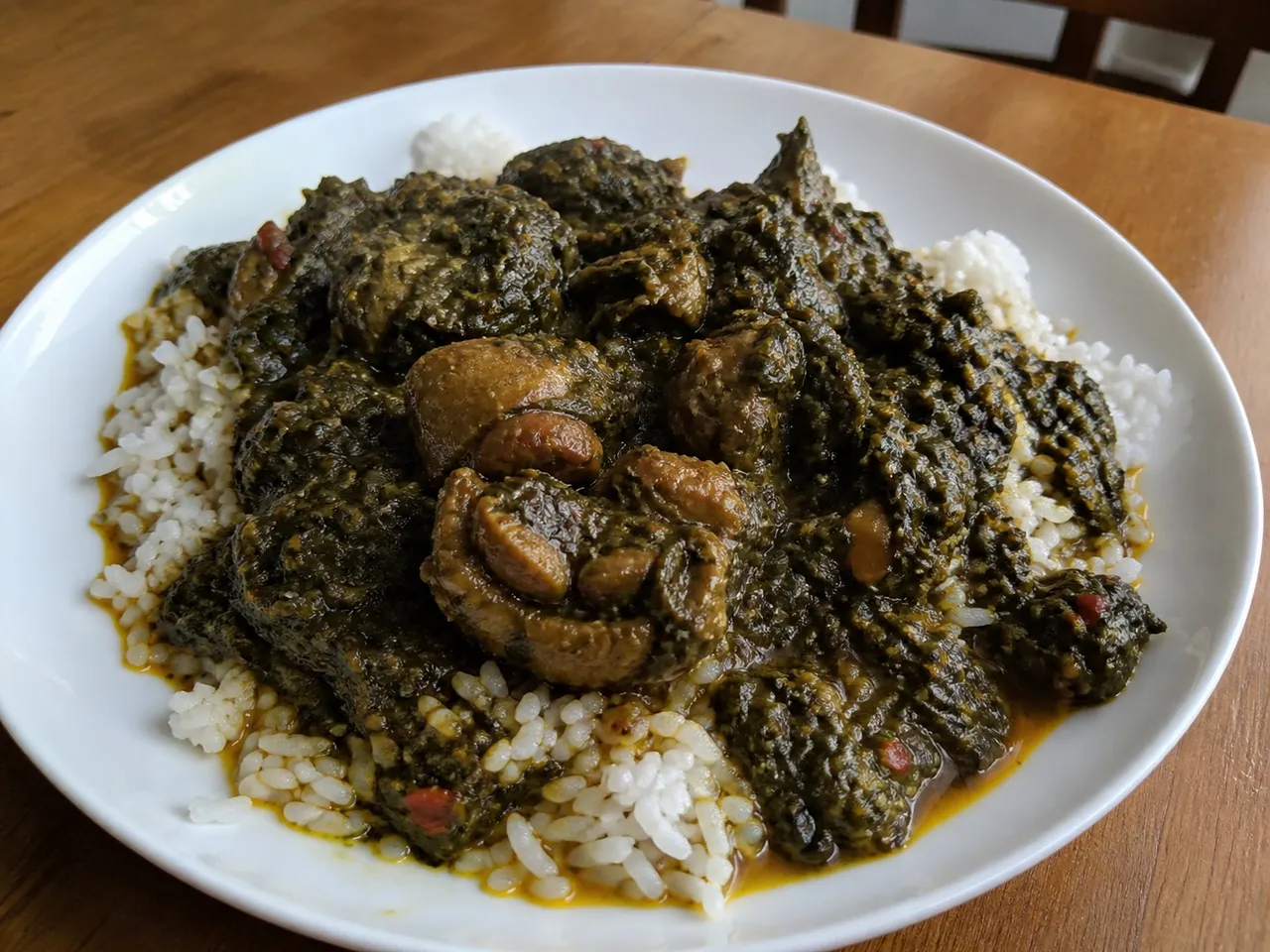 Serving Images are for illustrative purposes only, may be inaccurate, and do not guarantee the presence or absence of specific ingredients.
 Ayamase
A bold, fiery green pepper sauce made with bleached palm oil and assorted meats — complex, deeply savory, and the iconic pairing for smoky ofada rice.
Contains common allergens
In the app, Listahan checks these against your household automatically.
Instructions
8 steps- 1
Season the assorted meats with half the onion, one seasoning cube, and salt, cover with water, and simmer for 40 to 45 minutes until tender; reserve the broth.
- 2
Blend the green bell peppers and scotch bonnet peppers together into a coarse puree, then set aside.
- 3
In a heavy pot, heat the palm oil over medium-high heat until it bleaches to a lighter, clear golden color, about 10 to 12 minutes; this step is essential to ayamase's signature color and mellowed flavor, so stir occasionally and do not let it smoke.
- 4
Add the remaining onion to the bleached oil and fry for 3 to 4 minutes until softened.
- 5
Pour in the blended pepper puree and fry over medium heat, stirring frequently, for 15 to 20 minutes, until the raw pepper smell is gone and the sauce has reduced and darkened slightly.
- 6
Stir in the cooked meats, dried fish, iru, remaining seasoning cube, and a splash of the reserved broth, and simmer for 10 minutes to let the flavors combine.
- 7
Season with salt to taste; the finished sauce should be thick, deeply savory, and fiery.
- 8
Serve hot, spooned generously over ofada rice.
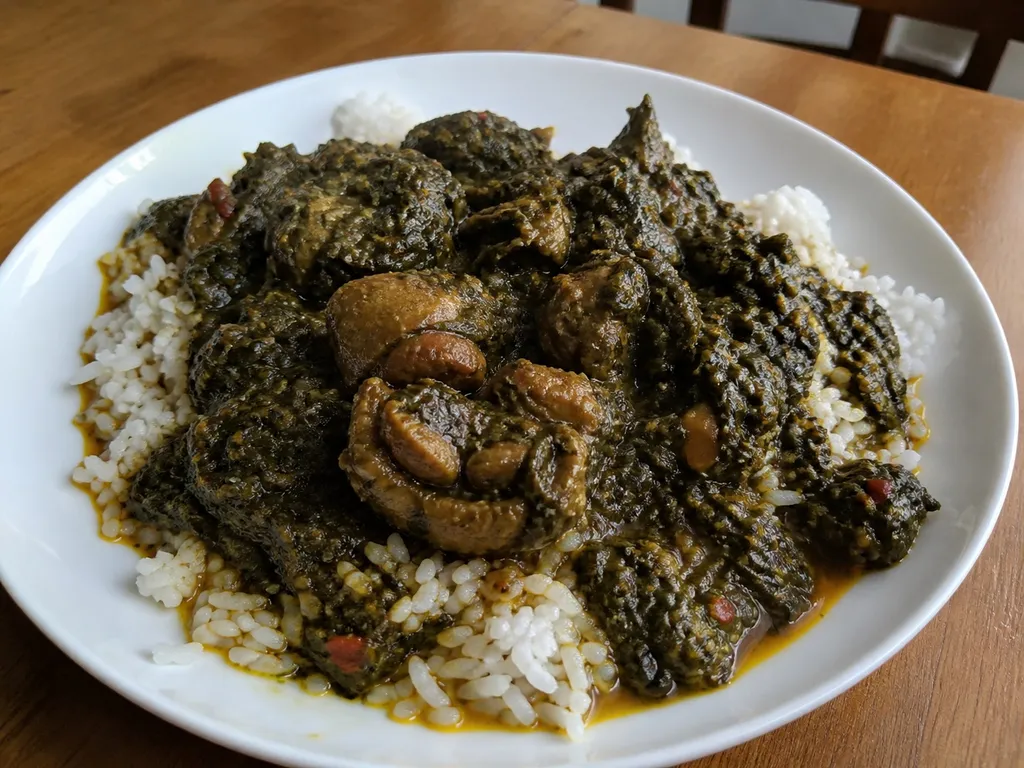 Images are for illustrative purposes only, may be inaccurate, and do not guarantee the presence or absence of specific ingredients.
 Listahan Family Score™
61/100
Works for many families
Score reflects how well this recipe fits a typical busy household. In the app, your Family Score is personalized to your household's allergens, kids, and pantry.
Nutrition
per serving255
Calories
1 g
Protein
3 g
Carbs
27 g
Fat
Estimated per serving. Actual values depend on the brands and portions you use.
Listahan cooking guide
Chef notes & practical guide
Technique notes, ingredient swaps, serve-alongside ideas, storage guidance, and equipment for this recipe.
Cultural context
Ayamase, often called ofada stew or designer stew, is a fiery Yoruba pepper sauce built from blended green bell and chili peppers cooked down in well-bleached palm oil with assorted meats, locust beans, and boiled eggs. The defining technique is bleaching the palm oil, heating it until it loses its red color and develops a smoky depth, which gives the stew its signature dark, intense character. It is the near-inseparable partner to ofada rice and a centerpiece of celebratory Yoruba tables.
Listahan note
This version leans into the bleached-palm-oil technique for authentic smoky depth while keeping the heat adjustable. It is built to crown a plate of ofada rice with assorted meats and eggs.
Technique cues
- Bleach the palm oil carefully in a well-ventilated kitchen, heating it until it turns clear and smoky, which is the step that defines ayamase's flavor.
- Use mostly green peppers, blending bell peppers with hot green chilies so the stew reads green and fruity rather than red.
- Fry the blended pepper base long and patiently until the water cooks off and the oil rises, the sign the stew has reached its rich, concentrated state.
Kitchen flow
- Parallel prep
- Boil the assorted meats and the eggs while you blend the peppers so everything is ready when the oil is bleached.
- Make-ahead
- Ayamase keeps and deepens for days; make it ahead and reheat, as the flavors marry and the heat mellows slightly.
- Leftover move
- Spoon leftover ayamase over fresh ofada or plain rice, or use it as a fiery base for a quick noodle or egg dish.
- Cleanup rhythm
- Wipe the pot while warm before the palm oil sets, and run the kitchen fan during and after bleaching to clear the smoke.
Ingredient brief
Role, handling, and swap guidance for each key ingredient.
green bell peppers and green chilies
the pepper base
Purpose: Blended green peppers give ayamase its signature color, fruity aroma, and fiery heat.
Handling: Blend coarsely, then cook the puree down until thick and the raw edge is gone.
Adaptation: Adjust the bell-to-chili ratio to control heat; more bell peppers makes it milder.
palm oil
smoky foundation
Purpose: Bleached palm oil is the heart of the dish, lending the dark color and smoky depth that distinguish ayamase.
Handling: Heat it until it turns from red to clear and smoking, then cool slightly before adding aromatics.
Adaptation: There is no true substitute for the bleached-oil flavor, though unbleached palm oil makes a milder, redder stew.
locust beans (iru)
umami depth
Purpose: Fermented locust beans give the stew its deep, funky savor that balances the heat.
Handling: Rinse and stir in as the pepper base fries so it melts into the oil.
Adaptation: A spoonful of miso or a dash of fish sauce approximates the umami.
assorted meats
protein and richness
Purpose: Beef, tripe, and other cuts add chew and gelatin that make ayamase a substantial centerpiece.
Handling: Boil the meats with seasoning first, then add them and their stock to the stew.
Adaptation: Use mushrooms and firm tofu for a vegetarian version with the same green pepper base.
boiled eggs
traditional garnish
Purpose: Halved boiled eggs are a classic ayamase touch that soaks up the spicy oil.
Handling: Hard-boil, peel, and add whole or halved near the end of cooking.
Adaptation: Omit for an egg-free version without changing the stew's character.
Technique notes
- Bleach the oil to taste; a lighter bleach keeps more color and a fuller bleach gives a deeper, smokier stew.
- Cook the pepper base until the oil visibly separates and floats; that is the doneness cue, not the clock.
- Add a whole habanero to the blend if you want serious heat, or hold back chilies for a family-friendly version.
Ingredient swaps
- Vegetarian direction
- Skip the meats and use mushrooms, firm tofu, and vegetable stock, keeping the bleached-oil and pepper base intact.
- Milder direction
- Shift the blend toward green bell peppers and few or no chilies for a stew kids can eat.
- Egg-free direction
- Leave out the boiled eggs; the stew stands on its own with the meats and pepper base.
Serve alongside
- ofada rice
- boiled white rice
- fried plantains
- chilled palm wine
- zobo hibiscus drink
- cold malt drink
Serving suggestions only — check pairings for your household's allergens.
Storage & reheating
- Refrigerate ayamase in an airtight container for up to five days; it keeps well thanks to the cooked-down oil. Reheat gently on the stove. It freezes for up to three months and reheats from frozen over low heat; stir to recombine the oil.
Equipment
- heavy pot or Dutch oven
- blender for the peppers
- well-ventilated stovetop or range hood
- wooden spoon
Make this household-aware
Listahan Pro checks this recipe against your household's allergens, finds pantry-aware swaps, builds the shopping list, and helps you plan the week around it.
Plan it in Listahan
Add Ayamase to your week, check it against your household's allergens, and build the shopping list automatically.
More West African recipes
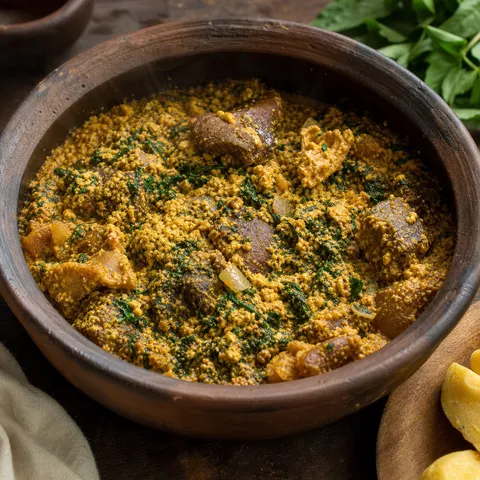 West African Lens Verified Images are for illustrative purposes only, may be inaccurate, and do not guarantee the presence or absence of specific ingredients.
 Egusi Soup
Ground melon seeds simmered with palm oil, leafy greens, and bold spices into a rich, nutty stew that's a cornerstone of Nigerian home cooking.
 West African Lens Verified Images are for illustrative purposes only, may be inaccurate, and do not guarantee the presence or absence of specific ingredients.
 Banku
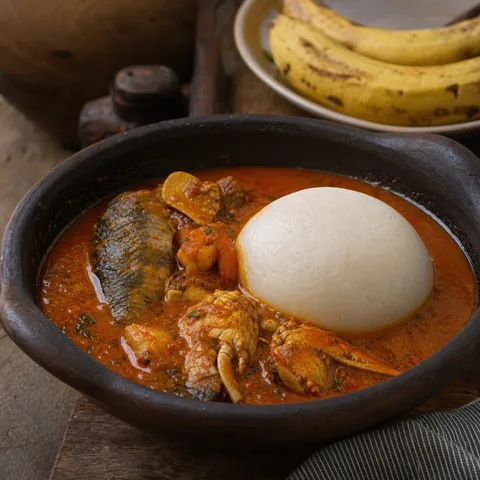
A smooth, slightly tangy Ghanaian dough of fermented corn and cassava, cooked to a stretchy consistency — the perfect partner for okra stew or grilled tilapia.
 West African Lens Verified Images are for illustrative purposes only, may be inaccurate, and do not guarantee the presence or absence of specific ingredients.
 Pepper Soup
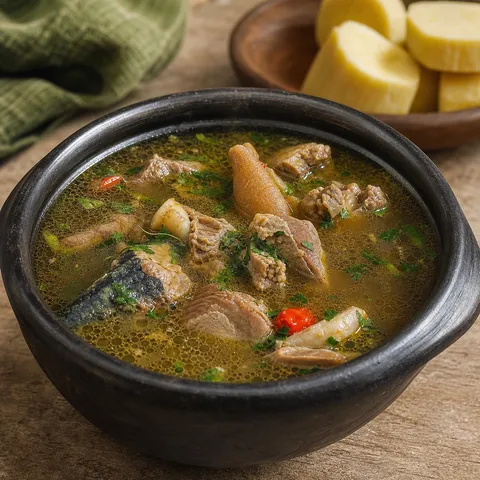
A piercingly spiced, crystal-clear broth simmered with goat meat or catfish and a blend of earthy Nigerian spices — warming, restorative, and intensely aromatic.