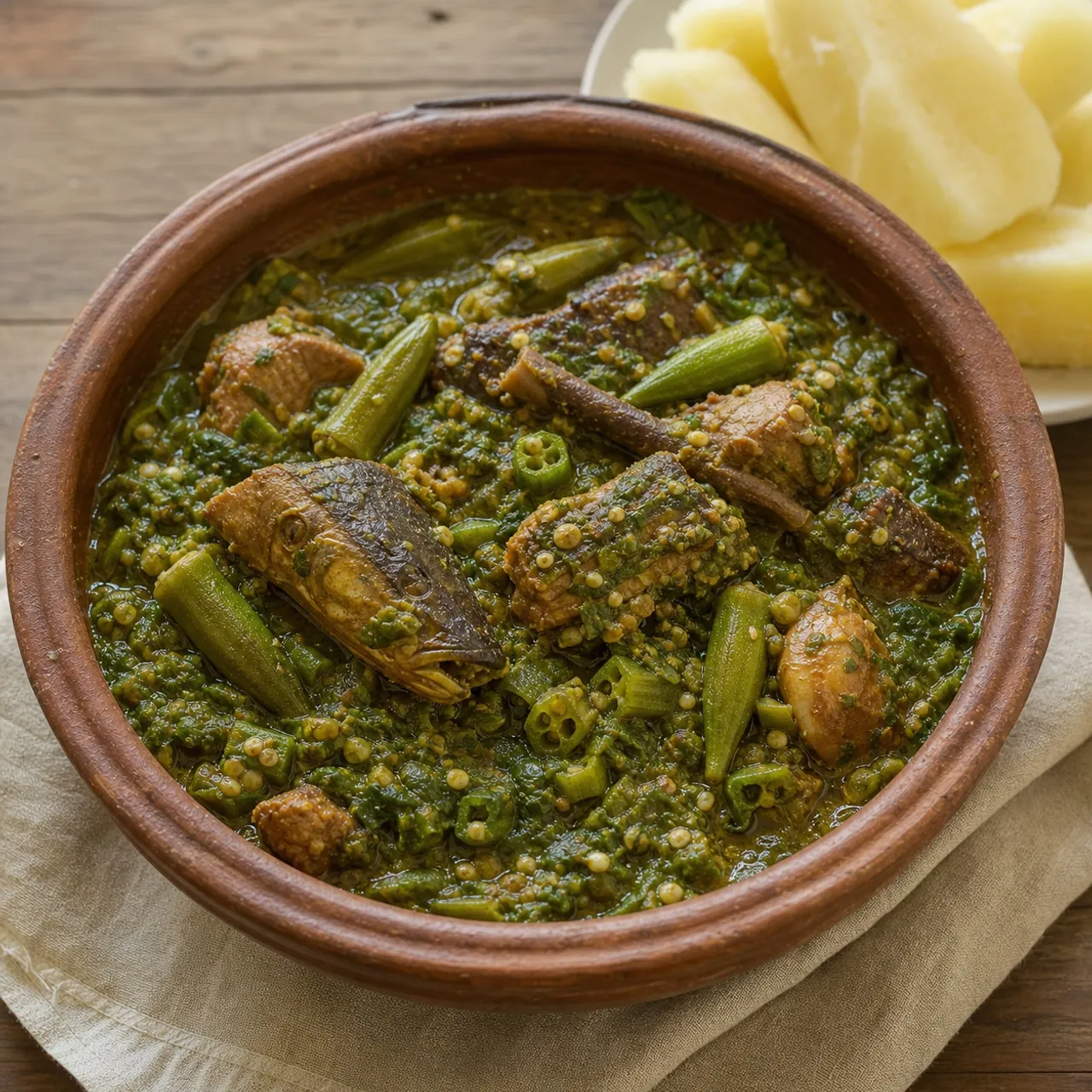
 West African Images are for illustrative purposes only, may be inaccurate, and do not guarantee the presence or absence of specific ingredients.
 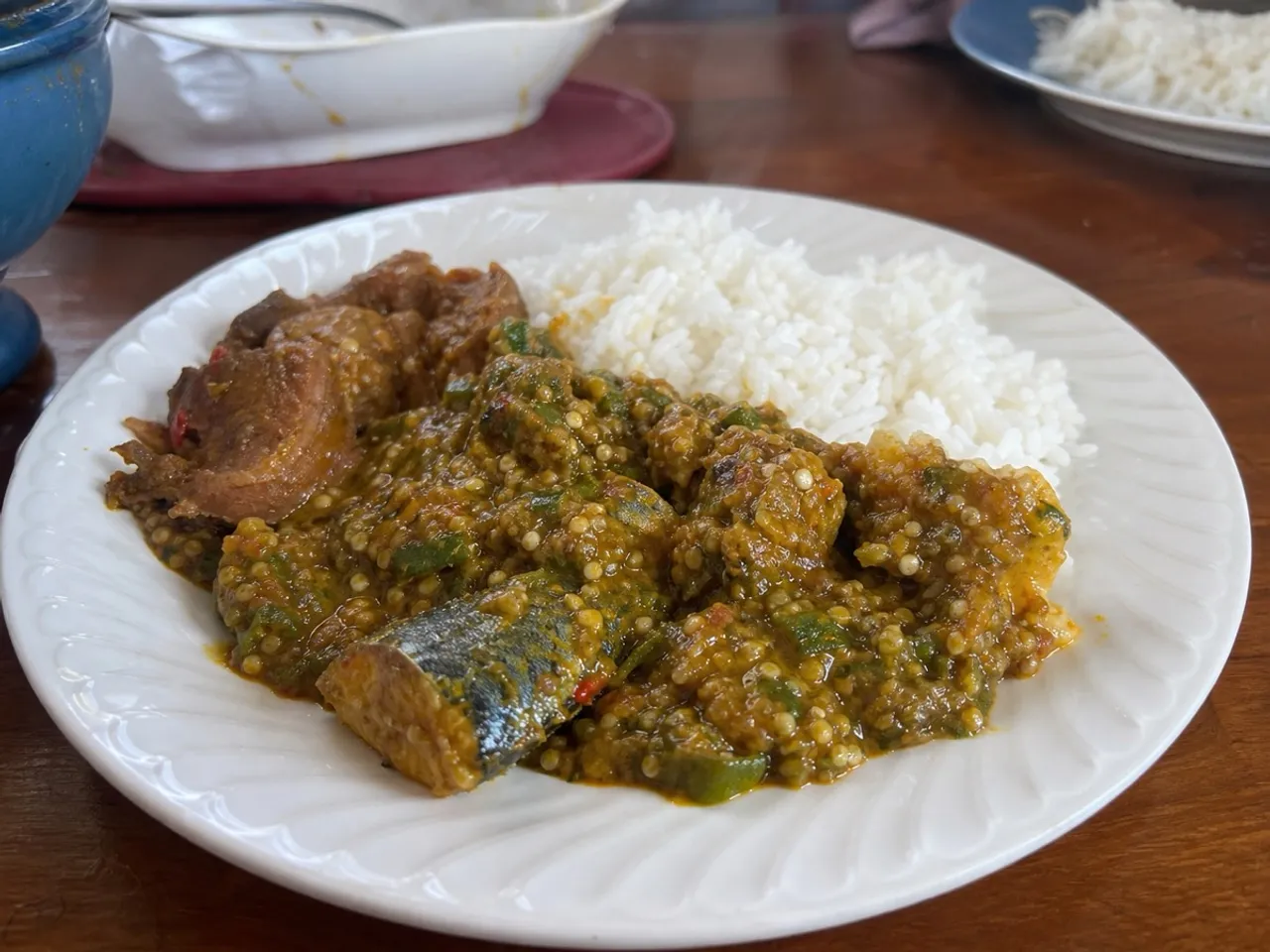 Serving Images are for illustrative purposes only, may be inaccurate, and do not guarantee the presence or absence of specific ingredients.
 Superkanja
Gambia's deeply flavored okra stew — silky and gelatinous from slow-cooked okra, enriched with fish, palm oil, and spices into a uniquely comforting dish.
Contains common allergens
In the app, Listahan checks these against your household automatically.
Instructions
8 steps- 1
Season the beef with half the onion, one seasoning cube, and salt, cover with water, and simmer for 30 minutes until tender; reserve the broth.
- 2
In a separate pot, heat the palm oil over medium heat until it loosens and turns translucent.
- 3
Add the remaining onion, garlic, and ginger, and saute for 3 to 4 minutes until fragrant.
- 4
Stir in the tomatoes and scotch bonnet and cook for 5 minutes, until the tomatoes break down.
- 5
Add the cooked beef, smoked fish, remaining seasoning cube, and about 1 cup of the reserved broth, and bring to a simmer.
- 6
Stir in the chopped okra and cook uncovered over medium-low heat, stirring frequently, for 15 to 20 minutes, until the stew turns glossy and thickens into a ropy, slightly gelatinous texture.
- 7
Season with salt to taste and simmer for a final 5 minutes to let the flavors settle.
- 8
Serve hot over rice or with a swallow such as fufu.
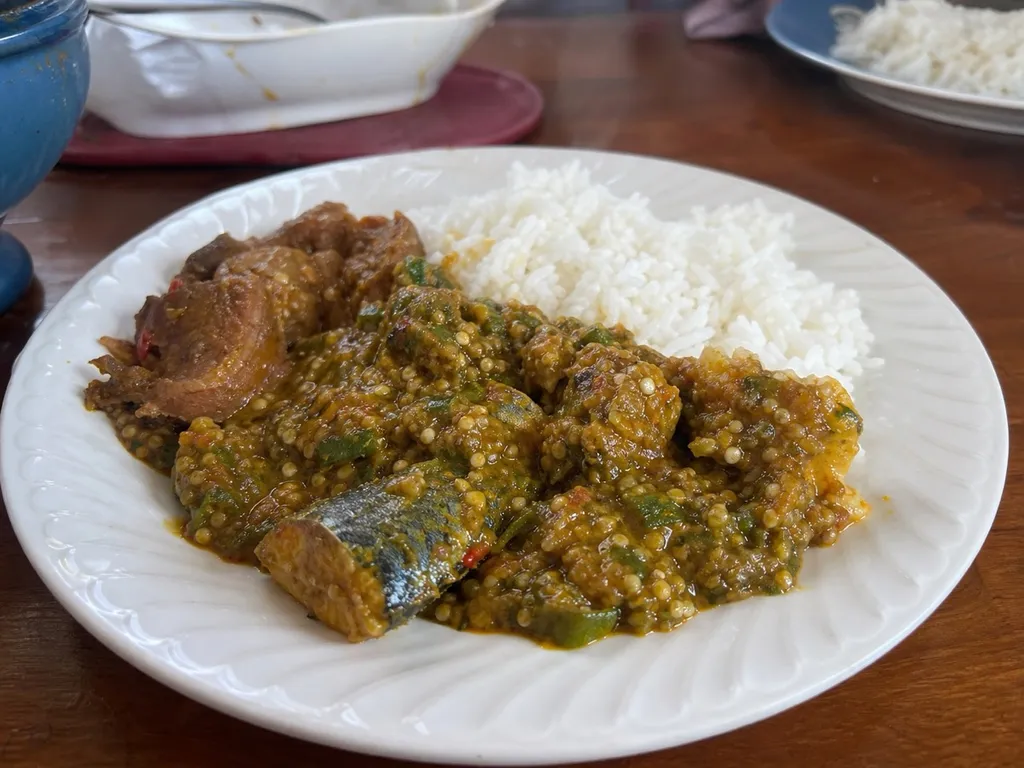 Images are for illustrative purposes only, may be inaccurate, and do not guarantee the presence or absence of specific ingredients.
 Listahan Family Score™
59/100
Works for many families
Score reflects how well this recipe fits a typical busy household. In the app, your Family Score is personalized to your household's allergens, kids, and pantry.
Nutrition
per serving525
Calories
67 g
Protein
8 g
Carbs
25 g
Fat
Estimated per serving. Actual values depend on the brands and portions you use.
Listahan cooking guide
Chef notes & practical guide
Technique notes, ingredient swaps, serve-alongside ideas, storage guidance, and equipment for this recipe.
Cultural context
Superkanja is the Gambian and Senegalese okra stew, a thick, glossy braise of finely chopped okra simmered with palm oil, smoked and fresh fish, and often beef or shrimp. The name nods to its abundance, a hearty pot meant to stretch over rice and feed a crowd. Its signature is the way grated okra thickens the stew into a rich, almost velvety sauce rather than leaving the pods whole and slippery.
Listahan note
This version balances the okra body with smoky depth from dried fish while keeping the pieces tender, not stringy. It is built to ladle generously over plain white rice.
Technique cues
- Grate or very finely chop the okra so it breaks down into a thick, cohesive sauce instead of staying in slippery whole pods.
- Add a little palm oil for the authentic color and earthy flavor, but skim any excess off the top so the stew tastes rich rather than greasy.
- Let the smoked fish simmer long enough to release its flavor into the base, then flake it back in so every spoonful carries that smoky note.
Kitchen flow
- Parallel prep
- Set rice to cook while the stew simmers, and grate the okra last so it does not brown before it goes in.
- Make-ahead
- The smoked-fish and meat base can be simmered a day ahead; stir the grated okra in only when reheating to keep its fresh thickening power.
- Leftover move
- Spoon leftover superkanja over fresh rice, or thin it with a little stock and serve as a thick soup the next day.
- Cleanup rhythm
- Soak the pot promptly since palm oil sets as it cools, and wipe the grater right away before okra residue dries onto it.
Ingredient brief
Role, handling, and swap guidance for each key ingredient.
fresh okra
body and thickener
Purpose: Grated okra releases the natural pectin that gives superkanja its signature thick, glossy texture.
Handling: Trim and grate or finely chop it; rinsing the knife keeps it from clumping.
Adaptation: Frozen cut okra works in the off-season; thaw and chop it finer before adding.
smoked fish
smoky depth
Purpose: Dried or smoked fish is the backbone flavor that makes the stew taste like the real thing rather than a plain vegetable braise.
Handling: Soak it briefly to soften, pick out any bones, then flake it into the pot.
Adaptation: Smoked mackerel or a spoonful of smoked paprika plus extra fish stock approximates the smokiness.
palm oil
color and earthy richness
Purpose: It lends the deep reddish hue and characteristic earthy flavor that define West African stews like this one.
Handling: Warm it gently to liquefy, but do not let it smoke, which turns it acrid.
Adaptation: A neutral oil with a teaspoon of sweet paprika gives some of the color, though not the same flavor.
Scotch bonnet pepper
heat and aroma
Purpose: It brings the fruity, floral heat that runs through the cuisine and lifts the rich okra base.
Handling: Add it whole for gentle heat or chopped for a stronger kick, removing seeds to temper it.
Adaptation: A habanero is the closest match; a milder Fresno reduces the heat considerably.
beef or shrimp
protein and savor
Purpose: A meat or shellfish element adds chew and savory depth that rounds out the stew into a full meal.
Handling: Brown beef first for flavor, or add shrimp near the end so it stays tender.
Adaptation: Use only fish and shellfish for a lighter pot, or extra beans for a meat-free version.
Technique notes
- Add the okra in stages if you want some thickening and some texture, holding back a handful to stir in near the end.
- Taste before adding extra salt, since smoked and dried fish carry their own seasoning into the pot.
- Stir occasionally rather than constantly so the okra thickens without breaking down into a flat puree.
Ingredient swaps
- Seafood-free direction
- Skip the fish and shellfish and build smoky depth with smoked paprika and a mushroom or vegetable stock, leaning on beef for body.
- Lower-sodium direction
- Rinse the smoked fish well and use unsalted stock, seasoning only at the end after tasting.
- Weeknight shortcut
- Use frozen chopped okra and pre-cooked shrimp to get the stew on the table in under forty minutes.
Serve alongside
- plain steamed white rice
- fufu
- fried sweet plantains
- bissap hibiscus drink
- fresh ginger juice
- cold tamarind cooler
Serving suggestions only — check pairings for your household's allergens.
Storage & reheating
- Refrigerate superkanja in an airtight container for up to three days; the flavor deepens overnight. Reheat gently on the stove with a splash of water to loosen the thickened okra. It freezes for up to two months, though the okra texture softens further after thawing.
Equipment
- heavy stew pot or Dutch oven
- box grater for the okra
- fine sieve for soaking smoked fish
- wooden spoon
Make this household-aware
Listahan Pro checks this recipe against your household's allergens, finds pantry-aware swaps, builds the shopping list, and helps you plan the week around it.
Plan it in Listahan
Add Superkanja to your week, check it against your household's allergens, and build the shopping list automatically.
More West African recipes
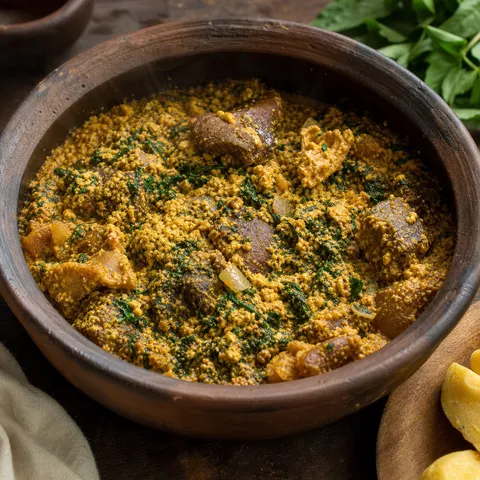 West African Lens Verified Images are for illustrative purposes only, may be inaccurate, and do not guarantee the presence or absence of specific ingredients.
 Egusi Soup
Ground melon seeds simmered with palm oil, leafy greens, and bold spices into a rich, nutty stew that's a cornerstone of Nigerian home cooking.
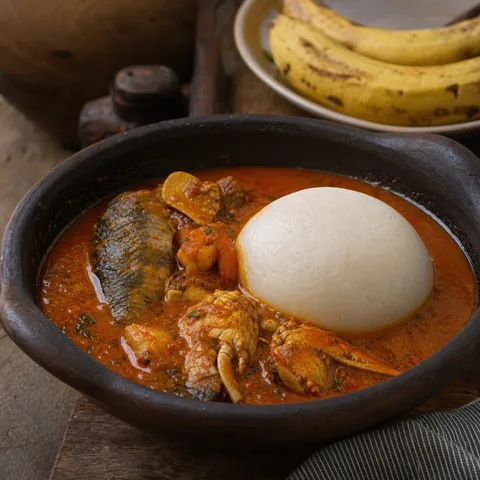 West African Lens Verified Images are for illustrative purposes only, may be inaccurate, and do not guarantee the presence or absence of specific ingredients.
 Banku
A smooth, slightly tangy Ghanaian dough of fermented corn and cassava, cooked to a stretchy consistency — the perfect partner for okra stew or grilled tilapia.
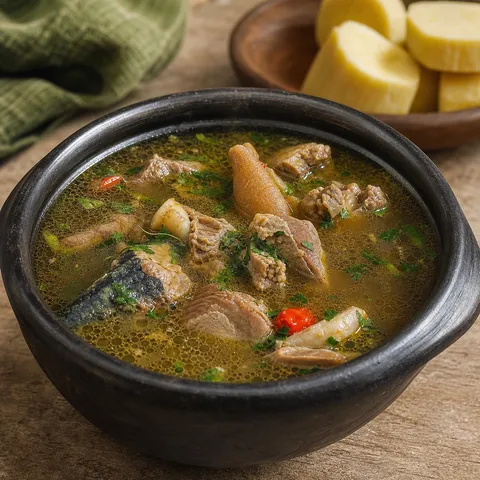 West African Lens Verified Images are for illustrative purposes only, may be inaccurate, and do not guarantee the presence or absence of specific ingredients.
 Pepper Soup
A piercingly spiced, crystal-clear broth simmered with goat meat or catfish and a blend of earthy Nigerian spices — warming, restorative, and intensely aromatic.