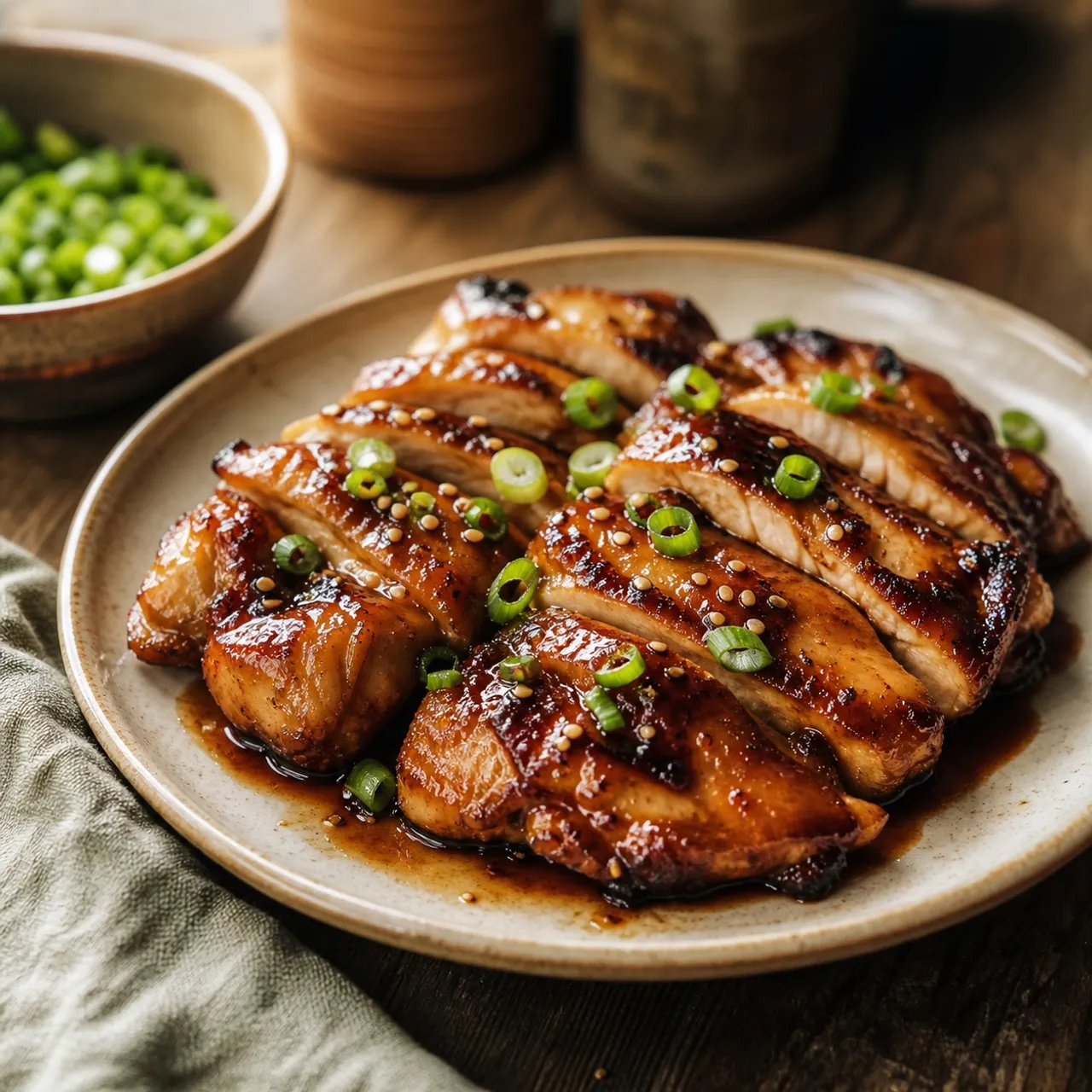
 Chicken & Poultry Images are for illustrative purposes only, may be inaccurate, and do not guarantee the presence or absence of specific ingredients.
 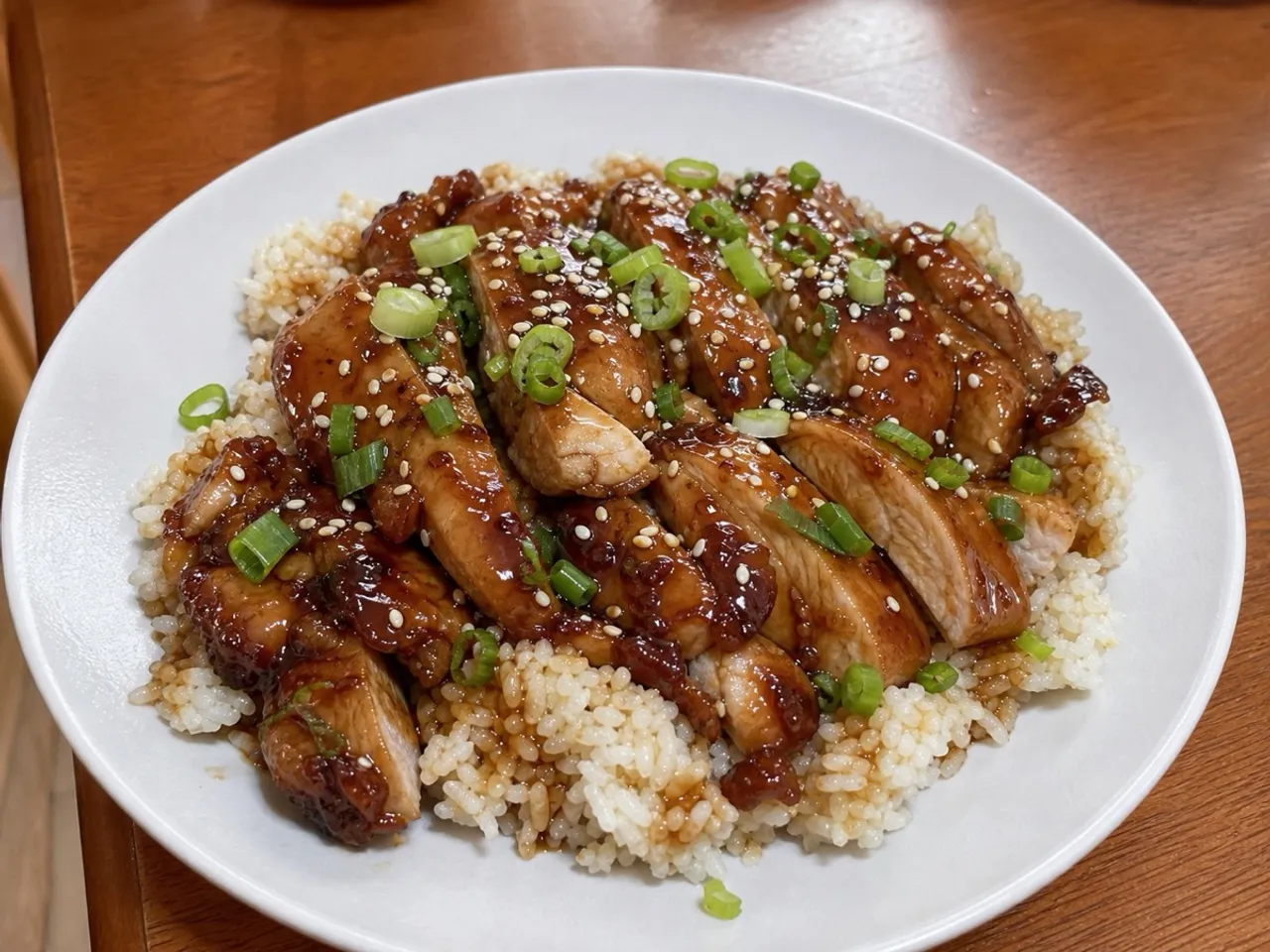 Serving Images are for illustrative purposes only, may be inaccurate, and do not guarantee the presence or absence of specific ingredients.
 Teriyaki Chicken
Pan-seared chicken thighs glazed in a homemade sweet-savory teriyaki sauce.
Contains common allergens
In the app, Listahan checks these against your household automatically.
Good to know
- Ready in under 30 minutes
Matched from this dish's own ingredients and timing. Browse more: 30-minute meals
Instructions
5 steps- 1
Heat oil in a large skillet over medium-high heat; cook chicken thighs 5-6 minutes per side until browned and cooked through. Remove and set aside.
- 2
In a saucepan, whisk together soy sauce, water, brown sugar, mirin, garlic, and ginger; bring to a simmer.
- 3
Stir in the cornstarch slurry and cook until sauce thickens, about 2 minutes.
- 4
Slice chicken and toss in the teriyaki sauce to coat.
- 5
Garnish with sesame seeds and green onions; serve over rice.
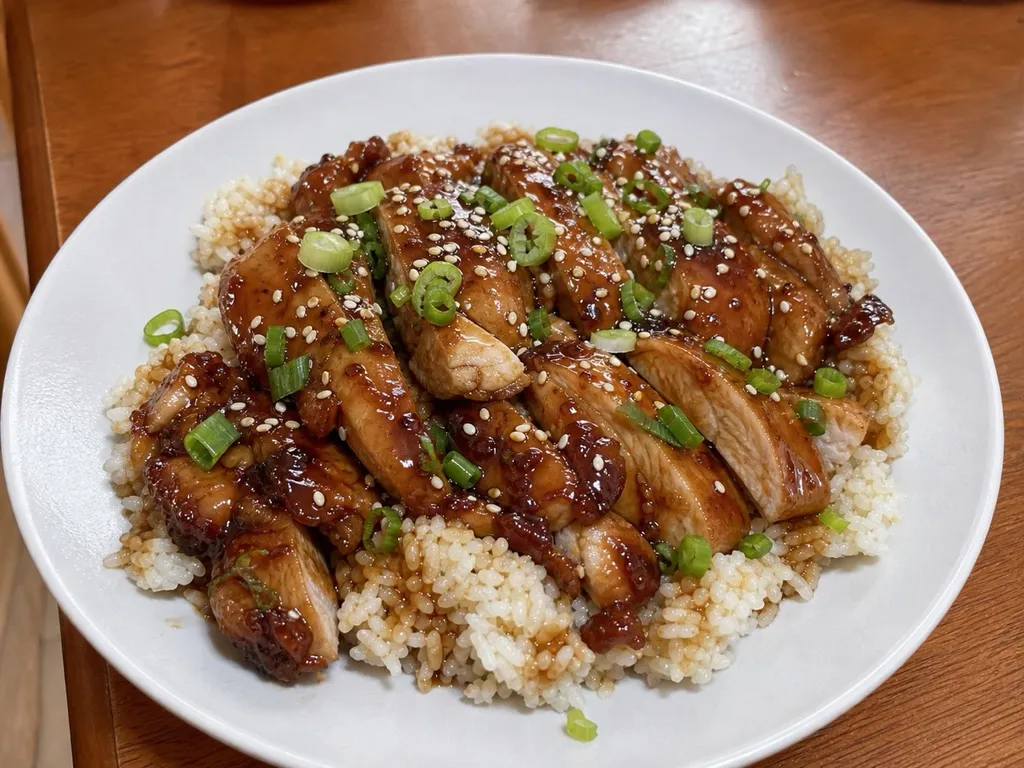 Images are for illustrative purposes only, may be inaccurate, and do not guarantee the presence or absence of specific ingredients.
 Listahan Family Score™
69/100
Works for many families
Score reflects how well this recipe fits a typical busy household. In the app, your Family Score is personalized to your household's allergens, kids, and pantry.
Nutrition
per serving485
Calories
47 g
Protein
19 g
Carbs
23 g
Fat
Estimated per serving. Actual values depend on the brands and portions you use.
Listahan cooking guide
Chef notes & practical guide
Technique notes, ingredient swaps, serve-alongside ideas, storage guidance, and equipment for this recipe.
Cultural context
Teriyaki comes from Japanese cooking, where "teri" points to the glossy shine of the sauce and "yaki" refers to grilling or broiling. In many North American kitchens, the method has shifted toward skillet-seared chicken and a quickly thickened sauce, but the point is still the same: savory-sweet glaze clinging to hot cooked meat.
Listahan note
This version keeps the sauce pantry-friendly and fast, with cornstarch doing the thickening instead of a long reduction. The priority is browned chicken, a glossy coating, and enough sauce to spoon over rice without turning the plate soupy.
Technique cues
- Brown the chicken before slicing so the thighs keep their juices and pick up a savory crust that the sauce can cling to.
- Simmer the sauce before adding the cornstarch slurry so the garlic and ginger lose their raw edge and the sugar fully dissolves.
- Add the sliced chicken to the thickened sauce off the hardest heat; this coats the meat without pushing the sauce into a sticky paste.
Kitchen flow
- Parallel prep
- Start rice first, then mix the sauce ingredients while the chicken browns; slice green onions and set out sesame seeds during the sauce simmer.
- Make-ahead
- Whisk the soy sauce, water, brown sugar, mirin, garlic, and ginger earlier in the day, then cook the chicken and thicken the sauce right before serving.
- Leftover move
- Chop leftover chicken and fold it into rice bowls with cucumber, shredded cabbage, and an extra spoonful of warmed sauce.
- Cleanup rhythm
- Rinse the saucepan as soon as the sauce is transferred; the sugar and cornstarch loosen much faster before they dry on the sides.
Ingredient brief
Role, handling, and swap guidance for each key ingredient.
Boneless skinless chicken thighs
Main protein
Purpose: Thighs stay tender in a hot skillet and have enough richness to balance the salty-sweet glaze.
Handling: Pat dry and spread the pieces out in the pan so they brown instead of steaming.
Adaptation: Boneless chicken breast works if sliced after cooking, but it needs a gentler cook and less time to avoid a dry texture.
Soy sauce
Savory base
Purpose: It brings the salt, color, and deep umami note that makes the glaze taste like teriyaki instead of plain sugar sauce.
Handling: Whisk it with the water and sugar before heating so the sauce starts evenly seasoned.
Adaptation: Tamari gives a similar dark, savory profile; coconut aminos taste sweeter and usually need less brown sugar.
Brown sugar
Sweetness and shine
Purpose: It helps the sauce turn glossy and balances the soy sauce's saltiness.
Handling: Break up any clumps before whisking so the sauce does not cook with gritty sugar pockets.
Adaptation: White sugar works for a cleaner sweetness, while honey makes the glaze a little thicker and more floral.
Mirin
Sweet rice-wine note
Purpose: Mirin rounds the sauce with gentle sweetness and a light fermented flavor that plain sugar cannot fully replace.
Handling: Let it simmer with the soy sauce mixture so its flavor blends into the glaze.
Adaptation: Use a splash of rice vinegar plus a little extra sugar for brightness, though the sauce will taste less rounded.
Garlic and ginger
Fresh aromatics
Purpose: They keep the sauce from tasting flat and add warmth behind the soy and sugar.
Handling: Mince the garlic finely and grate the ginger so both soften quickly in the short simmer.
Adaptation: Garlic powder and ground ginger can work in a pinch, but use a lighter hand because dried spices spread through the sauce differently.
Cornstarch mixed with water
Quick thickener
Purpose: The slurry gives the sauce its clingy texture without needing a long reduction.
Handling: Stir the slurry again right before adding because cornstarch settles fast.
Adaptation: Arrowroot starch can thicken similarly, but it should be cooked briefly and not boiled hard for long.
Technique notes
- Use medium-high heat for browning, but lower the heat if the pan starts smoking before the chicken is cooked through.
- Do not pour the slurry into a boiling sauce all at once without stirring; steady whisking keeps the glaze smooth.
- Slice the chicken across the grain into thick strips so it holds together when tossed with the sauce.
Ingredient swaps
- Tamari path
- Use tamari in place of soy sauce for a similar dark, savory base; taste before adding all the brown sugar because some bottles read softer or sweeter.
- Less sweet direction
- Cut the brown sugar to 2 tablespoons and reduce the sauce slightly longer before thickening so it still coats the chicken.
- Grill-style finish
- Sear or grill whole thighs, brush with thickened sauce near the end, then slice and spoon more glaze over the top.
- Sesame garnish change
- Skip the sesame seeds and finish with extra green onions for a cleaner, sharper garnish.
Serve alongside
- Steamed short-grain rice
- Garlic fried rice
- Cucumber sunomono
- Roasted broccoli with sesame oil
- Cold barley tea
- Sparkling yuzu water
- Light lager
Serving suggestions only — check pairings for your household's allergens.
Storage & reheating
- Refrigerate the chicken with the sauce in a sealed container for up to 4 days.
- Reheat gently in a skillet or microwave with a splash of water to loosen the glaze.
- Freeze the cooked chicken and sauce for up to 2 months; thaw overnight and warm slowly so the sauce comes back together.
Equipment
- Large skillet
- Small saucepan
- Whisk
- Sharp knife
Make this household-aware
Listahan Pro checks this recipe against your household's allergens, finds pantry-aware swaps, builds the shopping list, and helps you plan the week around it.
Plan it in Listahan
Add Teriyaki Chicken to your week, check it against your household's allergens, and build the shopping list automatically.
More Chicken & Poultry recipes
 Chicken & Poultry Lens Verified Images are for illustrative purposes only, may be inaccurate, and do not guarantee the presence or absence of specific ingredients.
 Chicken and Green Chili Casserole
A hearty layered Tex-Mex casserole of tender chicken, tortillas, green chilies, and melted cheese in a creamy sauce.
 Chicken & Poultry Lens Verified Images are for illustrative purposes only, may be inaccurate, and do not guarantee the presence or absence of specific ingredients.
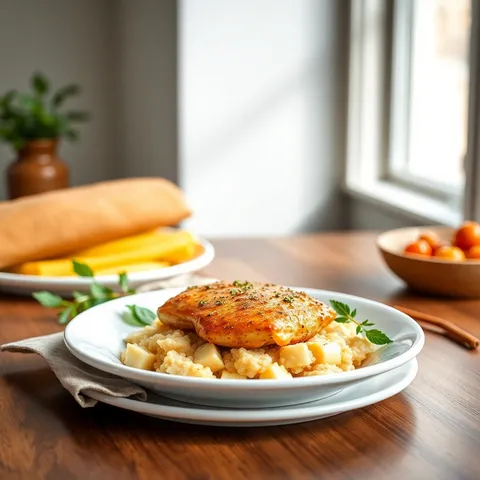
 Garlicky Baked Chicken
Tender baked chicken in a quick, garlicky mayonnaise marinade with a hint of Italian herbs.
 Chicken & Poultry Lens Verified Images are for illustrative purposes only, may be inaccurate, and do not guarantee the presence or absence of specific ingredients.
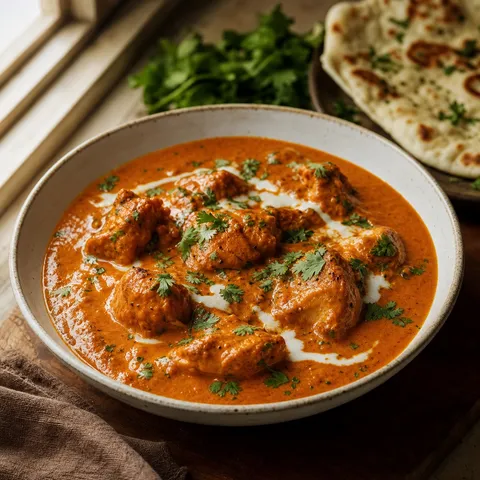
 Butter Chicken (Murgh Makhani)
Tender marinated chicken simmered in a rich, spiced tomato-butter cream sauce, a beloved Indian restaurant classic.