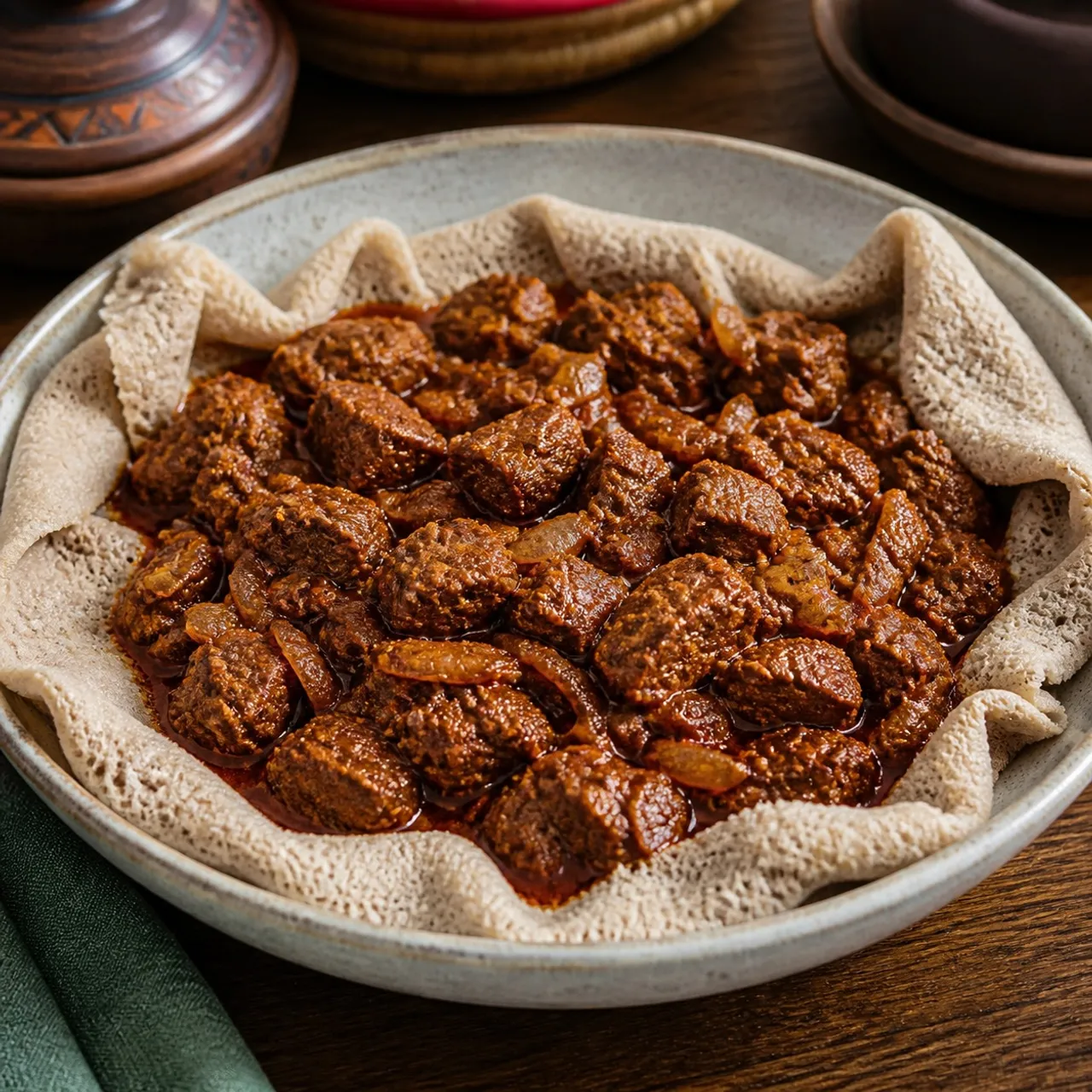
 East African Images are for illustrative purposes only, may be inaccurate, and do not guarantee the presence or absence of specific ingredients.
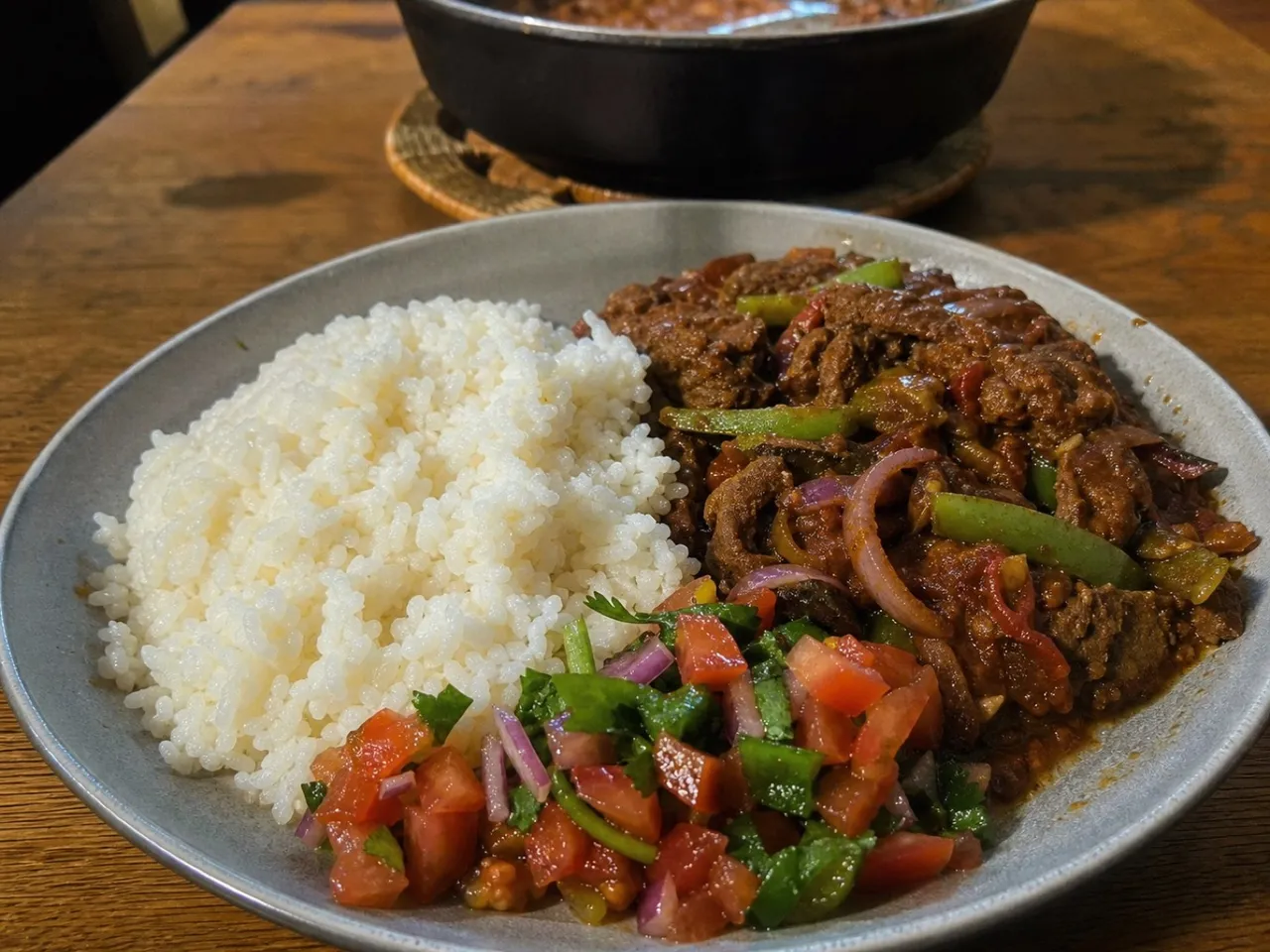 Serving Images are for illustrative purposes only, may be inaccurate, and do not guarantee the presence or absence of specific ingredients.
Awaze Tibs
Sizzling pan-seared meat tossed in awaze — Ethiopia's bold chili-honey-tej sauce — until caramelized and sticky with heat, sweetness, and smoke.
Contains common allergens
In the app, Listahan checks these against your household automatically.
Good to know
- Ready in under 30 minutes
Matched from this dish's own ingredients and timing. Browse more: 30-minute meals
Instructions
6 steps- 1
Pat the beef cubes dry and season lightly with salt. Heat the niter kibbeh in a heavy skillet over high heat until shimmering.
- 2
Sear the beef in a single layer, working in batches if needed, until deeply browned on at least two sides but still rare in the center, about 3 to 4 minutes total. Remove to a plate.
- 3
In the same skillet, add the sliced onion and jalapeno or bell pepper and cook over medium-high heat until the onion is softened and lightly charred at the edges, about 5 minutes.
- 4
Stir in the garlic and berbere spice and cook for 30 seconds until fragrant.
- 5
Return the beef and any accumulated juices to the pan along with the awaze paste and rosemary sprig. Toss everything together over high heat for 1 to 2 minutes, just until the meat is coated and heated through; do not overcook, tibs is traditionally served rare to medium.
- 6
Discard the rosemary sprig, taste and adjust salt, and serve sizzling hot with injera or rice.
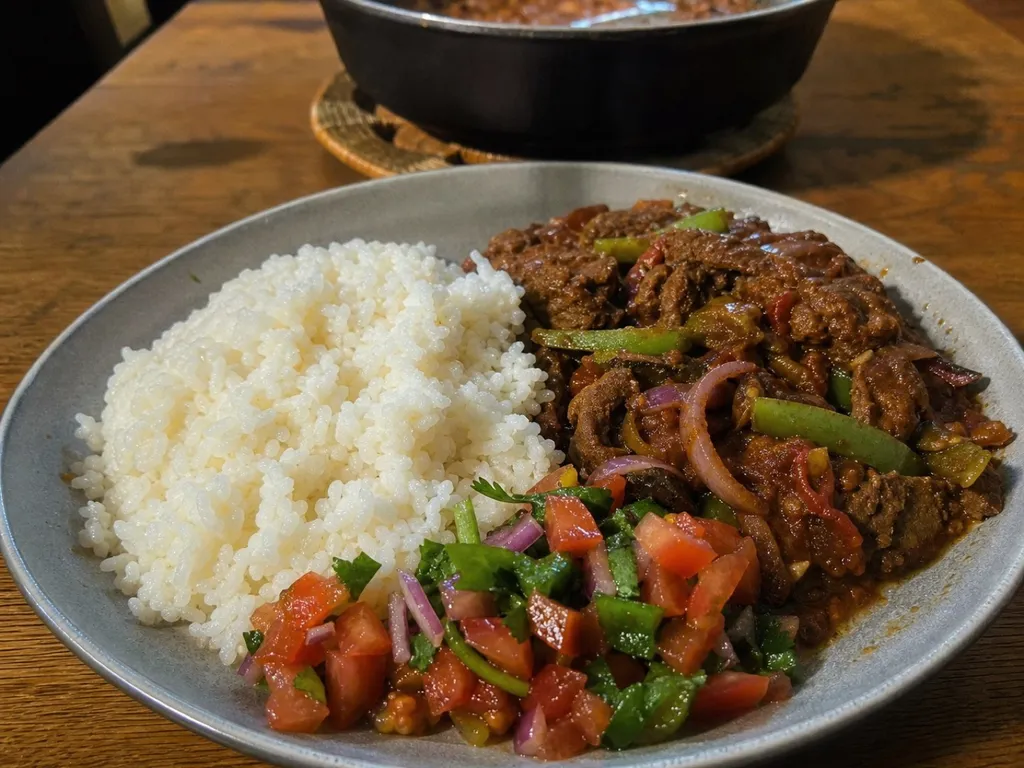 Images are for illustrative purposes only, may be inaccurate, and do not guarantee the presence or absence of specific ingredients.
Listahan Family Score™
64/100
Works for many families
Score reflects how well this recipe fits a typical busy household. In the app, your Family Score is personalized to your household's allergens, kids, and pantry.
Nutrition
per serving435
Calories
45 g
Protein
2 g
Carbs
26 g
Fat
Estimated per serving. Actual values depend on the brands and portions you use.
Listahan cooking guide
Chef notes & practical guide
Technique notes, ingredient swaps, serve-alongside ideas, storage guidance, and equipment for this recipe.
Cultural context
Awaze tibs is an Ethiopian sauteed meat dish coated in awaze, a wet chile paste made from berbere mixed with tej (honey wine) or spirits, that is a fiercer, more paste-like version of a berbere sauce. Tibs refers broadly to pan-sauteed meat in Ethiopian cooking, and awaze tibs is among the spiciest and most intense of its variations, popular at festive meals and in the tej houses of Addis Ababa. The awaze paste clings to cubed or sliced beef or lamb and caramelizes slightly in the hot pan, creating a charred, concentrated coating on the exterior of each piece.
Listahan note
This version prioritizes high heat and working in uncrowded batches so each piece of meat develops a seared, caramelized awaze crust rather than steaming and losing the concentrated spice coating.
Technique cues
- The pan must be extremely hot before the meat goes in — a drop of water should evaporate instantly; crowding the pan or starting with insufficient heat causes the meat to steam in its juices and prevents the awaze paste from developing its characteristic slightly charred, sticky exterior.
- Awaze paste is thicker and more concentrated than liquid berbere sauce; apply it to the meat and allow it to marinate for at least 30 minutes so the spices penetrate the surface before the meat hits the hot pan.
- Cook the onions first until they soften and caramelize around the edges, remove them, sear the meat in the dry but already-fragrant pan, and then return the onions at the end — this sequence ensures both components are properly cooked without one being overdone while the other catches up.
Kitchen flow
- Parallel prep
- Mix the awaze paste and coat the meat first, then prep and slice the onions while the meat marinates.
- Make-ahead
- Marinate the meat in awaze paste for up to 24 hours refrigerated; the longer marinate deepens the spice penetration into the meat.
- Leftover move
- Leftover awaze tibs can be thinly sliced when cold and layered into a sandwich with yogurt sauce and sliced tomato, or served over rice with a fried egg.
- Cleanup rhythm
- Deglaze the hot pan with a splash of water or tej immediately after plating to release the caramelized awaze from the pan before it hardens.
Ingredient brief
Role, handling, and swap guidance for each key ingredient.
Beef or lamb
primary protein
Purpose: Beef or lamb provides the rich, fatty protein that the awaze paste clings to and partially chars, creating the sticky, intensely spiced exterior that defines tibs.
Handling: Cut into 1-inch cubes or thick strips; pat dry before applying the awaze marinade so the paste adheres rather than sliding off wet meat.
Adaptation: Chicken thighs (not breast) work well; tofu can be used for a vegan version but requires pressing and drying thoroughly before coating.
awaze (berbere paste)
marinade, sauce, and coating
Purpose: Awaze is the defining element of this dish — a wet paste of berbere, oil, and often tej or mead that coats the meat and caramelizes during the high-heat sear.
Handling: Make awaze by combining 3 tablespoons berbere with 1 tablespoon oil and 1 tablespoon tej or dry red wine into a thick paste; coat the meat and marinate for 30 minutes.
Adaptation: A paste of berbere and olive oil alone (without tej) produces a slightly less complex but equally spicy coating.
onions
aromatic base and textural contrast
Purpose: Sliced onions cooked until their edges caramelize provide a sweet, slightly charred counterpoint to the intense spice of the awaze-coated meat.
Handling: Slice into half-moons rather than dicing; they should retain some texture in the finished dish rather than melting into the sauce.
Adaptation: Red onions add a slightly sharper, more colorful element; shallots can supplement or replace for a more delicate sweetness.
Technique notes
- Work in batches of no more than one layer of meat in the pan; searing 5-6 pieces at a time in a very hot pan will produce far better results than crowding 20 pieces in at once.
- Do not move the meat for the first 90 seconds after it hits the pan; let the awaze paste develop a crust before attempting to turn the pieces.
- A squeeze of fresh lemon juice over the finished tibs immediately before serving brightens all the flavors and cuts the richness of the spiced fat.
Ingredient swaps
- Lower heat option
- Reduce the berbere in the awaze paste by half and add a tablespoon of tomato paste for color and body without as much chile intensity.
- Gluten-free direction
- The dish is naturally gluten-free if the awaze paste is made from scratch; check any commercial berbere blend for wheat-based fillers.
- Vegan direction
- Use thick-sliced firm tofu or seitan in place of meat; press and dry tofu thoroughly before coating with awaze and searing over high heat.
Serve alongside
- injera for scooping and soaking up the pan juices
- ayib (Ethiopian fresh cheese) to cool the heat
- simple cucumber and tomato salad with lemon
- tikel gomen (mild cabbage stew) as a cooling counterpoint
- Ethiopian tej (honey wine)
- cold lager beer
- sparkling water with lemon
Serving suggestions only — check pairings for your household's allergens.
Storage & reheating
- Refrigerate in an airtight container for up to 3 days; the awaze spices continue to deepen in flavor overnight.
- Reheat in a very hot dry skillet for 2-3 minutes to re-crisp the exterior; avoid microwaving as it steams and softens the crust.
- Freeze cooked tibs for up to 2 months; thaw in the refrigerator and reheat in a hot pan.
Equipment
- large cast-iron or stainless skillet or wok
- tongs for turning meat without piercing
- shallow dish for marinating
- splatter screen (awaze paste at high heat can pop)
Make this household-aware
Listahan Pro checks this recipe against your household's allergens, finds pantry-aware swaps, builds the shopping list, and helps you plan the week around it.
Plan it in Listahan
Add Awaze Tibs to your week, check it against your household's allergens, and build the shopping list automatically.
More East African recipes
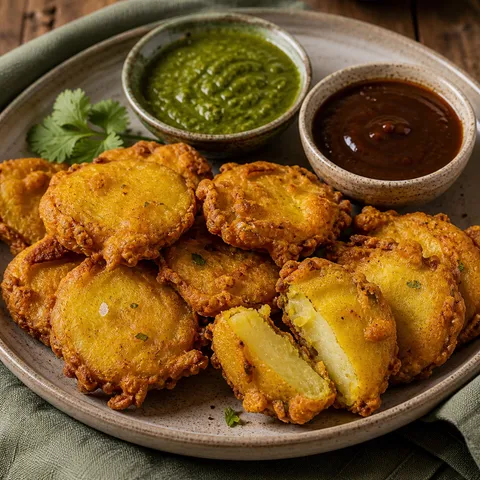 East African Lens Verified Images are for illustrative purposes only, may be inaccurate, and do not guarantee the presence or absence of specific ingredients.
Viazi Karai
A Zanzibari street favorite of soft boiled potatoes coated in a turmeric-yellow batter and deep-fried until crackling, served with fiery tamarind sauce.
 East African Lens Verified Images are for illustrative purposes only, may be inaccurate, and do not guarantee the presence or absence of specific ingredients.
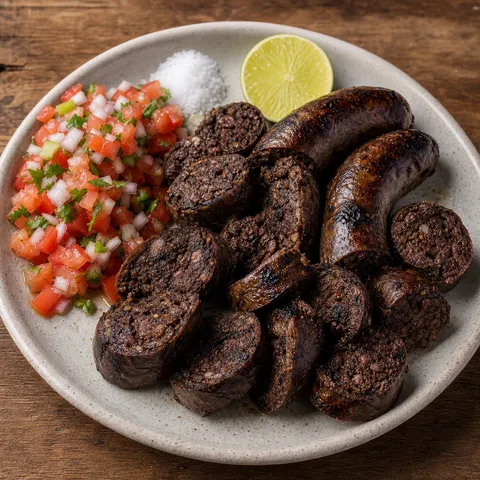
Mutura
Kenyan spiced blood sausage stuffed with meat, onion, and herbs, then grilled until the casing crisps and snaps — a bold, smoky roadside delicacy.
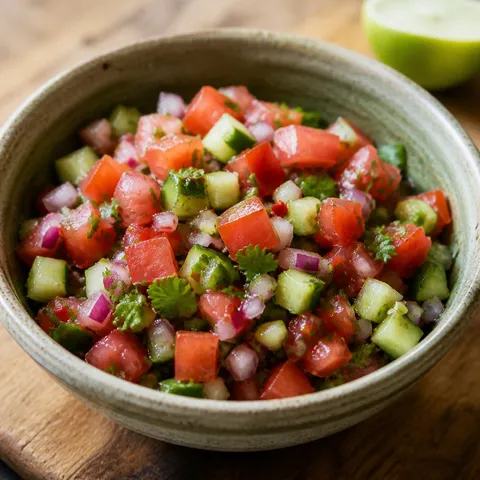 East African Lens Verified Images are for illustrative purposes only, may be inaccurate, and do not guarantee the presence or absence of specific ingredients.
Kachumbari
Bright, refreshing salad of ripe tomatoes and sharp raw onion, spiked with chili and lime — the cool, crisp counterpoint to rich East African grills.