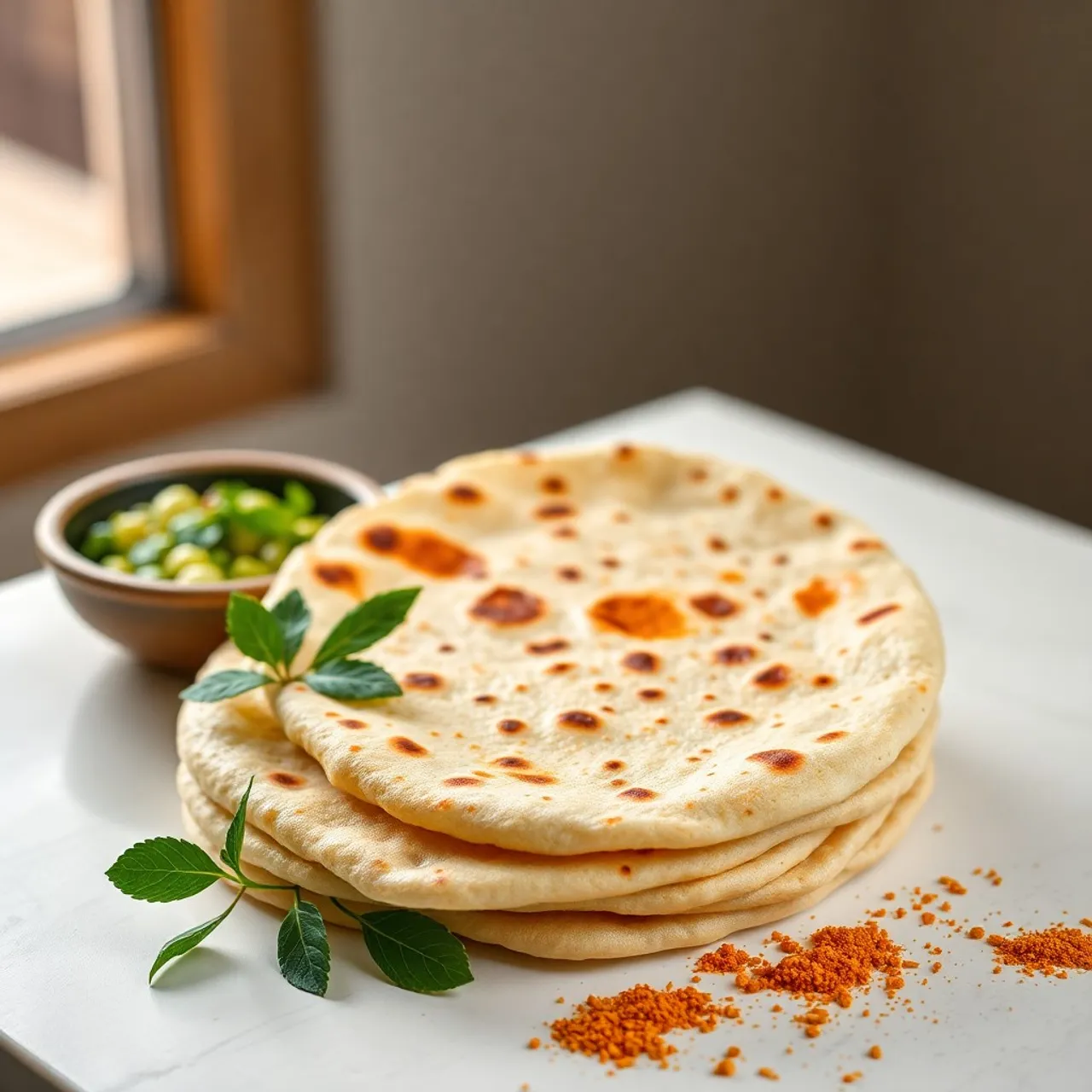
 East African Images are for illustrative purposes only, may be inaccurate, and do not guarantee the presence or absence of specific ingredients.
 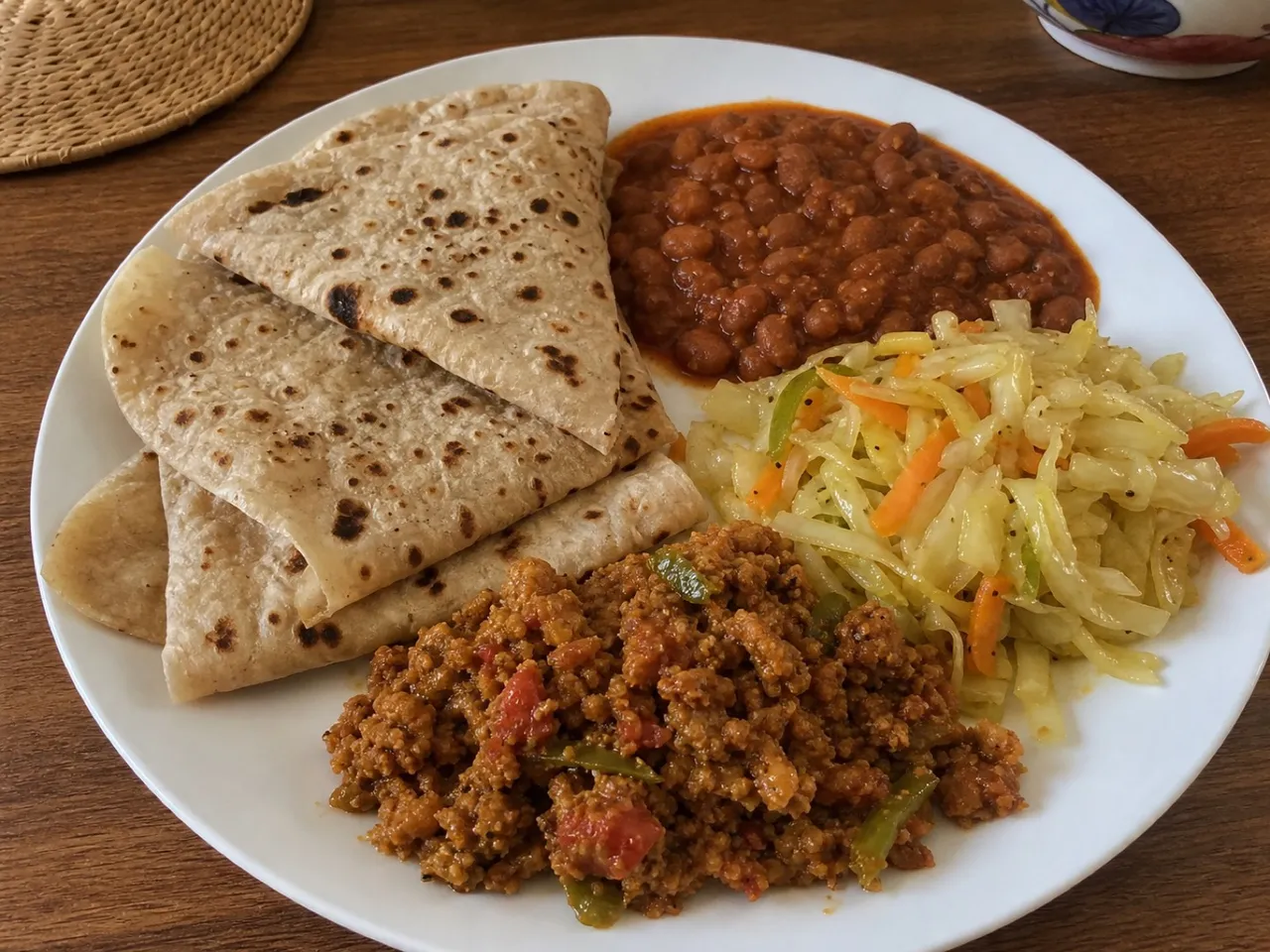 Serving Images are for illustrative purposes only, may be inaccurate, and do not guarantee the presence or absence of specific ingredients.
 Chapati
Thin, flaky, slightly chewy flatbread layered with just enough oil to turn golden on the griddle — the essential East African everyday bread.
Contains common allergens
In the app, Listahan checks these against your household automatically.
Good to know
- Crispy
Matched from this dish's own ingredients and timing. Browse more: crispy recipes
Instructions
6 steps- 1
In a large bowl, mix the flour, salt, and sugar. Gradually add the warm water and 2 tbsp of oil, mixing until a dough forms.
- 2
Knead the dough on a lightly floured surface for 10 minutes until smooth and elastic. Cover with a damp cloth and let rest for 15 minutes.
- 3
Divide the dough into 8 equal portions. Roll each portion into a thin circle, brush lightly with oil, and roll it up tightly into a coil (like a snail shell).
- 4
Flatten the coil and roll it out again into a 1/4-inch thick circle. This creates the flaky layers.
- 5
Heat a heavy skillet or tawa over medium heat. Place the rolled dough on the dry skillet and cook for 1 minute until bubbles appear.
- 6
Flip the chapati, brush the cooked side with oil, and press the edges with a spatula. Flip again, oiling the other side, and cook until golden brown spots appear. Keep warm in a towel.
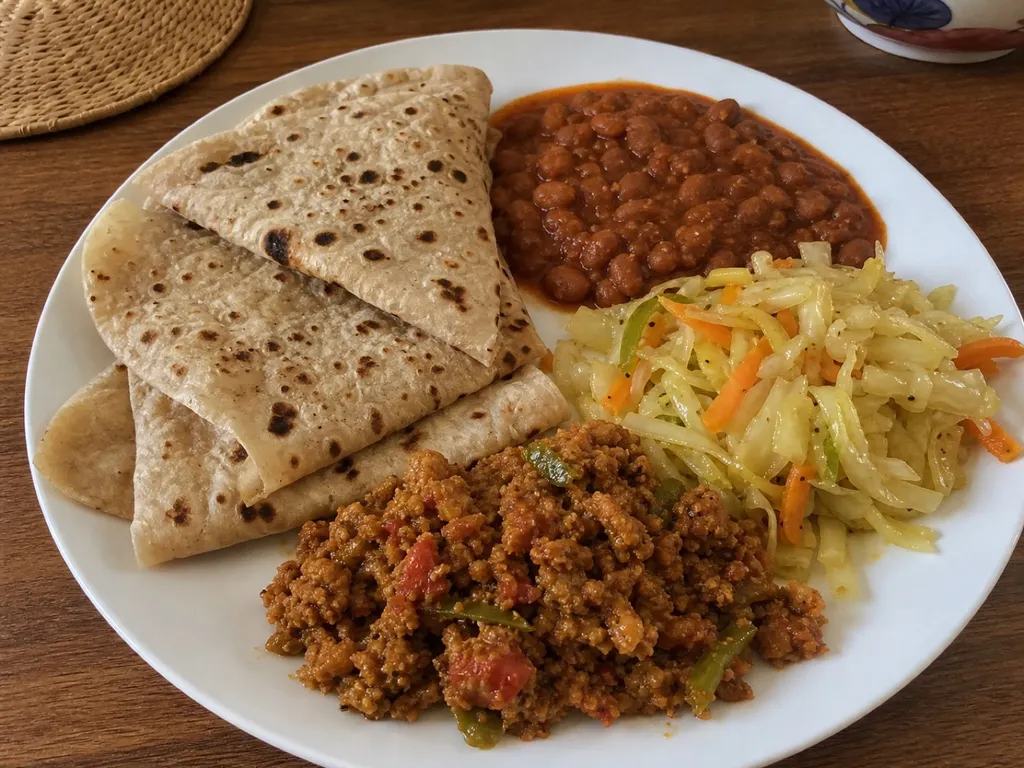 Images are for illustrative purposes only, may be inaccurate, and do not guarantee the presence or absence of specific ingredients.
 Listahan Family Score™
73/100
Good fit for most families
Score reflects how well this recipe fits a typical busy household. In the app, your Family Score is personalized to your household's allergens, kids, and pantry.
Nutrition
per serving585
Calories
9 g
Protein
72 g
Carbs
28 g
Fat
Estimated per serving. Actual values depend on the brands and portions you use.
Listahan cooking guide
Chef notes & practical guide
Technique notes, ingredient swaps, serve-alongside ideas, storage guidance, and equipment for this recipe.
Cultural context
East African chapati arrived in Kenya, Tanzania, and Uganda through the South Asian communities that came to East Africa during British colonial rule, primarily to build the Uganda Railway in the 1890s. Unlike North Indian chapati, the East African version is softer, slightly layered, and often made with oil folded into the dough — producing a texture closer to a paratha. It is now so thoroughly integrated into Kenyan daily life that it is considered a local staple, eaten at celebrations, with stews, or as a street food wrap.
Listahan note
This version folds oil into the rolled dough to create the characteristic layers and soft, pliable texture that distinguish East African chapati from the drier, thinner Indian original.
Technique cues
- Knead the dough thoroughly — at least 8-10 minutes — until it is smooth, soft, and slightly tacky; under-kneaded dough tears when rolled thin and produces a tough chapati.
- The layering technique is key: roll the dough thin, spread a thin layer of oil, fold like a letter (or roll into a coil then flatten), then re-roll thin before cooking; this creates the soft, slightly flaky layers that make East African chapati distinct.
- Cook on a dry, very hot pan (no oil) until dark spots form on the underside, then flip and brush or drizzle a small amount of oil on the cooked surface before pressing lightly; the oil at this stage finishes the cooking and gives the characteristic glossy, slightly crisp exterior.
Kitchen flow
- Parallel prep
- Make and rest the dough while a stew or sukuma wiki cooks; the 20-30 minute rest period aligns with the time most saucy dishes need to simmer.
- Make-ahead
- The dough can be made up to 24 hours ahead, wrapped tightly, and refrigerated; bring to room temperature for 30 minutes before rolling.
- Leftover move
- Leftover chapati wraps well around nyama choma, sukuma wiki, or scrambled eggs for a quick lunch the next day.
- Cleanup rhythm
- Wipe the rolling surface clean between pieces; oil residue from the layering step transfers to new pieces and can make them too greasy if it accumulates.
Ingredient brief
Role, handling, and swap guidance for each key ingredient.
3 cups all-purpose flour
structural base
Purpose: All-purpose flour has enough protein to develop gluten during kneading, giving the chapati its pliable, rollable structure.
Handling: Measure by spooning into the cup and leveling off; packed flour makes the dough stiff and the chapati dry.
Adaptation: Whole wheat flour can replace up to half the all-purpose flour for a nuttier, more nutritious chapati; fully whole wheat produces a denser result.
1/2 cup vegetable oil (divided)
layer-builder and finish fat
Purpose: Oil is folded into the dough during the layering step to create the soft, slightly separating layers and then used for cooking to produce a glossy, lightly crisped exterior.
Handling: Divide roughly: about 2 tablespoons go into the dough for initial softness, the rest is used for layering and pan-cooking.
Adaptation: Ghee can replace vegetable oil for a richer flavor; it is used for festive or special-occasion chapati in some Kenyan households.
1 cup warm water
hydration
Purpose: Warm water activates the gluten more quickly and produces a more pliable dough that is easier to roll without tearing.
Handling: Add gradually rather than all at once as flour absorbs water differently depending on humidity and brand; the dough should be soft and slightly sticky, not stiff.
Adaptation: Warm milk can replace water for a slightly richer, softer chapati.
Technique notes
- Rest the dough for a minimum of 20 minutes after kneading; gluten relaxes during this rest and the dough becomes dramatically easier to roll thin without springing back.
- Roll each chapati as thin as you can manage — about 2mm — before the layering fold; thin rolling before folding produces better layers than trying to roll thin after folding.
- Keep the pan dry for the first side of cooking; adding oil before the chapati goes in causes it to fry rather than dry-cook, which prevents the dark spots (called 'cheetah spots') that indicate properly cooked chapati.
Ingredient swaps
- Vegan direction
- This recipe is already vegan as written when using vegetable oil instead of ghee.
- Gluten-free direction
- A blend of gluten-free all-purpose flour with 1 teaspoon of xanthan gum can be substituted, but the texture will be more crumbly and less pliable than wheat chapati.
- Richer option
- Replace vegetable oil with ghee for a golden, buttery chapati often made for celebrations and Eid.
Serve alongside
- beef or lentil stew with tomatoes and cumin
- sukuma wiki (stewed collard greens)
- pilau (Kenyan spiced rice with beef)
- scrambled eggs with onion and tomato
- sweet milky chai
- fresh mango juice
Serving suggestions only — check pairings for your household's allergens.
Storage & reheating
- Store cooked chapati stacked in a clean kitchen towel or wrapped in foil at room temperature for up to 6 hours; they stay soft.
- Refrigerate for up to 3 days in an airtight container; reheat individually in a dry pan over medium heat for 30-60 seconds per side.
- Freeze in a stack with parchment paper between each chapati for up to 2 months; reheat directly from frozen in a covered pan over low heat.
Equipment
- rolling pin
- flat griddle or heavy skillet (cast iron works best)
- pastry brush for applying oil during cooking
- kitchen scale or measuring cups
Make this household-aware
Listahan Pro checks this recipe against your household's allergens, finds pantry-aware swaps, builds the shopping list, and helps you plan the week around it.
Plan it in Listahan
Add Chapati to your week, check it against your household's allergens, and build the shopping list automatically.
More East African recipes
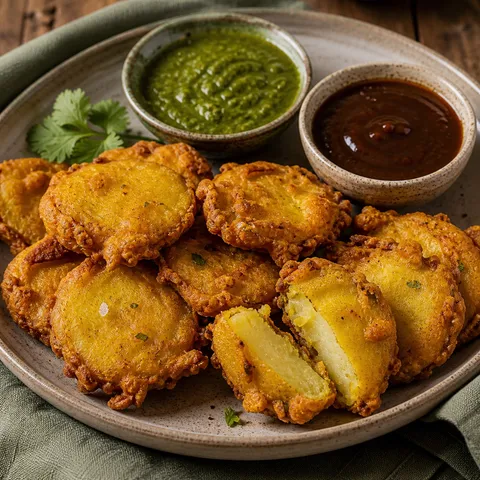 East African Lens Verified Images are for illustrative purposes only, may be inaccurate, and do not guarantee the presence or absence of specific ingredients.
 Viazi Karai
A Zanzibari street favorite of soft boiled potatoes coated in a turmeric-yellow batter and deep-fried until crackling, served with fiery tamarind sauce.
 East African Lens Verified Images are for illustrative purposes only, may be inaccurate, and do not guarantee the presence or absence of specific ingredients.
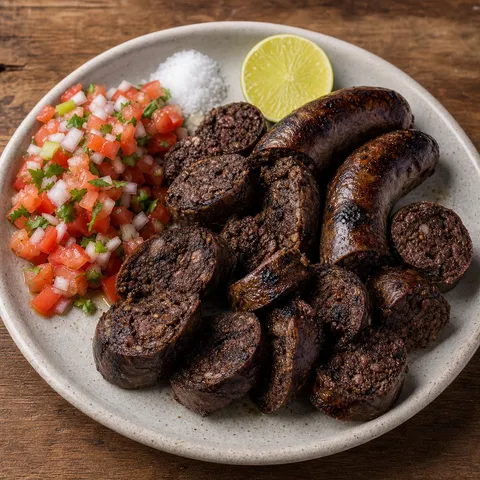
 Mutura
Kenyan spiced blood sausage stuffed with meat, onion, and herbs, then grilled until the casing crisps and snaps — a bold, smoky roadside delicacy.
 East African Lens Verified Images are for illustrative purposes only, may be inaccurate, and do not guarantee the presence or absence of specific ingredients.
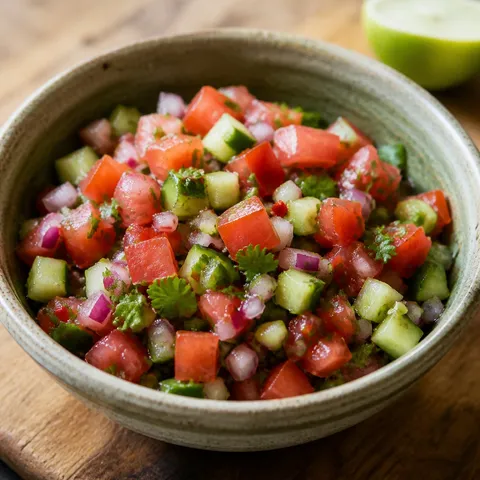
 Kachumbari
Bright, refreshing salad of ripe tomatoes and sharp raw onion, spiked with chili and lime — the cool, crisp counterpoint to rich East African grills.