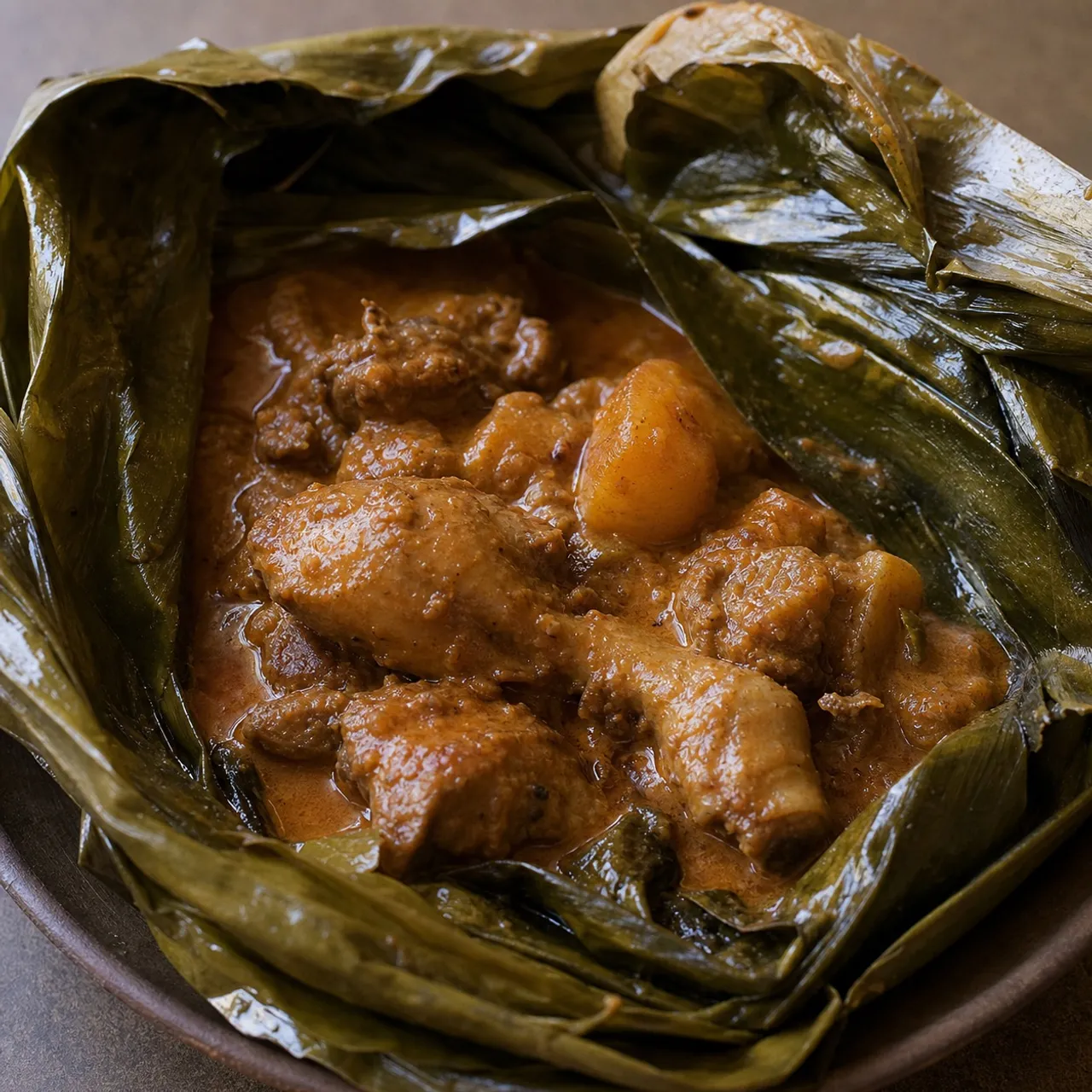
 East African Images are for illustrative purposes only, may be inaccurate, and do not guarantee the presence or absence of specific ingredients.
 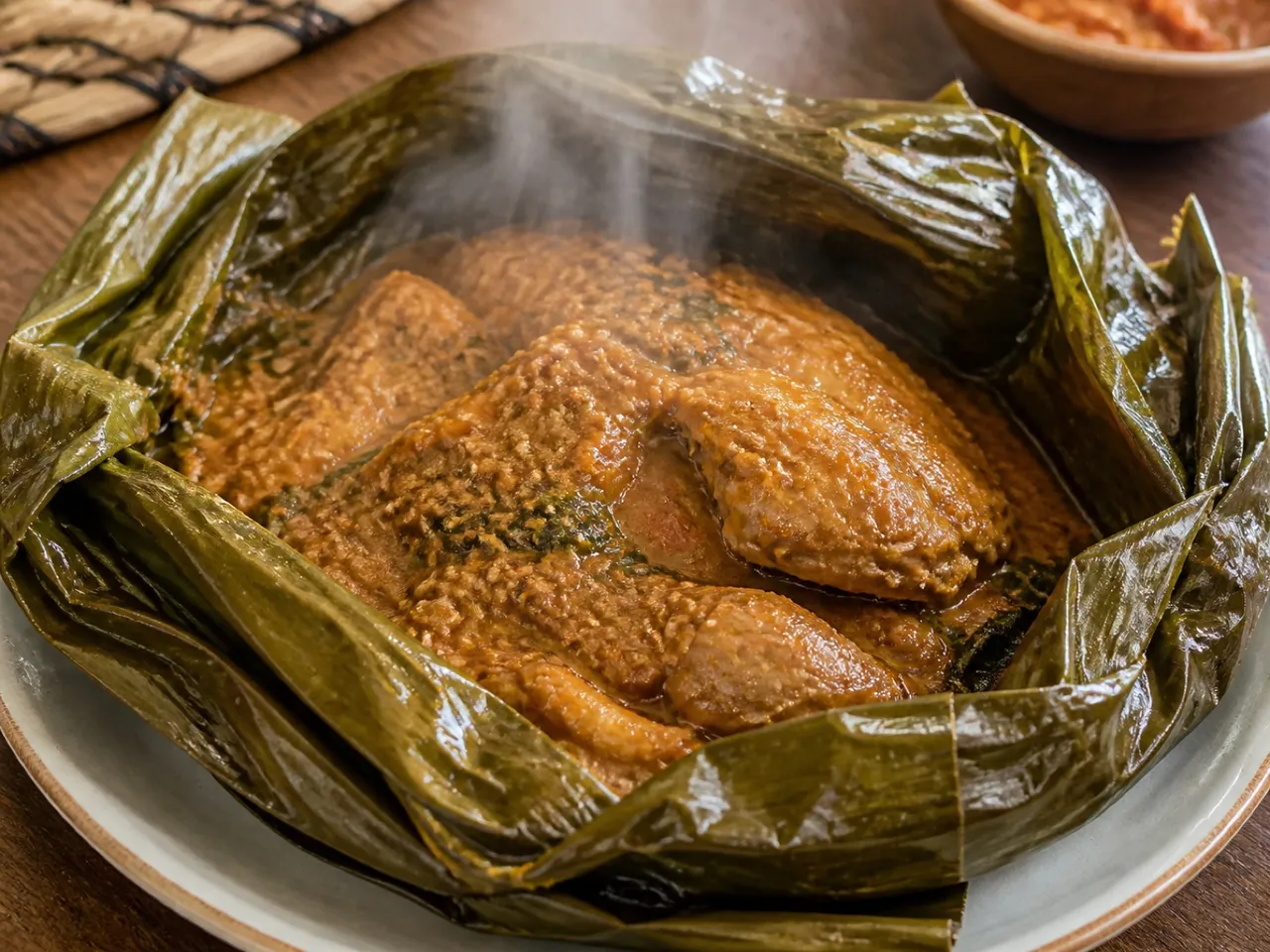 Serving Images are for illustrative purposes only, may be inaccurate, and do not guarantee the presence or absence of specific ingredients.
 Luwombo
Ugandan feast dish — chicken, beef, or groundnut stew sealed inside banana leaf parcels and steamed until tender, infusing everything with a gentle, grassy sweetness.
Contains common allergens
In the app, Listahan checks these against your household automatically.
Instructions
7 steps- 1
Pass each banana leaf briefly over an open flame or dip in hot water until pliable, then wipe clean.
- 2
Heat the oil in a pot over medium heat and saute the onion for 5 to 7 minutes until soft, then add the garlic and ginger and cook for 1 minute.
- 3
Add the tomatoes and cook for 5 minutes, mashing them down into a thick base, then stir in the groundnut paste and season with salt.
- 4
Add the chicken or beef to the pot and toss to coat thoroughly in the sauce, then pour in enough water or stock to loosen it slightly.
- 5
Line a bowl with a softened banana leaf, spoon in a portion of the meat and sauce, then fold and wrap the leaf tightly into a sealed parcel, tying with string or a strip of leaf; repeat to make several parcels.
- 6
Place the parcels in a large steaming pot over simmering water, cover tightly, and steam for 1.5 to 2 hours, topping up the water as needed, until the meat is fully tender.
- 7
Carefully unwrap one parcel to check doneness, then serve the luwombo still in its banana leaf, opened at the table so the fragrant steam escapes.
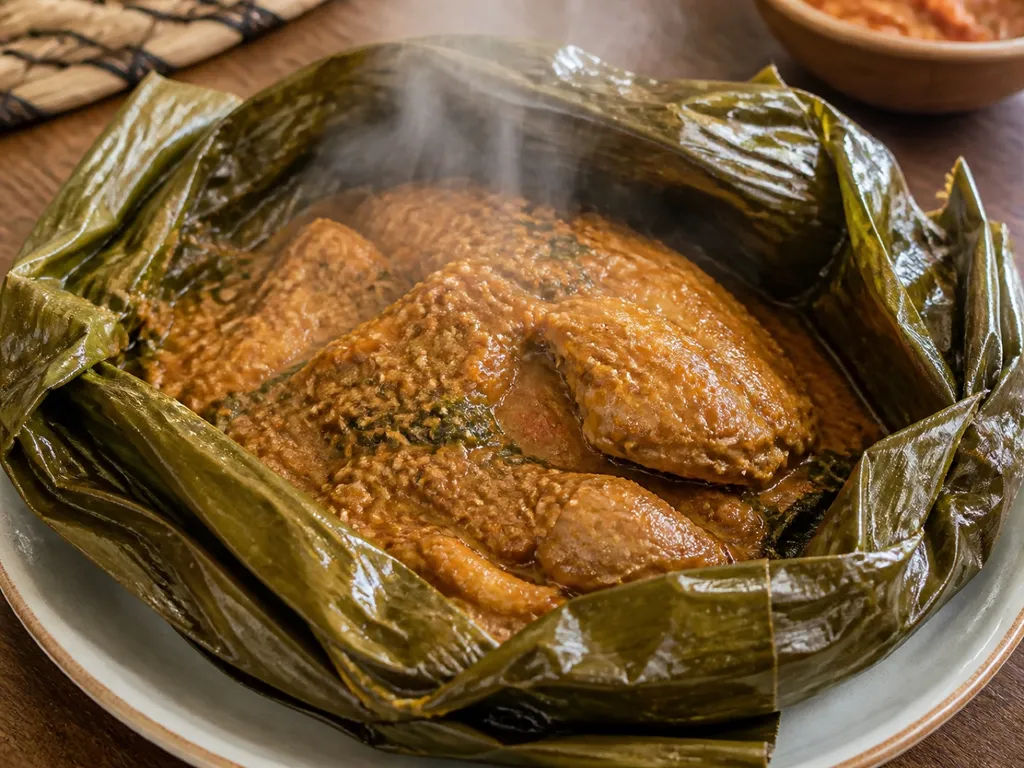 Images are for illustrative purposes only, may be inaccurate, and do not guarantee the presence or absence of specific ingredients.
 Listahan Family Score™
69/100
Works for many families
Score reflects how well this recipe fits a typical busy household. In the app, your Family Score is personalized to your household's allergens, kids, and pantry.
Nutrition
per serving725
Calories
48 g
Protein
69 g
Carbs
30 g
Fat
Estimated per serving. Actual values depend on the brands and portions you use.
Listahan cooking guide
Chef notes & practical guide
Technique notes, ingredient swaps, serve-alongside ideas, storage guidance, and equipment for this recipe.
Cultural context
Luwombo is a royal dish of the Buganda Kingdom of Uganda, historically prepared for the Kabaka (king) and reserved for important ceremonies and honored guests. The technique of steaming stewed meat inside banana leaves is both a cooking method and a presentation form: each guest receives their own sealed banana-leaf parcel, which is opened at the table to release a cloud of fragrant steam. The combination of groundnut paste and chicken in a sealed leaf is central to Buganda culinary identity and is still prepared for weddings and major celebrations today.
Listahan note
This version uses smooth peanut butter as a widely available substitute for freshly ground groundnut paste, and the banana leaves are softened briefly over an open flame to make them pliable enough to fold without splitting.
Technique cues
- The groundnut paste must be cooked down with the tomatoes and onions until the oil begins to separate visibly around the edges before the chicken is added; skipping this step leaves the sauce with a raw, floury peanut taste that does not mellow in the steaming stage.
- Soften banana leaves by passing each leaf over a gas flame or electric burner for 10 to 15 seconds per side until it changes from matte green to shiny and slightly translucent; this prevents tearing when you fold the parcel closed.
- The sealed parcel creates its own pressurized steam environment, which cooks the chicken gently and forces the groundnut sauce to penetrate the meat deeply; do not open the parcel to check doneness until at least 40 minutes have passed.
Kitchen flow
- Parallel prep
- Soften the banana leaves over the flame while the groundnut sauce builds in the pan; both tasks take roughly the same amount of time.
- Make-ahead
- Assemble and seal the parcels up to 8 hours in advance and refrigerate; steam directly from the refrigerator, adding 10 minutes to the cooking time.
- Leftover move
- Unwrap leftover luwombo, shred the chicken off the bone, and serve the groundnut sauce and meat over rice or ugali for a quick weeknight dinner.
- Cleanup rhythm
- The banana leaves contain the mess during cooking; post-meal cleanup is minimal since the sauce stays within the parcel and the steamer or pot needs only a rinse.
Ingredient brief
Role, handling, and swap guidance for each key ingredient.
2 lbs bone-in chicken pieces
primary protein and flavor base
Purpose: Bone-in pieces release collagen during steaming that enriches the groundnut sauce, and the bones keep the meat moist through the long steam.
Handling: Pat dry and brown on all sides before building the sauce if time allows; browning adds a deeper flavor but is not traditional and can be skipped for authenticity.
Adaptation: Bone-in goat or lamb pieces are the traditional alternatives and produce an even richer, more deeply flavored sauce.
1/2 cup smooth groundnut (peanut) paste
sauce body, richness, and flavor
Purpose: Groundnut paste is the defining ingredient of luwombo, providing a thick, nutty, almost silky sauce that coats the chicken and permeates the sealed parcel during steaming.
Handling: Stir the peanut butter well before measuring so it is homogenous; natural peanut butter with separated oil should be fully mixed before use.
Adaptation: Almond butter provides a similar texture with a milder, less assertive flavor for those with peanut preferences (not suitable for peanut allergy).
4-6 large banana leaves (softened)
cooking vessel and flavor wrapper
Purpose: Banana leaves impart a faint grassy, faintly smoky aroma to the stew during steaming and create the sealed parcel that defines both the cooking method and the presentation.
Handling: Wipe clean with a damp cloth, then soften over heat until pliable; overlap two leaves in a cross pattern for each parcel to prevent leaking.
Adaptation: Large sheets of parchment paper tied with kitchen twine can substitute for banana leaves; the flavor is neutral but the sealed-packet cooking technique works identically.
1 cup chicken broth
steaming liquid and sauce base
Purpose: Broth added to the parcel ensures there is enough liquid to generate steam throughout the cooking time and keeps the groundnut sauce from seizing or burning.
Handling: Use low-sodium broth so you can control the salt level of the final sauce.
Adaptation: Water with a bouillon cube dissolved in it is a common household substitute across Uganda and Kenya.
Technique notes
- Arrange parcels seam-side down in the steamer so the weight of the food holds the fold closed without needing to tie them; if the fold is insecure, secure with a strip of banana leaf or kitchen twine.
- A large pot with a rack and about 2 inches of water makes a reliable steamer if you do not own a dedicated steam vessel; check the water level halfway through and top it up if needed.
- Let the parcels rest sealed for 5 minutes after steaming before serving; the resting allows the sauce to settle and makes opening the parcel at the table more dramatic and fragrant.
Ingredient swaps
- Peanut-free direction
- Sunflower seed butter (tahini-consistency) creates a similar creamy sauce body for households with peanut allergies; the flavor is more neutral but the texture is comparable.
- Gluten-free direction
- All ingredients are naturally gluten-free; verify the broth brand is certified gluten-free if cross-contamination is a concern.
- Vegan direction
- Replace chicken with large chunks of firm tofu and sweet potato and use vegetable broth; steam for 30 minutes instead of 45 since the filling does not need to cook through as long.
Serve alongside
- steamed white rice to soak up the groundnut sauce
- ugali (firm maize porridge) for a traditional pairing
- steamed whole green plantains
- simple sliced cucumber salad with white vinegar and salt
- cold tamarind juice
- fresh pineapple juice
Serving suggestions only — check pairings for your household's allergens.
Storage & reheating
- Remove chicken from the banana leaves and refrigerate the meat and sauce together in an airtight container for up to 3 days.
- Reheat gently in a covered saucepan over low heat, adding a splash of water if the groundnut sauce has thickened excessively.
- Freeze the sauce and shredded chicken (off the bone) for up to 2 months; thaw overnight in the refrigerator before reheating.
Equipment
- large pot or steamer with a rack
- wide skillet for building the sauce
- kitchen twine or extra banana leaf strips for securing parcels
- tongs for handling the hot banana leaves
Make this household-aware
Listahan Pro checks this recipe against your household's allergens, finds pantry-aware swaps, builds the shopping list, and helps you plan the week around it.
Plan it in Listahan
Add Luwombo to your week, check it against your household's allergens, and build the shopping list automatically.
More East African recipes
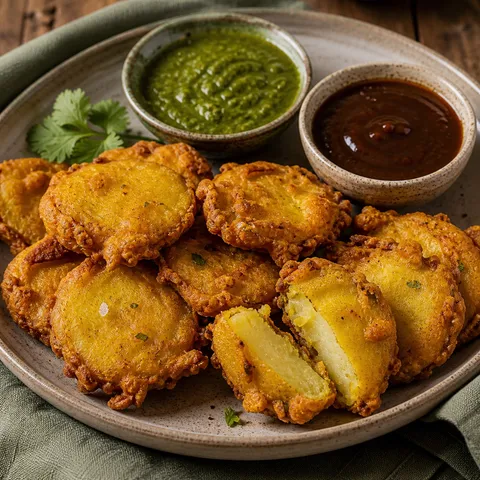 East African Lens Verified Images are for illustrative purposes only, may be inaccurate, and do not guarantee the presence or absence of specific ingredients.
 Viazi Karai
A Zanzibari street favorite of soft boiled potatoes coated in a turmeric-yellow batter and deep-fried until crackling, served with fiery tamarind sauce.
 East African Lens Verified Images are for illustrative purposes only, may be inaccurate, and do not guarantee the presence or absence of specific ingredients.
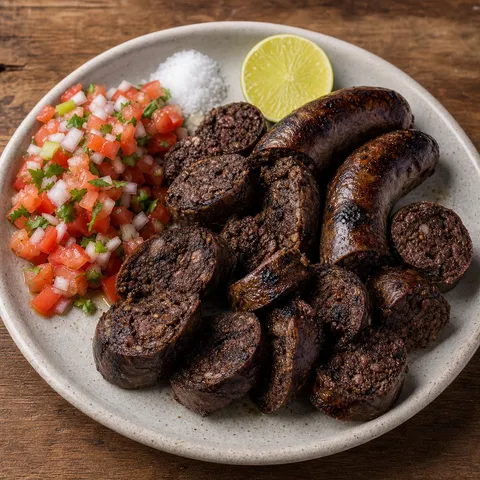
 Mutura
Kenyan spiced blood sausage stuffed with meat, onion, and herbs, then grilled until the casing crisps and snaps — a bold, smoky roadside delicacy.
 East African Lens Verified Images are for illustrative purposes only, may be inaccurate, and do not guarantee the presence or absence of specific ingredients.
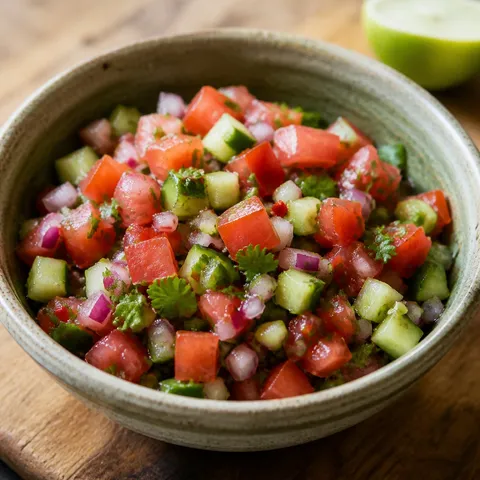
 Kachumbari
Bright, refreshing salad of ripe tomatoes and sharp raw onion, spiked with chili and lime — the cool, crisp counterpoint to rich East African grills.