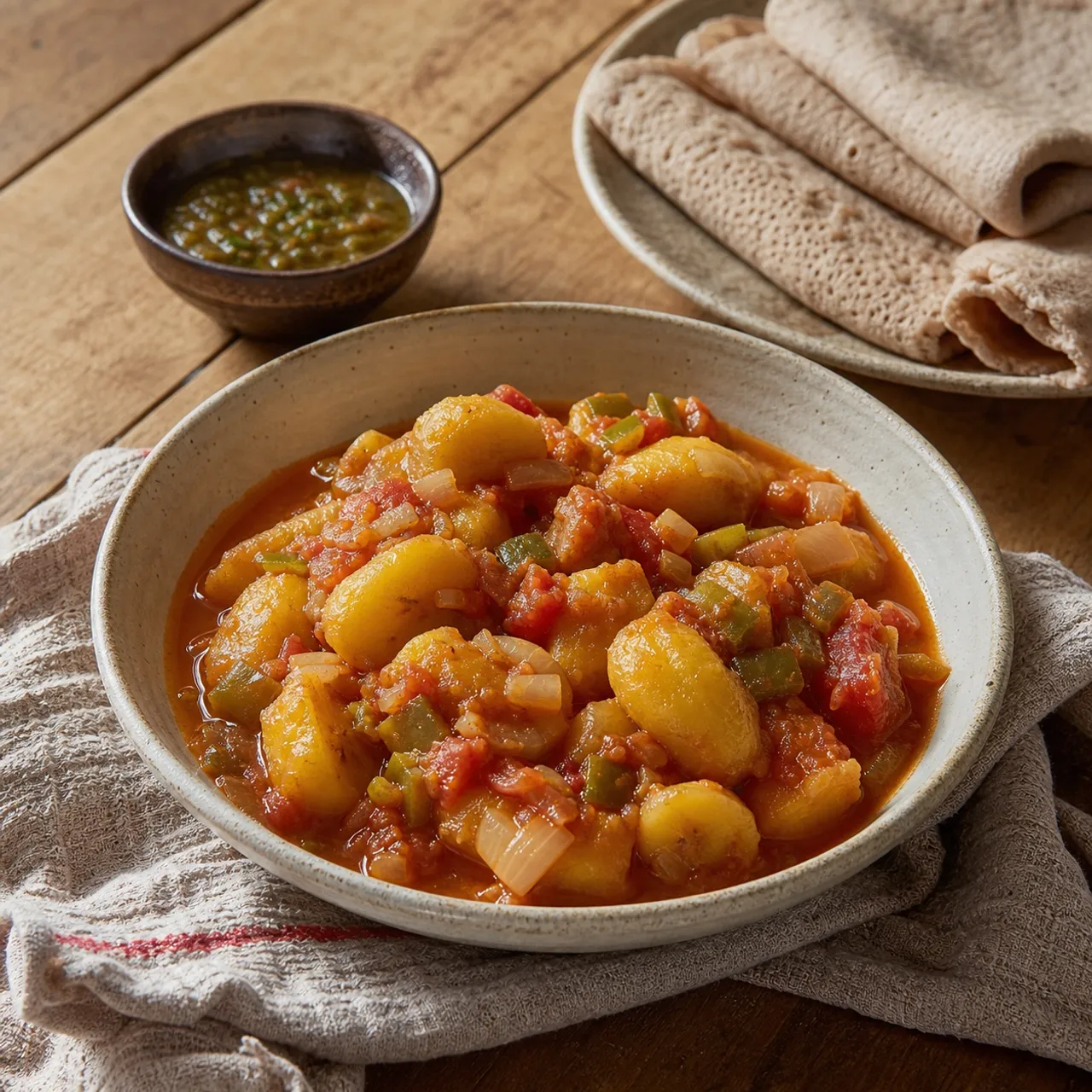
 East African Images are for illustrative purposes only, may be inaccurate, and do not guarantee the presence or absence of specific ingredients.
 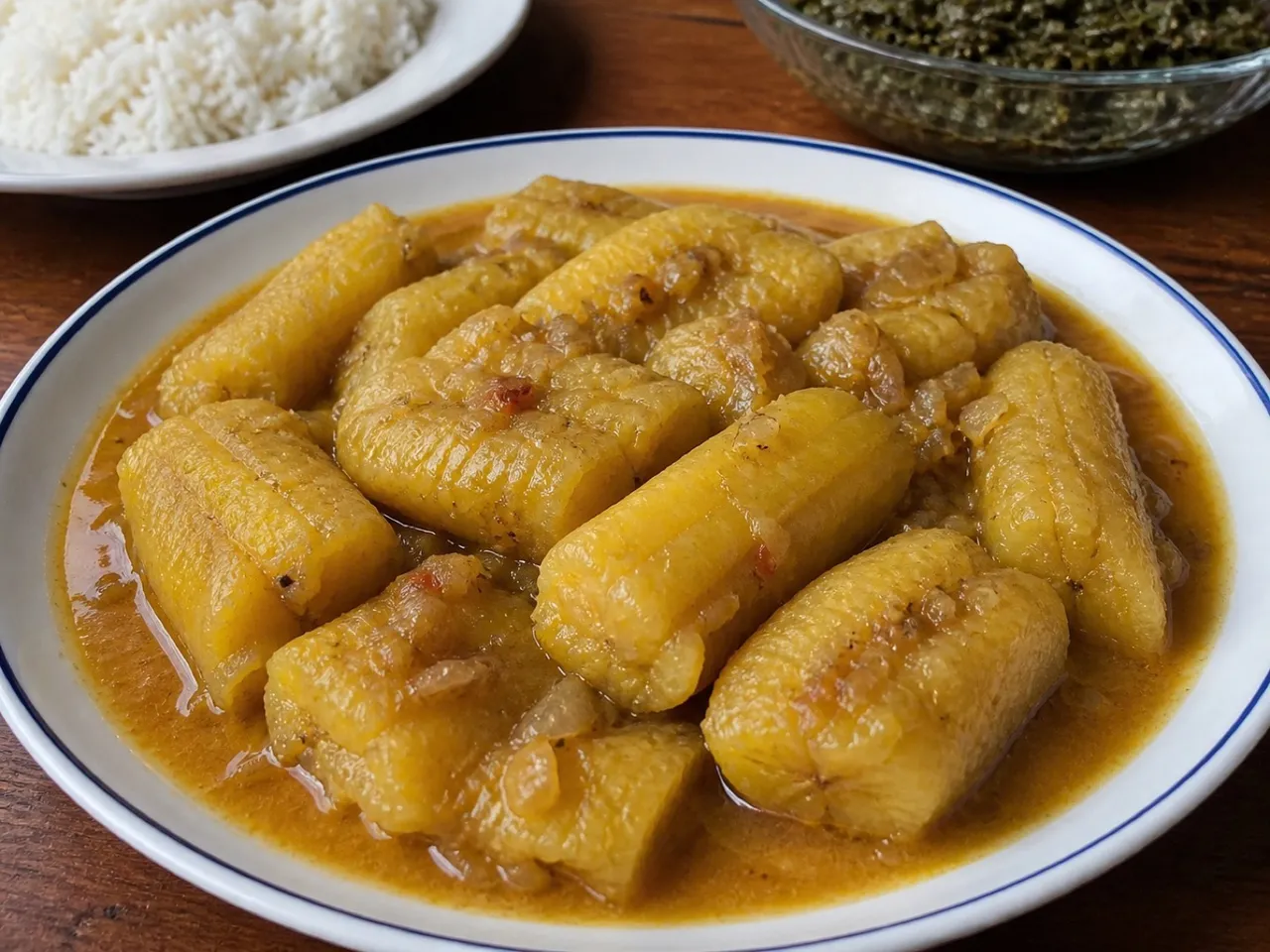 Serving Images are for illustrative purposes only, may be inaccurate, and do not guarantee the presence or absence of specific ingredients.
 Matoke
East African green bananas simmered in a rich, savory tomato and onion sauce until meltingly soft — a hearty, subtly sweet staple of Ugandan home cooking.
No common allergens detected
Based on this recipe's ingredient list. Always verify with your own brands and labels.
Good to know
- One-pot
Matched from this dish's own ingredients and timing. Browse more: one-pot dinners
Instructions
6 steps- 1
Peel the green bananas (oil your hands to prevent stickiness) and cut them into 2-inch chunks. Soak them in cold water to prevent browning.
- 2
Heat the vegetable oil in a large pot over medium heat. Add the diced onions and sauté for 3 minutes until softened.
- 3
Stir in the minced garlic and diced bell pepper, cooking for another 2 minutes.
- 4
Add the chopped tomatoes and salt. Cook for 5-7 minutes, mashing the tomatoes slightly until they form a thick sauce.
- 5
Drain the bananas and add them to the pot, stirring well to coat them in the tomato sauce.
- 6
Pour in the broth, cover the pot, and simmer over low heat for 20-25 minutes until the bananas are very tender. Mash slightly before serving if a thicker consistency is desired.
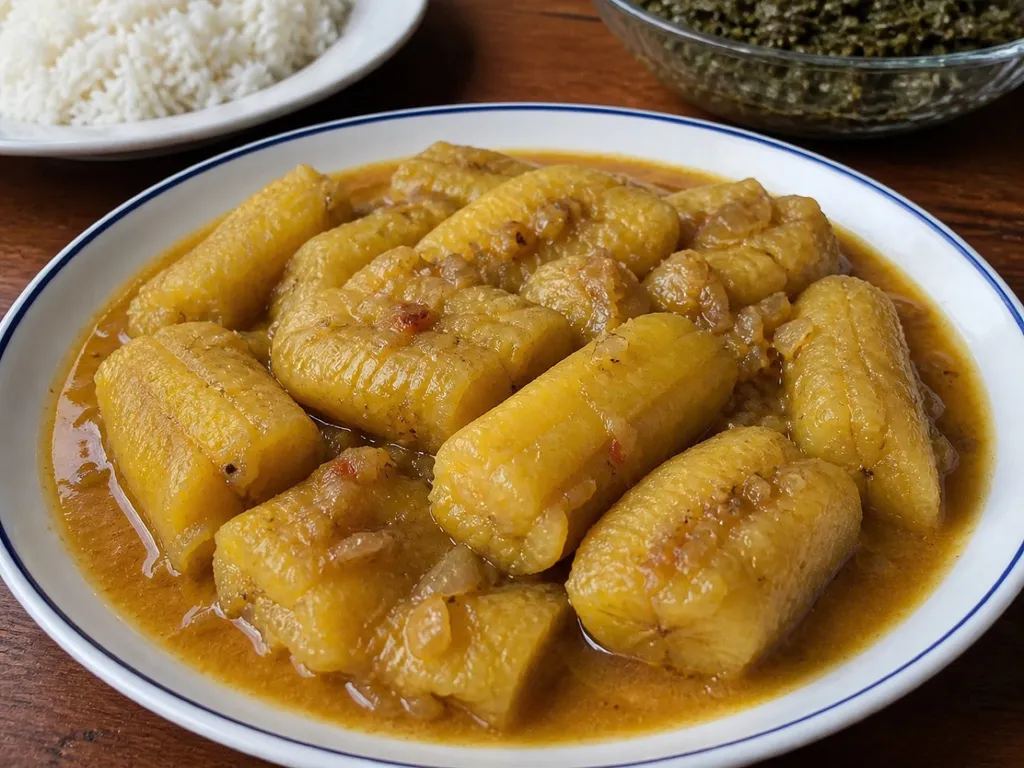 Images are for illustrative purposes only, may be inaccurate, and do not guarantee the presence or absence of specific ingredients.
 Listahan Family Score™
71/100
Good fit for most families
Score reflects how well this recipe fits a typical busy household. In the app, your Family Score is personalized to your household's allergens, kids, and pantry.
Nutrition
per serving440
Calories
7 g
Protein
95 g
Carbs
9 g
Fat
Estimated per serving. Actual values depend on the brands and portions you use.
Listahan cooking guide
Chef notes & practical guide
Technique notes, ingredient swaps, serve-alongside ideas, storage guidance, and equipment for this recipe.
Cultural context
Matoke is the national dish of Uganda, made from green cooking bananas (matooke) that are a staple crop in the fertile highlands around Lake Victoria. These bananas — a different variety from sweet dessert bananas — must be cooked to be edible and have a starchy, slightly savory flavor that functions more like plantain or potato than sweet fruit. In Uganda, matoke is traditionally steamed in banana leaves and served at major celebrations, funerals, and daily family meals alike.
Listahan note
This version braises the green bananas in a tomato and broth sauce rather than using the traditional banana leaf steam method, making it accessible with standard North American kitchen equipment while preserving the savory flavor profile.
Technique cues
- Use green (unripe) bananas or green plantains — not yellow or ripe ones, which will dissolve into mush during cooking and turn the dish sweet rather than starchy and savory.
- Green bananas oxidize quickly; have a bowl of cold salted water ready and submerge the peeled, cut pieces immediately — they will otherwise turn dark gray-black within minutes of exposure to air.
- Matoke is done when the banana pieces are completely tender and have absorbed the braising liquid's color and flavor; undercooked matoke is dense and starchy in an unpleasant way, so cook until a fork passes through each piece with no resistance.
Kitchen flow
- Parallel prep
- Peel and soak the bananas in salted water while you prep and saute the onion base; the soaking step prevents browning without requiring monitoring.
- Make-ahead
- Matoke reheats beautifully and tastes better the next day as the bananas fully absorb the braising liquid; make up to 2 days ahead and refrigerate.
- Leftover move
- Mash leftover matoke with a little broth and butter for a savory mashed banana side dish similar to mashed plantains; serve with grilled meat.
- Cleanup rhythm
- Rinse the pot while still warm to remove the starchy residue; green banana starch sets into a hard film if left to dry.
Ingredient brief
Role, handling, and swap guidance for each key ingredient.
6 green (unripe) bananas or plantains (peeled and cut into chunks)
primary starch
Purpose: Green bananas provide the starchy, slightly savory base of the dish; their texture when cooked is similar to potato or cassava, not to ripe banana.
Handling: Wear gloves when peeling — the sap of green bananas stains skin and clothing; cut and submerge in salted cold water immediately to prevent oxidation.
Adaptation: Green plantains are the most widely available substitute in North American grocery stores and have a nearly identical cooked texture and flavor.
1 large red onion (diced)
aromatic base
Purpose: Onion forms the savory foundation of the braising sauce that the bananas cook in and absorb.
Handling: Dice medium and saute until softened before adding tomatoes and garlic.
Adaptation: Yellow onion is a direct substitute.
3 ripe tomatoes (chopped)
sauce base and acidity
Purpose: Ripe tomatoes break down into the braising liquid, adding acidity and color that contrasts with the starch of the bananas.
Handling: Chop roughly; no need to peel or seed.
Adaptation: One 14-oz can of diced tomatoes works well in winter or when fresh tomatoes are mealy.
2 cups beef or vegetable broth
braising liquid
Purpose: Broth provides the liquid for the slow braise and adds savory depth that water alone cannot contribute.
Handling: Have broth at room temperature; cold broth added to a hot pan slows the cooking and can cause the vegetables to steam unevenly.
Adaptation: Water with a bouillon cube works as a substitute; use vegetable broth to keep the dish vegetarian.
2 cloves garlic (minced)
aromatic depth
Purpose: Garlic adds a savory, slightly pungent note that prevents the dish from tasting bland despite its simple ingredient list.
Handling: Add after the onion has softened and cook for 60-90 seconds before adding tomatoes; raw garlic added with the broth tastes sharp and underdeveloped.
Adaptation: Half a teaspoon of garlic powder can be substituted in a pinch.
Technique notes
- Resist stirring too frequently once the banana pieces are in the braising liquid — they are fragile when cooked and will break into mush if stirred; move the pot in a gentle circular motion instead of using a spoon.
- Reduce the braising liquid at the end of cooking by removing the lid for 5-10 minutes; the sauce should coat the banana pieces lightly, not pool at the bottom of the pot.
- A squeeze of lemon juice over the finished dish brightens the flavor and balances the starchiness of the bananas; this is optional but improves the overall balance significantly.
Ingredient swaps
- Vegan direction
- Use vegetable broth and omit any meat; this dish is naturally vegan when made with vegetable stock.
- Add protein
- Brown ground beef or diced chicken thighs and add them with the tomatoes for a complete one-pot meal common in Ugandan home cooking.
- Spicier version
- Add a teaspoon of curry powder or a minced fresh chili with the garlic for a Kenyan-coastal variation with more heat and complexity.
Serve alongside
- ugali or steamed white rice
- sukuma wiki (stewed collard greens)
- nyama choma (grilled goat or beef)
- simple peanut groundnut sauce
- fresh passion fruit juice
- warm chai with milk
Serving suggestions only — check pairings for your household's allergens.
Storage & reheating
- Refrigerate in an airtight container with the braising liquid for up to 3 days; the bananas continue to absorb flavor and improve.
- Reheat gently in a covered pot over low heat with a splash of water or broth to loosen; avoid boiling or the bananas will break apart.
- Freezing is not recommended as cooked green banana becomes grainy and mealy on thawing.
Equipment
- heavy-bottomed pot or Dutch oven with a lid
- rubber gloves for peeling green bananas
- bowl of cold salted water for soaking banana pieces
- slotted spoon or soft spatula
Make this household-aware
Listahan Pro checks this recipe against your household's allergens, finds pantry-aware swaps, builds the shopping list, and helps you plan the week around it.
Plan it in Listahan
Add Matoke to your week, check it against your household's allergens, and build the shopping list automatically.
More East African recipes
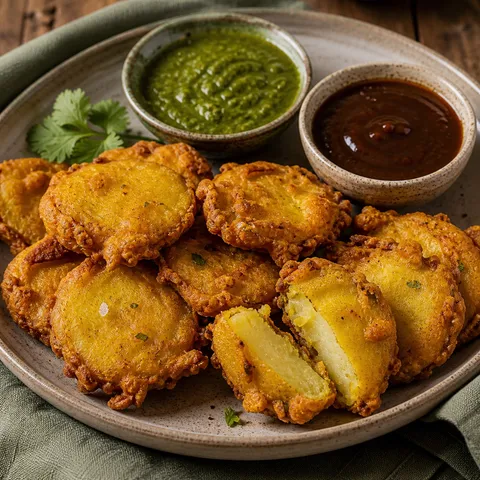 East African Lens Verified Images are for illustrative purposes only, may be inaccurate, and do not guarantee the presence or absence of specific ingredients.
 Viazi Karai
A Zanzibari street favorite of soft boiled potatoes coated in a turmeric-yellow batter and deep-fried until crackling, served with fiery tamarind sauce.
 East African Lens Verified Images are for illustrative purposes only, may be inaccurate, and do not guarantee the presence or absence of specific ingredients.
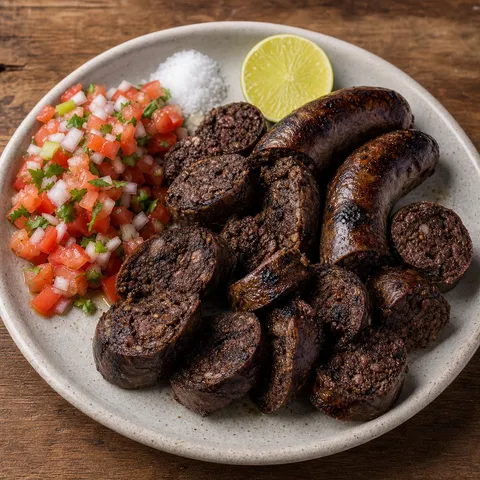
 Mutura
Kenyan spiced blood sausage stuffed with meat, onion, and herbs, then grilled until the casing crisps and snaps — a bold, smoky roadside delicacy.
 East African Lens Verified Images are for illustrative purposes only, may be inaccurate, and do not guarantee the presence or absence of specific ingredients.
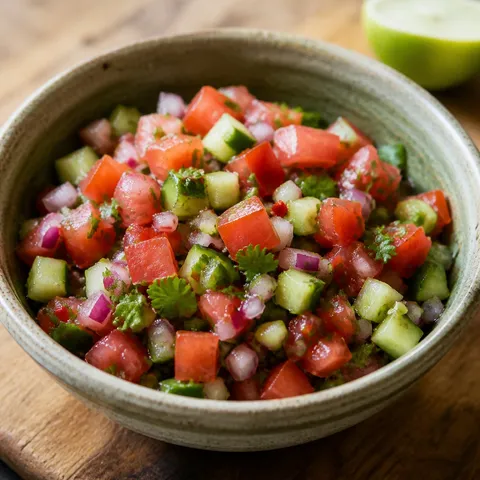
 Kachumbari
Bright, refreshing salad of ripe tomatoes and sharp raw onion, spiked with chili and lime — the cool, crisp counterpoint to rich East African grills.