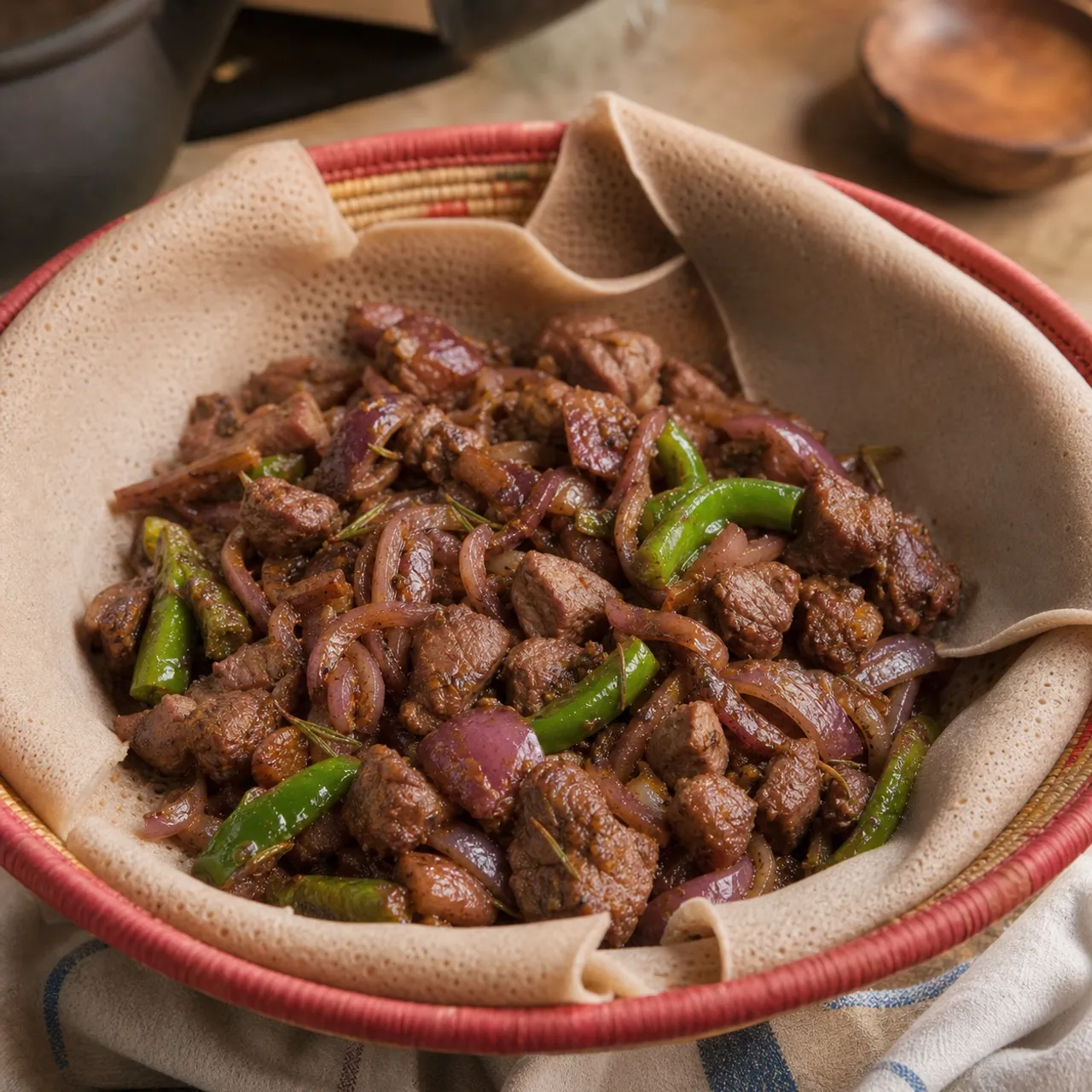
 East African Images are for illustrative purposes only, may be inaccurate, and do not guarantee the presence or absence of specific ingredients.
 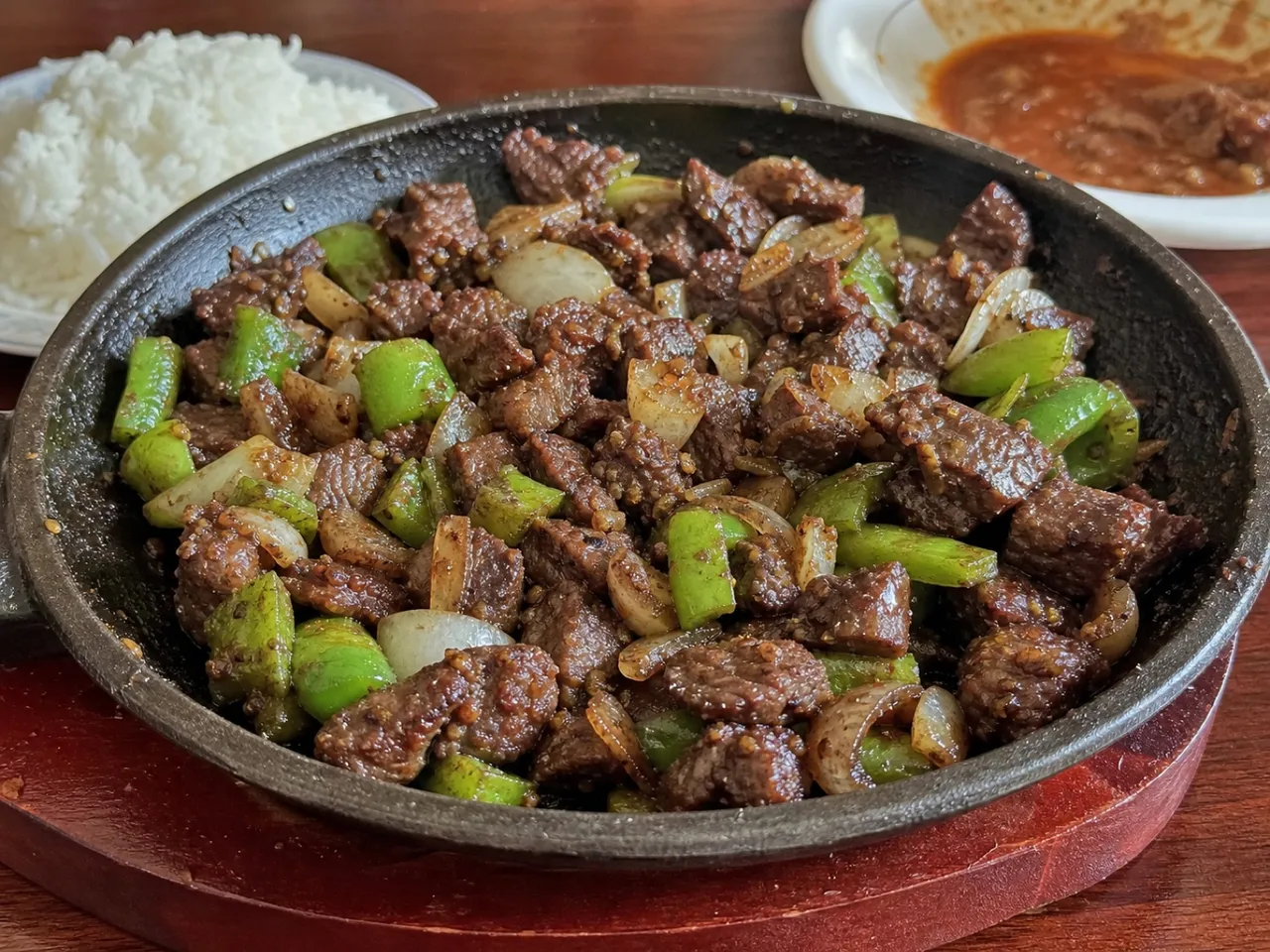 Serving Images are for illustrative purposes only, may be inaccurate, and do not guarantee the presence or absence of specific ingredients.
 Tibs
Quick-sautéed meat — lamb, beef, or goat — with onions, jalapeño, and rosemary in a sizzling clay skillet. Crispy edges, juicy centers, bold Ethiopian flavor.
Contains common allergens
In the app, Listahan checks these against your household automatically.
Good to know
- Crispy
- Ready in under 30 minutes
Matched from this dish's own ingredients and timing. Browse more: crispy recipes30-minute meals
Instructions
6 steps- 1
Pat the meat pieces completely dry with a paper towel and season with salt and black pepper.
- 2
Heat a heavy skillet or cast-iron pan over high heat until smoking hot.
- 3
Add 1 tablespoon of niter kibbeh to the pan, then immediately add the meat in a single layer. Sear without moving for 2 minutes to develop a dark crust.
- 4
Add the sliced onions and the remaining spiced butter. Stir-fry aggressively for 3-4 minutes until the onions soften.
- 5
Stir in the sliced jalapeños and rosemary, tossing everything together for 1 final minute.
- 6
Remove from heat immediately so the meat remains tender and juicy. Serve sizzling hot.
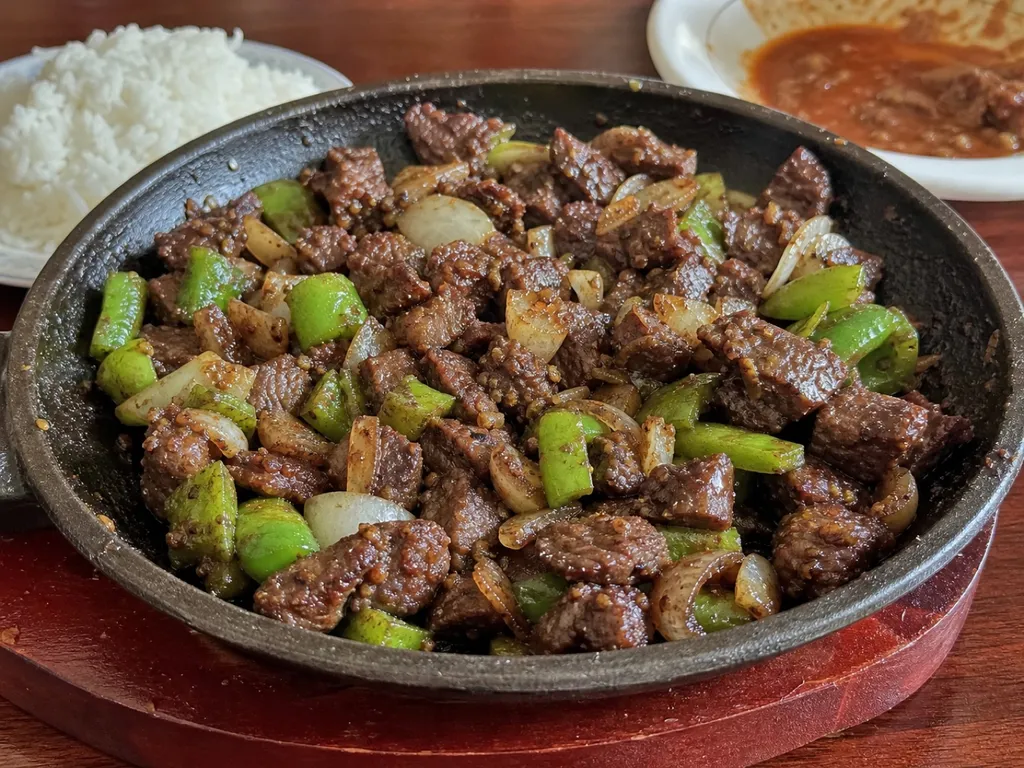 Images are for illustrative purposes only, may be inaccurate, and do not guarantee the presence or absence of specific ingredients.
 Listahan Family Score™
69/100
Works for many families
Score reflects how well this recipe fits a typical busy household. In the app, your Family Score is personalized to your household's allergens, kids, and pantry.
Nutrition
per serving395
Calories
40 g
Protein
4 g
Carbs
23 g
Fat
Estimated per serving. Actual values depend on the brands and portions you use.
Listahan cooking guide
Chef notes & practical guide
Technique notes, ingredient swaps, serve-alongside ideas, storage guidance, and equipment for this recipe.
Cultural context
Tibs is a family of Ethiopian sauteed and stir-fried meat dishes — beef, lamb, or goat cut into pieces and cooked fast in niter kibbeh with onion, jalapeño, rosemary, and black pepper. Unlike the long-braised wats, tibs is quick cooking and served in a clay or metal pan (the mogogo) still sizzling, making it one of the few Ethiopian dishes with a dramatic tableside presentation. The combination of rosemary (brought to Ethiopia via Italian influence during the brief occupation of the 1930s and 1940s) with berbere aromatics is a distinctly modern Ethiopian flavor pairing.
Listahan note
This version uses niter kibbeh for the cooking fat, which is non-negotiable for the correct flavor, and keeps the heat high throughout so the meat sears rather than steams — the goal is a caramelized exterior with a pink-to-medium interior.
Technique cues
- Work in small batches if your pan is less than 12 inches — adding too much meat at once drops the pan temperature and causes the meat to steam in its own juices, producing gray, rubbery tibs instead of the browned, crisp-edged version that defines the dish.
- Niter kibbeh has a lower smoke point than plain ghee because of its spice infusions; heat the pan fully before adding the kibbeh, then add the meat immediately so the spices in the butter do not burn before the meat hits the surface.
- The jalapeños should retain their bright green color and a slight bite — add them in the last 2-3 minutes of cooking, not at the start, so they stay firm and fresh rather than softening into the background.
Kitchen flow
- Parallel prep
- Slice all vegetables and cut the meat before heating the pan — tibs cooks in under 10 minutes total and there is no time to prep once the heat is on.
- Make-ahead
- Tibs is best eaten immediately; it can be prepped (meat cut, vegetables sliced) up to 24 hours ahead and held refrigerated, but the actual cooking should happen right before serving.
- Leftover move
- Reheat leftover tibs quickly in a very hot dry pan to re-crisp the edges, then serve inside injera or over rice — it functions well as a taco-style filling with fresh tomato and green onion.
- Cleanup rhythm
- Deglaze the hot pan immediately after plating with 2 tablespoons of water, scraping up any fond — this both cleans the pan and creates a quick pan sauce you can pour over the meat at the table.
Ingredient brief
Role, handling, and swap guidance for each key ingredient.
1 lb beef tenderloin or lamb (cut into bite-sized pieces)
primary protein
Purpose: Tenderloin or top sirloin for beef, or tender cuts from the leg for lamb, are used because the fast high-heat cook time does not allow tougher cuts to tenderize.
Handling: Bring to room temperature for 20 minutes before cooking; pat completely dry — any surface moisture will steam rather than sear.
Adaptation: Lamb shoulder or beef sirloin tips work if cut smaller and cooked slightly longer; avoid stew-cut beef, which needs low-and-slow heat.
3 tbsp niter kibbeh (spiced butter)
cooking fat and flavor
Purpose: Niter kibbeh is the single most important flavor element in tibs after the meat itself — it contributes a spiced, nutty richness that plain butter or oil cannot replicate.
Handling: Have it at the ready beside the stove; it melts almost instantly in a hot pan.
Adaptation: Ghee plus a pinch of ground cardamom and turmeric is the closest substitute; plain vegetable oil will produce a thinner-tasting result.
1 large red onion (sliced)
aromatic and textural component
Purpose: Red onion provides sweetness that caramelizes quickly in the hot pan, adding color and balance to the spiced meat.
Handling: Slice into half-moons about 1/4 inch thick so they soften but retain some texture in the short cook time.
Adaptation: Yellow onion works; shallots produce a more delicate flavor.
2 jalapeños (sliced lengthwise)
fresh heat and color
Purpose: Long slices of jalapeño are a visual and flavor signature of tibs — their fresh heat contrasts with the rich niter kibbeh.
Handling: Slice lengthwise into strips rather than rings for the traditional presentation; add late in cooking to preserve their bite and bright color.
Adaptation: Serrano pepper for more heat; poblano strips for a mild, pepper-forward version without heat.
1 tsp rosemary
aromatic herb accent
Purpose: Rosemary is the unusual and distinctly Ethiopian-urban element in tibs, providing a piney, resinous note that complements the richness of the niter kibbeh.
Handling: Add whole fresh sprigs or dried rosemary at the same time as the meat so the heat extracts the aromatic oils.
Adaptation: Fresh thyme can substitute if rosemary is unavailable, though it produces a more Mediterranean than Ethiopian flavor profile.
Technique notes
- A cast iron skillet or carbon steel pan holds high heat better than non-stick and produces the crucial Maillard browning on the meat surface; if using non-stick, you will get softer, more steamed-textured tibs.
- Season the meat with the black pepper before cooking rather than at the table — pepper blooms in the hot fat and integrates into the crust, whereas added at the end it tastes raw and sharp.
- For a saucy version (tibs wat), add 2-3 tablespoons of berbere and a splash of water after the meat is browned, then reduce for 2 minutes — this bridges the gap between quick-cook tibs and a true wat without the long cooking time.
Ingredient swaps
- Dairy-free direction
- Substitute refined coconut oil for the niter kibbeh and add 1/4 tsp each turmeric, cardamom, and ground fenugreek to approximate the spice notes.
- Gluten-free direction
- Already gluten-free with no modifications needed.
- Lower-heat option
- Replace jalapeños with bell pepper strips — the dish retains its color and texture without the heat, making it suitable for children.
Serve alongside
- Injera (Ethiopian sourdough flatbread to wrap or scoop)
- Shiro Wat as a vegetarian accompaniment on the same platter
- ayib (Ethiopian fresh cheese) with mitmita sprinkled on top
- simple tomato, onion, and green pepper salad with lime
- tej (Ethiopian honey wine) or a dry red wine like Malbec
- cold sparkling water with fresh lemon and ginger
Serving suggestions only — check pairings for your household's allergens.
Storage & reheating
- Refrigerate leftovers within 2 hours in an airtight container for up to 3 days.
- Reheat in a very hot dry cast iron pan for 2-3 minutes to restore the seared crust; microwave reheating makes the meat rubbery.
- Not recommended for freezing — the texture of tender beef or lamb degrades significantly after freezing and thawing.
Equipment
- 12-inch cast iron skillet or carbon steel pan
- Sharp chef's knife for cutting meat and vegetables
- Tongs for turning the meat in the hot pan
- Splatter screen (optional but useful — the high heat causes splatter)
Make this household-aware
Listahan Pro checks this recipe against your household's allergens, finds pantry-aware swaps, builds the shopping list, and helps you plan the week around it.
Plan it in Listahan
Add Tibs to your week, check it against your household's allergens, and build the shopping list automatically.
More East African recipes
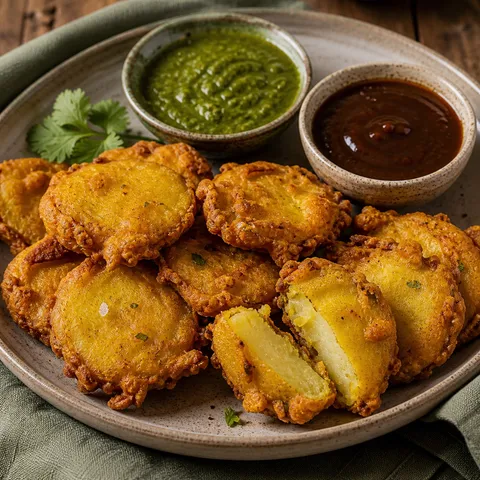 East African Lens Verified Images are for illustrative purposes only, may be inaccurate, and do not guarantee the presence or absence of specific ingredients.
 Viazi Karai
A Zanzibari street favorite of soft boiled potatoes coated in a turmeric-yellow batter and deep-fried until crackling, served with fiery tamarind sauce.
 East African Lens Verified Images are for illustrative purposes only, may be inaccurate, and do not guarantee the presence or absence of specific ingredients.
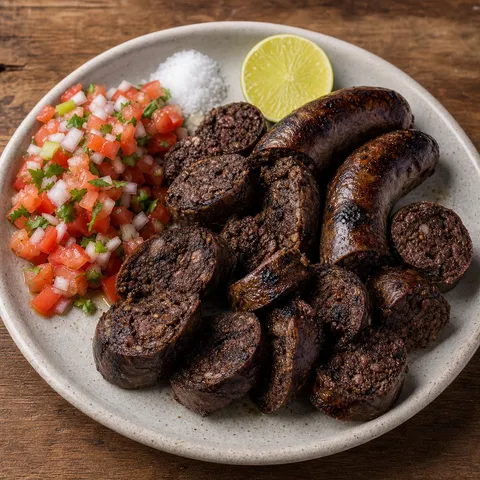
 Mutura
Kenyan spiced blood sausage stuffed with meat, onion, and herbs, then grilled until the casing crisps and snaps — a bold, smoky roadside delicacy.
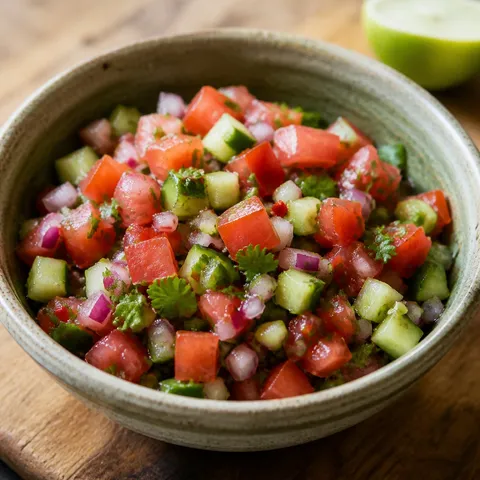 East African Lens Verified Images are for illustrative purposes only, may be inaccurate, and do not guarantee the presence or absence of specific ingredients.
 Kachumbari
Bright, refreshing salad of ripe tomatoes and sharp raw onion, spiked with chili and lime — the cool, crisp counterpoint to rich East African grills.