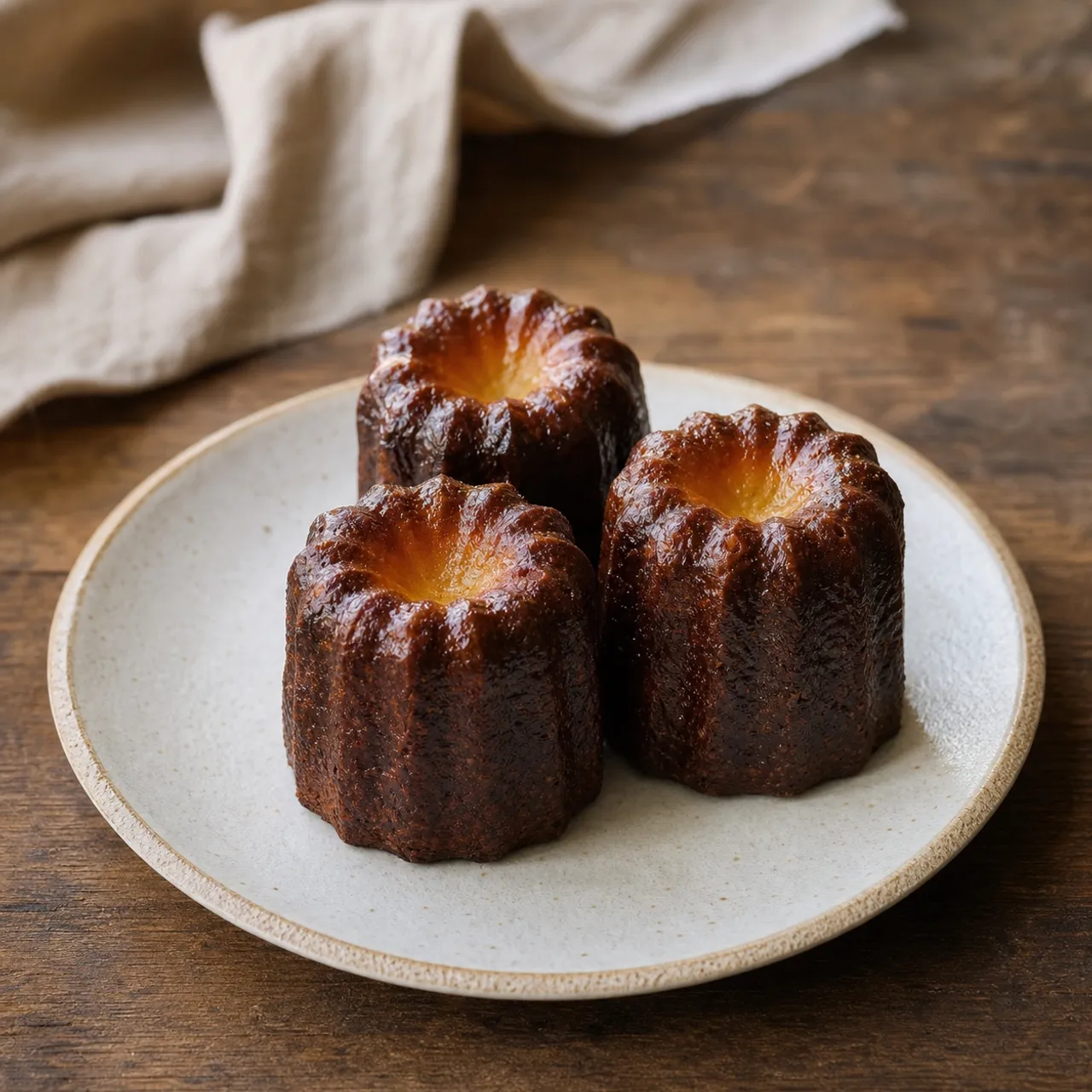
 French Images are for illustrative purposes only, may be inaccurate, and do not guarantee the presence or absence of specific ingredients.
 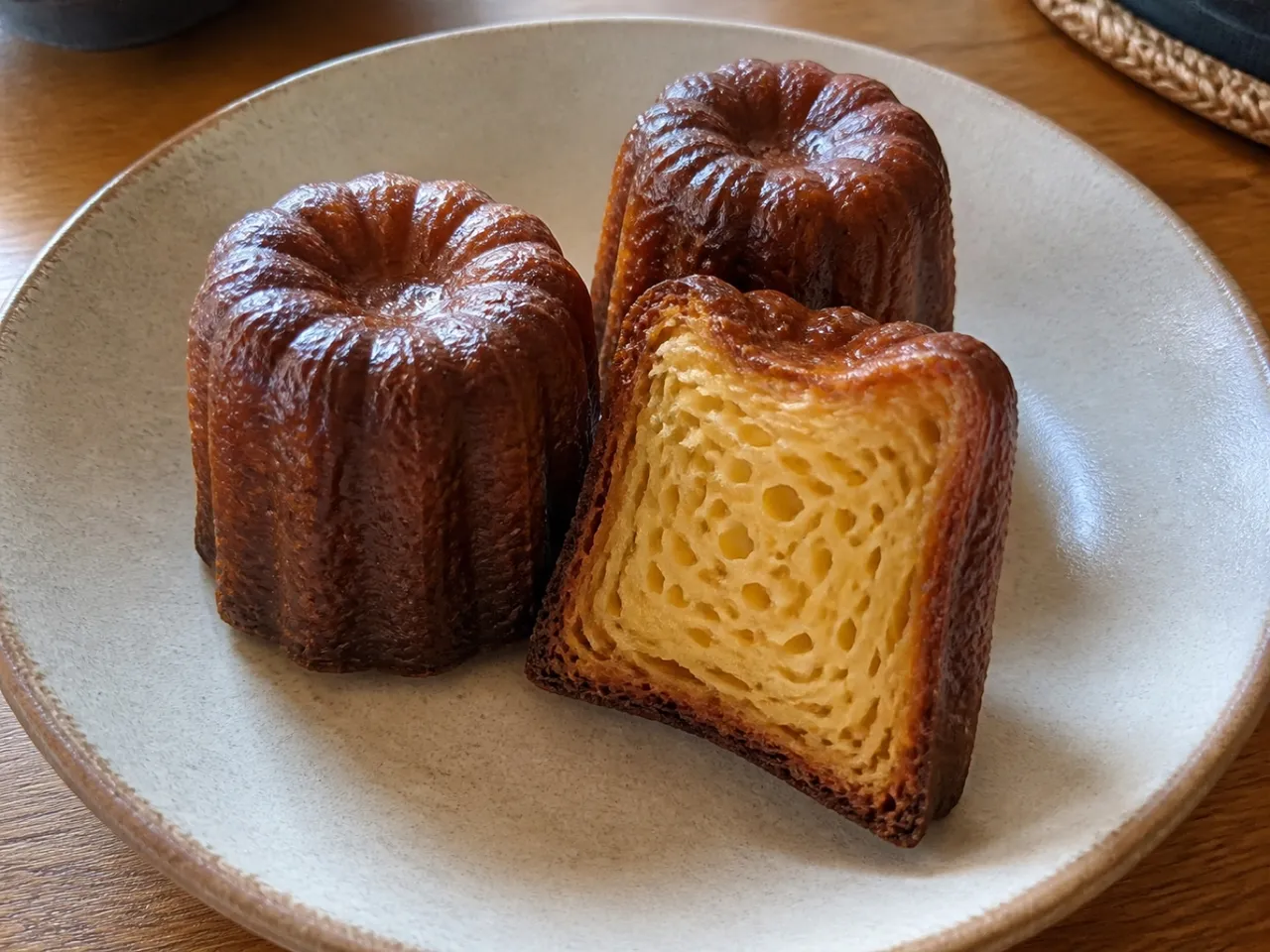 Serving Images are for illustrative purposes only, may be inaccurate, and do not guarantee the presence or absence of specific ingredients.
 Canelé
Bordeaux's extraordinary little pastry: a deep mahogany caramelized crust giving way to a soft, custardy, rum-and-vanilla interior.
Contains common allergens
In the app, Listahan checks these against your household automatically.
Instructions
8 steps- 1
Combine the milk, butter, and scraped vanilla bean and seeds in a saucepan and heat until the butter melts and the milk is just below a boil; remove from heat and let steep 10 minutes.
- 2
In a large bowl, whisk the eggs, egg yolks, and salt together, then whisk in the powdered sugar until smooth.
- 3
Sift the flour into the egg mixture and whisk until just combined, then gradually whisk in the warm milk to form a thin, lump-free batter.
- 4
Stir in the rum, strain the batter through a fine sieve into a pitcher, cover, and refrigerate at least 24 hours, up to 48, to develop the characteristic custardy texture.
- 5
Preheat the oven to 475F and generously brush copper or silicone canele molds with melted butter.
- 6
Fill the molds about three-quarters full with the cold batter and bake for 20 minutes at 475F.
- 7
Lower the oven temperature to 375F and continue baking until the tops are a deep mahogany brown and the sides are crisp and caramelized, 50 to 60 minutes more.
- 8
Unmold immediately onto a rack and let cool before serving; the crust should be dark and crackling with a soft, custardy center.
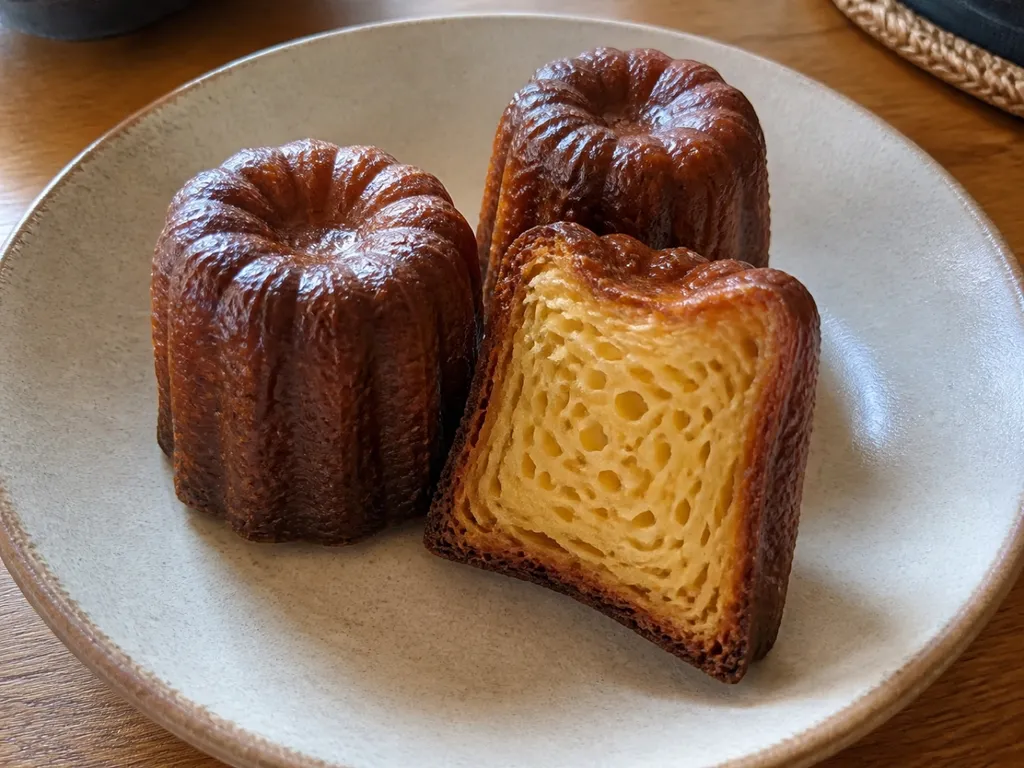 Images are for illustrative purposes only, may be inaccurate, and do not guarantee the presence or absence of specific ingredients.
 Listahan Family Score™
68/100
Works for many families
Score reflects how well this recipe fits a typical busy household. In the app, your Family Score is personalized to your household's allergens, kids, and pantry.
Nutrition
per serving250
Calories
4 g
Protein
53 g
Carbs
2 g
Fat
Estimated per serving. Actual values depend on the brands and portions you use.
Listahan cooking guide
Chef notes & practical guide
Technique notes, ingredient swaps, serve-alongside ideas, storage guidance, and equipment for this recipe.
Cultural context
Canele is a Bordeaux specialty traditionally baked in small fluted copper molds lined with beeswax and butter, a combination credited with producing the pastry's deeply caramelized, almost bitter-edged crust wrapped around a soft, custardy interior.
Listahan note
This version rests the batter a full 24 hours before baking, since that long rest is what lets the batter settle and the exterior develop its dark, distinctive crust rather than baking pale.
Technique cues
- The batter needs a minimum 24-hour rest in the fridge, since baking it fresh produces a paler, less complex crust and a less tender interior than a properly rested batter.
- A very hot oven for the first portion of baking, then a reduced temperature to finish, builds the deep mahogany crust while still letting the custardy center cook through fully.
- Traditional copper molds coated in beeswax and butter conduct heat differently than a standard muffin tin, contributing directly to how dark and crisp the crust turns out.
- The batter should be thin, closer to a crepe batter than a cake batter, since a thicker mixture bakes up more like a muffin and loses the custard-like center that defines the pastry.
Kitchen flow
- Parallel prep
- While Canelé is in the oven, measure out any garnish or topping — like the dark rum — so it's ready the moment the bake finishes cooling.
- Make-ahead
- Canelé's dough or batter (built around dark rum) can usually be made a day ahead and refrigerated, then baked fresh — many doughs actually improve with an overnight rest.
- Leftover move
- Leftover Canelé freezes well — wrap individual portions tightly and thaw at room temperature, or crumble it over ice cream for a quick second life. This one leans on the dark rum. The bake step is what sets the pace here.
- Cleanup rhythm
- Soak the mixing bowl and beaters for Canelé right away — sugar and butter residue hardens fast once it cools. This one leans on the dark rum. Plan around the bake; that's the slow part.
Ingredient brief
Role, handling, and swap guidance for each key ingredient.
Milk
Richness and texture
Purpose: Milk rounds the texture and helps the dish feel complete.
Handling: Prep before heat is high so the cooking step can move without rushing.
Adaptation: Use unsweetened dairy-free alternatives only where they still provide enough fat and body.
sugar
Sweetness and aroma
Purpose: sugar adds aroma, sweetness, or warmth without needing extra garnish.
Handling: Measure before heating and break up clumps so the mix distributes evenly.
Adaptation: Use the closest fresh equivalent and expect a modest shift in flavor or texture.
flour
Structural base
Purpose: flour defines the shape and texture of the dish.
Handling: Measure before heating and break up clumps so the mix distributes evenly.
Adaptation: Use a certified gluten-free alternative when needed and expect a small texture change.
rum
Flavor support
Purpose: rum supports the balance of Canelé and should taste integrated.
Handling: Prep before heat is high so the cooking step can move without rushing.
Adaptation: Use the closest fresh equivalent and expect a modest shift in flavor or texture.
vanilla
Sweetness and aroma
Purpose: vanilla adds aroma, sweetness, or warmth without needing extra garnish.
Handling: Prep before heat is high so the cooking step can move without rushing.
Adaptation: Use the closest fresh equivalent and expect a modest shift in flavor or texture.
Technique notes
- Canele are best eaten the same day they are baked, ideally within a few hours, since the crisp shell softens quickly once exposed to air.
- Letting the baked canele cool in their molds briefly before unmolding helps the shell hold its shape rather than caving in while still delicate.
- Silicone molds are a common substitute for copper but produce a noticeably softer crust, since they do not conduct heat the same way.
Ingredient swaps
- Gluten-free direction
- Replace the all-purpose flour with a certified gluten-free 1:1 flour blend or gluten-free noodles/breadcrumbs — check that any other packaged ingredients here are labeled gluten-free too. This one leans on the dark rum.
- Dairy-free direction
- Swap the unsalted butter for a neutral dairy-free butter and a full-fat plant milk (oat or coconut give the closest richness) — the texture shifts slightly but the dish holds together. This one leans on the dark rum.
- Lower-sodium direction
- Hold back roughly a third of the salt at first; taste once everything else has had time to come together. This one leans on the dark rum.
- Weeknight shortcut
- Get the batter or mix-ins ready and refrigerated the day before; all that's left the night of is the oven. This one leans on the dark rum.
Serve alongside
- Fresh berries
- Citrus fruit salad
- Mint leaves
- Black coffee
- Hot tea
- Sparkling water with lemon
Serving suggestions only — check pairings for your household's allergens.
Storage & reheating
- Store covered for 3 to 4 days, refrigerated when dairy, eggs, custard, or fresh fruit are involved.
- Reheat gently only when warmth improves the texture.
- Freeze sturdy baked portions up to 2 months; avoid freezing delicate fresh toppings.
Equipment
- Mixing bowls
- Baking dish or pan
- Cooling rack
Make this household-aware
Listahan Pro checks this recipe against your household's allergens, finds pantry-aware swaps, builds the shopping list, and helps you plan the week around it.
Plan it in Listahan
Add Canelé to your week, check it against your household's allergens, and build the shopping list automatically.
More French recipes
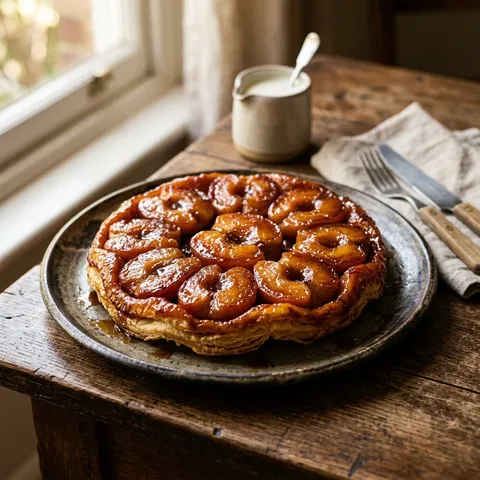 French Lens Verified Images are for illustrative purposes only, may be inaccurate, and do not guarantee the presence or absence of specific ingredients.
 Tarte Tatin
Apples cooked in caramel until jammy and burnished, then flipped onto buttery pastry — a rustic upside-down tart from the Loire Valley.
 French Lens Verified Images are for illustrative purposes only, may be inaccurate, and do not guarantee the presence or absence of specific ingredients.
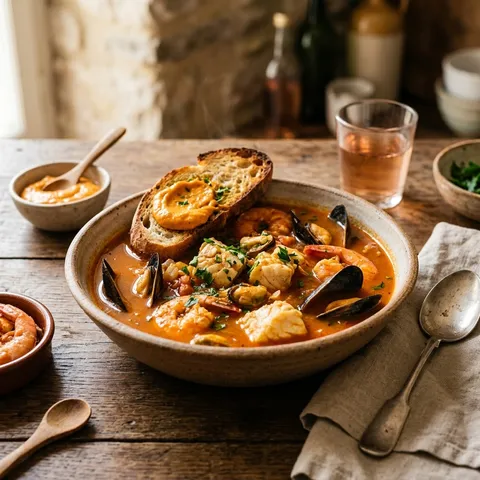
 Bouillabaisse
Marseille's legendary saffron-scented fisherman's stew, brimming with fresh seafood and served with garlicky rouille on toasted baguette.
 French Lens Verified Images are for illustrative purposes only, may be inaccurate, and do not guarantee the presence or absence of specific ingredients.
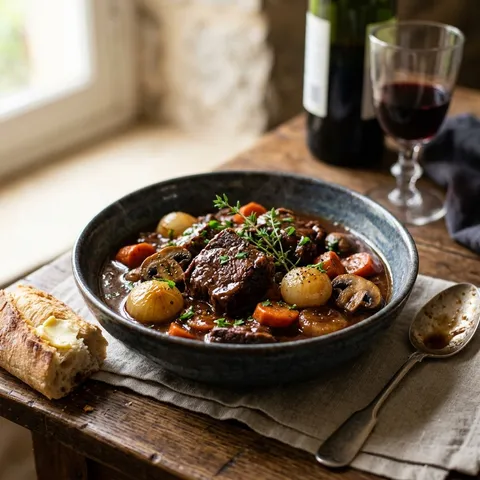
 Bœuf Bourguignon
Burgundy's legendary beef stew — rich, wine-dark, and fall-apart tender after hours of slow braising with carrots, mushrooms, and thyme.